
 By Muntaha farid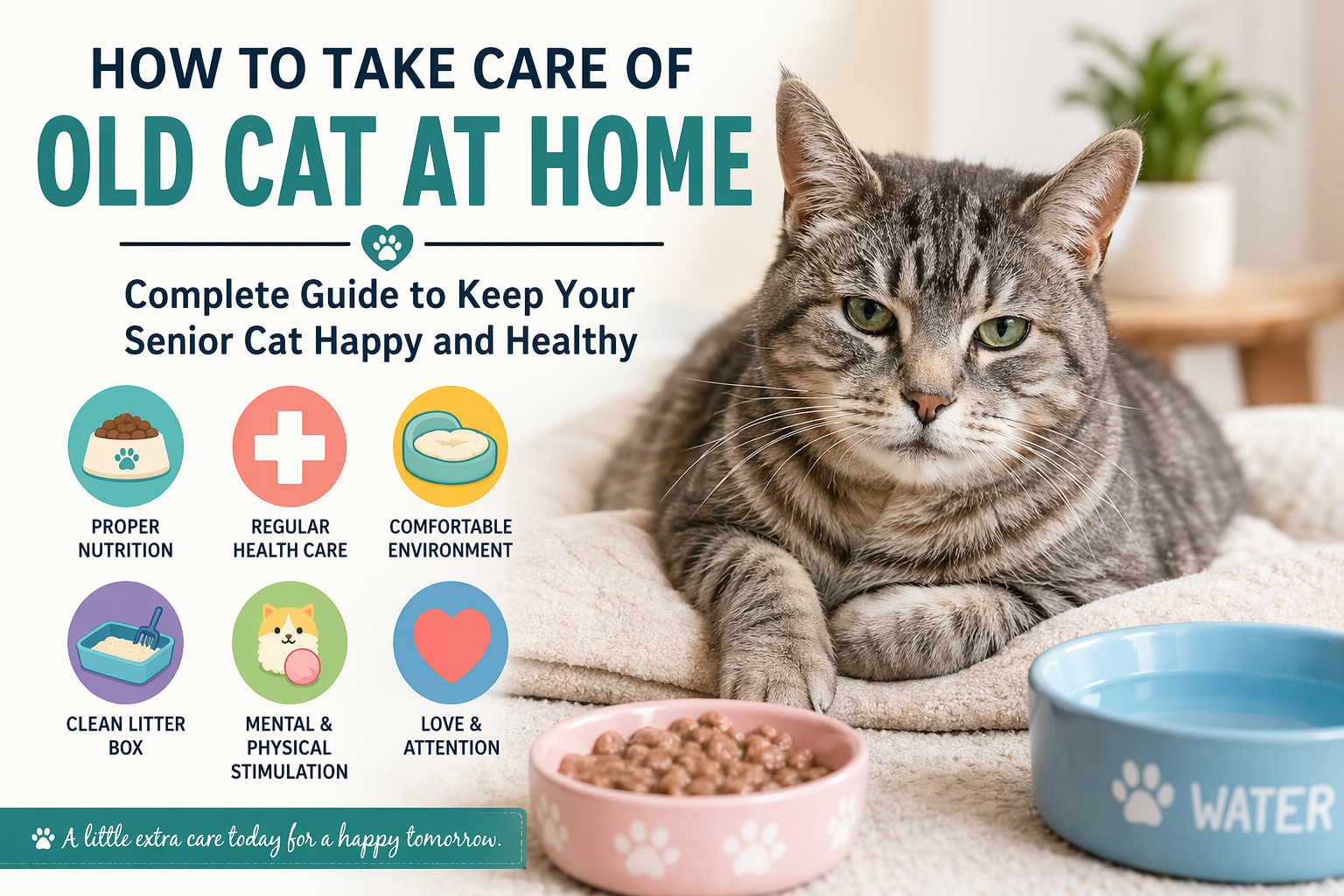
Learn how to take care of an old cat at home with simple daily routines, diet tips, health care, and comfort strategies to keep your senior cat happy and healthy.
How to Take Care of an Old Cat at Home
As cats grow older, their physical and emotional needs begin to change. Providing the right cat care during senior years is one of the best ways to ensure they remain happy, healthy, and comfortable. While aging is a natural process, many age-related health problems can be managed with proper nutrition, regular veterinary care, and a loving home environment.
If you’ve noticed a once-playful feline sleeping more, moving more slowly, or becoming less interested in activities, don’t worry. These changes are often a normal part of aging. Learning how to take care of an old cat at home allows you to improve your pet’s quality of life while strengthening the special bond you share.
This comprehensive guide covers everything you need to know about senior cat care, from nutrition and grooming to emotional support and end-of-life comfort.
What Age Is Considered an Old Cat?
Veterinarians generally consider cats to be seniors between 7 and 10 years of age. Cats over 11 years are classified as senior, while those over 15 years are often considered geriatric.
As your cat ages, you may notice several physical and behavioral changes, including:
- Sleeping longer than before
- Reduced energy levels
- Weight gain or weight loss
- Changes in appetite
- Slower movement
- Difficulty jumping
- Joint stiffness
- Changes in grooming habits
These signs don’t necessarily indicate illness but do mean your pet requires specialized cat care.
Why Senior Cat Care Is Different
Older cats experience natural changes in their bodies that affect nearly every aspect of their daily lives.
Some of these changes include:
- Slower metabolism
- Reduced muscle mass
- Weaker immune system
- Dental problems
- Arthritis
- Declining vision and hearing
- Reduced kidney function
Because of these age-related changes, senior cats benefit from routine monitoring and preventive care.
Creating a Comfortable Home Environment
A safe and comfortable home is one of the most important parts of senior cat care.
Provide Soft Sleeping Areas
Older cats often suffer from arthritis or joint discomfort.
Choose beds that are:
- Thick and padded
- Warm
- Easy to climb into
- Located in quiet areas
Orthopedic pet beds can provide additional support for aging joints.
Keep Everything Easily Accessible
Jumping becomes difficult as cats age.
Help your senior cat by:
- Placing food and water bowls nearby
- Lowering favorite resting places
- Using pet stairs or ramps
- Avoiding high furniture whenever possible
Reducing unnecessary climbing helps prevent injuries.
Maintain a Warm Environment
Senior cats become more sensitive to cold temperatures.
Keep your home comfortable by:
- Providing warm blankets
- Keeping beds away from drafts
- Allowing access to sunny windows
- Using heated pet pads if recommended
Warmth can also help reduce joint stiffness.
Best Diet for Senior Cat Care
Nutrition becomes increasingly important as cats age.
A balanced diet supports healthy muscles, organs, immune function, and overall well-being.
Choose High-Quality Senior Cat Food
Look for foods that contain:
- High-quality animal protein
- Moderate fat levels
- Essential vitamins
- Omega-3 fatty acids
- Taurine
- Easily digestible ingredients
Avoid low-quality fillers whenever possible.
Wet Food vs Dry Food
Many veterinarians recommend including wet food because it:
- Improves hydration
- Is easier to chew
- Supports kidney health
- Helps cats with dental disease
Some cats benefit from a combination of wet and dry food.
Keep Fresh Water Available
Dehydration is common in older cats.
Encourage drinking by:
- Providing multiple water bowls
- Changing water daily
- Using a pet water fountain
- Adding moisture-rich food
Proper hydration supports kidney and urinary health.
Regular Veterinary Care
Routine veterinary visits are essential for senior cat care.
Unlike younger cats, older cats should ideally visit the veterinarian every six months.
Regular checkups help detect diseases before symptoms become severe.
Common Health Problems in Older Cats
Senior cats have a higher risk of developing:
Arthritis
Signs include:
- Difficulty climbing
- Stiff walking
- Reluctance to jump
- Sleeping more
Early treatment can greatly improve comfort.
Kidney Disease
One of the most common illnesses in aging cats.
Symptoms include:
- Increased thirst
- Frequent urination
- Weight loss
- Poor appetite
- Bad breath
Early diagnosis improves long-term management.
Diabetes
Watch for:
- Increased hunger
- Weight loss
- Excessive drinking
- Frequent urination
Many diabetic cats live long, happy lives with treatment.
Dental Disease
Dental pain can make eating difficult.
Look for:
- Bad breath
- Drooling
- Loose teeth
- Difficulty chewing
Professional dental cleaning may be necessary.
Hyperthyroidism
Older cats may develop an overactive thyroid gland.
Common symptoms include:
- Weight loss
- Increased appetite
- Hyperactivity
- Rapid heartbeat
Medication usually controls this condition effectively.
Signs Your Senior Cat Needs Immediate Veterinary Care
Contact your veterinarian if your cat experiences:
- Sudden weight loss
- Refusing food for over 24 hours
- Persistent vomiting
- Difficulty breathing
- Trouble walking
- Blood in urine
- Severe lethargy
- Collapse
Early treatment often prevents serious complications.
Grooming Older Cats
Many senior cats become less flexible and cannot groom themselves properly.
Regular grooming becomes an important part of daily cat care.
Brush Frequently
Brushing helps:
- Prevent mats
- Remove loose hair
- Reduce hairballs
- Improve circulation
- Keep skin healthy
Long-haired cats may need brushing every day.
Trim Nails
Older cats wear their nails down less naturally.
Long nails can:
- Grow into paw pads
- Cause pain
- Affect walking
Trim nails every few weeks if needed.
Clean Eyes and Ears
Check regularly for:
- Eye discharge
- Ear wax
- Bad odors
- Redness
Clean gently using veterinarian-approved products.
Litter Box Care
Many older cats develop mobility problems.
Make litter boxes easier to use by:
- Choosing low-sided boxes
- Placing boxes on every floor
- Keeping pathways clear
- Cleaning daily
Avoid changing litter types suddenly.
Exercise for Senior Cats
Older cats still benefit from gentle activity.
Exercise helps:
- Maintain muscle strength
- Prevent obesity
- Improve flexibility
- Reduce boredom
Good activities include:
- Wand toys
- Soft balls
- Feather toys
- Short play sessions
- Slow-moving laser games (always finish with a physical toy)
Even 10–15 minutes daily can make a difference.
Mental Stimulation
Mental health is just as important as physical health.
Prevent cognitive decline by offering:
- Puzzle feeders
- Window perches
- Interactive toys
- Gentle training
- Food enrichment games
Changing toys regularly keeps your cat interested.
Understanding Behavioral Changes
Aging affects behavior as well as physical health.
Common changes include:
- Sleeping more
- Less interest in play
- Increased vocalization
- Confusion
- Anxiety
- Seeking more attention
Most behavioral changes are manageable with patience and consistency.
Emotional Cat Care
Senior cats often become more emotionally attached to their owners.
Ways to support them include:
- Speaking softly
- Gentle petting
- Keeping routines consistent
- Spending quiet time together
- Avoiding stressful changes
Never force interaction if your cat wants to rest.
Nighttime Care for Older Cats
Many senior cats become more active after dark.
Helpful nighttime routines include:
- Feeding a small meal before bedtime
- Providing warm bedding
- Keeping lights dim
- Maintaining a predictable schedule
- Offering a quiet sleeping area
This can reduce nighttime restlessness.
Pain Management
Cats naturally hide pain.
Signs include:
- Limping
- Hiding
- Aggression
- Less grooming
- Reduced appetite
- Difficulty jumping
Never give human pain medication to your cat.
Always follow your veterinarian’s treatment recommendations.
Dental Care
Healthy teeth are essential for senior cat care.
You can help by:
- Brushing teeth regularly
- Offering dental treats
- Scheduling professional cleanings
- Watching for signs of mouth pain
Good dental health supports overall wellness.
Weight Management
Obesity and excessive weight loss are both concerns.
Weigh your cat monthly if possible.
A healthy weight helps reduce:
- Arthritis pain
- Diabetes risk
- Heart strain
Discuss any significant weight changes with your veterinarian.
Helping Cats with Arthritis
If your cat has arthritis:
- Use ramps
- Raise food bowls slightly.
- Provide orthopedic beds
- Keep litter boxes nearby.
- Encourage gentle movement
Small environmental changes greatly improve comfort.
Caring for Cats with Reduced Vision or Hearing
Some senior cats gradually lose their senses.
Help them by:
- Keeping furniture in the same place
- Avoiding sudden loud noises
- Speaking before touching them
- Using scent-based toys
Consistency helps reduce anxiety.
End-of-Life Cat Care
Eventually, every pet reaches the final stage of life.
Signs that your cat may need additional comfort include:
- Severe weakness
- Difficulty standing
- Loss of appetite
- Chronic pain
- Withdrawal from family
During this time:
- Keep your cat warm
- Offer favorite foods if approved.
- Provide soft bedding
- Stay nearby
- Minimize stress
Work closely with your veterinarian to ensure your cat remains comfortable.
Common Mistakes to Avoid
Many owners unintentionally make these mistakes:
- Skipping veterinary visits
- Ignoring weight changes
- Giving human medication
- Not providing enough water.
- Allowing difficult access to food or litter
- Assuming all behavior changes are “just old age”
Proper cat care means recognizing problems early.
Daily Senior Cat Care Checklist
Here’s a simple routine:
Fresh food and water
Check appetite
Clean the litter box
Short play session
Gentle brushing
Monitor movement
Give medications if prescribed
Spend quality time together
Small daily habits greatly improve your cat’s quality of life.
Conclusion
Learning how to take care of an old cat at home is one of the greatest gifts you can give your aging companion. Senior cats deserve patience, comfort, excellent nutrition, regular veterinary care, and plenty of love. While aging brings challenges, it doesn’t mean your cat can’t enjoy many more happy years.
By following proper cat care practices, providing a safe environment, feeding a nutritious diet, maintaining regular health checkups, encouraging gentle exercise, and offering emotional support, you can help your senior cat age gracefully and comfortably. Every extra cuddle, every healthy meal, and every moment of care contributes to a longer, happier life for your beloved feline friend.
Frequently Asked Questions (FAQs)
1. At what age is a cat considered a senior?
Most cats are considered seniors between 7 and 10 years old, although many remain active well beyond this age.
2. How often should I feed an older cat?
Most senior cats do well with 2 to 3 small meals per day, depending on their health and your veterinarian’s recommendations.
3. Why does my old cat sleep so much?
Older cats naturally sleep more because their metabolism slows down and they have lower energy levels.
4. Can senior cats still play?
Yes, gentle daily play helps maintain muscle strength, supports mental stimulation, and prevents boredom.
5. Should older cats eat wet food?
Wet food is often recommended because it improves hydration and is easier for cats with dental problems to eat.
6. How often should senior cats visit the vet?
Healthy senior cats should have a veterinary checkup every six months or more frequently if they have ongoing health conditions.
7. How can I tell if my senior cat is in pain?
Common signs include limping, hiding, reduced activity, changes in appetite, excessive sleeping, and reluctance to jump.
8. Is weight loss normal in older cats?
No. A veterinarian should always evaluate unexplained weight loss because it may indicate an underlying health problem.
9. How can I make my home safer for an aging cat?
Use soft bedding, pet ramps, low-sided litter boxes, warm sleeping areas, and keep food and water easily accessible.
10. What is the most important part of senior cat care?
The most important aspects of cat care include regular veterinary checkups, proper nutrition, hydration, a comfortable environment, gentle exercise, and giving your cat plenty of love and attention.
[…] Sneezing is a natural reflex that helps cats clear dust,mucus or irritants from their nasal passages.However,when sneezing becomes frequent,it may indicate an underlying issue that needs attention and care of old age cats. […]
[…] recent years,awareness around pet mental health has grown significantly.Just like humans,specially senior pets can suffer from stress,anxiety,depression and even trauma.These issues can affect their […]
[…] grooming keeps your cat comfortable and helps you spot potential health issues […]
[…] Older pets may experience gradual changes in movement, sleeping, or daily activity. […]
[…] they’re exploring the world, learning boundaries, teething, or trying to play. With the right cat training techniques and consistent pet care, you can teach your kitten that human hands are for gentle affection not […]