
24-Hour Pet Care Routine That Works for All Pets
Discover a simple 24-hour pet care routine that works for all pets. Learn feeding, exercise, mental health, grooming, and sleep tips.
Introduction
Pets are not just animals—they are family members who rely on us for their health, happiness, and overall well-being. Whether you own a dog, cat, bird, rabbit, or small pet, following a consistent 24-Hour Pet Care Routine ensures they live a long, healthy, and stress-free life.
Many pet owners struggle because they care for their pets randomly without a structured schedule. This often leads to behavioral issues, anxiety, poor health, and lack of mental stimulation. A well-planned 24-Hour Pet Care Routine removes confusion and creates balance for both pets and owners.
This guide explains a 24-Hour Pet Care Routine that works for all pets, making it easy to follow regardless of species, age, or lifestyle.
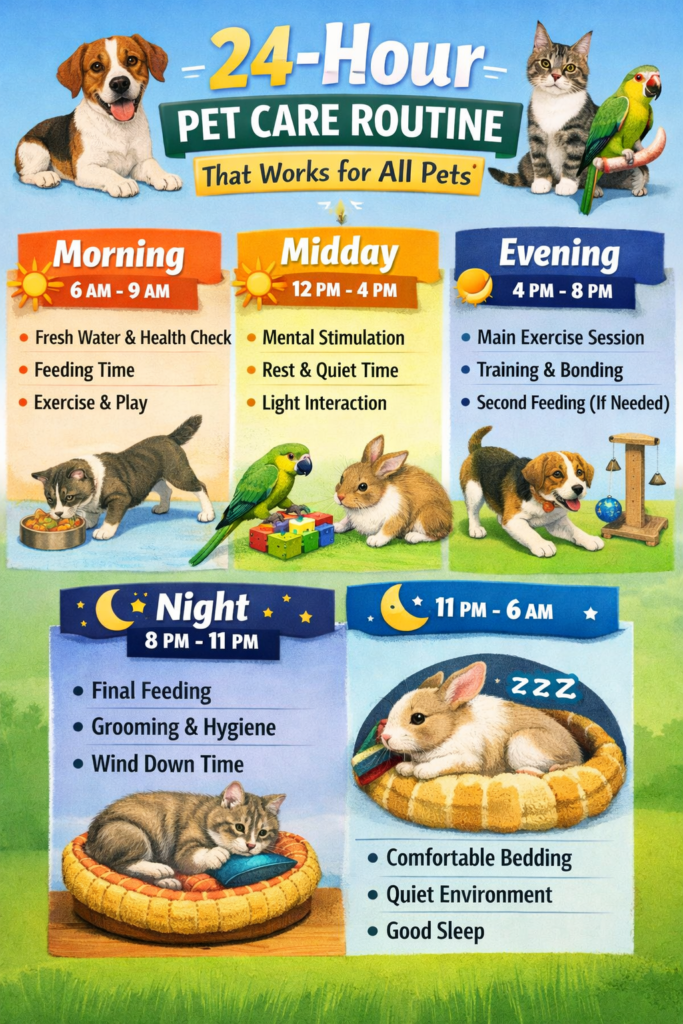
Why a 24-Hour Pet Care Routine Is Essential
Pets thrive on routine. When daily activities occur at the same time each day, pets feel safe, confident, and secure. A structured 24-Hour Pet Care routine supports physical health, mental stability, and emotional bonding. Alongside consistent feeding, playtime, and rest, tools like GPS Cat Trackers enhance 24-Hour Pet Care by helping owners monitor their pet’s movements and safety, providing peace of mind and ensuring cats stay protected at all times.
Benefits of Following a Daily Pet Care Routine
Reduces stress and anxiety
Improves digestion and appetite
Encourages better sleep
Prevents boredom and destructive behavior
Strengthens the bond between pet and owner
No matter the species, a 24-Hour Pet Care Routine is essential for all pets.
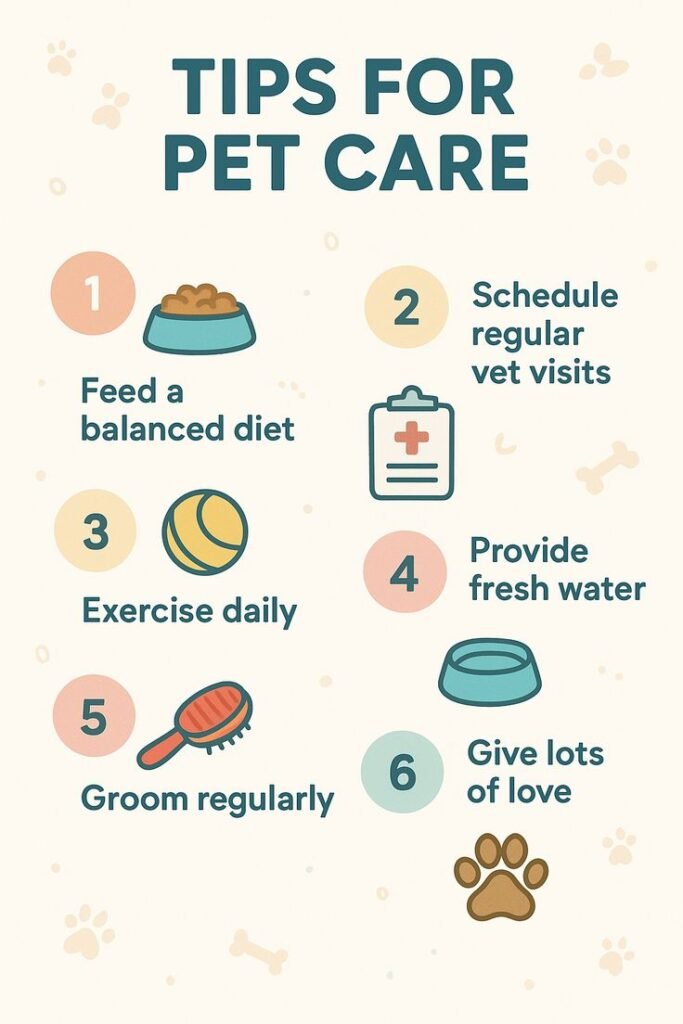
5 Preventative Pet Care Routine Tips
Regular Pet Check-Ups
Schedule routine veterinary visits to monitor vaccinations, dental health, and overall wellness. Integrating vet visits into your 24-Hour Pet Care Routine helps detect potential health issues before they become serious.Daily Observation of Behavior and Health
Check for changes in appetite, energy, or mood daily. Observing your pet closely allows you to adjust your daily pet care routine and prevent illness or stress-related behaviors.Maintain Clean Living Spaces
Clean cages, bedding, litter boxes, and feeding areas regularly. Hygiene is a critical part of a 24-Hour Pet Care Routine and helps prevent infections and parasites.Consistent Exercise and Mental Stimulation
Daily physical activity and mental enrichment prevent obesity and boredom. Include walks, play, training, or puzzle toys in your daily pet care routine to maintain a healthy, active lifestyle.

Morning Pet Care Routine (6:00 AM – 9:00 AM)
Fresh Water and Health Observation
Every 24-Hour Pet Care Routine begins with fresh water. Hydration supports digestion, energy, and overall health.
At the same time, check your pet’s condition:
Are their movements normal?
Are their eyes and ears clean?
Any unusual behavior?
Early observation is a key part of the 24-Hour Pet Care Routine.
Morning Feeding
Morning feeding gives pets the energy they need for the day. Feeding at consistent times helps maintain healthy digestion.
Tips:
Give species-appropriate food
Measure portions accurately
Avoid table scraps
Morning feeding is an important step in your 24-Hour Pet Care Routine.
Light Exercise and Movement
Morning activity helps pets wake up naturally and improves circulation.
Ideas:
Dogs: Walks or light play
Cats: Toy chasing, climbing, or interactive play
Birds: Wing stretching or flying sessions
Small pets: Supervised roaming or exercise wheels
Exercise is non-negotiable in a healthy 24-Hour Pet Care Routine.
Mid-Morning Routine (8:00 AM – 12:00 PM)
Mental Stimulation Activities
Mental health is as important as physical health. Bored pets may develop anxiety or destructive habits.
Ideas:
Puzzle feeders
Short training sessions
Environmental enrichment
Rotating toys
Mental stimulation is a crucial component of the 24-Hour Pet Care Routine.
Rest and Relaxation
After activity, pets need downtime. Most pets naturally nap during mid-morning.
Provide:
Quiet environment
Comfortable bedding
Safe sleeping spaces
Rest is just as vital as exercise in your daily pet care routine.
Afternoon Pet Care Routine (12:00 PM – 4:00 PM)
Light Interaction and Environment Care
Afternoons are perfect for gentle interaction and cleaning habitats.
Tips:
Clean cages or litter boxes
Refresh water bowls
Bond with pets through soft interaction
This ensures the 24-Hour Pet Care Routine stays consistent and stress-free.
Optional Midday Feeding
Some pets (puppies, kittens, senior pets, or birds) may need a second meal. Adjust meals to fit their needs and maintain a proper 24-Hour Pet Care Routine.
Grooming and Hygiene
Nighttime grooming keeps pets healthy and promotes bonding.
Examples:
Brushing fur or feathers
Checking nails, paws, and beaks
Cleaning cages or habitats
Regular grooming prevents infections and supports long-term health.
Grooming and Hygiene – Additional Tips
Brush Regularly According to Coat Type
Long-haired pets like cats and dogs need daily brushing, while short-haired pets may require brushing a few times a week. Regular brushing is an essential part of your 24-Hour Pet Care Routine to prevent matting, reduce shedding, and keep skin healthy.Check and Clean Ears and Eyes
Clean your pet’s ears and eyes regularly to prevent infections and discomfort. Birds and small mammals may need special attention for delicate ears and eye areas. Integrating this into your daily pet care routine ensures overall well-being.Trim Nails Safely
Keep nails trimmed to prevent pain, injury, or behavioral issues. Short, well-maintained nails are part of a balanced 24-Hour Pet Care Routine for pets of all sizes.Dental Care is Essential
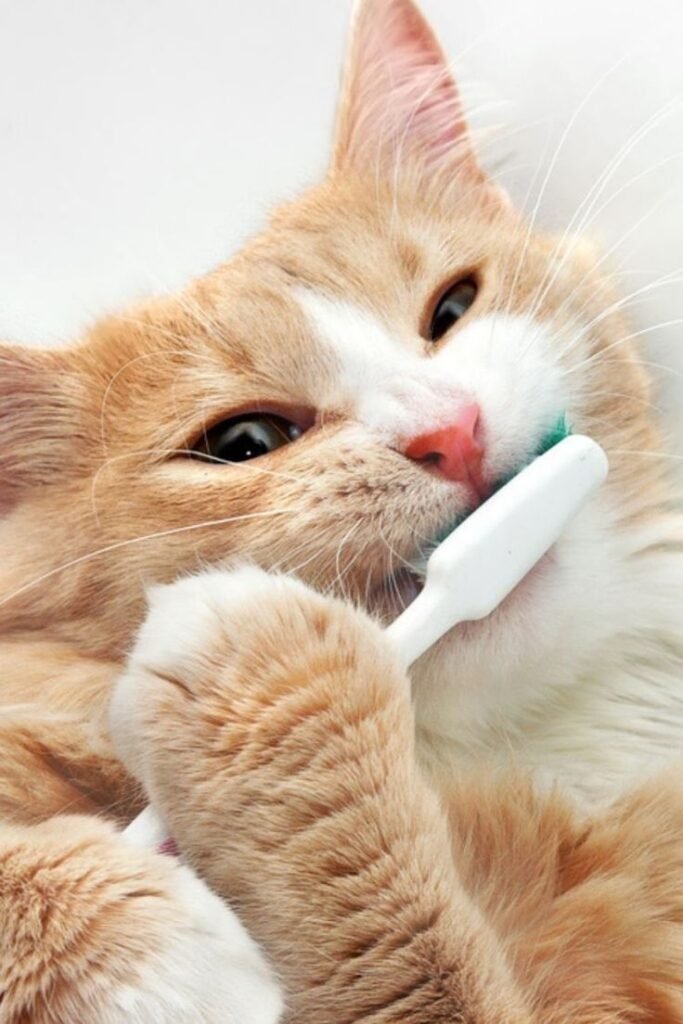
Brush your pet’s teeth or provide dental chews to prevent tartar, bad breath, and gum disease. Dental care is often overlooked but is a critical step in any daily pet care routine.
Evening Pet Care Routine (4:00 PM – 8:00 PM)
Main Exercise Session
Evening is usually the most active time for pets. Extended playtime or walks help burn off excess energy and improve mood.
Benefits:
Reduces nighttime restlessness
Improves overall fitness
Strengthens bonds with the owner
Even indoor pets benefit from a structured daily pet care routine in the evening.
Training and Social Bonding
Training keeps pets mentally sharp and helps reinforce good behavior.
Ideas include:
Basic commands
Trick training
Handling and socialization exercises
Social bonding during the evening is a key part of a complete 24-Hour Pet Care Routine.
Night-Time Pet Care Routine (8:00 PM – 11:00 PM)
Final Feeding of the Day
Serve a light dinner at a consistent time.
Tips:
Avoid heavy meals late at night
Remove leftover food
Clean feeding areas
A consistent night feeding strengthens your 24-Hour Pet Care Routine.
Sleep Routine (11:00 PM – 6:00 AM)
Creating a Calm Sleep Environment
Sleep is essential for healing, growth, and energy restoration.
Ensure:
Comfortable bedding
Quiet surroundings
Proper temperature
A peaceful sleep environment completes a successful 24-Hour Pet Care Routine.
Weekly Additions to the Routine
Weekly care tasks enhance your daily pet care routine:
Deep cleaning of habitats or cages
Nail trimming
Monitoring weight and overall health
Extra bonding or training sessions
These weekly additions ensure pets stay healthy and engaged.
Overnight Care (11:00 PM – 6:00 AM)
Most pets sleep during this time.
Ensure:
Fresh water available
Safe enclosure
No hazards
Avoid disturbing your pet unless necessary.
Tips to Customize This Routine for Any Pet
Adjust feeding based on species and age
Modify exercise levels
Observe behavior changes
Keep a routine consistent
Even with adjustments, the foundation of a 24-hour pet care routine remains the same.
Additional Pet Care Tips
Rotate Toys and Enrichment Items
Keep your pets mentally stimulated by rotating their toys or enrichment items regularly. This prevents boredom and encourages natural behaviors like hunting, climbing, or problem-solving, which are important parts of a daily pet care routine.Maintain Regular Vet Check-Ups
Schedule routine veterinary visits for vaccinations, dental care, and overall health monitoring. Regular check-ups ensure your 24-Hour Pet Care Routine stays effective and helps detect health issues early.Provide Social Interaction
Pets need attention and companionship. Spend time talking, playing, or training to strengthen the bond with your pets. Social interaction reduces anxiety and complements every aspect of your 24-Hour Pet Care Routine.Provide Proper Temperature and Lighting
Ensure your pet’s environment is comfortable with proper temperature and lighting. Birds, reptiles, and small mammals are especially sensitive to heat and light. A controlled environment is an important part of a healthy 24-Hour Pet Care Routine
Common Mistakes to Avoid
Inconsistent feeding times
Skipping mental stimulation
Overfeeding treats
Neglecting exercise
Lack of routine consistency
Avoiding these mistakes keeps your 24-Hour Pet Care Routine effective and reliable.
Final Thoughts
Creating a 24-hour pet care routine that works for all pets is not just about feeding and exercise—it’s about providing a balanced, consistent, and loving environment for your pet. A well-structured daily schedule ensures that pets receive proper nutrition, mental stimulation, physical activity, grooming, and rest. This consistency reduces stress, prevents behavioral problems, and promotes overall health and happiness.
No matter the species—whether you have a dog, cat, bird, rabbit, fish, or reptile—the key is adaptation. While the principles of feeding, exercise, grooming, and bonding remain universal, the specifics may vary based on your pet’s age, breed, and lifestyle. Observing your pet’s unique behaviors, preferences, and health needs allows you to fine-tune the routine for maximum benefit
FAQ: 24-Hour Pet Care Routine
1. What is a 24-Hour Pet Care Routine?
A 24-Hour Pet Care Routine is a structured schedule that outlines feeding, exercise, mental stimulation, grooming, and sleep for your pet throughout the day. It ensures pets remain healthy, happy, and stress-free. This routine works for all types of pets including dogs, cats, birds, rabbits, and small animals.
2. Why is following a 24-Hour Pet Care Routine important?
Pets thrive on consistency. Following a daily pet care routine reduces stress, prevents behavioral issues, improves digestion, and strengthens the bond between you and your pet. A predictable schedule also helps detect health problems early.
3. How often should I feed my pet in a 24-Hour Pet Care Routine?
Feeding frequency depends on the type and age of your pet:
Dogs & Cats: Usually 2 meals per day (morning and evening)
Puppies & Kittens: 3–4 small meals daily
Birds & Small Pets: Fresh food multiple times a day
Including proper feeding times is a key part of your 24-Hour Pet Care Routine.
4. What type of exercise should I include in my pet’s routine?
Exercise varies by species:
Dogs: Walks, fetch, or agility games
Cats: Indoor play, climbing, and chasing toys
Birds: Wing stretching and supervised flying
Rabbits & Small Pets: Safe enclosure exercise or tunnels
Regular activity prevents obesity and supports mental and physical health.
5. How can I mentally stimulate my pet?
Mental stimulation is crucial in a 24-Hour Pet Care Routine. Ideas include:
Puzzle feeders and treat toys
Short training sessions
New toys or rotating existing ones
Environmental enrichment, such as hiding treats or changing play setups
A stimulated pet is less likely to develop destructive habits.
6. What is the best grooming routine for pets?
Grooming needs vary by species:
Dogs & Cats: Brushing fur, checking nails and ears
Birds: Feather maintenance and beak check
Small Pets: Cleaning cages, bedding, and hygiene checks
Including grooming in your 24-Hour Pet Care Routine prevents infections and strengthens bonding.
7. How much sleep does my pet need?
Sleep requirements differ among pets:
Dogs: 12–14 hours per day
Cats: 12–16 hours per day
Birds: 8–12 hours per night
Rabbits & Small Pets: 8–10 hours per night, with daytime naps
Providing a calm and quiet sleeping environment ensures your daily pet care routine is complete.
8. How often should I adjust my 24-Hour Pet Care Routine?
While daily routines remain consistent, weekly adjustments may include:
Deep cleaning cages or habitats
Nail trimming
Weight checks
Additional bonding or training sessions
Flexibility helps your 24-Hour Pet Care Routine adapt to your pet’s changing needs.
9. Can this 24-Hour Pet Care Routine work for multiple pets?
Yes! A well-structured routine can accommodate multiple pets. The key is to schedule feeding, exercise, and play in a way that each pet gets attention and their individual needs are met. Using the 24-Hour Pet Care Routine ensures harmony and reduces stress in multi-pet households.
10. What are common mistakes to avoid in a 24-Hour Pet Care Routine?
Skipping meals or feeding at irregular times
Ignoring mental stimulation or play
Overfeeding treats
Neglecting grooming or hygiene
Not maintaining consistency in daily routines
Avoiding these mistakes keeps your daily pet care routine effective and ensures pets remain healthy and happy.