
Fish Health Guide 2026
Fish Health Guide 2026: Expert Aquarium Care Tips for Healthy, Happy Fish
Learn expert tips in our Fish Health Guide 2026 to keep your aquarium fish healthy, happy, and disease-free with proper nutrition, water care, and tank maintenance.
Introduction
“Welcome to our Fish Health Guide 2026, your ultimate resource for keeping aquarium fish healthy and vibrant.”
Keeping fish is one of the most peaceful and rewarding hobbies. A beautiful aquarium with colorful, active fish adds calm and elegance to any home. But keeping those fish healthy and happy takes knowledge, attention, and consistency.
This 2026 Fish Health Guide and Fish Behaviour Guide will teach you everything you need to know about fish care, disease prevention, aquarium maintenance, and understanding fish behavior, so your underwater friends live long, stress-free lives.
1. “Water Quality Tips from the Fish Health Guide 2026”
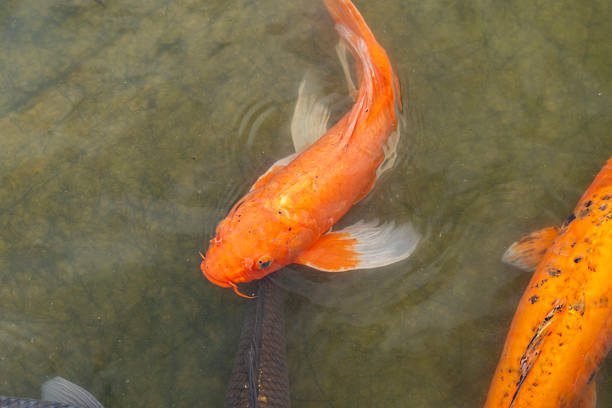
Clean, balanced water is the number one key to fish health. Poor water quality leads to stress, diseases, and even death.
Important Water Parameters:
pH Level: Keep between 6.5 and 7.5 for most freshwater fish.
Temperature: Tropical fish thrive at 24–28°C, while goldfish prefer 18–22°C.
Ammonia & Nitrite: Both must be 0 ppm (toxic even in small amounts).
Nitrate: Keep below 40 ppm with weekly water changes.
Oxygen Levels: Ensure proper aeration and water movement.
Pro Tip: Use a water testing kit weekly and change 20–25% of the tank water regularly. This keeps your aquarium clean and stable.
2. “Feeding Practices for Healthy Fish – Part of our Fish Health Guide 2026”
Feeding your fish the right diet ensures strong immunity and vibrant colors. Overfeeding is a common mistake that causes pollution and health issues.
Feeding Tips:
Feed small amounts your fish can finish in 2–3 minutes.
Offer a variety of foods — flakes, pellets, live food, and vegetables.
Feed once or twice daily, depending on the fish type.
A balanced diet keeps your fish active, reduces stress, and improves disease resistance.
Bonus Tip: Add vitamins or natural color enhancers to your fish food once a week for extra health benefits.
3. Tank Maintenance and Cleaning
A clean tank means a healthy aquarium. Dirt, leftover food, and algae can cause harmful bacteria to grow.
Weekly Tank Care Checklist:
Vacuum gravel to remove waste.
Wipe down glass and decorations.
Rinse the filter using tank water (never tap water).
Avoid chemical cleaners — use aquarium-safe tools only.
💧 Regular maintenance prevents fish diseases like fin rot, ich, and bacterial infections.
A clean tank means a healthy aquarium. Dirt, leftover food, and algae can cause harmful bacteria to grow.
Weekly Tank Care Checklist:
Vacuum gravel to remove waste.
Wipe down glass and decorations.
Rinse the filter using tank water (never tap water).
Avoid chemical cleaners — use aquarium-safe tools only.
Regular maintenance prevents fish diseases like fin rot, ich, and bacterial infections.
4. Common Fish Diseases and Their Treatments
Even the healthiest aquariums can face occasional fish diseases. Recognizing symptoms early is the best way to protect your tank.
Signs of Fish Illness:
White spots or fuzzy patches on skin
Lethargy or hiding behavior
Gasping at surface
Torn fins or bloating
Loss of appetite
Common Diseases:
Ich (White Spot Disease)
Cause: Parasite infection
Treatment: Raise temperature slightly and add aquarium salt or Ich medication.
Fin Rot
Cause: Poor water quality, bacteria
Treatment: Clean the tank and use antibacterial treatment.
Fungal Infections
Symptoms: Cotton-like growth
Treatment: Apply antifungal medication and isolate infected fish.
Swim Bladder Disorder
Cause: Overfeeding or constipation
Treatment: Fast for 24 hours, then feed a peeled boiled pea.
Always quarantine new fish for at least two weeks before adding them to your main aquarium.
5. Stress Management – The Hidden Factor in Fish Health
Stress is one of the biggest enemies of fish. It weakens the immune system and makes fish vulnerable to diseases.
Ways to Reduce Stress:
Keep a stable environment – avoid sudden changes in temperature or lighting.
Choose compatible tank mates to prevent fighting.
Provide plants, rocks, or decorations for hiding and comfort.
Avoid loud noises or frequent tapping on the glass.
A calm environment helps your fish feel safe and stay healthy.
6. Advanced Fish Care Tips for 2026
Use live plants: They clean water and produce oxygen.
Avoid overcrowding: Each fish needs enough swimming space.
Check filters regularly: Replace or clean them monthly.
Keep consistent lighting: 8–10 hours of light daily.
Observe daily: Early detection of problems prevents disease outbreaks.
Conclusion – Healthy Fish, Happy Aquarium
“By following our Fish Health Guide 2026, you can enjoy a stress-free aquarium full of happy, healthy fish.”
Good fish health starts with consistency — clean water, balanced food, and daily observation. Your aquarium is a small ecosystem, and every element matters.
By following these tips, you can enjoy a stunning aquarium full of vibrant, healthy, and happy fish all year long.
A little care every day keeps your aquatic pets stress-free and your aquarium sparkling!
FAQs – Fish Health Guide 2026
1. How often should I change my aquarium water?
Change 20–25% of the tank water weekly to maintain clean, healthy water for your fish and prevent diseases.
2. What is the best diet for aquarium fish?
Feed a variety of foods including flakes, pellets, live food, and vegetables. Offer small portions 1–2 times daily to avoid overfeeding.
3. How can I prevent common fish diseases?
Maintain clean water, proper nutrition, and regular tank maintenance. Quarantine new fish for 2 weeks before adding them to your main aquarium.
4. What are the signs that my fish is stressed or sick?
Look for lethargy, loss of appetite, torn fins, white spots, or gasping at the surface. Early detection is key to effective treatment.
5. Can live plants help my fish stay healthy?
Yes! Live plants improve water quality, produce oxygen, and provide hiding spots, reducing stress and promoting healthy fish.
6. How do I treat fin rot or ich?
Fin rot: Improve water quality and use antibacterial treatment.
Ich (white spot disease): Raise temperature slightly and add aquarium salt or ich medication.
Muntaha Farid is a passionate pet care writer specializing in dog behavior, pet health, and practical pet parenting tips. At PetNatureHub, she creates informative guides that help pet owners understand their pets’ needs, including nutrition, training, and daily care. Her mission is to make pet care simple, reliable, and accessible for every pet lover.
Pingback: Ultimate Fish Behaviour Guide: Master Aquarium & Wild Fish Behavior