
Fish Nutrition Guide: Best Diet & Feeding Tips for Aquarium Fish
Looking for a complete fish nutrition guide? Learn the best feeding tips, diet plans, and schedules to keep your aquarium fish healthy and vibrant
Introduction
“Welcome to the Fish Nutrition Guide 2025, your ultimate resource for keeping aquarium fish healthy, colorful, and active.”
Just like humans, fish need a balanced diet to stay healthy, active, and beautiful. Feeding your fish properly is one of the most important aspects of aquarium care. A good diet improves immunity, supports growth, enhances color, and keeps the water clean by reducing waste.
This detailed guide on fish nutrition will help you understand what to feed, how often to feed, and how to choose the right type of food for your aquarium fish in 2025.
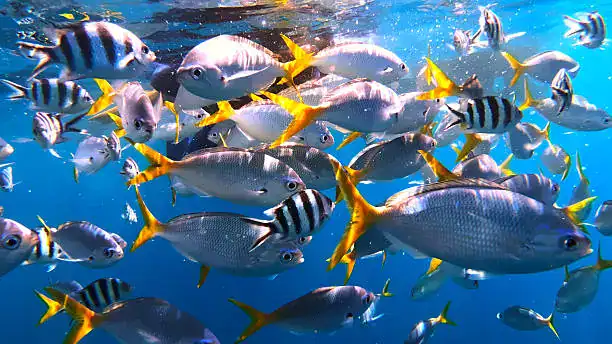
Why a Proper Fish Nutrition Guide Is Important
A well-structured fish nutrition guide is essential for maintaining the long-term health of your aquarium fish. Many beginners assume feeding fish is simple, but improper nutrition is one of the leading causes of disease, stress, and poor water quality.
Following a proper fish nutrition guide helps ensure your fish receive the right balance of protein, fats, vitamins, and minerals. It also reduces waste in the tank, keeping water parameters stable and safe. Healthy nutrition directly impacts fish behavior, color vibrancy, immune strength, and lifespan.
By understanding and applying the principles of a reliable fish nutrition guide, you can prevent common issues like overfeeding, nutrient deficiencies, and poor digestion.
How to Choose the Right Food for Your Fish
Choosing the correct food is a critical part of any fish nutrition guide. Not all fish eat the same type of food, and feeding the wrong kind can lead to health issues.
Factors to consider:
Fish species: Herbivore, carnivore, or omnivore
Size of fish: Small fish need smaller food particles
Feeding level: Surface, mid-level, or bottom feeders
Tank type: Community tank or species-specific
Always select high-quality food with natural ingredients. Avoid products that list fillers like wheat or corn as primary ingredients.
1. Understanding Fish Nutrition
Every fish species has different nutritional needs depending on its environment, size, and type. In general, fish require the following nutrients for proper health:
Essential Nutrients for Fish:
Proteins: Build muscles and promote growth.
Fats: Provide energy and support cell function.
Carbohydrates: Supply quick energy (needed in small amounts).
Vitamins & Minerals: Strengthen bones, improve immunity, and enhance color.
Fiber: Helps with digestion and prevents bloating.
Pro Tip: Always check the ingredients on fish food packaging quality foods list fish meal or shrimp meal as the main ingredient, not fillers like wheat or soy.
2. “Types of Fish Food in the Fish Nutrition Guide 2025”
Different fish species eat different kinds of food. Understanding whether your fish are herbivores, carnivores, or omnivores will help you choose the right food type.
1. Herbivorous Fish
Examples: Plecos, Mollies, some Cichlids
Eat plants, algae, and vegetables.
Require a high-fiber, low-protein diet.
Feed blanched vegetables (spinach, peas, cucumber) along with spirulina flakes.
2. Carnivorous Fish
Examples: Bettas, Oscars, Arowanas
Eat meat-based food like worms, shrimp, or insects.
Need high-protein food (40–50%).
Offer bloodworms, brine shrimp, or high-quality protein pellets.
3. Omnivorous Fish
Examples: Guppies, Goldfish, Tetras
Eat a mix of plants and protein.
Can thrive on balanced flakes, pellets, and occasional live or frozen food.
Tip: Mixing food types mimics their natural diet and keeps your fish active and healthy.
3. Types of Fish Food
There are several kinds of fish food available, and choosing the right one depends on your tank setup and fish species.
1. Flake Food:
Best for small and surface-feeding fish like guppies and tetras.
Easy to digest and contains balanced nutrients.
2. Pellets:
Ideal for larger fish like goldfish, cichlids, and koi.
Available as floating or sinking types.
Provide a concentrated source of nutrition.
3. Live and Frozen Food:
Includes bloodworms, brine shrimp, daphnia, or mosquito larvae.
Excellent for carnivorous species; boosts protein intake and natural behavior.
4. Vegetable-Based Food:
Great for herbivorous species.
Can include spirulina flakes, seaweed sheets, or blanched vegetables.
5. Supplementary Food:
Add vitamins or color-enhancing supplements occasionally to boost health and brightness.
4. Feeding Schedule and Quantity
Overfeeding is one of the most common mistakes in fish keeping. Uneaten food pollutes the water and causes ammonia buildup, which harms fish.
Feeding Rules:
Feed your fish only what they can eat in 2–3 minutes.
Offer 1–2 small meals per day.
Skip feeding one day per week to let their digestion reset.
Remove uneaten food after feeding time.
Pro Tip: Observe your fish active swimming and fast eating indicate good health. Slow or disinterested fish may be sick or stressed.
5. The Connection Between Diet and Fish Health
A proper diet not only fuels growth but also protects fish from diseases and stress.
Benefits of a Balanced Diet:
Boosts immunity and disease resistance
Promotes vibrant colors
Improves energy and lifespan
Keeps the water cleaner and clearer
Deficiencies in nutrients can lead to problems like fin rot, loss of color, or slow growth.
Example: Vitamin C deficiency can cause weak bones and poor fin structure.
6. Natural Feeding Tips for a Healthy Aquarium
Want to make your aquarium more natural and self-sustaining? Try these:
Add live plants they provide grazing areas for herbivores.
Feed live insects occasionally to mimic natural hunting.
Rotate between flake, pellet, and live food for balance.
Avoid overuse of color-enhancing foods too much can cause stress.
7. Common Mistakes in Fish Feeding
Avoid These Errors:
Overfeeding or feeding too often.
Using expired or low-quality food.
Ignoring species-specific diets.
Not varying the food type.
Feeding during tank cleaning or medication treatments.
Small adjustments in feeding habits can greatly improve fish health and water clarity.
Daily Feeding Routine for Aquarium Fish
A consistent feeding routine is key in any fish nutrition guide.
Ideal routine:
Feed at the same time every day
Provide small portions
Observe fish during feeding
Remove uneaten food
Consistency helps fish develop a healthy metabolism and reduces stress.
Special Nutrition Needs for Different Fish Types
Different fish have unique dietary requirements.
Tropical Fish
Require a balanced diet with both protein and plant matter.
Goldfish
Need low-protein, high-fiber diets to prevent digestive issues.
Betta Fish
Require high-protein diets with insects or protein pellets.
Bottom Feeders
Need sinking pellets and algae wafers.
A good fish nutrition guide always considers species-specific needs.
Homemade Fish Food Recipes
You can create natural fish food at home as part of your fish nutrition guide.
Simple recipe:
Boiled spinach
Peas (mashed)
Fish or shrimp
Gelatin (binding agent)
Blend and freeze into small cubes.
Homemade food ensures freshness and avoids artificial additives.
Signs of Proper Nutrition in Fish
Healthy fish show clear signs of proper feeding:
Bright, vibrant colors
Active swimming behavior
Strong appetite
Smooth scales and fins
These indicators confirm that your fish nutrition guide is working effectively.
Conclusion
A proper fish nutrition guide is the foundation of a healthy and thriving aquarium. By choosing the right food, maintaining a consistent feeding schedule, and understanding your fish’s unique needs, you can significantly improve their health and longevity.
Healthy fish are active, colorful, and stress-free. With the right approach to nutrition, your aquarium will not only look beautiful but also become a stable and balanced ecosystem.
FAQs Fish Nutrition Guide 2025
1. What is the best diet for aquarium fish?
A balanced diet depends on the species: herbivorous fish need plant-based foods, carnivorous fish require protein-rich food, and omnivorous fish thrive on a mix of both. Follow the Fish Nutrition Guide 2025 for detailed recommendations.
2. How often should I feed my aquarium fish?
Feed your fish 1–2 small meals per day. Skip one day weekly to allow their digestion to reset. Overfeeding can pollute the water and harm fish health.
3. Can I feed my fish only flakes or pellets?
While flakes and pellets provide essential nutrients, it’s best to vary the diet with live, frozen, or vegetable-based foods to mimic a natural diet and enhance color and vitality.
4. How can I naturally enhance my fish’s color?
Include color-enhancing vegetables, high-quality flakes or pellets with natural pigments, and occasional live or frozen foods. Avoid overuse of artificial color boosters.
5. What are the common mistakes in feeding aquarium fish?
Overfeeding, feeding low-quality or expired food, ignoring species-specific diets, and not varying food types are common errors. Following the Fish Nutrition Guide 2025 can help avoid these mistakes.
6. How does diet affect fish health?
A balanced diet boosts immunity, promotes vibrant colors, improves energy, and prevents common diseases like fin rot or slow growth.
7. Can live plants in the aquarium help with nutrition?
Yes! Live plants provide grazing opportunities for herbivores, improve water quality, and create a more natural environment for all fish.
Muntaha Farid is a passionate pet care writer specializing in dog behavior, pet health, and practical pet parenting tips. At PetNatureHub, she creates informative guides that help pet owners understand their pets’ needs, including nutrition, training, and daily care. Her mission is to make pet care simple, reliable, and accessible for every pet lover.
Pingback: Raw vs Processed Pet Food: Healthy Benefits & Hidden Dangers (2025)