
Ultimate Fish Behaviour Guide: Master Aquarium & Wild Fish Behavior
Learn fish behavior with this complete fish behaviour guide. Understand aquarium & wild fish habits, stress signs, feeding, breeding, and care tips.
Introduction
Fish behavior is a fascinating subject that helps fish owners, aquarists, and marine enthusiasts better understand the health, emotions, and needs of aquatic life. This fish behaviour guide is designed to explain how fish communicate, socialize, feed, and respond to their environment. Whether you keep aquarium fish or observe fish in the wild, understanding their behavior improves care, reduces stress, and promotes longevity. In addition, this Fish Health Guide provides essential tips to maintain your fish’s well-being and prevent common health issues.
In this comprehensive fish behaviour guide, we will explore common behavioral patterns, stress signals, feeding habits, breeding behavior, and how environmental factors influence fish activity.
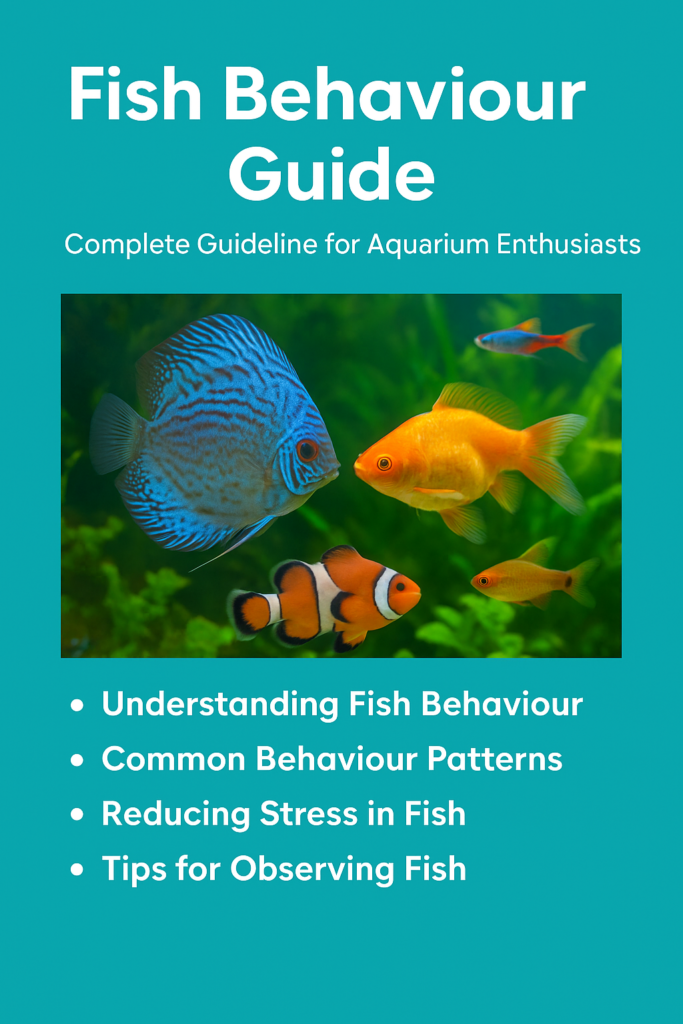
What Is Fish Behavior?
Fish behavior refers to the actions and reactions of fish in response to internal and external stimuli. These behaviors include swimming patterns, feeding habits, social interaction, aggression, hiding, and breeding rituals. A well-researched fish behaviour guide helps identify normal versus abnormal behavior.
Fish rely on instincts developed over millions of years. Even in aquariums, many natural behaviors remain unchanged, making observation a powerful tool for fish care.
Why Understanding Fish Behavior Is Important
Understanding fish behavior is essential for:
Detecting illness early
Preventing aggression and stress
Creating a suitable habitat
Improving breeding success
Enhancing fish welfare
This fish behaviour guide helps aquarists avoid common mistakes that lead to poor fish health and unnecessary losses.
Common Fish Behavior Patterns
1. Swimming Behavior
Healthy fish swim smoothly and confidently. Erratic swimming, floating, or sinking may indicate stress or disease. According to this fish behaviour guide, abnormal swimming is often the first warning sign of health issues.
Normal swimming behaviors include:
Schooling in groups
Exploring territory
Resting near plants or rocks
2. Schooling and Shoaling
Many fish species naturally swim in groups. Schooling provides protection from predators and improves foraging efficiency. This fish behaviour guide highlights that keeping schooling fish alone can cause anxiety and weakened immunity.
Examples of schooling fish:
Tetras
Rasboras
3. Aggressive Behavior
Aggression in fish can occur due to territorial disputes, mating competition, or overcrowding. This fish behaviour guide emphasizes the importance of tank size and compatible species.
Signs of aggression include:
Chasing
Fin nipping
Biting
Feeding Behavior in Fish
Feeding behavior reveals a lot about fish health. Healthy fish eagerly approach food and eat consistently. According to this fish behaviour guide, loss of appetite often signals stress, poor water quality, or illness.
Types of feeding behavior:
Surface feeders
Mid-water feeders
Bottom dwellers
Understanding feeding zones helps prevent competition and malnutrition.
Breeding and Mating Behavior
Fish breeding behavior varies widely among species. Some lay eggs, while others give live birth. This fish behaviour guide explains that breeding behavior often includes:
Color changes
Nest building
Increased aggression
Courtship displays
Providing correct temperature, lighting, and hiding spaces encourages successful breeding.
Stress-Related Fish Behavior
Stress is a major cause of illness in fish. This fish behaviour guide identifies common stress indicators:
Hiding excessively
Rapid gill movement
Loss of color
Refusal to eat
Causes of stress include:
Poor water quality
Sudden temperature changes
Overcrowding
Loud vibrations
Communication and Social Interaction
Fish communicate through body language, color changes, and movement patterns. This fish behaviour guide explains that subtle movements often signal dominance or submission.
Social behaviors include:
Establishing hierarchy
Cooperative hunting
Parental care
Understanding these behaviors helps prevent conflicts in community tanks.
Nocturnal vs Diurnal Fish Behavior
Some fish are active during the day, while others are nocturnal. This fish behaviour guide advises aquarists to match tank mates with similar activity cycles.
Nocturnal fish include:
Catfish
Loaches
Diurnal fish include:
Guppies
Angelfish
Environmental Impact on Fish Behavior
The environment plays a critical role in shaping how fish behave, eat, grow, and interact. According to this fish behaviour guide, even small changes in surroundings can cause noticeable behavioral shifts. A stable, well-maintained environment encourages natural behavior, while poor conditions often lead to stress and illness.
Key environmental factors include:
Water Temperature: Fish are cold-blooded, meaning their body temperature depends entirely on the water. Sudden temperature changes can cause shock, lethargy, loss of appetite, or weakened immunity. Each species has an ideal temperature range that must be maintained consistently.
pH Levels: Incorrect pH disrupts normal metabolic processes. When pH is too high or too low, fish may become irritable, stressed, or inactive. Long-term imbalance can damage gills and internal organs.
Lighting: Proper lighting regulates fish activity cycles, feeding behavior, and breeding patterns. Excessive light can increase stress and algae growth, while insufficient light may cause dull coloration and reduced activity.
Tank Décor and Layout: Decorations, plants, rocks, and hiding spaces directly influence fish confidence and social behavior. This fish behaviour guide emphasizes that a bare tank can cause anxiety, while overcrowded décor may trigger territorial aggression.
Water Quality: Ammonia, nitrite, and nitrate levels have a direct impact on fish behavior. Poor water quality often results in gasping, flashing, clamped fins, and weakened immune response.
When environmental conditions are not suitable, fish may display lethargy, unusual aggression, hiding behavior, or increased susceptibility to disease. Maintaining a balanced environment, as recommended in this fish behaviour guide, is essential for healthy and natural fish behavior.
Abnormal Fish Behavior and What It Means
Unusual or sudden changes in fish behavior often indicate underlying health problems or environmental stress. According to this fish behaviour guide, observing abnormal behavior early can prevent serious illness and even death.
Common warning signs include:
Gasping at the surface: This usually points to low oxygen levels, poor water quality, or gill-related diseases. It may also occur when ammonia or nitrite levels are dangerously high.
Rubbing or scraping against objects: Known as flashing, this behavior often signals external parasites, skin irritation, or fungal infections.
Isolating from the group: Social fish that suddenly separate themselves may be stressed, injured, or suffering from internal illness.
Erratic or jerky swimming: Sudden darting, spinning, or loss of balance can indicate neurological issues, toxins in the water, or swim bladder disorders.
Loss of color or faded appearance: Color changes often occur due to stress, illness, or improper water parameters.
Prompt action is critical. Test water conditions immediately, observe other tank mates for similar symptoms, and consult a fish health professional if behavior does not improve. Early intervention, guided by a reliable fish behaviour guide, can save fish lives and restore a healthy aquarium environment.
How to Reduce Stress in Aquarium Fish
Stress is a major cause of illness and abnormal behaviour. This Fish Behaviour Guide recommends the following strategies:
Maintain clean, filtered water. Regular water changes prevent the accumulation of toxins.
Keep consistent water temperature suitable for your fish species.
Provide hiding spots like plants, rocks, or caves.
Avoid overcrowding and ensure adequate swimming space.
Feed a balanced diet with high-quality natural foods, including flakes, pellets, and live or frozen options.
Monitor tank mates carefully to prevent aggression or stress-induced injury.
Fish Emotional Signals
Even though fish do not feel emotions like humans, the Fish Behaviour Guide explains how to interpret their comfort and stress:
Curiosity and Exploration: Indicate secure, happy fish
Hiding or Erratic Movements: Suggest fear or stress
Interaction with Owners: Some fish recognize feeding routines and human presence, as noted in the Fish Behaviour Guide
Advanced Fish Behaviour Insights
Aggression & Territoriality: The Fish Behaviour Guide explains how to manage aggressive species and prevent fights.
Breeding Behaviour: Courtship, colour changes, and chasing behaviour are detailed in the Fish Behaviour Guide for successful breeding.
Play & Exploration: Enrichment encourages natural behaviour, as emphasized in the Fish Behaviour Guide.
Tips for Observing Fish Behaviour
The Fish Behaviour Guide recommends:
Spend 10–15 minutes daily observing your fish
Track swimming, feeding, colour, and social behaviour
Maintain a log for long-term monitoring
Adjust tank conditions based on the Fish Behaviour Guide
Conclusion
Understanding fish behavior is essential for responsible fish care. This fish behaviour guide provides valuable insights into how fish think, interact, and respond to their environment. By observing behavior closely and maintaining proper conditions, fish owners can ensure healthier, happier aquatic pets.
A well-informed aquarist who follows a reliable fish behaviour guide can prevent disease, reduce stress, and enjoy the natural beauty of fish behavior for years to come.
FAQs
1. How can I tell if my fish is healthy?
Healthy fish show a combination of active behavior, consistent appetite, and vibrant appearance. They swim freely, explore their environment, and interact naturally with tank mates, while lethargy, staying at the bottom, or floating at the surface may indicate stress or illness. Appetite is a key indicator; eager feeding suggests health, whereas sudden loss of appetite or difficulty eating could signal disease. Bright coloration, smooth scales, intact fins, and rhythmic gill movement further confirm well-being, allowing aquarists to detect early warning signs and maintain a thriving aquarium.
2. What causes stress in aquarium fish?
Stress in fish arises from poor water quality, overcrowding, incompatible tank mates, and environmental changes such as sudden temperature shifts, strong currents, or excessive light and noise. Stressed fish may hide excessively, lose appetite, or swim erratically, which weakens their immune system and increases susceptibility to disease. Preventing stress involves stable water conditions, proper filtration, sufficient hiding spots, compatible species, and regular observation, ensuring a safe and comfortable environment for all fish.
3. Why do some fish hide more than others?
Hiding is a natural survival instinct for many fish, especially shy species like Bettas or Angelfish and nocturnal fish that are active at night. Newly introduced fish often hide while acclimating and assessing tank mates. Excessive hiding combined with poor appetite or lethargy may indicate stress, illness, or aggression from other fish. Providing adequate shelters like plants, caves, and decorations ensures security and encourages normal swimming, feeding, and social behaviors.
4. How do fish communicate with each other?
Fish communicate through body language, color changes, sounds, and chemical signals. Fin displays, posturing, and swimming patterns indicate dominance, submission, or mating intentions, while color changes often reflect mood or health. Some species use vibrations or sounds to warn others, and pheromones signal reproductive readiness or stress. Observing these cues helps aquarists understand social dynamics, reduce aggression, and maintain a harmonious tank environment.
5. What does it mean when a fish swims erratically?
Erratic swimming, such as darting, spinning, or floating irregularly, often signals stress, illness, or environmental issues like poor water quality, parasites, or sudden temperature changes. It may also indicate strong currents, overcrowding, or weakened health. Observing erratic behavior along with color changes, fin damage, or appetite loss helps identify the root cause, allowing timely corrective measures to restore fish health and prevent further stress.
Muntaha Farid is a passionate pet care writer specializing in dog behavior, pet health, and practical pet parenting tips. At PetNatureHub, she creates informative guides that help pet owners understand their pets’ needs, including nutrition, training, and daily care. Her mission is to make pet care simple, reliable, and accessible for every pet lover.
Pingback: Fish Health Guide 2025: Expert Aquarium Care Tips for Healthy, Happy Fish