
Feline Upper Respiratory Infection (URI): Causes, Symptoms & Effective Treatment Guide
Learn about Feline Upper Respiratory Infections (URIs) in cats — discover symptoms, causes, prevention tips, and effective treatments to keep your cat healthy and happy.
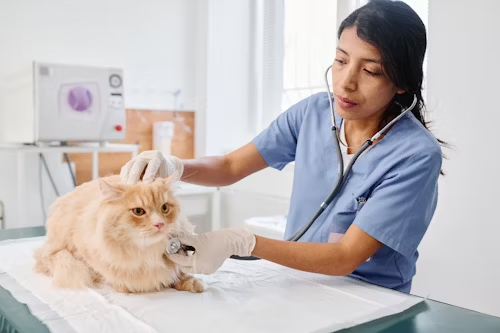
What Is a Feline Upper Respiratory Infection (URI)?
A Feline Upper Respiratory Infection (URI) is one of the most common illnesses in cats today. Similar to the human common cold, it affects a cat’s nose, throat, and sinuses, making breathing and eating difficult. Although often mild, URIs can become serious if not treated promptly — especially in kittens, senior cats, or those with weak immune systems.
Causes of Cat URIs
URIs are usually caused by viral or bacterial infections. The most common pathogens include:
Feline Herpesvirus (FHV-1) — causes sneezing, watery eyes, and chronic eye infections
Feline Calicivirus (FCV) — can lead to mouth ulcers and drooling
Chlamydia felis and Bordetella bronchiseptica — bacterial causes that worsen symptoms
These viruses spread through sneezing, grooming, sharing food bowls, or close contact with infected cats — especially in shelters, catteries, or multi-cat homes.
Symptoms of a Feline Upper Respiratory Infection
Watch for the following signs if your cat seems unwell:
Sneezing and coughing
Runny nose or nasal discharge
Watery or red eyes
Loss of appetite
Fever or lethargy
Mouth ulcers (in severe cases)
Congestion or noisy breathing
If your cat shows persistent symptoms for more than 7–10 days, consult a veterinarian immediately.
Treatment Options for Cat URIs
Most mild URIs resolve with supportive care at home, but serious cases may need veterinary attention.
Home Care:
Keep your cat warm and hydrated
Use a humidifier or steam to ease breathing
Clean eyes and nose gently with a damp cloth
Encourage eating with soft, aromatic food
Veterinary Care:
Antibiotics for secondary bacterial infections
Eye drops or antiviral medication if prescribed
IV fluids for dehydrated cats
Isolation from other cats to prevent spreading
Prevention: How to Protect Your Cat from URIs
Vaccinate regularly (FVRCP vaccine) — protects against herpesvirus and calicivirus
Keep stress low — stress weakens immunity and triggers flare-ups
Maintain clean living conditions
Separate new cats for 2 weeks before introducing them to others
Provide good nutrition and fresh water daily
Can a Cat Recover from URI Easily?
Yes — most cats recover fully in 1–3 weeks with proper care. However, cats infected with feline herpesvirus may become lifelong carriers and show mild symptoms again during stress or illness. Regular vet checkups and stress management help prevent recurrence.
How Feline URIs Spread
Feline Upper Respiratory Infections (URIs) are highly contagious. They spread through:
Sneezing or coughing of an infected cat
Shared food or water bowls
Grooming or close physical contact
Contaminated surfaces like bedding or toys
Cats in shelters, catteries, or multi-cat households are at higher risk due to close proximity. Understanding how URIs spread can help you take preventive measures to protect your cat.
Risk Factors That Make Cats Vulnerable
Certain cats are more prone to Feline Upper Respiratory Infections (URI):
Kittens and seniors – weaker immune systems
Stress – moving homes, new pets, or changes in routine
Recent illness or vaccination – temporary immune suppression
Poor living conditions – dirty bedding, overcrowding, or poor ventilation
By recognizing these risk factors, cat owners can reduce exposure and improve overall immunity.
Supportive Home Remedies
Alongside veterinary treatment, supportive care can help your cat recover faster:
Keep your cat hydrated and warm
Use a humidifier or steam to ease nasal congestion
Clean eyes and nose gently with a damp cloth
Offer soft, aromatic food to stimulate appetite
Minimize stress and provide a quiet, comfortable environment
Nutrition Tips for Cats with URI
Proper nutrition plays a vital role in recovery:
High-quality protein supports immune function
Wet food helps maintain hydration
Include immune-boosting nutrients like taurine and vitamins
Ensure fresh water is always available
Monitoring Your Cat’s Recovery
Keeping track of your cat’s symptoms can prevent complications:
Monitor appetite, energy, and breathing daily
Record temperature if fever is suspected
Track eye or nasal discharge
Contact a veterinarian if symptoms persist beyond 10 days
Recovery Tips and Long-Term Care
Gradually reintroduce your cat to other pets after recovery
Maintain regular vaccinations and boosters
Keep stress low to avoid flare-ups in herpesvirus carriers
Schedule routine vet checkups to detect early signs of infection
When to Seek Immediate Veterinary Care
Contact your veterinarian immediately if your cat shows:
Persistent high fever or lethargy
Severe difficulty in breathing
Refusal to eat for more than 24–48 hours
Signs of dehydration or severe mouth ulcers
Final Thoughts
Feline Upper Respiratory Infections are common but highly manageable with the right care. Good hygiene, routine vaccinations, and early detection are the best ways to keep your cat healthy. If your furry friend starts sneezing or loses interest in food, don’t ignore it — quick attention can make all the difference.
Short Summary
Feline Upper Respiratory Infections (URIs) are common cat colds caused by viruses like herpes and calicivirus. Learn the causes, symptoms, treatments, and prevention tips to keep your cat healthy and safe.
Frequently Asked Questions (FAQs)
Q1: How contagious is a feline URI?
URI spreads easily through sneezing, grooming, and shared bowls.
Q2: Can kittens recover from URI?
Yes, with proper care, most kittens recover in 1–3 weeks.
Q3: Can a cat get URI more than once?
Yes, especially cats carrying herpesvirus may experience flare-ups.
Q4: How long does a typical URI last in cats?
Most cats recover in 1–3 weeks, depending on severity and care.
Q5: What home care helps a cat with URI?
Keep your cat hydrated, provide soft food, use humidifiers, and ensure a warm environment.
Q6: Should I isolate my cat if it has URI?
Yes, to prevent the infection from spreading to other cats.
Q7: Can URI cause serious complications?
Severe cases can lead to dehydration, chronic eye infections, or pneumonia, especially in kittens or seniors.