
Rabies Virus in Dogs: 11 Critical Symptoms & Vaccine Guide
Rabies virus in dogs is deadly but preventable. Learn 11 critical symptoms, transmission risks, and vaccination steps to protect your dog.


Introduction
Rabies in dogs is a dangerous and often fatal disease. This viral infection spreads quickly and affects the nervous system, leading to severe health complications.This viral infection attacks the nervous system and, once symptoms appear, is almost always deadly.
Understanding the rabies virus in dogs is essential for every pet owner because early prevention, vaccination, and quick response after exposure can save lives. In this guide, you will learn how the disease spreads, its symptoms, incubation period, and the most effective ways to protect your dog and family.
What Is Rabies Virus in Dogs?
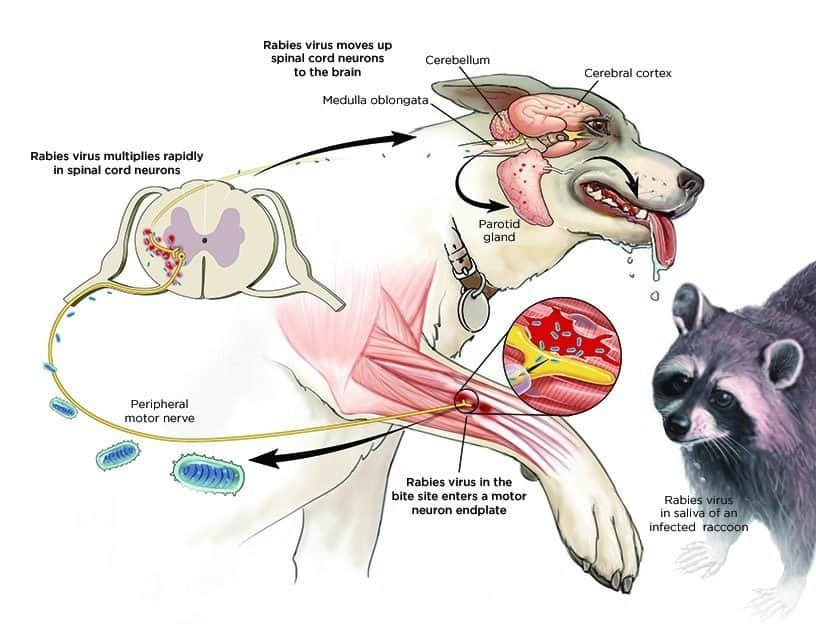
Rabies virus in dogs is caused by a neurotropic virus from the Lyssavirus family. It spreads through the nervous system, eventually reaching the brain and causing severe neurological damage.
The rabies virus in dogs is primarily transmitted through infected saliva, most commonly via bites. However, it can also spread if saliva enters open wounds or mucous membranes such as the eyes, nose, or mouth.
Following a proper Dog vaccination schedule is crucial to protect your pets from this deadly disease and prevent its spread.
How Rabies Spreads Among Dogs
Understanding transmission is key to preventing rabies virus in dogs.
Common transmission routes:
- Bites from infected animals
- Scratches contaminated with saliva
- Contact with infected saliva on wounds
- Rare exposure through mucous membranes
Wild animals such as bats, foxes, raccoons, and stray dogs are major carriers. In areas with large stray populations, the risk of rabies virus in dogs increases significantly.
Incubation Period of Rabies Virus in Dogs
The incubation period of rabies virus in dogs varies widely. In most cases, symptoms appear within 2 to 8 weeks, but it can range from a few days to several months.
Factors affecting incubation:
- Bite location (closer to the brain = faster symptoms)
- Severity of the wound
- Amount of virus exposure
- Dog’s immune system
Because of this variation, even healthy-looking dogs may still carry the rabies virus in dogs after exposure.
Diagnosis
Definitive diagnosis requires laboratory testing of brain tissue (post-mortem). In a live animal, veterinarians will rely on exposure history and clinical signs; they may recommend quarantine or euthanasia based on local laws and risk. Because testing requires specialized labs, contact your vet or public health authority right away if exposure is suspected.
11 Critical Symptoms of Rabies Virus in Dogs
Recognizing symptoms early is crucial, although treatment is not possible once signs appear.
Early (Prodromal Stage)
- Sudden behavior changes
- Anxiety or restlessness
- Fever
- Increased sensitivity
Furious Stage
- Aggression and biting
- Excessive barking
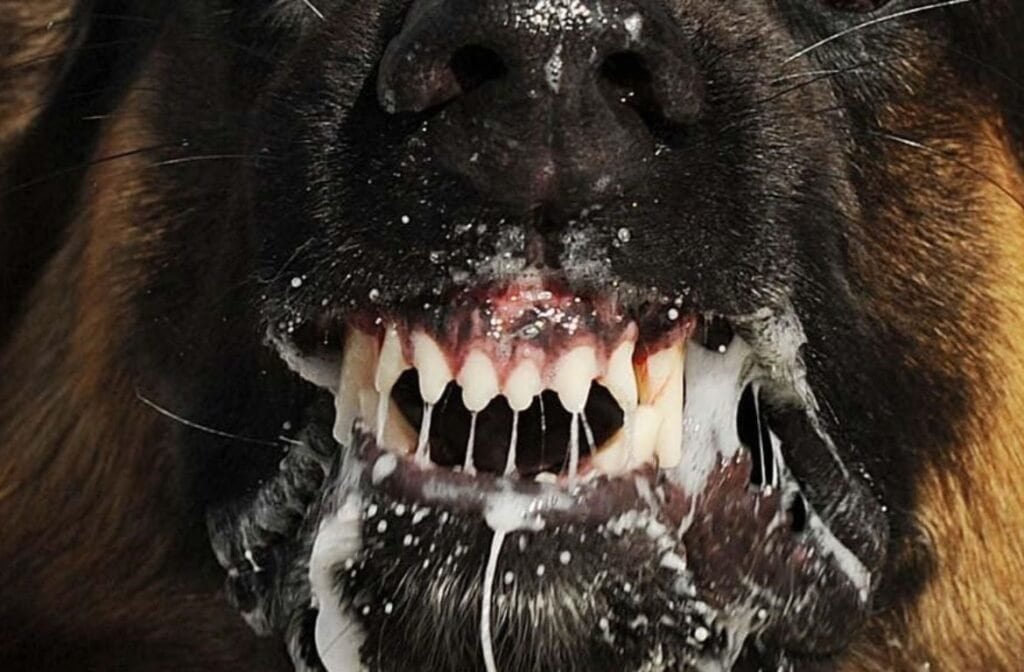
- Foaming at the mouth
- Hyperactivity
- Sensitivity to light and sound
Paralytic Stage
- Weakness and loss of coordination
- Difficulty swallowing
- Drooling
- Paralysis
- Coma
Once these symptoms of rabies virus in dogs appear, the disease progresses rapidly and is almost always fatal.
Diagnosis of Rabies in Dogs
There is no reliable test to confirm rabies virus in dogs while the animal is alive. Diagnosis is typically based on:
- Exposure history
- Clinical signs
- Veterinary assessment
Definitive confirmation requires laboratory testing of brain tissue after death. This is why prevention of rabies virus in dogs is extremely important.
What to Do After Possible Exposure
If you suspect exposure to rabies virus in dogs, act immediately.
Emergency steps:
- Wash the wound with soap and water for 10–15 minutes
- Contact your veterinarian immediately
- Avoid handling your dog excessively
- Report the incident to local authorities
Quick action can prevent rabies virus in dogs from developing.
Rabies Vaccination: The Best Protection
Vaccination is the most effective way to prevent rabies virus in dogs.
Vaccination schedule:
- First dose: 12–16 weeks of age
- Booster: after 1 year
- Regular boosters: every 1–3 years
Proper vaccination provides over 99% protection against rabies virus in dogs.
Prevention Tips Every Dog Owner Should Follow
Preventing rabies virus in dogs requires consistent care and awareness.
Key prevention tips:
- Keep vaccinations up to date
- Avoid contact with wild or stray animals
- Supervise outdoor activities
- Secure garbage and food sources
- Report suspicious animals
Public Health Importance of Rabies
Rabies virus in dogs is not just a pet issue—it is a serious public health concern. It is a zoonotic disease, meaning it can spread from animals to humans.
Human infection can occur through:
- Dog bites
- Contact with infected saliva
Immediate medical treatment (PEP) can prevent infection in humans if given quickly.
Quarantine and Legal Responsibilities
Laws regarding rabies virus in dogs vary by region but are strictly enforced.
- Vaccinated dogs: monitored for a short period
- Unvaccinated dogs: may require long quarantine or euthanasia
Following vaccination laws protects both your pet and the community.
Common Mistakes to Avoid
Many owners unknowingly increase the risk of rabies virus in dogs.
Avoid:
- Skipping vaccinations
- Ignoring small bites or scratches
- Allowing dogs to roam freely
- Delaying veterinary care
Final Thoughts
Rabies virus in dogs is a deadly but preventable disease. With proper vaccination, awareness, and quick action after exposure, you can protect your dog and your family from serious risk.
Responsible pet ownership plays a crucial role in controlling rabies virus in dogs and ensuring a safer environment for everyone.
FAQs: Rabies Virus in Dogs
1. Can a vaccinated dog still get rabies virus in dogs?
Yes, but it is extremely rare. Proper vaccination provides over 99% protection against rabies virus in dogs. In very unusual cases, infection may occur if immunity is weak or exposure is severe. Keeping vaccinations up to date is the best protection.
2. How long does the rabies vaccine protect dogs?
Protection against rabies virus in dogs depends on the vaccine schedule. Puppies receive their first vaccine at 12–16 weeks, followed by a booster after one year. After that, boosters are given every 1–3 years based on local regulations and veterinary advice.
3. How is rabies virus in dogs transmitted?
Rabies virus in dogs is mainly spread through bites from infected animals. It can also spread when infected saliva enters open wounds, scratches, or mucous membranes such as the eyes, nose, or mouth.
4. What are the first signs of rabies virus in dogs?
Early signs of rabies virus in dogs include behavior changes like anxiety, restlessness, fever, or unusual aggression. As the disease progresses, symptoms become more severe, including drooling, difficulty swallowing, and paralysis.
5. How long does it take for rabies virus in dogs to show symptoms?
The incubation period of rabies virus in dogs usually ranges from 2 to 8 weeks, but it can vary from a few days to several months depending on the bite location and severity.
6. Can rabies virus in dogs be treated?
No, rabies virus in dogs cannot be treated once symptoms appear. The disease is almost always fatal at this stage. Prevention through vaccination and immediate action after exposure is essential.
7. What should I do if my dog is exposed to rabies?
If you suspect exposure to rabies virus in dogs:
- Wash the wound immediately with soap and water
- Contact your veterinarian right away
- Avoid close contact with saliva
- Follow quarantine or booster recommendations
Quick action can prevent the disease from developing.
8. Can humans get rabies virus from dogs?
Yes, rabies virus in dogs is zoonotic and can spread to humans through bites or saliva contact with open wounds. Immediate medical treatment (post-exposure prophylaxis) can prevent infection in humans.
9. Is rabies virus in dogs always fatal?
Yes. Once clinical symptoms appear, rabies virus in dogs is almost 100% fatal. This is why prevention and early intervention are critical.
10. How can I prevent rabies virus in dogs?
You can prevent rabies virus in dogs by:
- Keeping vaccinations up to date
- Avoiding contact with wild or stray animals
- Supervising outdoor activities
- Reporting suspicious animal behavior
11. Can indoor dogs get rabies virus in dogs?
Yes, even indoor dogs are at risk. Bats or infected animals can enter homes, and unexpected exposure can occur. Vaccination is essential regardless of lifestyle.
12. What animals commonly spread rabies to dogs?
Common carriers of rabies virus in dogs include bats, foxes, raccoons, skunks, and unvaccinated stray dogs. Any wild mammal can potentially carry the virus.
13. What happens if an unvaccinated dog is exposed to rabies?
If an unvaccinated dog is exposed to rabies virus in dogs, strict quarantine (often 4–6 months) or euthanasia may be required depending on local laws. This highlights the importance of vaccination.
14. Are there side effects of rabies vaccination in dogs?
Most dogs experience no serious side effects. Mild symptoms like slight fever or soreness may occur. Severe reactions are rare but require immediate veterinary attention.
15. Why is rabies vaccination legally required?
Rabies virus in dogs is a serious public health risk. Vaccination laws exist to protect both animals and humans by preventing the spread of this deadly disease.
Muntaha Farid is a passionate pet care writer specializing in dog behavior, pet health, and practical pet parenting tips. At PetNatureHub, she creates informative guides that help pet owners understand their pets’ needs, including nutrition, training, and daily care. Her mission is to make pet care simple, reliable, and accessible for every pet lover.