
Rabies in Dogs
“The Ultimate Guide: How Nutrition Keeps Your Pet Strong and Healthy”
Rabies in dogs is a deadly but preventable disease. Learn how natural, healthy nutrition boosts your dog’s immune system, supports vaccination, and helps protect against infections.
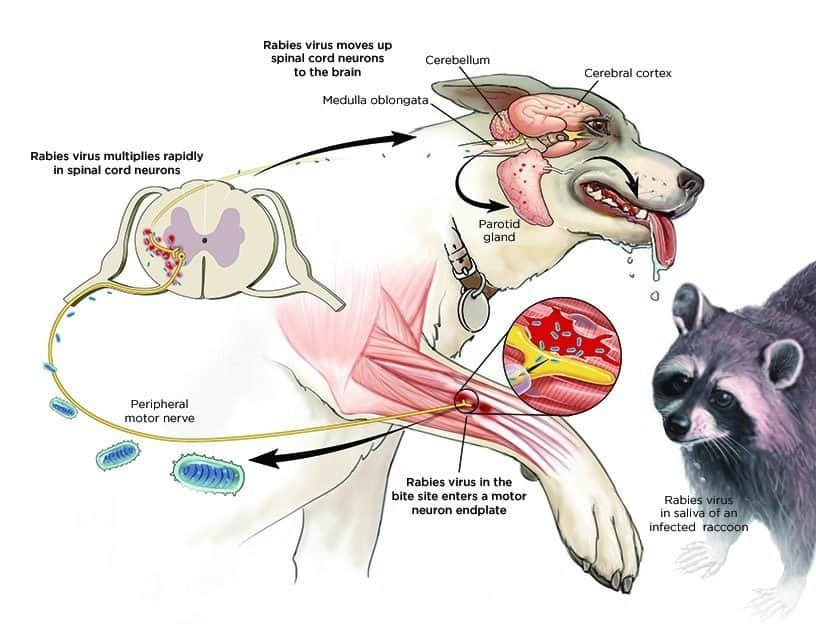
Understanding Rabies in Dogs
Dogs affected by rabies suffer from a serious viral infection that impacts their nervous system and can spread to humans. It is most often transmitted through the bite or saliva of an infected animal.
Once the virus reaches the brain, dogs affected by rabies may show confusion, aggression, and paralysis and sadly, it’s almost always fatal if symptoms appear.
But the good news is: rabies is 100% preventable. Regular vaccination and proper nutrition are the two most effective ways to keep your dog safe and strong.
Why Nutrition Matters for Rabies Prevention
A strong immune system helps your dog’s body fight off infections and respond better to vaccines. Dogs that are fed a healthy, balanced diet are less likely to get sick and recover faster from any illness or wound.
Poor nutrition weakens your dog’s immunity, leaving them more vulnerable to infections including viruses that can spread through bites or scratches.
When your dog eats well, their body can:
Heal wounds faster
Fight off harmful bacteria and viruses
Respond more effectively to rabies vaccinations
The Best Natural Foods to Strengthen Your Dog’s Health
Feeding your dog a natural, nutrient-rich diet is one of the best things you can do for their overall health and disease resistance. Here’s what to include:
1. High-Quality Protein
Protein supports muscle strength and helps the body make antibodies that fight infection.
Natural sources: Chicken, beef, fish, turkey, and eggs.
If you feed dry kibble, check that real meat is the first ingredient.
2. Healthy Fats
Healthy fats provide energy and help absorb vitamins that keep the brain and immune system strong.
Best sources: Fish oil, salmon, chicken fat, or flaxseed oil.
3. Vitamins and Minerals
These are essential for a strong immune system and healthy nerves.
Vitamins A, B, and E support the nervous system and skin health.
Zinc and Iron help with healing and red blood cell function.
4. Fruits and Vegetables
Natural antioxidants help remove toxins and support cell repair.
Good options: Blueberries, carrots, pumpkin, spinach, and apples (without seeds).
5. Probiotics and Fiber
A healthy gut is directly linked to a healthy immune system.
Sources: Plain yogurt, sweet potatoes, and oats.
Nutrition Before and After Rabies Vaccination
Feeding your dog properly before vaccination helps their body respond better to the vaccine.
Before the vaccine:
Make sure your dog is healthy, hydrated, and eating well.
Avoid stress and overexertion.
After the vaccine:
Continue feeding a nutritious diet to help the body build antibodies.
Offer extra water and rest to support recovery.
Dogs with good nutrition have stronger immune responses and longer-lasting protection.
Simple Nutrition Tips for Dog Owners
Feed real food Avoid heavily processed treats or foods high in sugar and salt.
Stick to a schedule Feed your dog at the same times daily to maintain energy balance.
Keep them hydrated Fresh, clean water should always be available.
Add natural boosters Small portions of boiled eggs, fish, or carrots can give a healthy boost.
Visit your vet regularly A yearly check-up helps track both nutrition and vaccination needs.
Final Thoughts
Rabies is deadly, but prevention is simple. The two most powerful ways to protect your dog are vaccination and nutrition.
A balanced diet filled with natural ingredients lean proteins, healthy fats, and fresh fruits and vegetables helps your dog stay strong, happy, and protected from disease.
Healthy food = strong immunity = a life free from rabies risk.
Muntaha Farid is a passionate pet care writer who specializes in dog behavior, pet health, and practical pet parenting tips. At PetNatureHub, I’M writes detailed guides that help pet owners understand their pets needs, from nutrition and training to everyday care. My goal is to make pet care simple, informative, and accessible for every pet lover.
Pingback: dogs affected by rabies
Pingback: Deadly Rabies in Dogs: Symptoms, Prevention & Life-Saving Health Tips