
Dogs Affected by Rabies: Symptoms, Stages & Warning Signs (2026 Guide)
Worried about rabies? Discover key signs of dogs affected by rabies, including aggression, drooling, and paralysis. Learn how to stay safe and protect your pet.
Dogs Affected by Rabies: Symptoms, Behavior, Stages & Prevention Guid
Rabies is a deadly viral disease that affects the central nervous system of mammals, including dogs and humans. Rabies in dogs is especially dangerous because dogs are the primary carriers of this virus, and once they are infected, the disease progresses rapidly and is almost always fatal. Understanding the behavior and symptoms of dogs affected by rabies is essential for pet owners to protect their pets, families, and communities.

What Are Dogs Affected by Rabies?
Rabies is caused by the rabies virus, which is primarily transmitted through the bite of an infected animal. Dogs affected by rabies can transmit the virus to humans and other animals through saliva. The virus attacks the brain and nervous system, leading to severe neurological symptoms and eventually death.
How Dogs Get Rabies
Dogs can become infected through:
Bites from rabid animals: This is the most common method of transmission.
Scratches or open wounds: The virus can enter the bloodstream if the saliva comes into contact with broken skin.
Licking of mucous membranes: Though less common, exposure through the eyes, nose, or mouth is possible.
Furious Rabies Stage: Aggressive Behavior in Dogs
Dogs affected by rabies often show noticeable behavioral and physical changes. Symptoms appear in stages:
1. Prodromal Stage (Early Stage)
Mild behavioral changes: dogs may become unusually shy or aggressive
Fever and lethargy
Loss of appetite
Vomiting or diarrhea
2. Furious Stage (Aggressive Stage)
Extreme irritability and aggression
Biting or snapping at objects, animals, or humans
Restlessness and pacing
Excessive salivation and foaming at the mouth
3. Paralytic Stage (Dumb Rabies)
Weakness in the hind legs
Drooping jaw and difficulty swallowing
Loss of coordination
Coma and eventual death
Behavioral Changes in Rabid Dogs
Dogs affected by rabies can behave unpredictably. Some may show aggressive tendencies, while others may become unusually docile or withdrawn. Key behaviors include:
Barking excessively
Avoiding human contact
Unprovoked attacks on other animals
Sensitivity to light and sound
Recognizing these behavioral changes early is critical to prevent the spread of the virus.
Furious Stage Aggressive Behaviour
This stage is known as the “furious rabies” phase, where the dog becomes highly aggressive and unpredictable.
Symptoms of furious rabies include:
Sudden, unprovoked aggression
Continuous barking or howling
Attacking people, animals, or objects
Foaming at the mouth
Extreme fear of light, sound, or water
Never approach a dog showing these signs. They are highly contagious and dangerous.
Paralytic (Dumb) Stage
Some dogs skip the aggressive phase and enter the paralytic stage directly. In this phase, dogs become weak and unable to move or swallow properly.
Signs include:
Loss of coordination and balance
Drooping jaw and hanging tongue
Difficulty swallowing or drinking
Weakness in back legs leading to paralysis
Gradual loss of consciousness
This stage often lasts 2–4 days before death occurs.
How to Diagnose Rabies in Dogs
Veterinarians diagnose rabies based on:
History of exposure: Any recent contact with a rabid animal
Clinical signs: Observing behavioral and neurological symptoms
Laboratory tests: Post-mortem brain tissue examination is definitive
There is currently no cure for rabies once symptoms appear, so prevention is the only effective measure.
Treatment for Dogs Affected by Rabies
Unfortunately, treatment options for symptomatic rabies are extremely limited. Once a dog shows symptoms:
Euthanasia is often recommended to prevent suffering and protect public health
Supportive care may prolong life temporarily, but recovery is almost impossible
Vaccination and preventive care remain the best protection against rabies.
How to Prevent Rabies in Dogs
Proper dog care plays a major role in preventing serious diseases like rabies. Maintaining a healthy routine, regular vaccinations, proper nutrition, and a safe environment can greatly reduce the risk of infection. If you are new to pet parenting, understanding the basics of daily care, training, and health management is essential. You can also read our complete beginner dog care guide to learn how to keep your dog healthy, safe, and protected from diseases like rabies.
1. Vaccination: The Most Important Step
Vaccination is the single most effective way to protect your dog from rabies. Puppies should receive their first rabies vaccine at around 12–16 weeks of age, followed by booster shots according to your veterinarian’s recommendation usually every 1–3 years.
Regular vaccination not only safeguards your dog but also helps prevent the spread of rabies in your community. Keeping a vaccination record and ensuring your dog is up-to-date is critical for both legal compliance and health safety.
2. Avoid Contact with Stray or Wild Animals
Stray dogs and wild animals, such as bats, raccoons, and foxes, are common carriers of the rabies virus. Limiting your dog’s exposure to these animals is a crucial preventive step.
Do not allow your dog to roam freely in areas with stray animals.
Supervise outdoor playtime in secure, enclosed areas.
Keep your dog on a leash during walks to prevent encounters with unknown or aggressive animals.
By reducing contact with potentially infected animals, you significantly decrease the risk of rabies infection.
3. Secure Your Home and Yard
A secure home and yard prevent your dog from wandering into high-risk areas and encountering rabid animals. Fencing should be strong enough to keep your dog safely inside and prevent entry of wild or stray animals.
Ensure gates are closed and fences are high enough to prevent jumping over.
Inspect your yard regularly for gaps or weak spots that animals could use to enter.
Remove any food or garbage that might attract wild animals to your property.
A secure environment helps protect not only your dog but also the entire household.
4. Immediate Veterinary Care After Exposure
If your dog is bitten, scratched, or comes into contact with a potentially rabid animal, immediate action is essential:
Wash the wound thoroughly with soap and clean running water for at least 15 minutes.
Apply an antiseptic solution, such as povidone-iodine, to the wound.
Contact your veterinarian immediately to assess the risk and discuss post-exposure vaccination or treatment.
Prompt veterinary attention can prevent the rabies virus from taking hold and is a vital step in protecting your dog’s health.
5. Community Awareness and Public Safety
Prevention is not just about individual dogs it also involves community-level measures:
Participate in local rabies vaccination drives.
Educate neighbors and children about avoiding stray or aggressive animals.
Report suspected rabid animals to local authorities to help prevent outbreaks.
Community vigilance, combined with individual preventive measures, is the most effective way to control rabies in dogs and reduce the risk to humans.
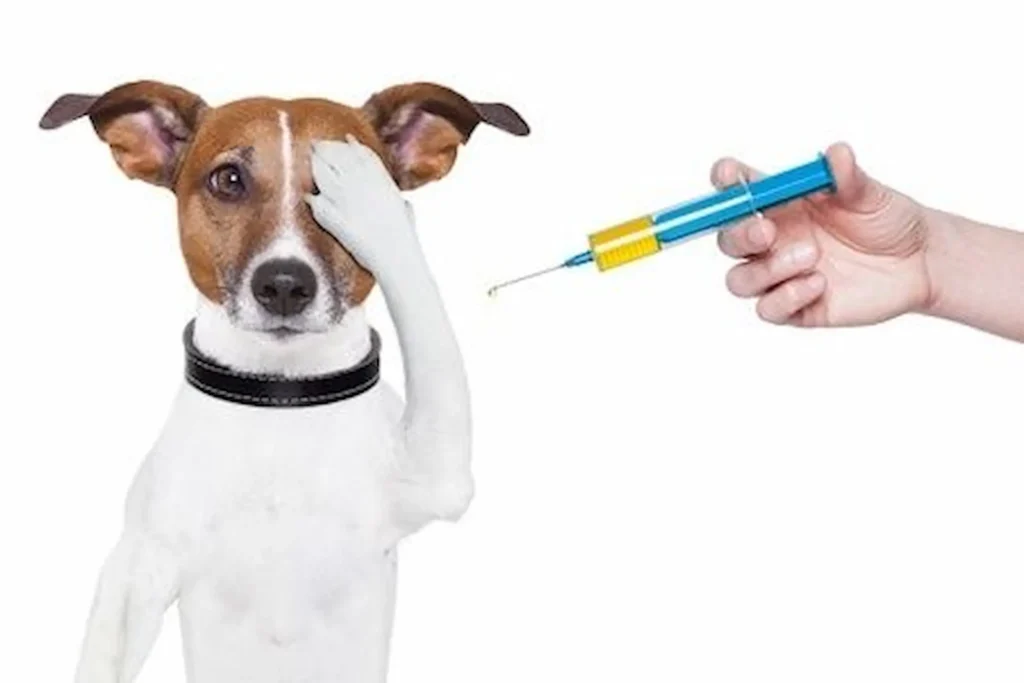
Rabies and Human Safety
Humans can contract rabies from infected dogs. To protect yourself:
Avoid contact with stray or aggressive animals
Wash any bites or scratches immediately with soap and water
Seek medical attention promptly for post-exposure prophylaxis (PEP)
Common Myths About Rabies in Dogs
Myth: Rabies always makes dogs aggressive.
Fact: Some infected dogs become unusually quiet or shy.Myth: Vaccinated dogs can’t get rabies.
Fact: Vaccines are highly effective but must be kept up to date.Myth: Rabies can be treated with home remedies.
Fact: There is no home treatment for rabies; vaccination and prevention are key.
Final Thoughts
Dogs affected by rabies are a serious concern for both pet owners and the general public. The rabies virus is highly aggressive, and once clinical signs appear, recovery is virtually impossible. This makes prevention, early detection, and vaccination absolutely critical. Pet owners should educate themselves on the behavioral changes, neurological symptoms, and physical signs of rabies in dogs.
Remember, rabies is 100% preventable with proper care. A vaccinated dog is far safer for both your household and your neighborhood. Protecting your dog from rabies is not only an act of responsibility but also a measure to ensure the safety of your family and community. By staying informed, proactive, and vigilant, you can safeguard your pets and reduce the spread of this fatal disease.
FAQ Section: Dogs Affected by Rabies
1. What is the incubation period for rabies in dogs?
The incubation period usually ranges from 2 to 12 weeks, depending on the bite location, the amount of virus transmitted, and the dog’s immune system. During this period, the dog may appear healthy but can develop symptoms later.
2. How can I tell if a dog has rabies?
Dogs affected by rabies often show:
Sudden behavioral changes (aggression or excessive fear)
Excessive drooling or foaming at the mouth
Difficulty swallowing, staggering, or paralysis
Unprovoked attacks on animals or humans
Sensitivity to light and sound
3. Can rabies in dogs be treated?
Once clinical symptoms appear, rabies cannot be cured. Treatment is mainly supportive, and euthanasia is often recommended to prevent suffering and stop virus transmission. Prevention through vaccination is the key.
4. How do dogs get rabies?
Dogs contract rabies primarily through the bite of an infected animal, usually another dog, a wild animal, or a stray. The virus can also enter through open wounds or mucous membranes, although this is less common.
5. Is rabies contagious to humans?
Yes. Humans can contract rabies through the saliva of an infected dog, usually via bites, scratches, or contact with open wounds. Immediate medical attention is critical after any suspected exposure.
6. How can I prevent my dog from getting rabies?
Vaccinate your dog regularly according to your vet’s schedule
Avoid contact with stray or wild animals
Keep your dog indoors or supervised when outside
Report suspected rabid animals to local authorities
7. What should I do if my dog is bitten by a potentially rabid animal?
Wash the wound immediately with soap and water
Contact a veterinarian for advice and possible post-exposure vaccination
Observe your dog closely for any behavioral or physical changes
8. Can vaccinated dogs get rabies?
Vaccination is highly effective, but no vaccine offers 100% protection. Maintaining the vaccination schedule and avoiding exposure to stray or wild animals is crucial.
9. Are all rabid dogs aggressive?
No. While some dogs become highly aggressive, others may appear unusually quiet, fearful, or withdrawn. Behavioral changes vary depending on the stage of the disease and the individual dog.
10. How can communities reduce rabies outbreaks in dogs?
Conduct mass vaccination campaigns for domestic dogs
Control stray dog populations humanely
Educate the public about rabies prevention and safety measures
Report and isolate suspected rabid animals immediately
11. Is rabies more common in certain areas?
Rabies is more prevalent in regions with large stray dog populations and limited access to vaccines. Rural areas with wildlife reservoirs are also higher-risk zones. Awareness and vaccination campaigns are key to reducing cases.
12. How quickly does rabies progress in dogs?
Once symptoms appear, rabies usually progresses within 7–10 days, leading to severe neurological damage and eventual death. Rapid action after suspected exposure is vital.
13. Can dogs transmit rabies before showing symptoms?
Yes, infected dogs can potentially transmit rabies a few days before symptoms appear, which is why early vaccination and avoiding contact with unknown animals are crucial.
Muntaha Farid is a passionate pet care writer who specializes in dog behavior, pet health, and practical pet parenting tips. At PetNatureHub, she writes detailed guides that help pet owners understand their pets’ needs, from nutrition and training to everyday care. Her goal is to make pet care simple, informative, and accessible for every pet lover.
Pingback: Rabies in Dogs -
Pingback: Why Does My Dog Lick My Feet? 7 Reasons Every Dog Owner Should Know