
Why Cats Stop Eating -7 Real Reasons & Easy Solutions That Work Fast
Why cats stop eating? Discover 7 common causes, warning signs, and quick fixes to help your cat eat again safely and stay healthy.
Introduction
Why Cats Stop Eating is one of the most concerning issues for pet owners. Cats are known for being selective eaters, but when a cat suddenly refuses food, it can signal a serious underlying problem. Even going without food for 24 hours can be dangerous for cats and may lead to complications like liver disease, especially in overweight or senior cats.
Understanding why cats stop eating helps you respond quickly and prevent serious health risks. Appetite loss can be caused by stress, illness, dental pain, environmental changes, or even subtle issues like food smell. In some cases, it may also connect to overall wellness, including skin and coat health.
This detailed guide explains why cats stop eating, the warning signs to watch for, and proven solutions to help your cat regain appetite safely and quickly.
This guide covers the top reasons, warning signs, and effective home fixes to help your cat start eating again while monitoring both eating habits and Natural Cat Skin Care for a healthy, happy pet.
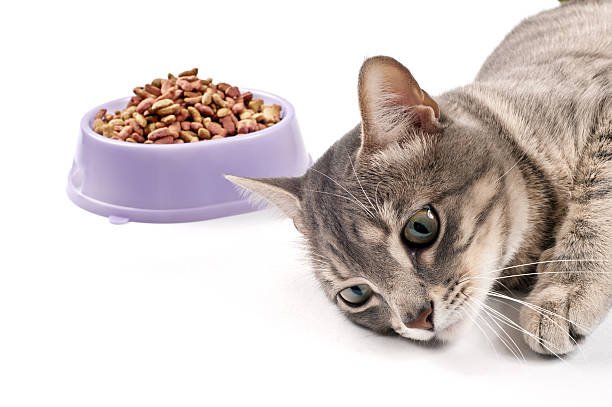
Why Cats Stop Eating: Understanding the Behavior
Cats rely heavily on smell, comfort, and routine. Any disruption can affect their appetite. Understanding why cats stop eating starts with identifying whether the cause is:
- Behavioral (stress, anxiety, environment)
- Medical (illness, pain, infection)
- Dietary (food quality, sudden change)
Recognizing the difference is key to solving the problem effectively.
Top 7 Reasons Why Cats Stop Eating
1. Stress or Environmental Change
One of the most common answers to why cats stop eating is stress.
Cats are sensitive animals. Even small changes can affect their appetite, such as:
- Moving to a new home
- Rearranging furniture
- Loud noises
- New pets or people
- Changes in routine
Quick Fix
- Create a quiet, safe space
- Keep feeding time consistent
- Use calming aids like pheromone diffusers
Reducing stress often restores appetite quickly.
2. Dental Pain or Oral Problems
If eating causes pain, your cat will avoid food.
Common dental issues include:
- Gum disease
- Tooth infections
- Broken teeth
- Oral inflammation
Symptoms
- Drooling
- Bad breath
- Pawing at mouth
- Eating but dropping food
Quick Fix
- Offer soft or wet food
- Slightly warm the food
- Visit a vet for dental care
Dental pain is a major reason why cats stop eating suddenly.
3. Stomach Upset or Hairballs
Hairballs and digestive issues can reduce appetite.
Cats groom themselves frequently, leading to swallowed hair that forms hairballs.
Symptoms
- Vomiting
- Gagging
- Reduced appetite
- Lethargy
Quick Fix
- Use hairball remedies
- Feed pumpkin purée
- Brush your cat daily
This is a common and often temporary cause of why cats stop eating.
4. Food Change or Bad Smell
Cats are very sensitive to food smell and texture.
If food is:
- Stale
- Cold
- Different brand
- New flavor
Your cat may refuse it.
Quick Fix
- Warm food slightly
- Mix old and new food gradually
- Switch to wet food
Sudden diet changes are a major factor in why cats stop eating.
5. Respiratory Infection
Cats rely on smell to eat. If they cannot smell food, they often stop eating.
Symptoms
- Sneezing
- Runny nose
- Watery eyes
- Congestion
Quick Fix
- Use steam therapy
- Keep your cat hydrated
- Offer strong-smelling food like tuna
Respiratory issues are an overlooked reason why cats stop eating.
6. Kidney or Liver Disease
In older cats, appetite loss may indicate serious illness.
Possible conditions
- Kidney disease
- Liver disease
- Diabetes
- Hyperthyroidism
Symptoms
- Weight loss
- Increased thirst
- Vomiting
- Weakness
Quick Fix
- Immediate vet diagnosis
- Early treatment improves survival
These conditions are critical reasons why cats stop eating long-term.
7. Foreign Object or Intestinal Blockage
If your cat swallows something harmful, eating stops immediately.
Signs
- Vomiting
- Pain
- No appetite
- Lethargy
Quick Fix
- Emergency vet visit
This is a life-threatening cause of why cats stop eating.
Behavioral vs Medical Causes
Understanding whether the issue is behavioral or medical is essential.
Behavioral Causes
- Stress
- Routine changes
- Food preference
Medical Causes
- Pain
- Infection
- Organ disease
If appetite loss lasts more than 24 hours, always consider medical causes.
Best Foods to Try When Cats Stop Eating
When dealing with why cats stop eating, food choice matters.
Try:
- Warm wet food
- Tuna water
- Boiled chicken
- Chicken broth (unsalted)
- Soft pate-style food
Strong smells help stimulate appetite.
Natural Remedies
Some natural options can support appetite:
- Catnip (stimulates interest)
- Chamomile (calming effect)
- Pumpkin (digestive support)
- Probiotics (gut health)
Use carefully and monitor results.
Hydration and Its Role
Hydration is just as important as food.
If your cat is not eating:
- Provide fresh water
- Add water to food
- Use broth for hydration
Dehydration can worsen the condition quickly.
Quick Home Fixes to Encourage Eating
These simple methods help solve mild cases of why cats stop eating:
- Warm food before serving
- Offer favorite treats
- Reduce stress
- Keep feeding area clean
- Maintain routine
Many cats start eating again within hours.
Common Mistakes Owners Make
When trying to fix why cats stop eating, avoid:
Forcing food
Sudden diet changes
Ignoring symptoms
Delaying vet visit
These mistakes can worsen the condition.
Special Considerations (Kittens & Senior Cats)
Kittens
- Need frequent meals
- Can weaken quickly
- Monitor closely
Senior Cats
- More prone to illness
- May have dental issues
- Require softer food
Both groups are at higher risk when dealing with why cats stop eating.
Daily Routine to Prevent Appetite Loss
Prevention is always better.
- Feed at the same time daily
- Maintain clean bowls
- Provide stress-free environment
- Offer balanced diet
A stable routine reduces chances of why cats stop eating.
How to Comfort a Cat That Won’t Eat
- Sit near your cat calmly
- Speak softly
- Offer hand feeding
- Keep environment warm and quiet
Emotional comfort plays a big role in recovery.
When to See a Vet
Seek immediate help if:
- No food for 24 hours
- Repeated vomiting
- Weight loss
- Weakness
- Breathing difficulty
Serious causes behind why cats stop eating require professional care.
Final Thoughts
Understanding why cats stop eating can save your cat’s life. Appetite loss is never normal and should always be taken seriously.
By identifying the cause early and applying the right solution, you can help your cat recover quickly and safely. Whether it’s stress, illness, or diet-related, proper care and attention make all the difference.
Your cat’s appetite reflects its health never ignore it.
FAQ for “Why Cats Stop Eating”
1. Why do cats suddenly stop eating?
Stress, illness, dental pain, or food changes are common causes.
2. How long can a cat go without eating?
Cats should not go more than 24 hours without food.
3. What can I feed a cat that refuses food?
Try warm wet food, chicken, or tuna water.
4. Can stress cause appetite loss?
Yes, stress is one of the top reasons why cats stop eating.
5. When should I worry?
If your cat refuses food for 24 hours or shows illness signs.
Muntaha Farid is a passionate pet care writer specializing in dog behavior, pet health, and practical pet parenting tips. At PetNatureHub, she creates informative guides that help pet owners understand their pets’ needs, including nutrition, training, and daily care. Her mission is to make pet care simple, reliable, and accessible for every pet lover.
Pingback: Natural Treatment for Cat Skin Problems – Safe & Effective Home Remedies