
Horse Care Tips: 12 Essential Expert Secrets Every Owner Must Know
Discover horse care tips to keep your horse healthy and happy. Learn expert advice on feeding, grooming, exercise, stable care, and preventing common health issues.
Introduction
Owning a horse is a rewarding experience, but it also comes with great responsibility. Horses are majestic, sensitive, and intelligent animals, requiring proper care, attention, and management to stay healthy and happy. Whether you are a beginner or an experienced horse owner, following expert horse care tips can help ensure your horse thrives. This comprehensive guide covers nutrition, grooming, health care, exercise, stable management, and more.
Caring for a horse also means understanding their behavior, recognizing signs of illness or discomfort, and creating a safe and comfortable environment where they can thrive. A well-cared-for horse not only enjoys better health but also forms a stronger bond with its owner, resulting in more enjoyable riding experiences and improved performance. This comprehensive guide on horse care tips will provide practical advice for both beginner and experienced horse owners, covering everything from grooming routines and feeding schedules to exercise plans and health maintenance. By following these expert tips, you can ensure your horse remains healthy, happy, and full of vitality throughout its life.
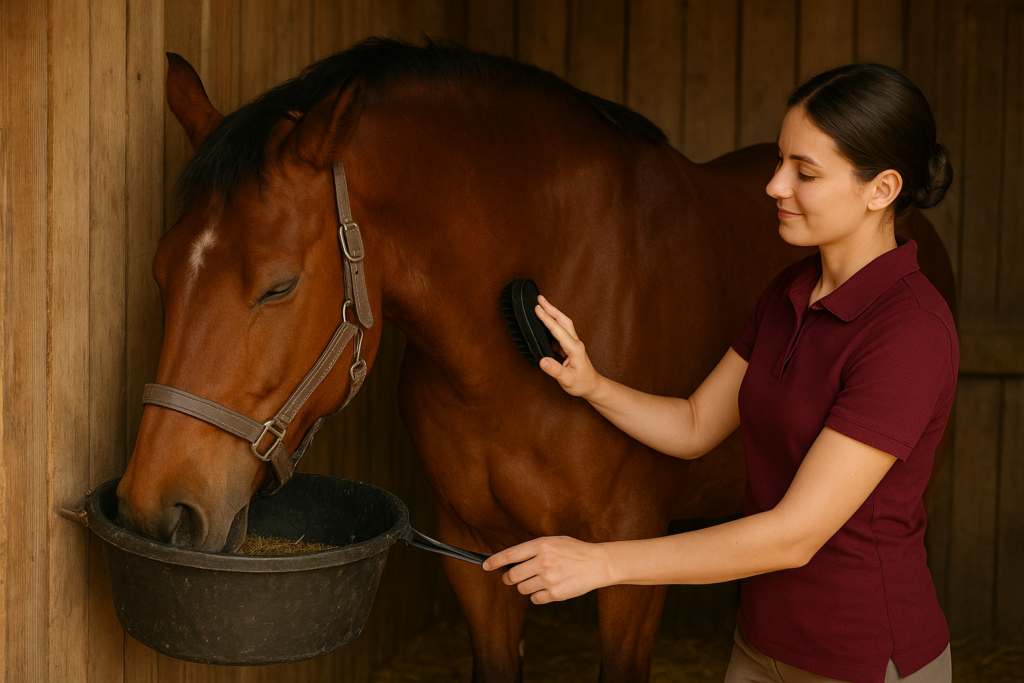
Regular Grooming Routine
Daily brushing: Helps remove dirt, dust, and loose hair. Use a curry comb in circular motions to stimulate natural oils and increase blood circulation.
Body brushing: Use a stiff body brush to remove finer dirt and debris after currying.
Mane and tail care: Detangle gently using a wide-toothed comb or your fingers to avoid breakage. Start from the bottom and work upward.
Bathing: Only bathe when necessary; frequent washing can strip natural oils. Use horse-specific shampoo and lukewarm water.
Hoof cleaning: Pick hooves daily to remove mud, stones, and debris, helping prevent infections and lameness.
Grooming check: Use grooming time to check for cuts, swelling, ticks, or skin irritation, allowing early detection of health issues.
Fly and pest control: Apply fly spray or use fly masks during warmer months to protect your horse from biting insects and reduce stress.
Understanding Your Horse’s Needs
Horses are social creatures with unique physical and emotional requirements. Understanding these needs is the foundation of effective care.
Some fundamental horse care tips every owner should know:
Balanced Nutrition: Proper forage, grains, and supplements support overall health.
Regular Exercise: Daily movement strengthens muscles, supports joints, and improves mental well-being.
Social Interaction: Horses thrive with companionship from other horses or consistent human interaction.
Routine Health Checks: Veterinary and dental visits prevent long-term health issues.
Mental Stimulation: Activities like trail rides, obstacle courses, and training exercises keep horses engaged.
Proper Feeding and Nutrition
Nutrition is the cornerstone of horse health. Feeding mistakes are among the most common issues horse owners face. Implementing proper horse care tips ensures your horse maintains energy, a healthy weight, and a strong digestive system.
High-Quality Forage
Forage should make up most of a horse’s diet, typically 50–100%.
Types of Hay:
Timothy Hay: Low in calories, ideal for adult horses.
Alfalfa Hay: Rich in protein and calcium, good for growing or lactating horses.
Bermuda Grass Hay: Provides fiber and moderate nutrients, suitable for maintenance diets.
Grains and Concentrates
Grains provide additional energy, especially for performance horses.
Overfeeding grains can lead to colic, obesity, or laminitis.
Feed according to activity level, and monitor weight regularly.
Fresh Water
Horses drink 5–10 gallons of water daily, more after exercise or in hot weather.
Always provide clean, fresh water.
Supplements and Minerals
Salt licks and vitamin supplements prevent deficiencies.
Joint supplements, digestive aids, and coat enhancers may be beneficial depending on the horse’s needs.
Feeding Schedule
Feed small portions multiple times per day to mimic natural grazing.
Grooming: More Than Just Appearance
Grooming is essential for a horse’s health, not just its looks. Proper grooming promotes circulation, keeps the coat shiny, and helps detect injuries early.
Daily Brushing: Use a curry comb to loosen dirt and stimulate skin oils.
Mane and Tail Care: Detangle carefully to avoid hair breakage.
Hoof Care: Clean hooves daily to prevent infections and check for cracks or stones.
Bathing: Only as needed, using horse-friendly shampoos to avoid drying out the skin.
Exercise and Training
Regular exercise is vital for a horse’s physical and mental health:
Turnout Time: Horses need time in the pasture to move freely.
Riding Sessions: Tailor the frequency and intensity to your horse’s fitness level.
Groundwork: Exercises like lunging and groundwork improve discipline and responsiveness.
Mental Stimulation: Introduce new challenges or obstacle courses to keep your horse engaged.
Health and Veterinary Care
Routine veterinary care prevents disease and keeps horses in peak condition.
Key Health Measures
Vaccinations: Protect against tetanus, influenza, West Nile Virus, and other illnesses.
Deworming: Prevent internal parasites through regular schedules.
Dental Care: Continuous tooth growth requires periodic checkups to avoid pain and digestive issues.
Observation: Monitor appetite, behavior, and gait for early signs of illness.
Seasonal Health Care
Winter: Prevent frostbite, monitor water intake, and adjust feed for energy needs.
Summer: Protect from heat stress, flies, and dehydration.
Spring/Fall: Manage shedding, allergies, and pasture transitions.
Dental Care
Oral health is often overlooked but plays a vital role in overall wellbeing. Regular brushing, dental chews, and professional cleaning reduce the risk of gum disease, tooth loss, and systemic infections that may affect the heart or kidneys.
Early Detection of Illness
Pets are skilled at hiding pain or discomfort. Vigilance in monitoring behavior, appetite, energy levels, and physical changes can help identify problems early. Signs like lethargy, changes in eating habits, coughing, vomiting, or unusual lumps should prompt an immediate vet visit.
Emergency and Specialized Care
Access to emergency veterinary services and specialists, such as dermatologists, cardiologists, or orthopedic vets, can be lifesaving. Knowing where to go in case of urgent health issues ensures rapid treatment and better outcomes.
Safe Housing and Environment
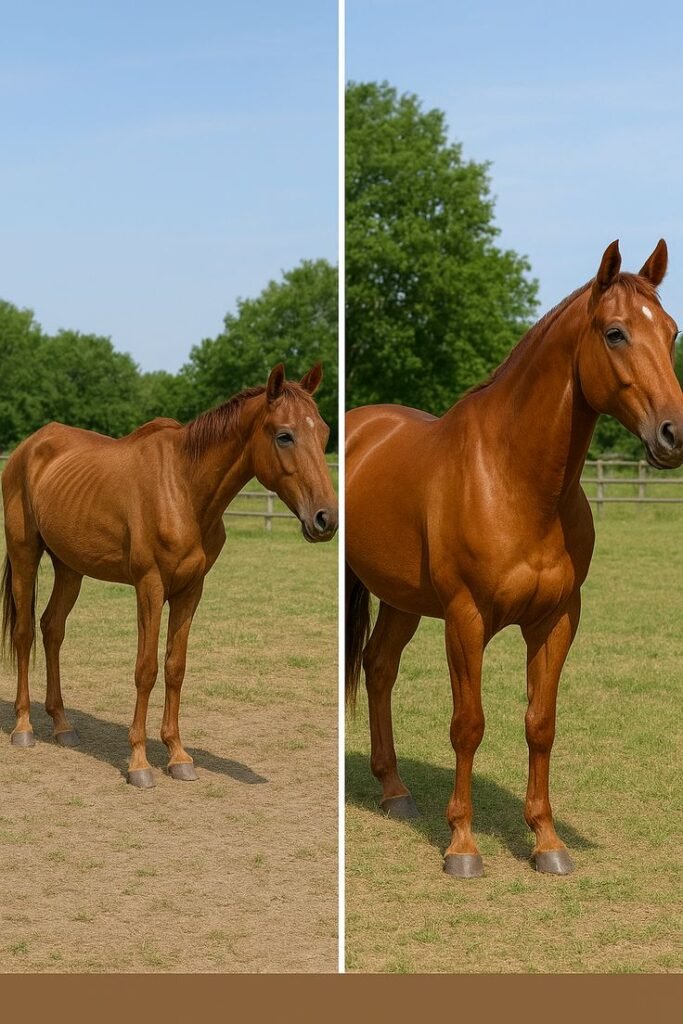
A clean, safe environment protects horses from injury and illness.
Stalls: Ventilation, cleanliness, and adequate size are essential.
Bedding: Straw or shavings absorb moisture and provide comfort.
Fencing: Ensure it’s sturdy and safe to prevent injuries.
Pasture Management: Rotate pastures and remove toxic plants
Clean and Well-Ventilated Stables
A well-designed stable should be spacious, dry, and properly ventilated. Good airflow helps reduce moisture, ammonia smell, and respiratory problems, creating a healthier environment for horses.
Use clean, dry bedding such as straw or wood shavings to provide comfort and prevent skin and hoof infections.
Remove manure and wet bedding daily to reduce bacteria, parasites, and unpleasant odors.
Ensure natural light enters the stable to improve visibility and maintain a calm atmosphere.
Keep stable floors non-slip and ensure proper drainage to prevent injuries and damp conditions.
A well-designed stable is essential for keeping horses healthy, comfortable, and stress-free. The stable should be spacious, dry, and properly ventilated, as good airflow helps reduce moisture, ammonia buildup, and respiratory problems. Just as proper stabling is vital for horses, following a reliable Chicken care guide is equally important for maintaining healthy, productive poultry.

Common Mistakes to Avoid
Even experienced owners make mistakes that affect horse health.
Skipping routine vet visits.
Overfeeding grains, causing obesity or colic.
Ignoring hoof care, leading to lameness.
Lack of social interaction, creating stress.
Poor shelter, exposing horses to extreme weather.
Conclusion
Caring for a horse is both a responsibility and a rewarding experience. By following expert horse care tips, every owner can ensure their horse remains healthy, happy, and well-adjusted. From nutrition, grooming, and exercise to health checks, hoof care, behavior monitoring, and seasonal adjustments, consistent attention is the key to responsible horse ownership.
Safe housing, clean stables, secure fencing, and well-managed pastures protect horses from injuries and environmental stress. Daily grooming and health checks help identify potential problems early, preventing minor issues from becoming serious conditions. Hoof care, often overlooked, plays a vital role in a horse’s mobility and long-term soundness. Consistent routines not only improve physical health but also build trust and strengthen the bond between horse and owner.
Seasonal adjustments, such as providing shelter in winter and protection from heat in summer, further enhance comfort and safety. Most importantly, understanding your horse’s behavior and needs allows you to respond quickly and effectively. When these horse care tips are applied consistently, they lead to a happier, healthier, and more confident horse.
FAQs About Horse Care
Q1: What are the most important horse care tips for beginners?
A: Beginners should focus on the basics of daily horse care tips, including proper feeding, regular grooming, consistent exercise, routine health checks, and timely hoof care. Creating a daily care routine helps new owners build confidence and ensures the horse stays healthy and comfortable.
Q2: How often should I groom my horse?
A: Daily grooming is highly recommended as part of essential horse care tips. It helps maintain a clean and shiny coat, improves blood circulation, strengthens the bond between horse and owner, and allows early detection of cuts, swelling, or skin problems.
Q3: Do all horses need shoes?
A: Not all horses require shoes. Some horses do well barefoot, especially if they are kept on soft ground and have light workloads. However, horses that work on hard or rocky surfaces, or have hoof issues, may benefit from shoes. Regular trimming is always necessary and remains an important part of horse care tips.
Q4: How can I prevent common health problems in horses?
A: Preventing health issues starts with consistent horse care tips such as providing a balanced diet, clean drinking water, regular exercise, and routine veterinary checkups. Monitoring your horse’s behavior, appetite, and movement daily helps detect problems early and reduces the risk of serious illness.
Q5: Why is pasture management important for horses?
A: Proper pasture management is a key part of effective horse care tips. Rotating grazing areas, removing toxic plants, and maintaining safe fencing help prevent injuries, digestive problems, and overgrazing. A well-managed pasture also supports natural movement and mental well-being.
Muntaha Farid is a passionate pet care writer specializing in dog behavior, pet health, and practical pet parenting tips. At PetNatureHub, she creates informative guides that help pet owners understand their pets’ needs, including nutrition, training, and daily care. Her mission is to make pet care simple, reliable, and accessible for every pet lover.
Pingback: chicken care guide