
PET NATURE HUB
"Pet Nature Hub – Your Guide to Natural Pet Care, Training & Wellbeing"
Pet Nature Hub provides expert tips on natural pet care, healthy nutrition, behavior training, and joyful lifestyles for dogs, cats, and birds keeping your pets happy, healthy, and thriving every day.
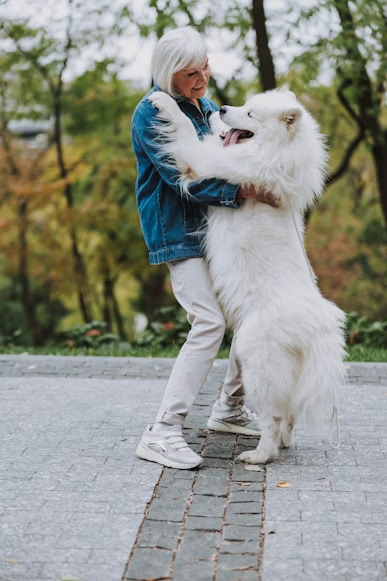
Welcome to Pet Nature Hub
Natural Pet Care Where Love for Pets Meets the Beauty of Nature
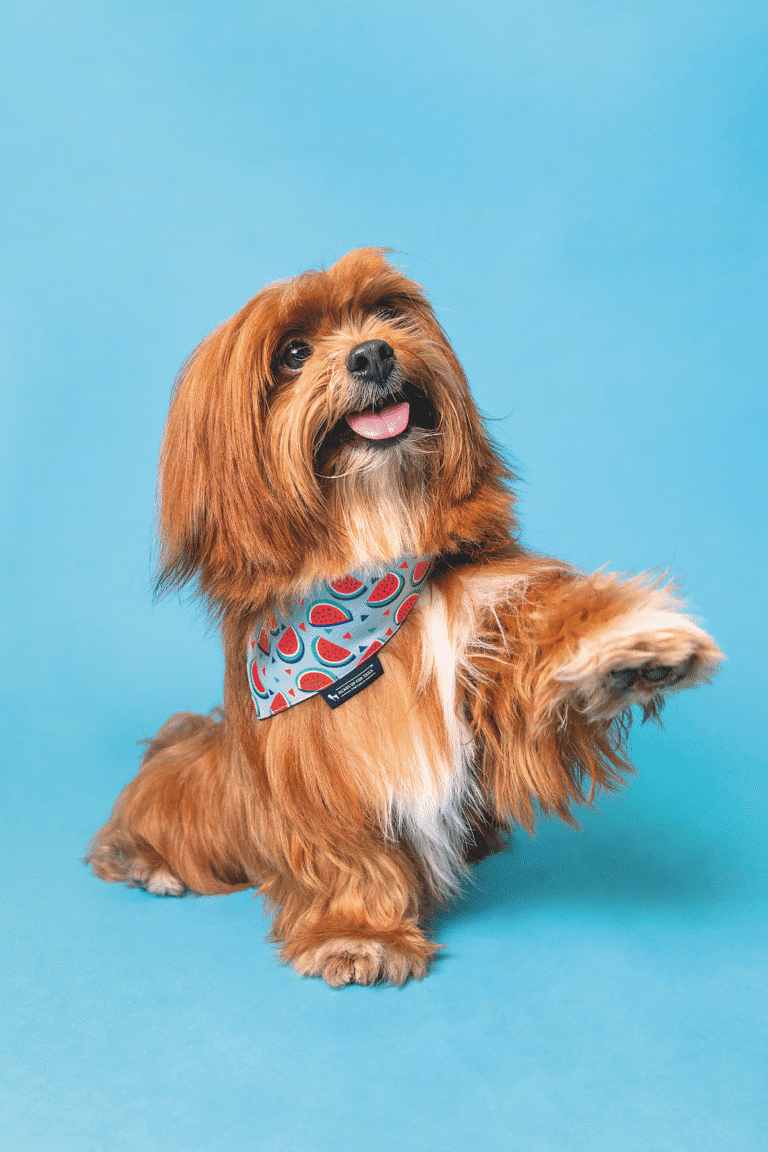
Your Pet’s Natural Home
Healthy, Happy & Nature-Friendly Care
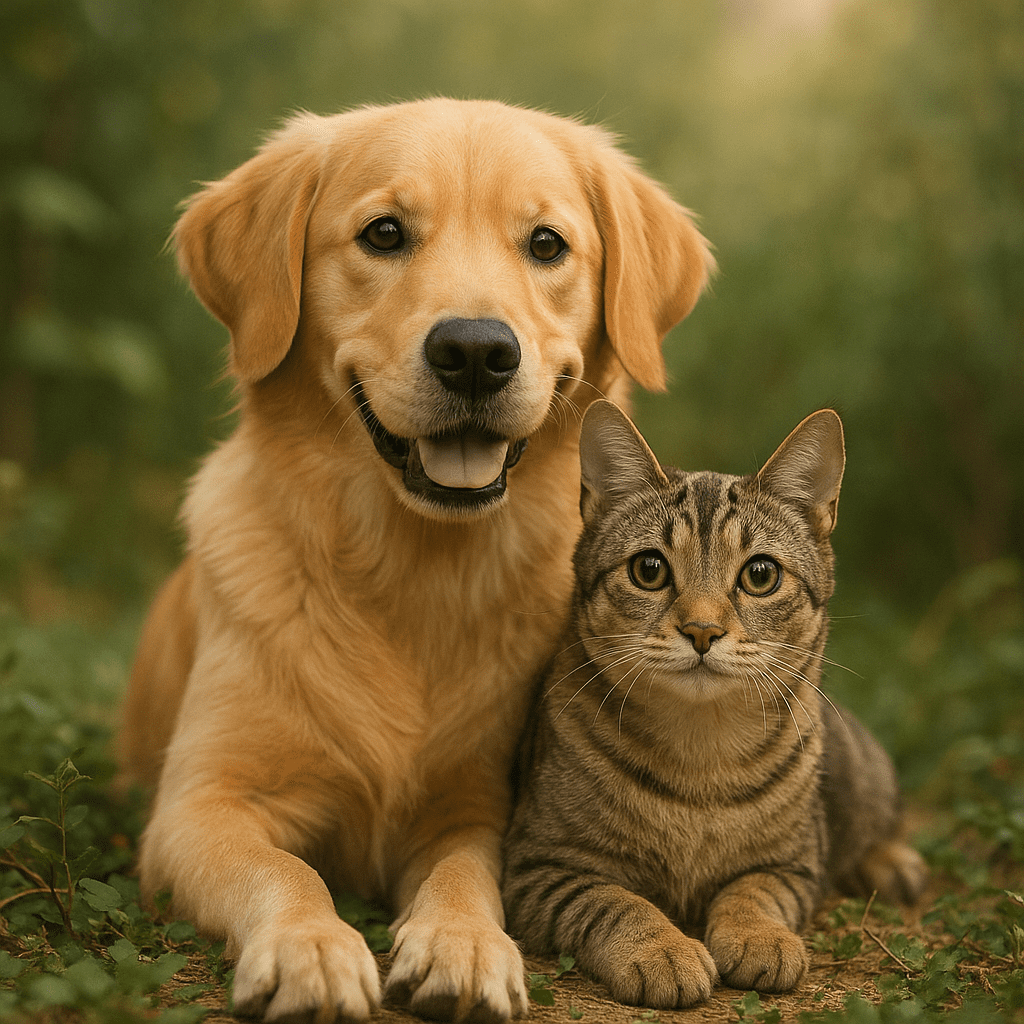
“Nature. Care. Love.”
A Natural Choice for Happy Pets
NEWS
News
New study reveals pets significantly reduce human stress levels
News
Demand for organic and natural pet food rises sharply in 2025
News
Global campaign launched to promote adoption of stray animals
Pet Training Program
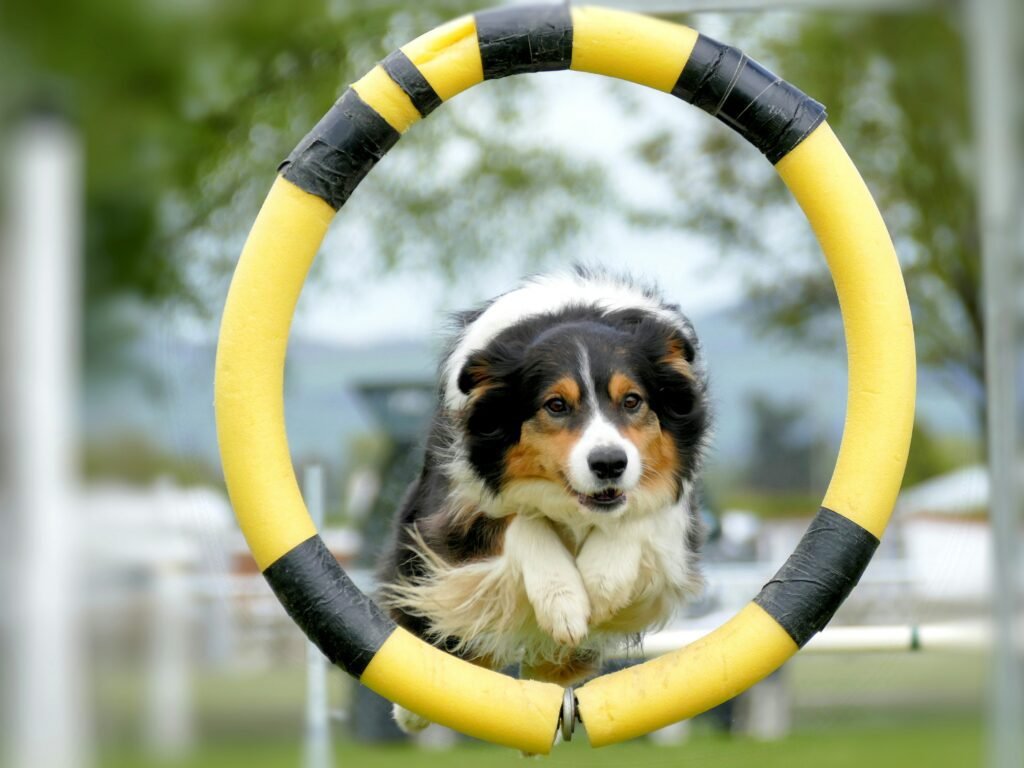
Our pet training program helps pets learn good behavior, social skills, and obedience in a fun, positive way. Expert trainers ensure your pets stay happy and healthy at home and outdoors.
The Latest
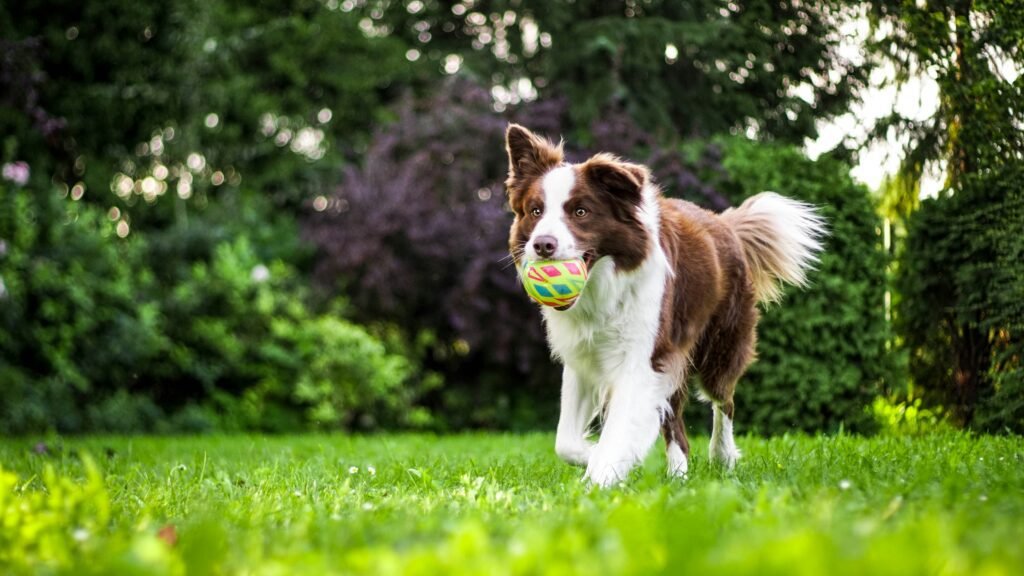
Decode Dog Behavior for Better Training & Happiness
From tail wags to barks, each signal helps you understand what your dog is feeling. Strengthen your connection with positive communication and gentle training.
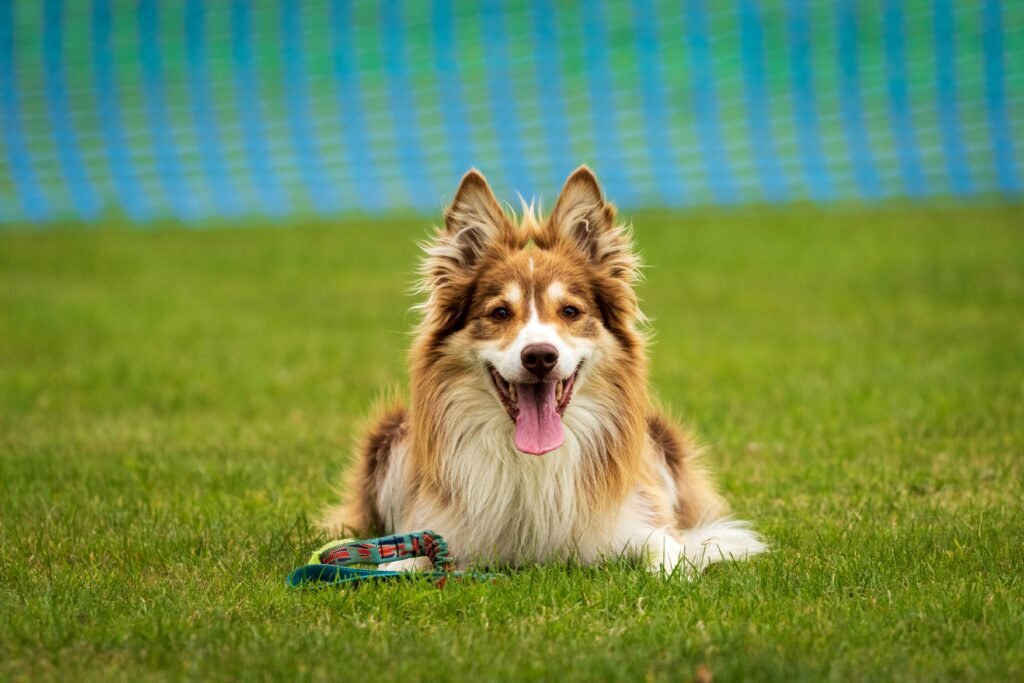
The Language of Dogs
From tail wags to playful barks, dogs express feelings in their own unique way. Understanding their signals helps you build trust, strengthen your bond, and create a lifelong companionship.
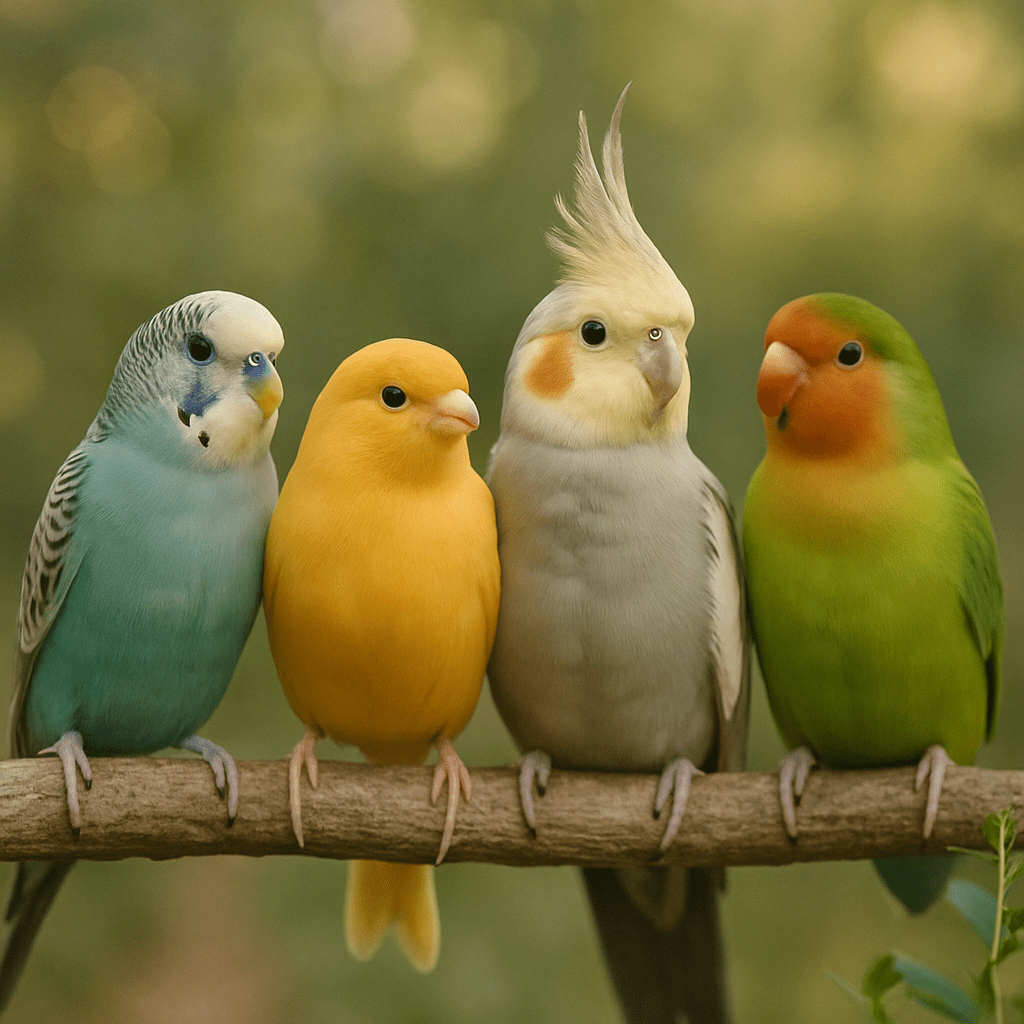
Every chirp, wing flap, and playful movement of your pet bird tells a story. Understanding these behaviors is key to building trust, providing better care, and enjoying a happy, connected life together. To take your bond to the next level, learn proven techniques on how to train a parrot to talk and watch your feathered friend communicate in delightful new ways.
Got a New Pet? Here’s What to Do
Welcoming a new dog or cat can be exciting, adorable, and a little overwhelming. Don’t worry we’ve got you covered with a new pet parent to-do list to help your furry friend settle in happily and safely.
Most Popular
Playful Behavior in Pets
Pets express joy and release energy through running, chasing, jumping, and playing with toys. Understanding playful behavior helps you provide the right outlets for fun, exercise, and mental stimulation.
Relaxed Behavior
Sleeping, lying calmly, or stretching when pets feel safe and comfortable.
Obedient Behavior in Pets
Pets show obedient behavior by following commands, responding well to training, and displaying discipline. Positive reinforcement helps strengthen these habits and builds a well-behaved companion.
Aggressive Behavior in Pets
Pets may show aggression such as growling, hissing, or barking when they feel threatened, stressed, or protective. Understanding these warning signals helps prevent conflict and keep pets calm and safe.
Joyful Pet Lifestyle for Dogs & Cats
Healthy food, fun playtime, proper rest, and affection are essential for a happy, healthy pet. Create a lifestyle that boosts wellness, energy, and joy—every single day.
Why Pets Display Food-Seeking Behavior
Pets show signs like sniffing and pawing to communicate hunger or desire for treats. Encouraging good feeding manners supports better health and prevents unwanted habits.
Health & Nutrition
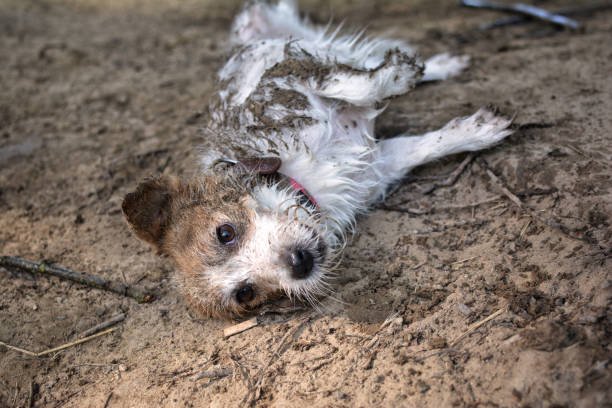
“What are the best natural foods to keep pets healthy, energetic, and happy?”
Behavior & Training
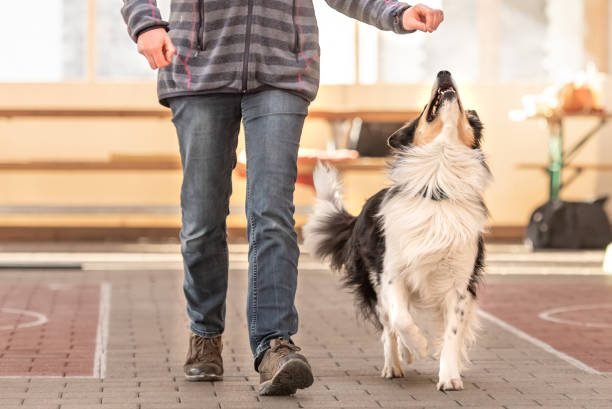
“How can positive reinforcement improve a dog’s behavior during training?”

Health
Essential care, pet nutrition and wellness tips to keep your kitty happy, active, and thriving.

Behavior
Decode your pet’s unique actions and emotions to strengthen trust, improve communication, and build a loving bond.
Health
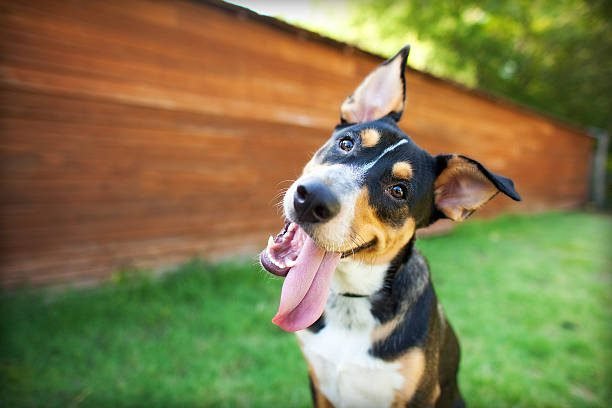
Simple care, pet nutrition, and fitness tips to keep your loyal companion strong, happy, and full of life
Behaviour
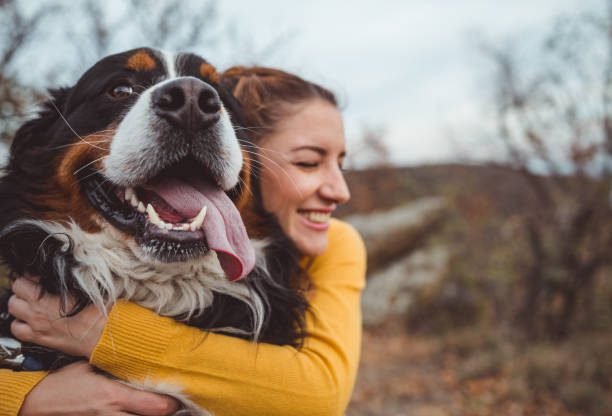
Decode your dog’s actions, emotions, and habits to build a stronger bond and a happier home.
Get your fix of Pet Nature Hub
We promise not to send you garbage that turns your inbox into a litter box. Just our latest tips and support for your pet.