
Pets That Sleep All Day: Alarming Truths Every Pet Owner Must Understand
Discover why pets that sleep all day may be bored, stressed, or unwell. Learn warning signs, causes, and expert tips to keep your pet healthy and active.
Many pet owners casually say, “My pet sleeps all day, it’s normal.” While rest is essential for animals, pets that sleep all day may not always be healthy, relaxed, or content. Sometimes, excessive sleeping hides emotional distress, boredom, or even medical concerns.
Understanding the difference between normal rest and unhealthy sleep patterns is critical. Pets cannot explain how they feel, but their behavior speaks loudly. This guide uncovers the real truth about pets that sleep all day, helping you recognize warning signs, emotional needs, and practical solutions to keep your pet happy and healthy.
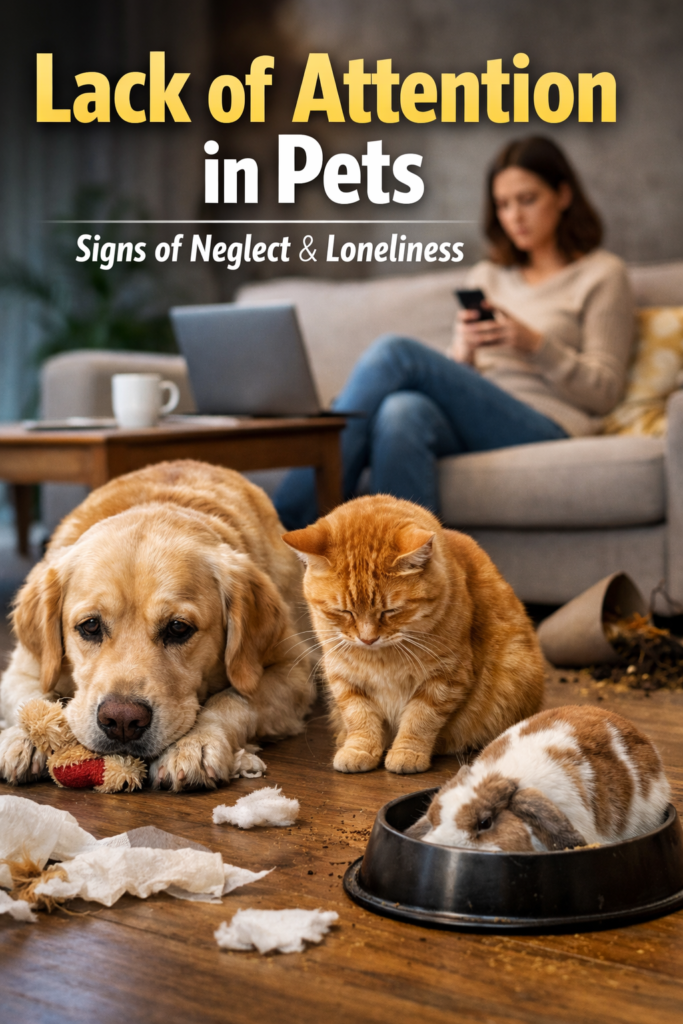
Is It Normal for Pets to Sleep All Day?
1. Mental Boredom The #1 Reason Pets That Sleep All Day Go Unnoticed
One of the most common reasons pets sleep excessively is lack of mental stimulation. Even when choosing the Best Dog Breeds for Families, proper engagement remains essential. Pets left alone for long hours without toys, training, or regular interaction often sleep simply because there’s nothing else to do, which can affect their emotional well-being regardless of how family-friendly the breed is.
Pets that sleep all day are often bored, not tired.
Signs of boredom-related sleep:
Waking up only to eat
No excitement for toys
Sleeping immediately after waking
Mental exercise is just as important as physical activity.
2. Emotional Neglect and Loneliness
Pets are emotional beings. When attention, affection, or bonding time is missing, they may emotionally shut down.
This emotional withdrawal often appears as:
Excessive sleeping
Reduced social interaction
Avoidance behavior
Over time, pets learn that seeking attention brings no response, so they stop trying.
3. Stress and Depression in Pets
Yes—pets can experience depression.
Triggers include:
Owner absence
Changes in routine
New pets or people
Loud environments
Loss of a companion
For many animals, sleep becomes a coping mechanism. Pets that sleep all day may be emotionally overwhelmed.
4. Poor Diet and Low Energy Levels
Low-quality food lacking essential nutrients can lead to constant fatigue.
Nutrition-related sleep issues may involve:
Low protein intake
Vitamin deficiencies
Poor digestion
If your pet eats well but still lacks energy, diet quality should be evaluated.
5. Age-Related Changes
Puppies, kittens, and senior pets naturally sleep more.
However, sudden changes in sleep behavior are never normal, even in older pets.
Gradual slowing is expected. Sudden withdrawal is not.
Yes and no.
Most pets naturally sleep more than humans:
Cats: 12–16 hours a day
Dogs: 12–14 hours a day
Small pets: Sleep cycles vary, often hidden
However, pets that sleep all day without energy, curiosity, or engagement may be experiencing more than simple tiredness.
Normal sleep includes:
Short naps
Periods of alertness
Interest in food, play, or interaction
Abnormal sleep includes:
Sleeping most of the day and night
Ignoring favorite activities
Minimal response to attention
When Sleeping All Day Becomes a Warning Sign
Watch closely if your pet:
Sleeps more than usual suddenly
Avoids interaction
Stops playing
Loses or gains weight
Shows mood changes
Pets that sleep all day and show behavior changes should never be ignored.
Medical Reasons Pets Sleep Excessively
Sometimes the cause is physical, not emotional.
Possible medical causes include:
Infections
Pain or arthritis
Hormonal imbalances
Parasites
Heart or organ issues
If excessive sleep continues despite stimulation and routine changes, a vet visit is essential.
Species-Specific Sleep Behavior
Cats
Cats are naturally crepuscular (active at dawn and dusk). Indoor cats without stimulation often sleep excessively due to boredom.
Dogs
Dogs rely heavily on routine, walks, and attention. Without these, they become inactive and sleep excessively.
Small Pets
Small animals hide illness well. Sleeping more than usual is often one of the first warning signs.
How to Tell If Your Pet Is Sleeping Too Much
Ask yourself:
Has sleep increased recently?
Does my pet still show excitement?
Are eating habits normal?
Is interaction reduced?
If the answer is “yes” to changes, it’s time to act.
How to Help Pets That Sleep All Day
1. Increase Mental Stimulation
Puzzle toys
Training sessions
New environments
Interactive play
2. Build a Daily Routine
Pets feel secure with predictable schedules:
Fixed feeding times
Regular play
Consistent walks
3. Give Quality Attention
Even 20–30 minutes of focused attention can dramatically improve mood and alertness.
4. Improve Nutrition
Choose balanced, high-quality food and avoid sudden changes without guidance.
5. Encourage Gentle Exercise
Movement improves:
Mood
Circulation
Mental clarity
What You Should Never Do
Label your pet as lazy
Ignore behavior changes
Replace interaction with screens or gadgets
Punish inactivity
Pets that sleep all day are often misunderstood, not misbehaving.
Emotional Health Matters More Than You Think
Pets communicate through behavior. Excessive sleeping can mean:
“I’m bored”
“I feel ignored”
“Something isn’t right”
When owners learn to recognize these signs, the pet-owner bond grows stronger.
FAQ Pets That Sleep All Day
1. Is it normal for pets to sleep all day?
Yes, sleep is normal for pets, but the amount varies by species, age, and activity level. Cats typically sleep 12–16 hours a day, dogs 12–14 hours, and small pets like rabbits or hamsters follow their own cycles. However, if your pet suddenly starts sleeping more than usual or seems lethargic, it may indicate boredom, stress, or a health issue. Pets that sleep all day should still show interest in food, play, and interaction.
2. Why do some pets sleep excessively?
Excessive sleep in pets can have several causes:
Boredom or lack of stimulation: Pets without toys, playtime, or attention often sleep out of inactivity.
Emotional stress or depression: Pets can feel lonely or anxious, leading them to sleep more.
Age-related changes: Puppies, kittens, and older pets naturally sleep longer.
Medical issues: Pain, arthritis, infections, hormonal imbalances, or organ problems may cause fatigue.
Monitoring sleep patterns helps determine if it’s normal or a warning sign.
3. How can I tell if my pet is sleeping too much?
Watch for changes in behavior alongside sleep:
Lack of interest in play or interaction
Avoiding eye contact or affection
Changes in eating or drinking habits
Mood swings or unusual irritability
If your pet sleeps significantly more than usual or shows these signs, it’s a red flag. A vet consultation is recommended.
4. Do all pets need the same amount of sleep?
No, sleep needs vary by species, breed, age, and activity level. For example:
Cats: Often sleep 12–16 hours and are most active at dawn and dusk.
Dogs: Average 12–14 hours; larger breeds may sleep more.
Small pets: Rabbits, guinea pigs, and hamsters may hide illness by sleeping more than usual.
Understanding species-specific sleep patterns helps distinguish normal rest from excessive sleep.
5. Can lack of attention make pets sleep more?
Yes. Pets are social and mentally active creatures. When left alone or ignored for long periods, pets may become bored or depressed. Sleeping becomes a coping mechanism. Pets that sleep all day due to neglect need mental stimulation, play, and focused attention to maintain emotional health.
6. What should I do if my pet sleeps all day?
Increase mental stimulation: Use toys, puzzles, and training activities.
Maintain a routine: Regular feeding, walks, and playtime improve alertness.
Monitor health: Watch for changes in weight, appetite, and mood.
Consult a veterinarian: Persistent excessive sleep may indicate an underlying medical issue.
7. Can improving diet reduce excessive sleep?
Yes. Pets on low-quality diets may feel lethargic due to nutritional deficiencies. Providing a balanced, high-quality diet appropriate for your pet’s age, breed, and health can improve energy levels and reduce unnecessary sleep.
If your pet’s behavior has changed recently, don’t ignore it. Small changes in sleep can signal deeper emotional or health issues. Paying attention today can prevent serious problems tomorrow.
Muntaha Farid is a passionate pet care writer specializing in dog behavior, pet health, and practical pet parenting tips. At PetNatureHub, she creates informative guides that help pet owners understand their pets’ needs, including nutrition, training, and daily care. Her mission is to make pet care simple, reliable, and accessible for every pet lover.
Pingback: Best Dog Breeds for Families (UK & USA) – Friendly & Safe Pets
Pingback: DIY Cat Toys Using Household Items -