
Critical Fatty Liver Disease in Pets: Symptoms, Causes & Treatment
Fatty liver disease in pets is a serious condition affecting cats and dogs. Learn causes, symptoms, treatment options, and prevention tips to protect your pet.
Fatty Liver Disease in Pets: Causes, Symptoms, Treatment & Prevention
Fatty liver disease, also known as hepatic lipidosis, is a serious but often misunderstood condition that affects pets—especially cats and overweight dogs. Issues related to pet weight loss, sudden appetite changes, or obesity can strongly contribute to this condition.
If left untreated, fatty liver disease can quickly become life-threatening. The good news? With early detection, proper care, and a healthy pet weight loss approach when needed, many pets recover fully.
As a pet owner, understanding this condition and the role of pet weight loss management can help you act fast and save your pet’s life.
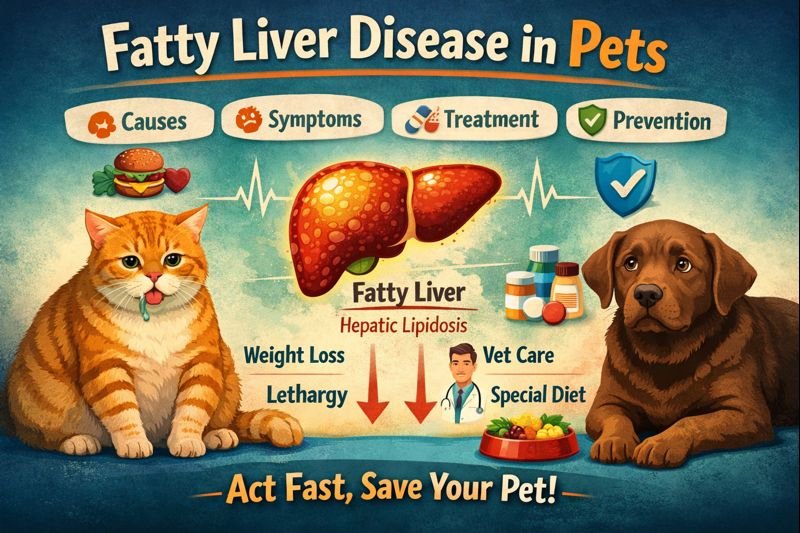
What Is Fatty Liver Disease in Pets?
Fatty liver disease occurs when excess fat accumulates in the liver, preventing it from functioning properly.
The liver plays a vital role in digestion, detoxification, and energy storage. When fat builds up, the liver cells become damaged, leading to severe health complications.
Cats are more prone to fatty liver disease, especially after sudden weight loss or appetite loss.
Causes of Fatty Liver Disease
Fatty liver disease rarely appears on its own. It is usually triggered by underlying issues.
Common Causes Include:
Sudden loss of appetite (especially in cats)
Obesity or rapid weight loss
Stress or environmental changes
Diabetes
Gastrointestinal diseases
Poor-quality diet
Prolonged fasting
Hormonal disorders
From personal experience, I’ve seen pets develop liver issues after stress-related appetite loss, such as moving homes or introducing a new pet.
Symptoms of Fatty Liver Disease
Early symptoms are often subtle, which makes this condition dangerous.
Warning Signs to Watch For:
Loss of appetite
Rapid weight loss
Lethargy and weakness
Vomiting
Yellowing of eyes or gums (jaundice)
Drooling
Behavior changes
Dehydration
If your pet stops eating for more than 24–48 hours, consult a veterinarian immediately.
Why Fatty Liver Disease Is Common in Cats
Cats have a unique metabolism. When they stop eating, their bodies quickly start breaking down fat for energy.
This fat floods the liver, which cannot process it efficiently leading to hepatic lipidosis.
Overweight cats are at the highest risk.
Diagnosis of Fatty Liver Disease
Veterinarians diagnose fatty liver disease through:
Physical examination
Blood tests (elevated liver enzymes)
Ultrasound
Liver biopsy (in severe cases)
Early diagnosis significantly improves recovery chances.
Treatment Options for Fatty Liver Disease
Treatment focuses on supporting liver function and restoring proper nutrition.
Common Treatment Methods:
Nutritional support (feeding tubes in severe cases)
High-protein, balanced diet
IV fluids
Medications to protect the liver
Treating underlying conditions
Treatment should always be guided by a veterinarian.
Diet for Pets with Fatty Liver Disease
Nutrition plays a critical role in recovery.
Recommended Diet Guidelines:
High-quality protein
Easily digestible foods
Frequent small meals
Vet-approved prescription diets
Avoid fatty, processed foods
Never force-feed without professional guidance.
Recovery & Prognosis
With timely treatment:
Most pets begin improving within weeks
Full recovery may take several months
Long-term dietary management is often needed
Delayed treatment can lead to liver failure, so early action is key.
Prevention Tips for Pet Owners
Preventing fatty liver disease is easier than treating it.
Prevention Checklist:
Maintain healthy pet weight
Avoid sudden diet changes
Monitor appetite daily
Reduce stress in your pet’s environment
Schedule regular vet checkups
Internal Tip: If your pet shows signs of stress or lack of attention, behavioral changes may affect eating habits and overall health.
FAQs About Fatty Liver Disease in Pets
Is fatty liver disease fatal?
Yes, if untreated. However, early treatment greatly improves survival rates.
Can dogs get fatty liver disease?
Yes, though it is more common in cats.
How long does recovery take?
Recovery may take weeks to months, depending on severity.
Can fatty liver disease come back?
Yes, if the underlying cause is not addressed.
Muntaha Farid is a passionate pet care writer specializing in dog behavior, pet health, and practical pet parenting tips. At PetNatureHub, she creates informative guides that help pet owners understand their pets’ needs, including nutrition, training, and daily care. Her mission is to make pet care simple, reliable, and accessible for every pet lover.
Pingback: Fatty Liver Treatment: How to Reverse Fatty Liver Naturally & Medically
Pingback: Types of Fatty Liver in Pets: Causes, Symptoms, and Treatment
Pingback: Dog Diseases and Medical Conditions: Symptoms, Causes & Prevention
Pingback: Arthritis in Dogs: Symptoms, Causes, Treatment & Daily Care Guide
Pingback: Pet Weight Loss Guide: Safe & Effective Ways to Help Your Pet