
Best Dog Food for Sensitive Stomachs Pet-Approved Picks & Tips (2026)
Discover the best dog food for sensitive stomachs with pet-style advice, top ingredients, and feeding tips to improve digestion, reduce gas, and support gut health.
Best Dog Food for Sensitive Stomach is a growing concern among pet owners whose dogs struggle with vomiting, diarrhea, gas, or digestive discomfort. Choosing the right formula can make a huge difference in your dog’s health and energy levels. In this guide, we’ll break down what causes sensitive stomachs in dogs and how to select the safest, most nutritious food options for them.
Best Dog Food for Sensitive Stomach
Dogs can have sensitive stomachs just like humans, and when they do, it shows. Vomiting, diarrhea, gas, itchy skin, and appetite changes are just a few signs something isn’t agreeing with their digestive system. The good news? The right diet can improve digestion, reduce symptoms, and bring energy and comfort back to your dog.
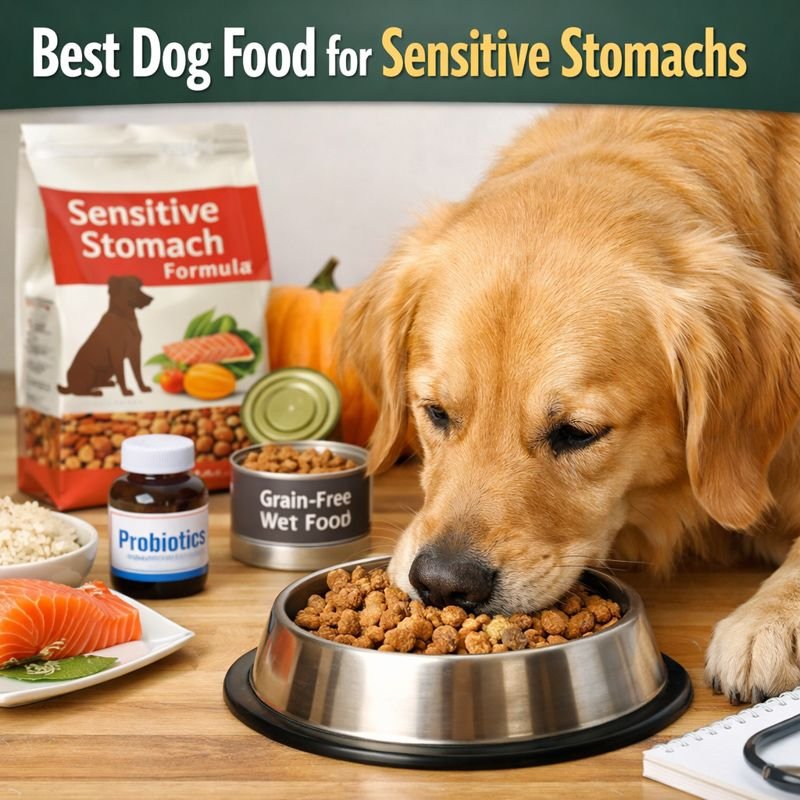
In this comprehensive guide, we’ll cover how to identify a sensitive stomach, what ingredients to look for, what to avoid, and the best dog food types for digestive health.Choosing the best dog food for sensitive stomach can reduce vomiting, gas, and digestive discomfort in dogs.
Best Dog Food for Sensitive Stomach: What to Look For
A sensitive stomach refers to digestive issues caused by food sensitivity, weak digestion, allergies, or intolerance. Some dogs are born with sensitive digestion while others develop it due to:
Sudden diet changes
Overfeeding
Stress
Parasites or infections
Low-quality pet food
Food allergies (common culprits: chicken, grain, dairy)
If your dog frequently experiences stomach trouble, choosing the best dog food for sensitive stomachs can make a dramatic difference.
Common Signs Your Dog May Have a Sensitive Stomach
Dogs can’t explain what hurts, but their bodies show it. Here are warning signs:
1. Vomiting & Nausea
Regular vomiting or gulping motions after meals can indicate poor digestion.
2. Diarrhea or Loose Stools
Watery or mushy stools often mean the food is too rich or hard to digest.
3. Excessive Gas & Bloating
Smelly gas is a sign the gut is struggling to break down ingredients.
4. Skin Problems
Sensitivity often involves the immune system. Expect:
Itchy skin
Ear infections
Red paws
Dull coat
5. Loss of Appetite or Pickiness
Dogs may refuse food that causes discomfort.
If these symptoms appear consistently, switching to sensitive stomach dog food is a smart first step.
What to Look for in Dog Food for Sensitive Stomach
Choosing the right formula is crucial. Here’s what pets often recommend:
Easily Digestible Protein
Look for proteins such as:
Salmon
Lamb
Turkey
Chicken (unless allergic)
Duck
Fish-based formulas (like salmon dog food for sensitive stomachs) are gentle and anti-inflammatory.
Limited Ingredient Diets (LID)
LID formulas help identify allergy triggers with minimal ingredients.
Example :
limited ingredient dog food
grain-free limited ingredient diet
Prebiotics & Probiotics
These support healthy gut bacteria. They reduce:
Gas
Loose stools
Inflammation
Fiber Sources
Helps stool consistency. Good fibers include:
Pumpkin
Beet pulp
Sweet potato
Oatmeal
Hydration Support
Wet food or broth can be easier to digest than dry kibble alone.
Ingredients to Avoid for Sensitive Stomach Dogs
Some ingredients cause irritation and should be reduced or avoided:
Artificial Additives
These worsen digestion:
Artificial coloring
Flavoring
Preservatives
Low-Quality Fillers
Ingredients like corn, wheat, and soy trigger sensitivity in many dogs.
High Fat Formulas
Greasy or fatty food causes pancreatitis or diarrhea.
Common Allergens
Some dogs develop protein allergies to:
Chicken
Beef
Dairy
Eggs
If symptoms match allergies, try a novel protein diet (fish, duck, venison).
Best Types of Dog Food for Sensitive Stomach
1. Salmon & Sweet Potato Formulas
Best for digestion + skin health
Gentle protein
Omega-3 fatty acids
No heavy grains
Great for the keyword: salmon dog food for sensitive stomach
2. Limited Ingredient Diet (LID) Foods
Best for food intolerance
Single protein source
Minimal ingredients
Easier allergy management
3. Grain-Free Sensitive Stomach Dog Food
Best for grain intolerance
No wheat, corn, soy
Better for stool quality
(Note: not necessary for every dog, only if grains cause issues.)
4. Wet Food for Digestive Relief
Wet food:
Adds hydration
Easier to digest
Soft texture
Great for senior dogs or dogs with dental problems.
5. Budget-Friendly Sensitive Stomach Foods
Not every owner can afford premium brands. Look for:
Short ingredient lists
No fillers
Digestive support ingredients
Dry vs Wet Dog Food: Which Is Better for Sensitive Stomach?
Both have benefits:
Dry Food Benefits:
Convenient
Better dental support
Long shelf life
Cheaper
Wet Food Benefits:
Softer & easier to digest
Higher moisture
More flavorful
Supplements That Help Sensitive Stomach Dogs
You can support gut health with:
1. Probiotics
Improve gut bacteria, reduce diarrhea & gas.
2. Digestive Enzymes
Help break down proteins, fats & carbs.
3. Pumpkin Puree
Fixes diarrhea & constipation due to fiber content.
4. Bone Broth
Gentle on stomach and improves hydration.
Check with a vet before adding supplements especially for puppies or seniors.
Switching Dog Food the Right Way (Important!)
Switching food overnight can make symptoms worse.
Follow this timeline:
Day 1–2 → 75% old + 25% new
Day 3–4 → 50% old + 50% new
Day 5–6 → 25% old + 75% new
Day 7 → 100% new food
If diarrhea appears, slow down transition.
When to Visit a Veterinarian
See a vet if your dog has:
Blood in stool
Chronic vomiting
Weight loss
Severe diarrhea
Refusal to eat for 24+ hours
Sometimes sensitive stomach symptoms come from:
Pancreatitis
Parasites
IBD (Inflammatory Bowel Disease)
Ulcers
Liver issues
Professional diagnosis prevents bigger problems.
Conclusion
Finding the best dog food for sensitive stomachs takes patience, but the results can transform your dog’s comfort and health. Stick to easily digestible proteins, limited ingredients, digestive boosters, and avoid fillers and artificial additives. With the right nutrition, even the most sensitive tummy can thrive.
If symptoms continue despite diet changes, always consult your veterinarian. Every dog is unique and the right diet makes all the difference.With the best dog food for sensitive stomachs, most dogs show better digestion, healthier stools, and more energy.
FAQs: Sensitive Stomach Dog Food
Q1: What is the best dog food for sensitive stomachs?
The best formulas include easily digestible protein, limited ingredients, and probiotics. Salmon, lamb, and turkey formulas are commonly recommended.
Q2: Is grain-free dog food better for sensitive stomachs?
Only if your dog reacts to grains. Otherwise, whole grains like oatmeal are excellent for digestion.
Q3: How long does it take for new food to work?
Most dogs show improvement within 2–6 weeks depending on severity and diet.
Q4: Can wet food help sensitive stomachs?
Yes, wet food is easier to digest and improves hydration, especially for senior dogs.
Q5: Do probiotics help?
Yes. Probiotics reduce diarrhea, gas, and inflammation by balancing gut bacteria.
Q6: What protein is best for sensitive dogs?
Fish (salmon) and lamb are often the easiest to digest and less allergenic than chicken or beef.
Muntaha Farid is a passionate pet care writer specializing in dog behavior, pet health, and practical pet parenting tips. At PetNatureHub, she creates informative guides that help pet owners understand their pets’ needs, including nutrition, training, and daily care. Her mission is to make pet care simple, reliable, and accessible for every pet lover.
Pingback: Foods Toxic to Dogs That Can Kill Your Dog