
7 Clear Signs a Mare Is Ready to Breed: Complete Mare Heat Guide
Learn the 7 clear signs a mare is ready to breed. Discover mare heat behavior, fertility timing, and breeding readiness tips for successful horse breeding.
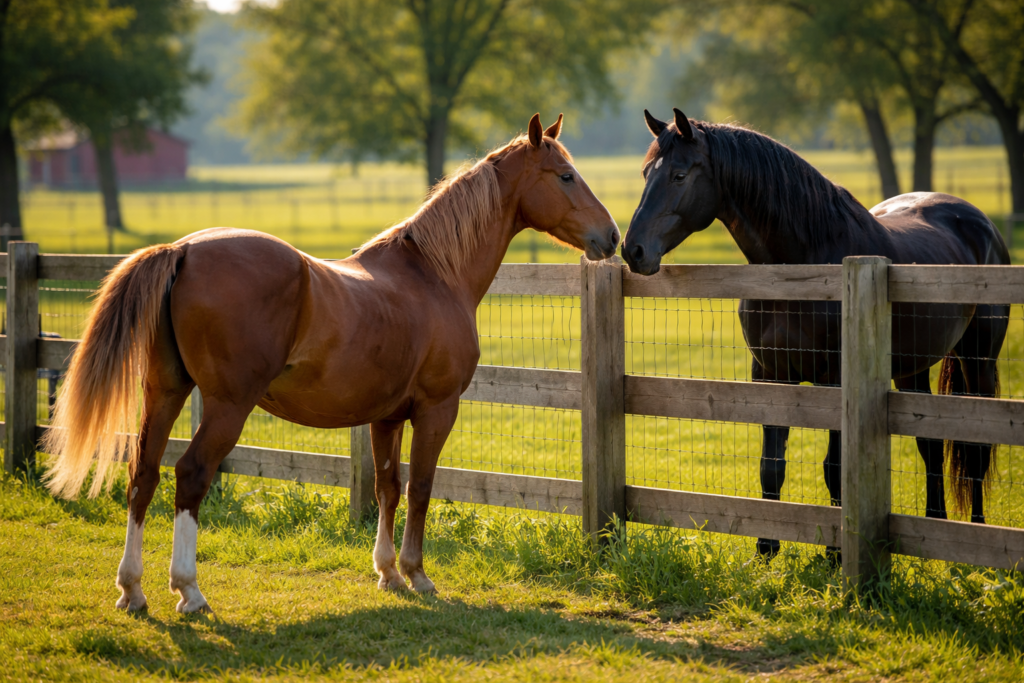
Signs a Mare Is Ready to Breed: Complete Guide for Horse Owners
If you are planning horse breeding, understanding the signs a mare is ready to breed is essential for success. A mare only accepts a stallion during a specific phase of her reproductive cycle, and recognizing these signals helps ensure proper timing, higher conception rates, and safer breeding management.
In this guide, you’ll learn the physical, behavioral, and hormonal signs that indicate a mare is in heat and ready for breeding, along with expert tips for horse owners and breeders.
Understanding the Mare Breeding Cycle
Before identifying the signs a mare is ready to breed, it’s important to understand the mare’s estrous cycle. Most mares are seasonal breeders, meaning they cycle during spring and summer when daylight hours increase.
A typical mare cycle lasts about 21 days, with the fertile period (estrus or heat) lasting 4–7 days. During estrus, the mare becomes receptive to the stallion and ovulation occurs near the end of this phase.
Behavioral Signs a Mare Is Ready to Breed
Behavior changes are often the first noticeable signs a mare is ready to breed.
1. Tail Raising
A mare in heat frequently lifts her tail, especially when near a stallion. This posture allows mating and is one of the clearest breeding signals.
2. Frequent Urination
Mares ready for breeding often urinate small amounts repeatedly when approached by a stallion. This behavior releases pheromones that attract males.
3. Standing Still for the Stallion
One of the strongest signs a mare is ready to breed is her willingness to stand calmly and allow the stallion to approach or mount.
4. Winking of the Vulva
Rhythmic opening and closing of the vulva, known as “winking,” indicates sexual receptivity and is a classic estrus sign.
5. Friendly or Flirtatious Behavior
A mare in heat may appear more affectionate, seeking attention and showing interest in nearby horses, especially males.
Physical Signs a Mare Is Ready to Breed
Along with behavior, physical changes also show the mare is fertile.
1. Swollen Vulva
Mild swelling and relaxation of the vulva occur during estrus to prepare for mating.
2. Clear Mucus Discharge
A transparent or slightly cloudy discharge may be visible, signaling hormonal changes linked to ovulation.
3. Relaxed Pelvic Muscles
As ovulation approaches, muscles around the tail head and pelvis soften, making breeding easier.
Hormonal and Internal Signs
Veterinarians and experienced breeders may track internal indicators of fertility.
Estrogen Increase: Peaks during estrus, causing receptive behavior
Large Ovarian Follicle: Detected by ultrasound before ovulation
Cervical Relaxation: Opens to allow sperm entry
These internal signs confirm the mare is ready to breed at the optimal time.
Best Time to Breed a Mare
The ideal breeding time is 24–48 hours before ovulation. Since ovulation usually occurs near the end of estrus, mares showing strong receptivity for several days are approaching peak fertility.
Breeders often monitor mares daily during heat to choose the best breeding window.
Signs a Mare Is NOT Ready to Breed
Knowing when a mare is not in heat is equally important.
Kicking or biting the stallion
Tail clamped down
Refusing approach
No urination response
Aggressive behavior
These indicate diestrus (non-fertile phase).
Factors That Affect Mare Fertility
Several factors influence how clearly a mare shows breeding readiness:
Age and reproductive health
Nutrition and body condition
Season and daylight length
Stress or illness
Hormonal balance
Healthy mares in spring usually show the strongest signs.
Tips for Breeding Success
Observe mares daily during breeding season
Tease mares with a stallion to detect heat
Consult a veterinarian for ultrasound timing
Maintain proper nutrition and weight
Record cycle dates and behavior
Consistent monitoring improves conception rates.
Common Breeding Mistakes to Avoid
Breeding too early in estrus
Ignoring subtle behavioral signs
Poor mare nutrition
Lack of veterinary guidance
Stressful environment
Avoiding these mistakes ensures healthier pregnancies.
When to Call a Veterinarian
Seek professional help if:
Mare shows irregular cycles
No heat signs during season
Repeated breeding failure
Abnormal discharge
Suspected reproductive issues
Early evaluation prevents infertility problems.
Conclusion
Recognizing the signs a mare is ready to breed is crucial for successful horse reproduction. Behavioral signals like tail raising, urination, and vulva winking, along with physical and hormonal changes, clearly indicate fertility. By monitoring mares carefully and breeding at the optimal time, horse owners can improve conception rates and ensure healthy foal production.
FAQs: Signs a Mare Is Ready to Breed
How do I know if my mare is ready to breed?
Look for tail raising, urination, vulva winking, and stallion acceptance.
What is the clearest breeding sign?
Standing still for mounting.
How many days is a mare fertile?
About 5–7 days, with peak fertility near ovulation.
Do all mares show obvious signs?
No, some mares have silent heat.
Can a mare be bred outside season?
Yes, using artificial lighting or hormones.
Muntaha Farid is a passionate pet care writer who specializes in dog behavior, pet health, and practical pet parenting tips. At PetNatureHub, she writes detailed guides that help pet owners understand their pets needs, from nutrition and training to everyday care. Her goal is to make pet care simple, informative, and accessible for every pet lover.