
Complete beginner dog care guide (USA & UK)
New dog owner? Learn feeding, training, grooming, health care, and routines in this complete beginner dog care guide for USA & UK first-time owners.
Complete Dog Care Guide for Beginners (USA & UK)
Bringing home your first dog is exciting, emotional, and sometimes overwhelming. New dog owners in the USA and UK often search for clear guidance on feeding, training, grooming, and health care especially when they want to give their pet the best possible start.
This complete dog care guide for beginners explains everything first-time owners need to know, from preparing your home to building a healthy daily routine. Whether you adopted a puppy or rescued an adult dog, this step-by-step guide will help you raise a happy, well-behaved companion.
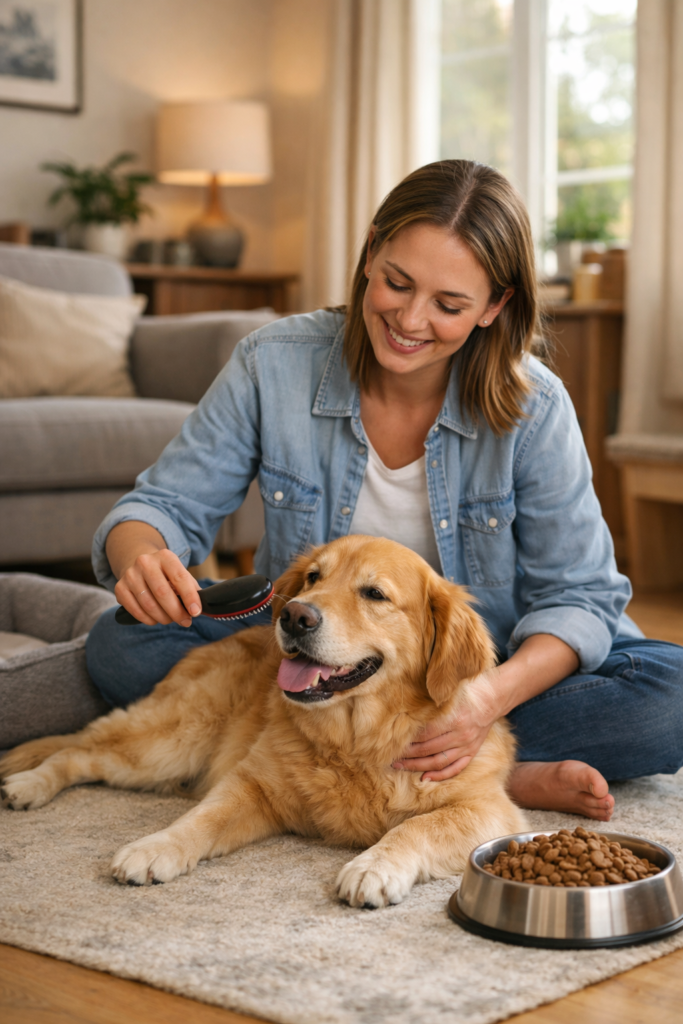
Why Proper Dog Care Guide
Dogs depend entirely on humans for survival, safety, and emotional well-being. Proper care directly affects a dog’s:
Lifespan
Behaviour
Health
Confidence
Bond with owner
Poor care can lead to obesity, anxiety, aggression, and preventable diseases. Good care helps most dogs live 10–15 healthy years.
Preparing Your Home for a New Dog
Before your dog arrives, create a safe and comfortable environment. Dogs feel secure when they have predictable spaces and routines from day one.
Essential preparation steps include removing hazards, setting a sleeping area, and purchasing basic supplies like bowls, leash, and bed. Crate training is also widely recommended in the USA and UK because it provides a safe resting space and supports house training.
Feeding Your Dog the Right Way
Nutrition is one of the most important aspects of dog care for beginners. A balanced diet supports growth, immunity, coat health, and energy levels.
Dogs should eat food labeled complete and balanced according to AAFCO (USA) or FEDIAF (UK/EU) standards. Quality dog food typically lists real meat as the first ingredient and contains essential nutrients like protein, fats, vitamins, and minerals.
Overfeeding is one of the most common beginner mistakes and can lead to obesity — a major health issue in pets across the USA and UK.
Dog Feeding Guidelines
| Dog Age | Meals Per Day | Notes |
|---|---|---|
| Puppy (2–6 months) | 3–4 | Supports growth |
| Puppy (6–12 months) | 2–3 | Transition stage |
| Adult dog | 2 | Standard feeding |
| Senior dog | 2 | Lower calories |
Always follow your dog food brand’s portion recommendations based on weight.
Foods Dogs Must Never Eat
Some human foods are toxic to dogs and can cause severe illness or death. These include chocolate, grapes, onions, xylitol sweetener, alcohol, and avocado. Beginners should ensure these foods are never accessible to pets.
Exercise Needs for Dogs
Daily physical activity is essential for both health and behaviour. Exercise prevents obesity, boredom, and destructive habits.
Most dogs require 30–120 minutes of activity daily depending on breed and size. Puppies need shorter sessions, while large active breeds need longer walks and playtime.
Regular walks also provide mental stimulation through new smells and environments, which is crucial for canine well-being.
Dog Training Basics for Beginners
Training is the foundation of a well-behaved dog. It builds communication and trust between dog and owner.
Essential commands every beginner dog should learn include sit, stay, come, down, and leave it. These commands improve safety and control in daily life.
Modern dog training in Western countries emphasizes reward-based methods popularized by trainers such as Cesar Millan. Positive reinforcement uses treats, praise, and toys to encourage desired behaviour instead of punishment.
Short training sessions of 5–10 minutes repeated daily are most effective.
Grooming Your Dog
Regular grooming keeps dogs clean and prevents skin, ear, and coat problems. Grooming also helps owners detect parasites, injuries, or abnormalities early.
Brushing frequency depends on coat type, but most dogs benefit from brushing several times per week. Bathing every 4–6 weeks is typically sufficient unless the dog becomes dirty.
Nail trimming and ear cleaning should be performed monthly. Dental care is also important because dental disease is common in pets.
Basic Dog Health Care
Routine veterinary care is essential for disease prevention and early detection of health issues.
Core vaccines recommended in the USA and UK protect against rabies, distemper, parvovirus, and adenovirus. Puppies receive multiple doses during their first year.
Parasite prevention is also crucial because fleas, ticks, and worms are common worldwide. Monthly preventive treatments and regular vet checkups keep dogs protected.
Signs Your Dog May Be Sick
| Symptom | Possible Concern |
|---|---|
| Loss of appetite | Illness |
| Vomiting or diarrhea | Infection/toxin |
| Lethargy | Disease |
| Limping | Injury |
| Excess scratching | Parasites/allergy |
If symptoms persist more than 24 hours, veterinary advice is recommended.
Creating a Healthy Daily Routine
Dogs thrive on consistency and predictability. A structured daily schedule reduces anxiety and improves behaviour.
A balanced routine includes feeding, walks, play, training, rest, and toilet breaks at consistent times each day. Dogs quickly learn routines and feel secure when life is predictable.
Mental Stimulation for Dogs
Mental exercise is just as important as physical activity. Dogs are intelligent animals that require problem-solving and engagement.
Activities like puzzle toys, scent games, training sessions, and exploring new walking routes keep dogs mentally stimulated. Lack of mental stimulation often leads to destructive behaviours such as chewing or barking.
Socialization for Puppies and New Dogs
Socialization teaches dogs to feel comfortable in the human world. Early positive exposure prevents fear and aggression later in life.
Dogs should gradually experience different people, environments, sounds, surfaces, and other animals in a controlled and positive way. Proper socialization is especially important during puppyhood but also benefits adult rescue dogs.
Common Beginner Dog Care Mistakes
Many first-time owners unintentionally create behaviour or health problems. The most common mistakes include inconsistent training, overfeeding, insufficient exercise, skipping vet visits, and poor socialization.
Punishment-based training is another major mistake because it creates fear and damages trust. Positive reinforcement is proven to be more effective and humane.
Beginner-Friendly Dog Breeds
Some breeds are widely recommended for first-time owners due to their gentle temperament, trainability, and adaptability to family life.
Easy Dog Breeds for Beginners
| Breed | Key Traits |
|---|---|
| Labrador Retriever | Friendly, trainable |
| Golden Retriever | Gentle, loyal |
| Cavalier King Charles Spaniel | Calm, affectionate |
| Poodle | Intelligent |
| Bichon Frise | Adaptable |
These breeds are consistently popular in both the USA and UK because they integrate well into households.
Emotional Needs of Dogs
Dogs are highly social animals that need companionship and interaction. Emotional neglect can lead to anxiety, excessive barking, and destructive behaviour.
Healthy emotional care includes attention, play, affection, training interaction, and shared activities. Dogs form strong bonds with their owners and thrive on relationship-based living.
Indoor vs Outdoor Living
Veterinary and animal welfare organizations in Western countries strongly recommend indoor living for companion dogs.
Indoor dogs are safer from weather extremes, parasites, and accidents. They also bond more closely with owners and experience lower stress levels.
Outdoor-only dogs face environmental risks and often develop behavioural or emotional problems due to isolation.
Cost of Dog Ownership (USA & UK)
Owning a dog involves ongoing financial responsibility. Average yearly costs typically range from $1,200–$2,500 in the USA and £900–£2,000 in the UK, depending on breed size and healthcare needs.
Expenses include food, veterinary care, grooming, toys, insurance, and preventive treatments. Larger breeds generally cost more due to higher food and medical expenses.
Puppy vs Adult Dog Care Differences
Puppies require intensive training, frequent feeding, vaccinations, and supervision. Adult dogs require maintenance care, routine exercise, and continued training reinforcement.
Both puppies and adult dogs need structure, consistency, and emotional bonding to thrive in a home environment.
Final Tips for First-Time Dog Owners
Successful dog ownership comes from patience, consistency, and understanding canine needs. New owners should focus on routine, positive training, regular exercise, and preventive healthcare.
Building trust takes time, but the reward is a loyal companion and strong human-animal bond that lasts for years.
Conclusion
Caring for a dog for the first time can feel overwhelming, but with proper knowledge and consistent care, it becomes one of life’s most fulfilling experiences.
By providing balanced nutrition, daily exercise, positive training, grooming, health care, and emotional attention, you give your dog the best chance at a long and happy life.
Every experienced dog owner started as a beginner and with patience and love, you and your dog will build a lifelong bond.
Frequently Asked Questions About Dog Care for Beginners
How do I take care of a dog for the first time?
First-time dog care involves providing balanced nutrition, daily exercise, basic training, grooming, and regular veterinary care. Establish a consistent routine for feeding, walks, toilet breaks, and sleep so your dog feels secure and learns good behaviour.
How often should I feed my dog?
Most adult dogs should be fed twice per day, while puppies require three to four meals daily to support growth. Always follow feeding guidelines based on your dog’s age, weight, and food type to avoid overfeeding.
How much exercise does a dog need daily?
Dogs typically need 30 to 120 minutes of exercise per day depending on breed, size, and age. Small breeds may need shorter walks, while large or active breeds require longer physical activity and playtime to stay healthy.
What is the best dog breed for beginners?
Beginner-friendly dog breeds include Labrador Retrievers, Golden Retrievers, Cavalier King Charles Spaniels, Poodles, and Bichon Frise. These breeds are known for gentle temperament, trainability, and adaptability to family life.
How often should I bathe my dog?
Most dogs should be bathed every 4–6 weeks using dog-specific shampoo. Bathing too frequently can dry the skin, while infrequent bathing may lead to odor and coat issues. Dogs that get dirty outdoors may need occasional extra baths.
When should I start training my dog?
Training should begin as soon as your dog arrives home. Puppies can start learning basic commands at 8 weeks old. Early training builds good habits and prevents behaviour problems later in life.
What vaccines does my dog need?
Core vaccines recommended in the USA and UK protect against rabies, distemper, parvovirus, and adenovirus. Puppies require a series of vaccinations during their first year, followed by booster shots as advised by a veterinarian.
How do I know if my dog is sick?
Common signs of illness in dogs include loss of appetite, vomiting, diarrhea, lethargy, limping, or excessive scratching. If symptoms last more than 24 hours or worsen, veterinary care is recommended.
Can dogs live outside full time?
Most veterinarians and animal welfare experts recommend that dogs live indoors with their families. Indoor living improves safety, emotional well-being, and bonding, while outdoor-only dogs face weather, parasite, and isolation risks.
How expensive is owning a dog in the USA or UK?
Average yearly dog ownership costs range from about $1,200–$2,500 in the USA and £900–£2,000 in the UK. Costs include food, veterinary care, grooming, toys, insurance, and preventive treatments.
What should I buy before getting a dog?
Essential supplies include a dog bed, food and water bowls, quality dog food, collar and ID tag, leash, crate, toys, and grooming brush. Preparing these items before bringing your dog home helps reduce stress during transition.
How long does it take for a dog to adjust to a new home?
Most dogs begin adjusting within a few days but may take 2–4 weeks to feel fully comfortable. Rescue dogs may need longer. Consistent routines, patience, and positive interaction help dogs settle more quickly.
Muntaha Farid is a passionate pet care writer who specializes in dog behavior, pet health, and practical pet parenting tips. At PetNatureHub, she writes detailed guides that help pet owners understand their pets needs, from nutrition and training to everyday care. Her goal is to make pet care simple, informative, and accessible for every pet lover.