
Arthritis in Dogs- Symptoms, Causes, Treatment & Daily Care Guide
Learn everything about arthritis in dogs, including symptoms, causes, treatment options, diet, exercise, and daily care tips to improve your dog’s mobility and quality of life.
Arthritis and joint pain in dogs is one of the most common health problems seen in aging and large-breed dogs. Arthritis in dogs causes chronic inflammation of the joints, leading to pain, stiffness, reduced mobility, and a lower quality of life. Many pet owners assume that slowing down is a normal part of aging, but in reality, canine arthritis is a medical condition that requires proper care and management.
With early diagnosis and the right care plan, dogs with arthritis can live comfortable and active lives. This complete care guide will help you understand canine arthritis, its causes, symptoms, treatment options, diet plans, exercise routines, and home care tips.
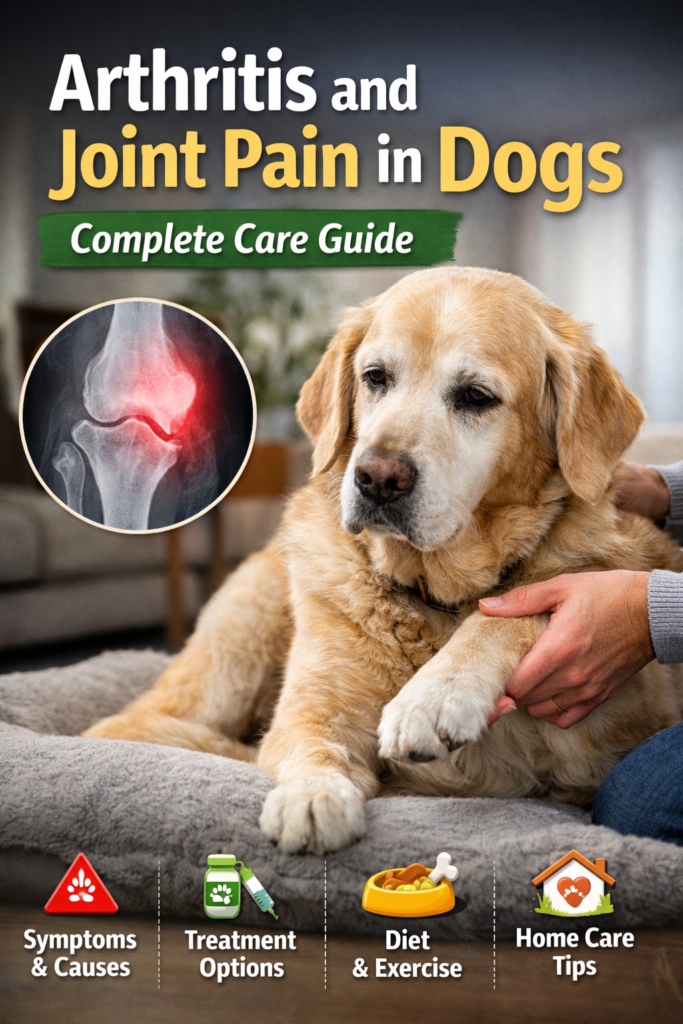
What Is Arthritis in Dogs?
Arthritis in dogs, also known as osteoarthritis or degenerative joint disease, is a condition in which the cartilage that cushions the joints slowly wears away. As the cartilage breaks down, the bones rub against each other, causing pain, swelling, and inflammation. Over time, joint pain in dogs becomes more severe, limiting movement and flexibility.
Arthritis in dogs can affect any joint, but it most commonly occurs in the hips, knees, elbows, shoulders, and spine. The condition is progressive, meaning it worsens over time if not properly managed.
Causes of Arthritis and Joint Pain in Dogs
Several factors can contribute to arthritis in dogs. Understanding these causes can help with prevention and early treatment.
1. Aging
As dogs grow older, their joints naturally experience wear and tear. Senior dogs are at the highest risk of developing arthritis and joint pain.
2. Breed and Genetics
Large and giant breeds such as Labrador Retrievers, German Shepherds, Golden Retrievers, and Rottweilers are more prone to arthritis in dogs due to the stress placed on their joints.
3. Obesity
Excess weight in pets puts additional pressure on the joints, accelerating cartilage breakdown. Obesity significantly increases joint pain in dogs.
4. Joint Injuries
Previous injuries, fractures, or ligament tears can lead to arthritis in dogs later in life.
5. Developmental Disorders
Conditions like hip dysplasia and elbow dysplasia often result in early-onset arthritis in dogs.
Symptoms of Arthritis in Dogs
Recognizing the early signs of arthritis in dogs is crucial for timely treatment. Common symptoms include:
Stiffness, especially after resting or sleeping
Difficulty standing up or lying down
Limping or favoring one leg
Reluctance to walk, run, or climb stairs
Decreased activity and playfulness
Swollen or painful joints
Behavioral changes such as irritability
As arthritis and joint pain in dogs progress, these symptoms become more noticeable and persistent.
How Arthritis in Dogs Is Diagnosed
Veterinarians diagnose arthritis in dogs through a combination of physical examinations, medical history, and diagnostic imaging. Common diagnostic methods include:
Joint palpation to check for pain and swelling
X-rays to identify joint damage
Blood tests to rule out other conditions
Gait analysis to observe movement abnormalities
Early diagnosis allows for better management of joint pain in dogs and slows disease progression.
Treatment Options for Arthritis and Joint Pain in Dogs
Although arthritis in dogs cannot be cured, several treatment options can significantly reduce pain and improve mobility.
1. Medications
Veterinarians often prescribe anti-inflammatory drugs to reduce pain and swelling. Pain management is a key part of treating arthritis in dogs.
2. Joint Supplements
Glucosamine, chondroitin, and omega-3 fatty acids help support joint health and reduce inflammation associated with arthritis in dogs.
3. Physical Therapy
Physical therapy, including massage and controlled exercises, improves joint flexibility and muscle strength.
4. Weight Management
Maintaining a healthy weight is essential to reduce joint pain in dogs and prevent further damage.
5. Advanced Therapies
In severe cases, options such as laser therapy, stem cell therapy, or surgery may be recommended.
Diet Plan for Dogs with Arthritis
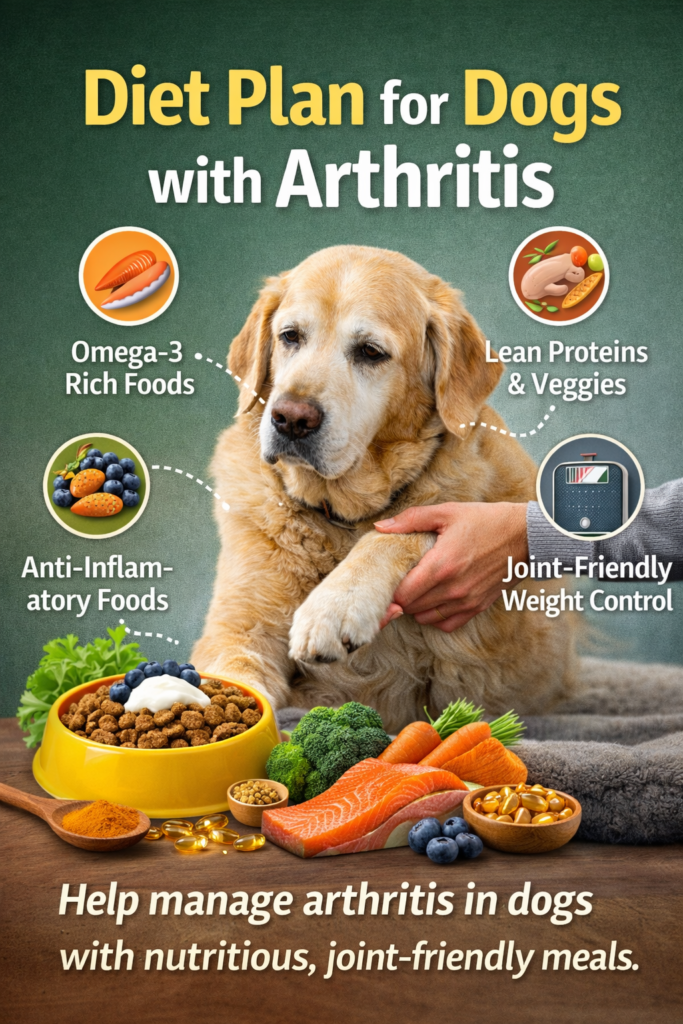
Proper nutrition plays a vital role in managing arthritis and joint pain in dogs.
Recommended Foods
High-quality protein to support muscle mass
Omega-3 fatty acids from fish oil
Antioxidant-rich fruits and vegetables
Joint-support supplements
Foods to Avoid
High-fat processed foods
Excess carbohydrates that contribute to weight gain
Low-quality commercial pet foods
A balanced diet helps reduce inflammation and supports overall joint health.
Exercise and Activity Guidelines
Regular, low-impact exercise is essential for dogs with arthritis. Proper activity helps maintain joint mobility without causing excessive strain.
Best Exercises
Short, controlled walks
Swimming or hydrotherapy
Gentle stretching exercises
Exercises to Avoid
Jumping or running on hard surfaces
High-impact activities
Sudden changes in activity levels
Consistency is key when managing arthritis in dogs through exercise.
Home Care Tips for Dogs with Arthritis
Simple changes at home can greatly improve comfort for dogs suffering from joint pain.
Provide orthopedic bedding
Use ramps instead of stairs
Keep nails trimmed to improve stability
Maintain a warm environment
Avoid slippery floors
Daily care routines play an important role in managing arthritis and joint pain in dogs.
Preventing Arthritis in Dogs
While not all cases can be prevented, certain steps can reduce the risk of arthritis in dogs:
Maintain a healthy weight
Provide regular exercise
Feed a balanced, joint-friendly diet
Schedule regular veterinary checkups
Address joint injuries promptly
Early prevention strategies can delay the onset of arthritis and joint pain in dogs.
When to See a Vet
If your dog shows persistent signs of pain, stiffness, or reduced mobility, consult a veterinarian immediately. Early medical intervention can slow the progression of arthritis in dogs and improve long-term outcomes.
FAQ
1. What is arthritis in dogs?
Arthritis in dogs, also known as osteoarthritis or degenerative joint disease, is a condition where the cartilage cushioning the joints gradually wears away. This leads to bone-on-bone friction, pain, inflammation, and decreased joint mobility. It is a progressive condition and can significantly affect a dog’s quality of life if left untreated.
2. What causes arthritis in dogs?
Several factors contribute to arthritis in dogs, including:
Aging: Natural wear and tear of joints.
Breed: Large and giant breeds are more susceptible.
Obesity: Extra weight stresses the joints.
Injuries: Past fractures or ligament tears.
Developmental disorders: Conditions like hip dysplasia and elbow dysplasia.
3. What are the common symptoms of arthritis in dogs?
Early signs of arthritis in dogs may be subtle, including:
Stiffness after rest or sleep
Difficulty standing or lying down
Limping or favoring a leg
Decreased activity or playfulness
Swollen or painful joints
Behavioral changes such as irritability Recognizing these symptoms early can help in managing the condition effectively.
4. How is arthritis in dogs diagnosed?
Veterinarians diagnose arthritis through:
Physical examination of joints
Observation of gait and mobility
X-rays to detect joint damage
Blood tests to rule out other conditions Early diagnosis allows for timely treatment, reducing pain and preventing further joint damage.
5. Can arthritis in dogs be treated?
While arthritis cannot be fully cured, its symptoms can be managed effectively:
Medications: Anti-inflammatory drugs and pain relievers.
Joint supplements: Glucosamine, chondroitin, and omega-3 fatty acids.
Physical therapy: Massage, hydrotherapy, and controlled exercises.
Weight management: Maintaining an ideal weight to reduce joint stress.
Advanced treatments: Laser therapy, stem cell therapy, or surgery in severe cases.
6. What diet is recommended for dogs with arthritis?
A joint-friendly diet includes:
High-quality proteins to maintain muscle mass
Omega-3 fatty acids for anti-inflammatory benefits
Antioxidant-rich fruits and vegetables
Joint supplements Avoid feeding high-fat processed foods, excess carbohydrates, and low-quality commercial diets. Proper nutrition supports joint health and overall wellness.
7. What exercises are safe for dogs with arthritis?
Low-impact exercises help maintain mobility without overloading the joints:
Short, controlled walks
Swimming or hydrotherapy
Gentle stretching exercises Avoid high-impact activities, running on hard surfaces, and sudden increases in exercise intensity.
8. How can I make my home arthritis-friendly for my dog?
Creating a comfortable environment is essential:
Provide orthopedic bedding
Use ramps instead of stairs
Avoid slippery floors
Keep nails trimmed for better stability
Maintain a warm, comfortable environment
9. Can arthritis in dogs be prevented?
While not all cases are preventable, risk reduction strategies include:
Maintaining a healthy weight
Regular, low-impact exercise
Feeding a balanced, joint-friendly diet
Prompt treatment of injuries
Regular veterinary checkups
10. When should I take my dog to the vet?
Consult a veterinarian if your dog exhibits:
Persistent stiffness or limping
Difficulty standing or lying down
Decreased activity or playfulness
Painful or swollen joints Early veterinary care can slow disease progression and improve quality of life.
11. Are supplements effective for canine arthritis?
Supplements like glucosamine, chondroitin, and omega-3 fatty acids can help reduce inflammation, support cartilage, and improve joint health. They work best when combined with a healthy diet, exercise, and veterinary care.
12. Can senior dogs still enjoy an active life with arthritis?
Yes, with proper medical care, diet, exercise, and home modifications, dogs with arthritis can remain active and enjoy a good quality of life. Early detection and consistent management are key to maintaining mobility and comfort.
13. How do I monitor my dog’s arthritis progression?
Observe your dog for changes in activity, mobility, and behavior. Regular vet visits, X-rays, and keeping a symptom journal help track progression and evaluate treatment effectiveness.
14. Is arthritis painful for dogs?
Yes, arthritis causes chronic joint pain. Dogs may show subtle signs such as reluctance to move, irritability, or favoring one leg. Pain management is a critical part of care to improve comfort and mobility.
15. Can lifestyle changes help manage arthritis?
Absolutely. Weight management, proper diet, gentle exercise, home modifications, and consistent veterinary care collectively improve a dog’s comfort, mobility, and overall quality of life.