
Best Age to Breed a Mare: 5–10 Years Safe Breeding Guide
Discover the best age to breed a mare safely. Learn ideal breeding age, risks by age, fertility timeline, and expert veterinary guidelines for healthy foals.
Best Age to Breed a Mare Safely (Complete Vet-Approved Guide)
Breeding a horse is a big responsibility that affects both the mare’s health and the foal’s future. One of the most important questions horse owners ask is: what is the best age to breed a mare safely?
Breeding too early can harm growth and fertility, while breeding too late can increase pregnancy risks. Understanding the safest breeding age helps ensure healthy foals, smooth pregnancies, and long-term reproductive success.
This complete guide explains the safest breeding age range, risks by age group, and expert recommendations so you can make the best decision for your mare.
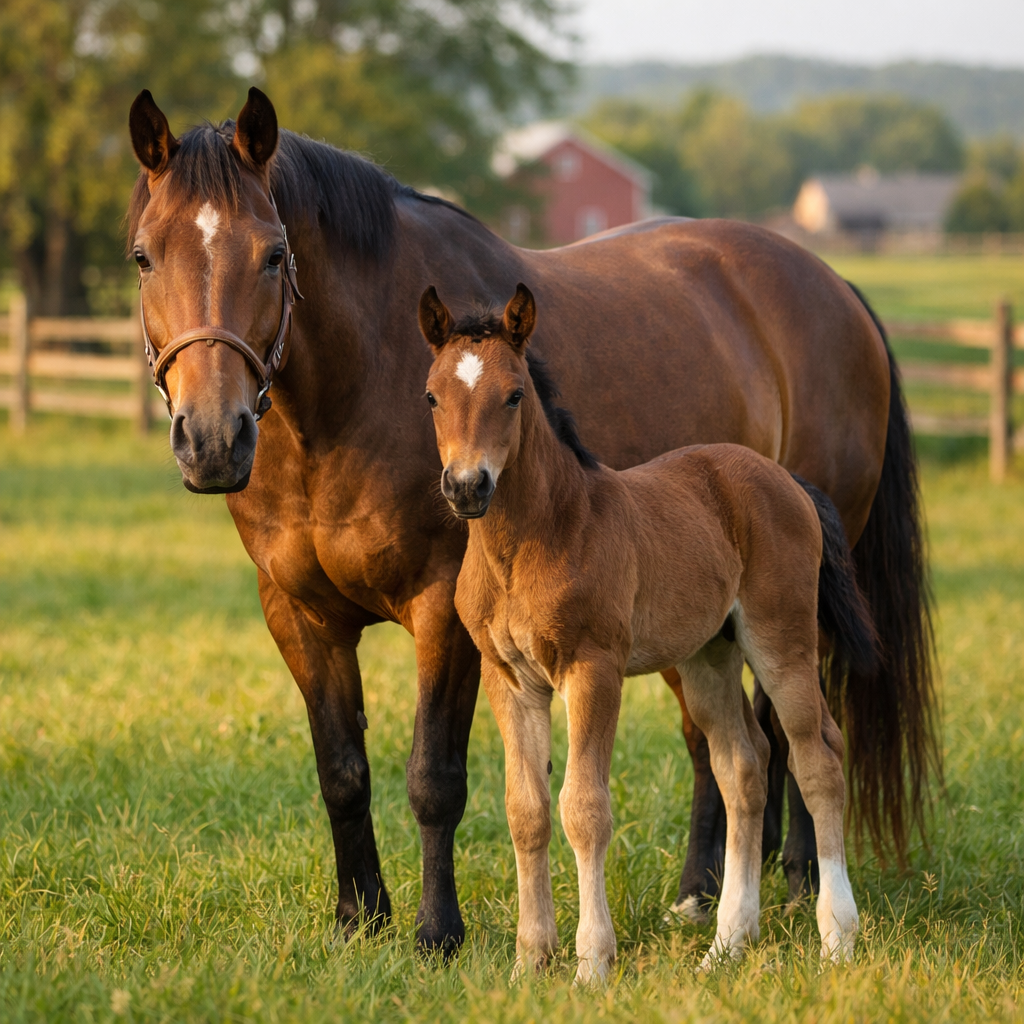
Why Mare Age Matters in Breeding
Age directly affects a mare’s:
Fertility rate
Pregnancy success
Foaling safety
Recovery after birth
Foal health
A mare’s reproductive system develops gradually and later declines with age. That’s why choosing the best age to breed a mare is essential for safe and successful breeding.
Best Age to Breed a Mare (Ideal Range)
Most veterinarians and equine reproduction specialists agree:
The best age to breed a mare is between 5 and 10 years old.
This age range offers the highest fertility and lowest complications.
Why 5–10 Years Is Ideal
Mare is fully grown physically
Pelvis and uterus fully developed
Hormone cycles regular
Strong body condition
Lower pregnancy risk
Better milk production
Healthier foals
Mares bred in this age window have the highest conception and foaling success rates.
Mare Breeding Age Chart
| Mare Age | Breeding Safety | Fertility Level | Risk Level |
|---|---|---|---|
| Under 3 | Not recommended | Low | High |
| 3–4 | Early breeding | Moderate | Moderate |
| 5–10 | Best age | High | Low |
| 11–14 | Acceptable | Moderate | Moderate |
| 15–18 | Risk increases | Lower | Higher |
| 19+ | High risk | Low | High |
This chart clearly shows why 5–10 years is considered the best age to breed a mare.
Young Mare Breeding: Is It Too Early?
Many mares reach sexual maturity at 12–18 months. However, fertility does not equal readiness.
Can You Breed a 2-Year-Old Mare?
Technically yes but not recommended.
Risks of breeding too young include:
Incomplete body growth
Narrow pelvis
Difficult foaling
Stunted development
Poor milk production
Higher foal mortality
Young mares are still growing. Pregnancy diverts nutrients from their own development, harming long-term health.
First Safe Breeding Age for a Mare
Most experts recommend:
First breeding at 4–5 years old
At this age:
Skeletal growth is complete
Reproductive organs mature
Hormonal cycles stable
Pelvis widened
Body condition optimal
Breeding at 4–5 ensures the mare is mature but still young enough for strong fertility.
Breeding Older Mares: How Late Is Too Late?
Older mares can still produce foals, but risks increase with age.
15+ Year Old Mare Breeding Risks
Reduced fertility
Early embryo loss
Uterine scarring
Hormonal imbalance
Placental problems
Difficult foaling
Weak foals
After 15, conception rates decline significantly.
When Should You Stop Breeding a Mare?
Most veterinarians recommend stopping breeding around:
16–18 years old
Some mares can breed into their 20s, but only if:
Excellent health
Previous successful foaling
Good reproductive history
Veterinary clearance
However, pregnancy complications rise sharply after 18.
Signs Your Mare Is at the Best Breeding Age
Your mare is likely in the optimal breeding window if she has:
Age between 5–10 years
Healthy body condition
Regular heat cycles
No reproductive disease
Good temperament
Strong bone structure
Normal pelvic width
These factors indicate peak reproductive readiness.
Fertility Changes by Age
Mare fertility follows a predictable pattern:
Young Mares (2–4)
Fertility developing
Conception moderate
Growth incomplete
Prime Mares (5–10)
Peak fertility
Highest conception
Strong pregnancy success
Mature Mares (11–14)
Fertility declining slowly
More monitoring needed
Older Mares (15+)
Reduced fertility
Higher pregnancy loss
This is why veterinarians consider 5–10 the best age to breed a mare.
Health Risks by Breeding Age
Early Breeding Risks
Growth interruption
Small pelvis
Foaling injury
Weak foals
Poor milk
Late Breeding Risks
Uterine fibrosis
Placental failure
Dystocia (difficult birth)
Stillbirth risk
Low milk
Correct timing minimizes these dangers.
Benefits of Breeding at the Ideal Age
Breeding within the safest age range provides:
Higher conception rates
Healthy pregnancies
Easy foaling
Strong foals
Better maternal behavior
Faster recovery
Mares bred at the best age to breed a mare often produce multiple healthy foals in their lifetime.
How Many Foals Can a Mare Safely Have?
On average:
4–8 foals safely
One foal per year
Peak years: 5–14
Overbreeding or breeding too late reduces fertility and health.
Factors More Important Than Age Alone
Age matters but other factors also affect safe breeding:
Nutrition
Genetics
Veterinary care
Body condition
Reproductive history
Breed type
A healthy 14-year-old may breed safer than an unhealthy 8-year-old.
Veterinary Recommendations for Safe Mare Breeding
Before breeding any mare, experts advise:
Reproductive exam
Uterine culture
Ultrasound
Body condition scoring
Vaccination check
Deworming
Dental care
These ensure safe pregnancy regardless of age.
Best Age for First Foal vs Lifetime Breeding
Important distinction:
First foal age: 4–6 years
Best breeding years: 5–10
Acceptable years: 11–14
Retirement: 16–18
This timeline maximizes reproductive success.
Common Breeding Age Mistakes
Horse owners often:
Breed too early
Wait too long
Breed unhealthy mares
Ignore fertility decline
Skip vet exams
These mistakes increase pregnancy loss and mare injury.
Breed Differences in Mare Breeding Age
Some horse breeds mature differently.
Early-maturing breeds:
Arabians
Quarter Horses
Later-maturing breeds:
Warmbloods
Draft horses
Larger breeds may need extra maturity before breeding.
Signs a Mare Is Too Old to Breed
Irregular heat cycles
Failed pregnancies
Uterine infection
Thin body condition
Low milk history
Difficult previous foaling
These indicate breeding retirement age.
Safe Breeding Practices for All Ages
To protect mare health:
Breed only healthy mares
Maintain proper nutrition
Monitor pregnancy closely
Provide foaling support
Limit lifetime foals
Avoid late-age breeding
These practices reduce risks significantly.
Final Verdict: Best Age to Breed a Mare
The safest and most successful breeding period is clear:
Best age to breed a mare: 5–10 years
First foal: 4–5 years
Stop breeding: 16–18 years
Breeding within this window provides the highest fertility, healthiest pregnancies, and strongest foals while protecting the mare’s long-term health.
Choosing the correct breeding age is one of the most important decisions a horse owner can make — ensuring both mare welfare and successful foal production.
FAQs About Best Age to Breed a Mare
What is the best age to breed a mare?
The safest and most fertile age is between 5 and 10 years old.
Can a 3-year-old mare have a foal safely?
It is possible but not recommended. Breeding at 4–5 years is safer.
Is 15 too old to breed a mare?
Fertility declines after 15 and risks increase. Veterinary evaluation is essential.
Can a 20-year-old mare get pregnant?
Some can, but pregnancy risks are high and breeding is usually discouraged.
How many years can a mare breed safely?
Most mares breed safely from 4 to 16 years old.
How many foals can a mare have?
Typically 4–8 foals during her lifetime.