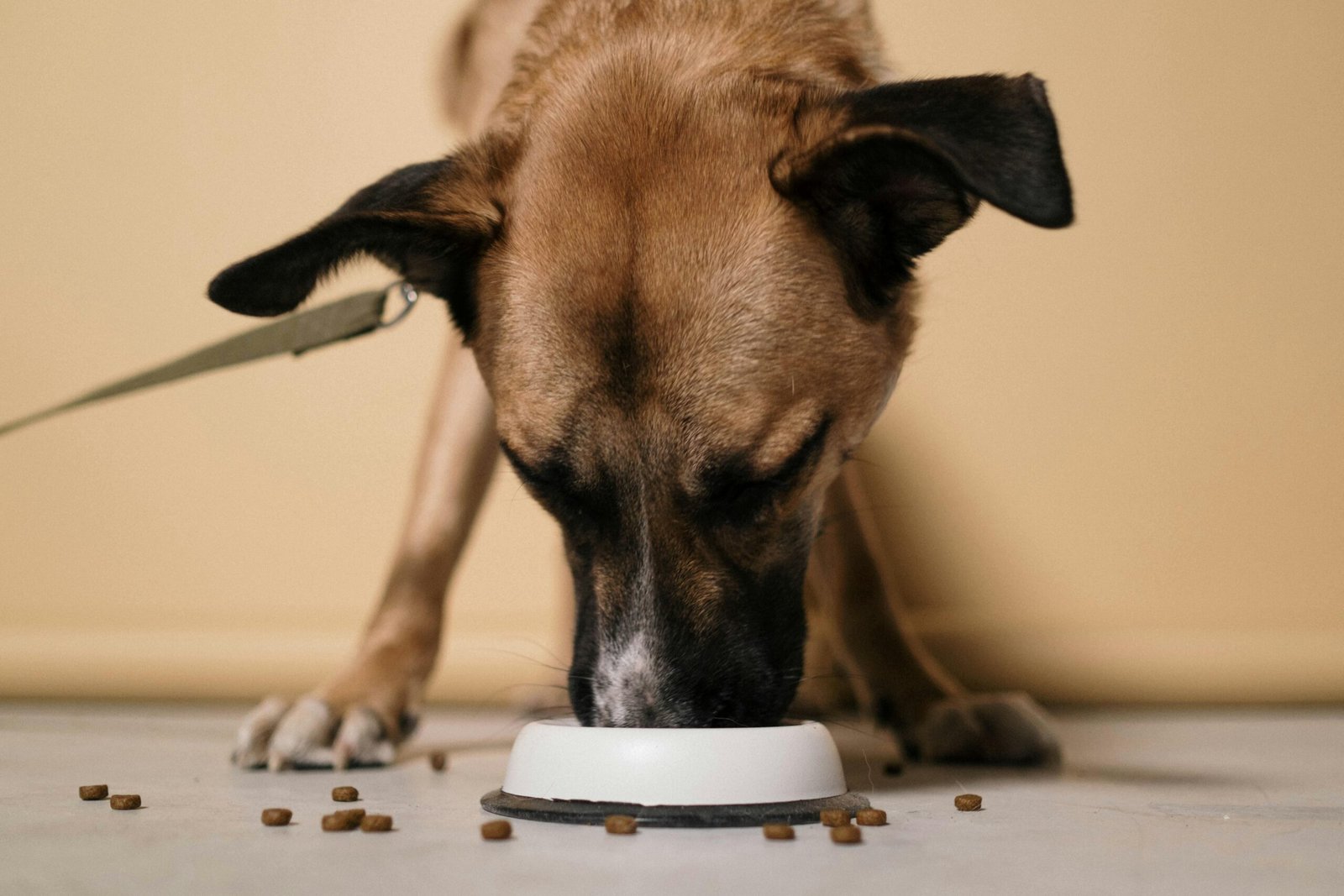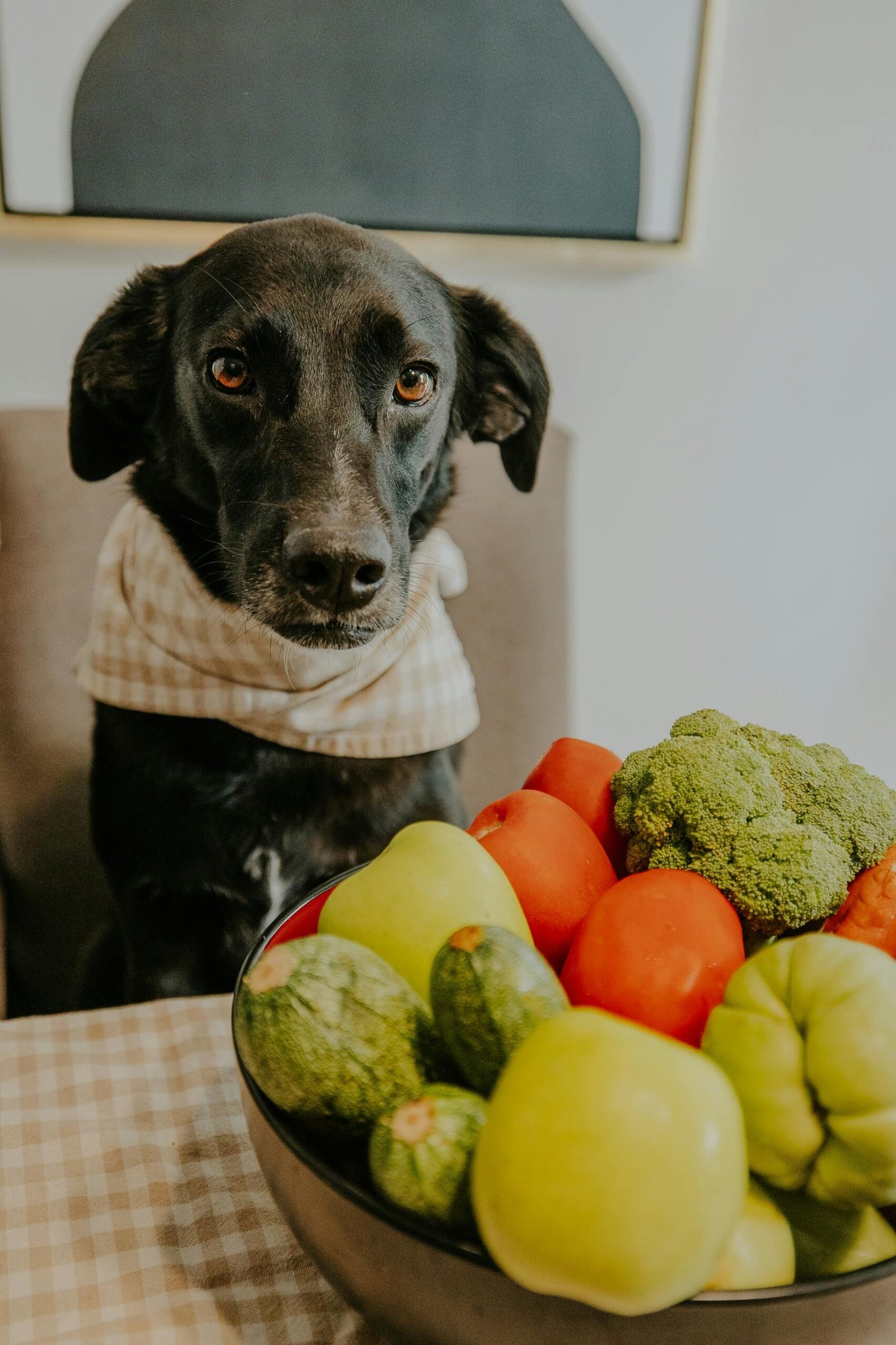
Discover the best diet for healthy pets with expert tips on balanced nutrition,natural foods and feeding plans for dogs and cats.Keep your pet happy and healthy.
Introduction
Providing the best diet for healthy pets is one of the most powerful ways to ensure your furry companion lives a long,happy and disease free life.Nutrition is not just about feeding your pet enough food it’s about feeding the right food in the right amount at the right time.
Many pet owners unknowingly make feeding mistakes.Some rely too heavily on low quality commercial food filled with fillers while others attempt homemade diets without understanding proper nutritional balance.The result?Pets that may look fine on the outside but are slowly developing health issues internally.
This complete guide will walk you through everything you need to know about pet nutrition from essential nutrients and feeding routines to natural diets and common mistakes.Whether you have a dog,a cat or both this article will help you make smarter,healthier choices.
Why Diet is the Foundation of Pet Health
A pet’s diet affects every part of its body.From muscle strength, reduce anixety,brain function from coat shine to immune response everything is connected to nutrition.
When pets receive a balanced diet they tend to be more energetic,playful and emotionally stable.Their coats become shinier their digestion improves and they are less likely to suffer from chronic diseases.On the other hand,poor nutrition can lead to obesity,diabetes,digestive disorders,allergies and even a shorter lifespan.
Think of food as fuel.High quality fuel leads to better performance while low quality fuel causes long term damage.The same principle applies to your pet.
Understanding Essential Nutrients for Pets
To provide the best diet for healthy pets you must first understand what nutrients they actually need.
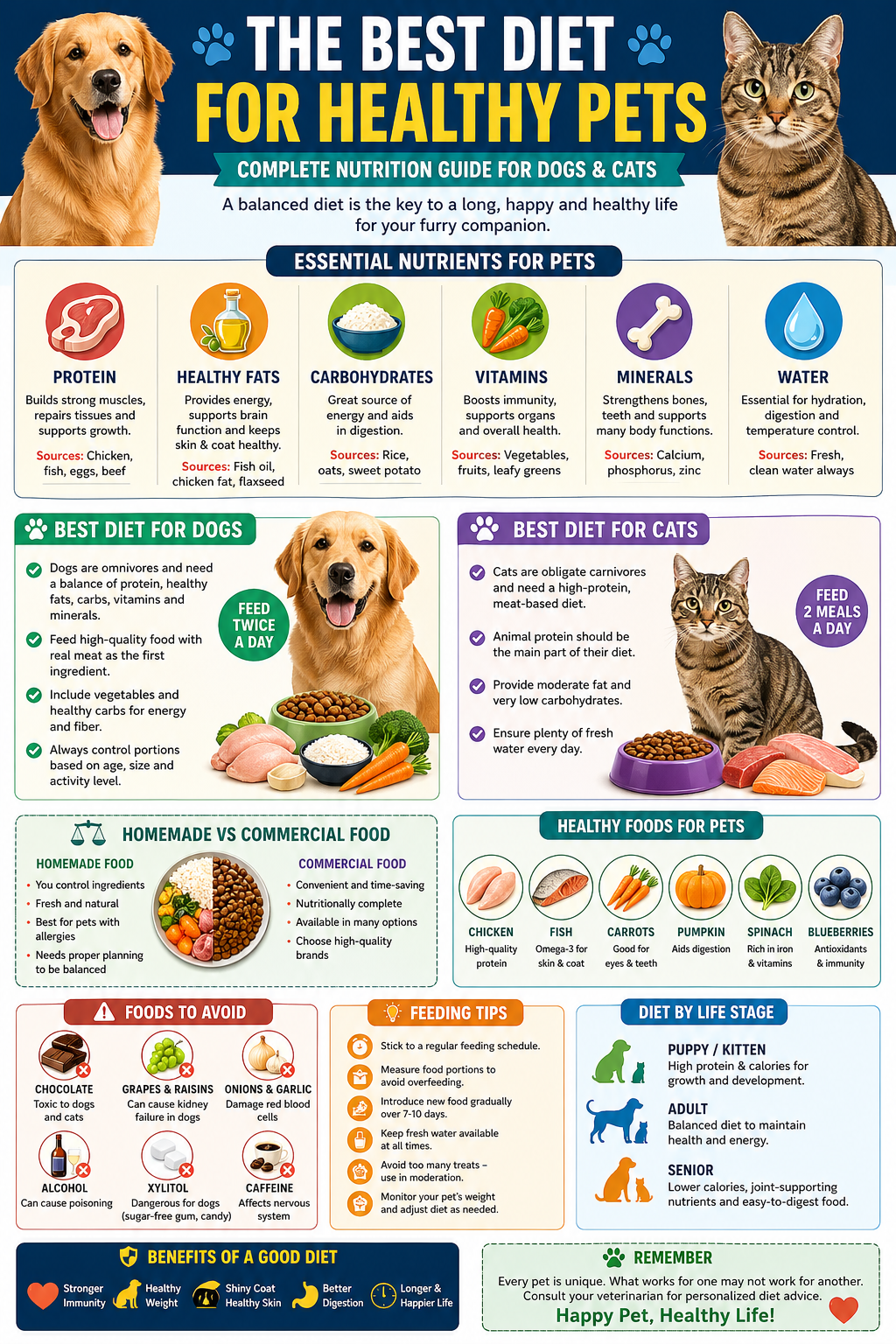
Protein is the most important component of any pet diet.It helps build muscles,repair tissues and support overall growth.Dogs require a good amount of protein but cats need even more because they are natural carnivores.High quality protein sources include chicken,fish,eggs and beef.
Fats are another essential nutrient often misunderstood.Healthy fats provide concentrated energy and support brain function.They also help keep your pet’s skin healthy and their coat shiny.Sources like fish oil and animal fats are especially beneficial when used in moderation.
Carbohydrates play a supportive role by providing energy and aiding digestion.While dogs can digest carbohydrates quite well,cats require very small amounts.Healthy options include rice,oats and sweet potatoes.
Vitamins and minerals are needed in smaller quantities but are just as important.They regulate body functions,strengthen bones,improve immunity and support organ health.These nutrients are naturally found in vegetables,fruits and balanced pet foods.
Finally,water is the most overlooked yet essential nutrient.Without proper hydration even the best diet will fail.Always ensure your pet has access to clean,fresh water throughout the day.
Best Diet for Dogs: What They Really Need
Dogs are omnivores means they can eat both plant based and animal based foods.However,their diet should still be heavily focused on high quality protein.
A healthy dog diet should include a combination of meat,vegetables,carbohydrates and healthy fats.Protein should make up the largest portion followed by vegetables and carbohydrates.Fats should be included in smaller amounts to provide energy and support brain function.
Feeding your dog is not just about what you feed but also how you feed.Consistency is key.Dogs thrive on routine so feeding them at the same time every day helps regulate their digestion and metabolism.
Portion control is equally important.Overfeeding is one of the most common mistakes dog owners make often leading to obesity and joint problems.The right portion depends on your dog’s size,age and activity level.Active dogs need more calories while older or less active dogs require fewer.
It’s also important to avoid harmful foods.Chocolate,grapes,onions and artificial sweeteners like xylitol are toxic to dogs and should never be given under any circumstances.
Best Diet for Cats: A Completely Different Approach
Cats have very different nutritional needs compared to dogs.They are obligate carnivores which means their bodies are designed to rely almost entirely on meat.
A cat’s diet should be rich in animal protein with moderate fat and very low carbohydrates.Unlike dogs,cats cannot efficiently process plant based foods and too many carbohydrates can lead to obesity and diabetes.
Another critical component in a cat’s diet is taurine,an essential amino acid found in animal meat.Without taurine,cats can develop serious health problems including heart disease and vision loss.
Cats also have unique feeding behaviors.They prefer smaller more frequent meals rather than large portions. Providing fresh water is especially important,as many cats do not drink enough on their own.
Just like with dogs there are foods that should never be given to cats.For example,Milk is commonly believed to be good for cats but most cats are lactose intolerant and can develop digestive issues.Chocolate,onions and raw eggs are also dangerous.
Homemade vs Commercial Pet Food:Which is Better?
One of the biggest debates in pet nutrition is whether homemade food is better than commercial pet food.
Homemade diets give you full control over ingredients,allowing you to choose fresh,natural foods without additives or preservatives.This can be especially beneficial for pets with allergies or sensitivities.However, creating a balanced homemade diet requires careful planning.Without proper knowledge,it’s easy to miss essential nutrients.
Commercial pet food on the other hand is designed to be nutritionally complete and convenient.High quality brands follow strict guidelines to ensure pets receive all necessary nutrients.The downside is that not all commercial foods are created equal.Some contain low quality ingredients,fillers and artificial additives.
The best approach for many pet owners is a combination of both using high quality commercial food as a base and supplementing it with fresh,natural ingredients.
Natural Diet for Pets: A Growing Trend
In recent years, more pet owners are switching to natural diets.This approach focuses on feeding pets whole,minimally processed foods.
Natural diets can improve digestion,increase energy levels and enhance coat quality.Foods like boiled chicken,vegetables and rice are commonly used in natural feeding plans.
However,balance is still crucial.Feeding only meat or only vegetables can lead to deficiencies.A proper natural diet should include a variety of nutrients to meet your pet’s needs.
Portion Control and Feeding Routine
Even the healthiest food can become harmful if given in the wrong amount.Portion control is essential to maintaining a healthy weight and preventing disease.
A general guideline is to feed your pet based on their body weight and activity level.Smaller pets require less food, while larger or more active pets need more.Puppies and kittens need frequent meals to support growth while adult pets typically do well with two meals per day.
Consistency is key.Feeding your pet at the same time every day helps regulate their metabolism and prevents overeating.Avoid free feeding,where food is left out all day as it can lead to weight gain.
Adjusting Diet by Life Stage
Pets have different nutritional needs at different stages of life.
Young pets require high protein,high calorie diets to support rapid growth and development.Adult pets need a balanced diet to maintain their health and energy levels.Senior pets benefit from lower calorie diets with added nutrients to support joint health and digestion.
Understanding these changes allows you to adjust your pet’s diet as they age,ensuring they remain healthy throughout their life.
Signs Your Pet’s Diet Needs Improvement
Sometimes the signs of poor nutrition are subtle.A dull coat,low energy levels or minor digestive issues can all indicate that something is missing from your pet’s diet.
More serious signs include rapid weight gain or loss,frequent illness,bad breath and changes in behavior.If you notice any of these symptoms,it may be time to reevaluate your pet’s diet.
How to Choose the Best Pet Food
Choosing the right pet food can feel overwhelming,a few simple guidelines can help.
Look for products where real meat is the first ingredient.Avoid foods with artificial colors,flavors and preservatives.Whole grains and natural ingredients are generally better choices than processed fillers.
Brand reputation also matters.Trusted brands invest in research and quality control,ensuring their products meet nutritional standards.
Common Feeding Mistakes to Avoid
Many pet health problems come from simple feeding mistakes.
Overfeeding is one of the biggest issues often leading to obesity and related diseases.Feeding table scraps can introduce harmful ingredients and disrupt your pet’s balanced diet.
Sudden changes in diet can upset your pet’s digestive system.Always introduce new foods gradually.
Ignoring hydration is another common mistake.Water is just as important as food and should always be available.
Expert Tips for Maintaining a Healthy Pet Diet
Maintaining a healthy diet for your pet doesn’t have to be complicated.Small, consistent habits can make a big difference.
Stick to a regular feeding schedule and avoid unnecessary changes.Monitor your pet’s weight and adjust portions as needed.Provide a mix of high quality food and natural ingredients for balanced nutrition.
Healthy treats can be given occasionally but they should never replace proper meals.Most importantly observe your pet.Their behavior energy levels and physical condition will tell you a lot about whether their diet is working.
Frequently Asked Questions
Q:What is the best diet for healthy pets?
A balanced diet that includes protein,fats,carbohydrates,vitamins and minerals in the right proportions.
Q:Can I feed my pet homemade food every day?
Yes,only if it is properly balanced and meets all nutritional requirements.
Q:How often should I feed my pet?
Most adult pets do well with two meals per day while younger pets may need more frequent feeding.
Q:Is dry food or wet food better?
Both have benefits.A combination often works best for balanced nutrition and hydration.