
Dog Diseases and Medical Conditions- Symptoms, Causes & Prevention
Dog diseases and medical conditions are a major concern for pet owners who want their dogs to live long, healthy, and comfortable lives. Just like humans, dogs can suffer from a wide range of health problems such as skin allergies, digestive disorders, liver disease, kidney problems, heart disease, diabetes, arthritis, eye and ear infections, and parasitic infestations.
Understanding dog diseases and medical conditions at an early stage allows pet owners to recognize warning signs, seek timely veterinary care, and prevent minor issues from becoming life-threatening. This detailed guide covers common dog diseases and medical conditions, their symptoms, causes, treatments, and preventive care strategies.
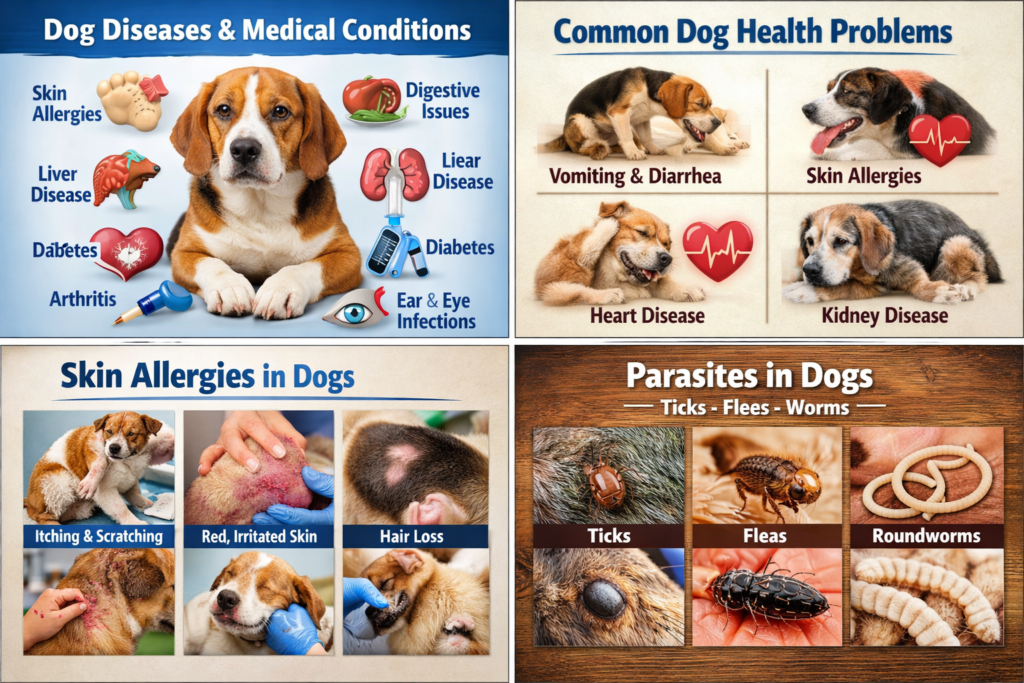
1. Common Dog Diseases and Their Symptoms
Dogs can suffer from a wide range of illnesses, some mild and others life-threatening. Many diseases show early warning signs that owners often ignore.
Common Symptoms to Watch For
Loss of appetite
Sudden weight loss or gain
Lethargy or weakness
Vomiting or diarrhea
Excessive thirst or urination
Changes in behavior
Difficulty breathing
Persistent coughing
Fever
Ignoring these symptoms may allow minor issues to progress into serious medical conditions.
Prevention Tips
Regular veterinary checkups
Proper vaccination schedules
Balanced nutrition
Parasite control
Clean living environment
2. Skin Allergies in Dogs
Skin allergies are among the most common health issues in dogs and can significantly affect their quality of life.
Causes of Skin Allergies
Food allergies (chicken, beef, dairy, grains)
Environmental allergens (pollen, dust mites, mold)
Fleas and parasites
Chemical exposure (shampoos, cleaning agents)
Symptoms
Excessive itching and scratching
Red or inflamed skin
Hair loss
Hot spots
Ear infections
Chewing or licking paws
Treatment & Management
Allergy testing
Hypoallergenic diets
Medicated shampoos
Antihistamines or steroids (vet-prescribed)
Flea prevention
Early treatment prevents secondary infections and chronic skin damage.
3. Digestive Problems in Dogs
Digestive issues are common and can range from temporary stomach upset to chronic gastrointestinal diseases.
Common Digestive Disorders
Gastritis
Diarrhea
Constipation
Food intolerance
Inflammatory Bowel Disease (IBD)
Symptoms
Vomiting
Diarrhea or loose stools
Gas and bloating
Abdominal pain
Loss of appetite
Dehydration
Causes
Sudden diet changes
Eating spoiled food
Parasites
Stress
Food allergies
Prevention
Gradual diet transitions
High-quality dog food
Avoid table scraps
Clean water access
Regular deworming
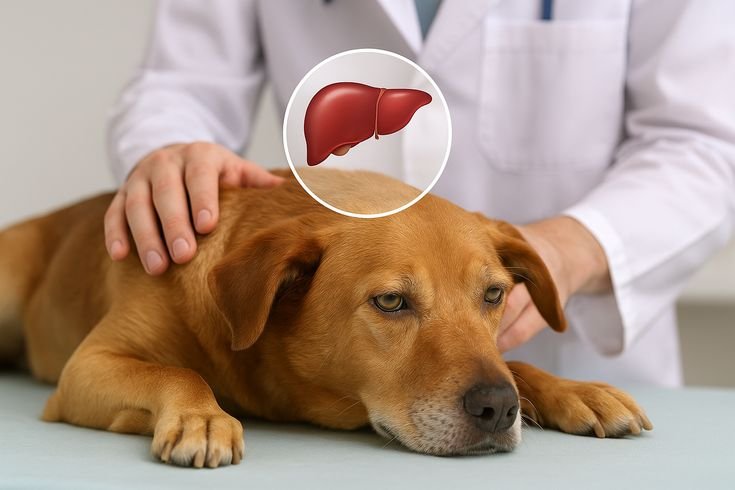
4. Liver Disease in Dogs
The liver plays a crucial role in detoxification, digestion, and metabolism. Liver disease can be life-threatening if not detected early.
Types of Liver Disease
Hepatitis
Fatty liver disease
Liver shunts
Liver tumors
Symptoms
Loss of appetite
Vomiting
Diarrhea
Jaundice (yellow eyes or gums)
Weight loss
Increased thirst
Behavioral changes
Causes
Toxins
Infections
Genetic conditions
Poor diet
Certain medications
Treatment
Liver-friendly diet
Medications
Supplements (SAMe, milk thistle)
Regular blood tests
5. Kidney Problems in Dogs
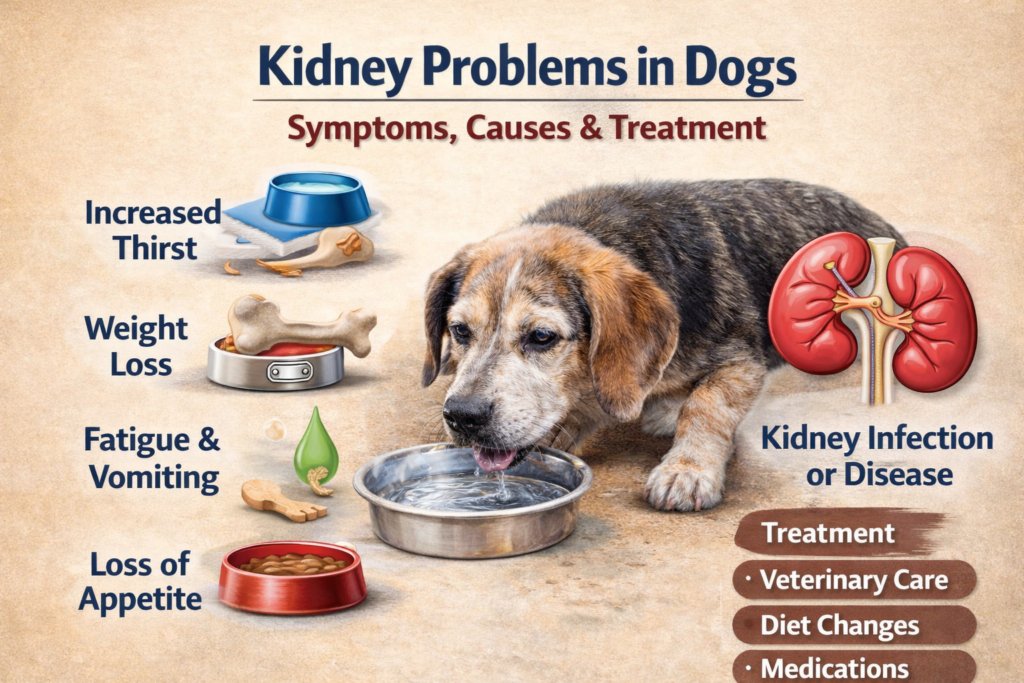
Kidney disease is especially common in senior dogs and can progress silently.
Types
Acute kidney failure
Chronic kidney disease (CKD)
Symptoms
Increased thirst and urination
Weight loss
Lethargy
Vomiting
Bad breath (ammonia smell)
Dehydration
Causes
Aging
Infections
Toxins
Poor hydration
Genetic factors
Management
Prescription kidney diets
Fluid therapy
Blood pressure control
Regular monitoring
Early diagnosis greatly slows disease progression.
6. Heart Disease in Dogs
Heart disease affects a dog’s ability to circulate blood effectively and is common in older dogs.
Common Heart Conditions
Congestive heart failure
Heart murmurs
Dilated cardiomyopathy
Valve disease
Symptoms
Persistent coughing
Difficulty breathing
Fatigue
Swollen abdomen
Exercise intolerance
Fainting
Prevention & Care
Healthy diet
Weight management
Regular vet exams
Medications (as prescribed)
7. Diabetes in Dogs
Diabetes occurs when a dog cannot properly regulate blood sugar levels.
Symptoms
Excessive thirst
Frequent urination
Increased appetite
Weight loss
Lethargy
Cloudy eyes (cataracts)
Causes
Obesity
Hormonal imbalances
Genetics
Pancreatic disease
Management
Insulin injections
Controlled diet
Regular exercise
Blood glucose monitoring
With proper care, diabetic dogs can live long, healthy lives.
8. Arthritis and Joint Pain in Dogs
Joint pain and arthritis significantly affect mobility and comfort, especially in older dogs.
Symptoms
Limping
Stiffness
Difficulty standing or climbing stairs
Reduced activity
Behavioral changes
Causes
Aging
Obesity
Joint injuries
Breed predisposition
Treatment Options
Weight control
Joint supplements (glucosamine, chondroitin)
Pain relief medications
Physical therapy
Low-impact exercise
9. Eye and Ear Infections in Dogs
Eye and ear infections are common and can become chronic if untreated.
Eye Infection Symptoms
Redness
Discharge
Squinting
Swelling
Cloudy eyes
Ear Infection Symptoms
Head shaking
Ear odor
Redness
Discharge
Pain when touched
Causes
Allergies
Bacteria or yeast
Parasites
Poor hygiene
Prevention
Regular cleaning
Dry ears after bathing
Treat allergies promptly
10.Parasites in Dogs-Risks, Symptoms, and Prevention
Parasites pose serious health risks and can transmit dog diseases and medical conditions to both dogs and humans. These tiny invaders can live on your dog’s skin, in their digestive tract, or even in their bloodstream, causing discomfort, chronic illness, or life-threatening complications if not managed properly. Understanding the types of parasites, recognizing the symptoms, and following preventive measures is crucial for maintaining your dog’s health.
Common Parasites in Dogs
Fleas
Fleas are small, wingless insects that feed on your dog’s blood. They can cause skin irritation, allergies, and anemia, especially in puppies or older dogs. Flea infestations can also transmit tapeworms if your dog accidentally ingests a flea during grooming.
Ticks
Ticks attach themselves to your dog’s skin and feed on blood, often transmitting serious diseases such as Lyme disease, ehrlichiosis, and babesiosis. Regular tick checks, especially after outdoor activities, are essential to prevent dog diseases and medical conditions caused by these parasites.
Roundworms
Roundworms are intestinal parasites commonly found in puppies. They can cause vomiting, diarrhea, poor growth, and a pot-bellied appearance. Untreated roundworm infections can lead to severe nutritional deficiencies and compromise your dog’s immune system.
Hookworms
Hookworms attach to the intestinal lining and feed on blood, leading to anemia, weakness, and weight loss. Puppies are particularly vulnerable, and severe infections can be fatal if left untreated.
Tapeworms
Tapeworms live in the intestines and absorb nutrients from your dog’s food. Infection is often caused by swallowing fleas that carry tapeworm larvae. Signs include weight loss, scooting, and segments of worms visible in feces.
Symptoms of Parasite Infestation
Parasites can cause a wide range of symptoms depending on the type and severity of infection. Common signs include:
Persistent itching and scratching
Weight loss despite normal appetite
Diarrhea or soft stools
Anemia and pale gums
Visible parasites on the skin, in fur, or in feces
Secondary skin infections caused by scratching or bites
Lethargy or reduced activity in severe infestations
Recognizing these symptoms early is key to preventing long-term complications and protecting your dog from more serious dog diseases and medical conditions.
Preventing Parasite Infestations
Prevention is always better than treatment when it comes to parasites. Effective preventive measures include:
Monthly Parasite Prevention Treatments
Use veterinarian-recommended flea, tick, and worm prevention treatments regularly. These can be oral medications, topical solutions, or collars designed to kill and repel parasites.Regular Grooming
Brushing and bathing your dog regularly helps you spot parasites early and maintain healthy skin and coat. Pay close attention to areas where fleas and ticks commonly hide, such as behind the ears, under the tail, and around the neck.Clean Living Environment
Keep your dog’s bedding, living area, and yard clean. Regularly vacuum carpets, wash bedding, and dispose of waste promptly to reduce the risk of parasite exposure.Routine Veterinary Checkups
Schedule routine checkups and fecal examinations with your vet to detect parasites early. Regular vet visits ensure timely treatment and reduce the risk of parasites causing serious dog diseases and medical conditions.Avoid Contact with Stray Animals
Stray animals are often carriers of parasites. Limiting your dog’s interaction with unknown dogs can reduce the risk of infection.Monitor Outdoor Activities
After walks, hikes, or park visits, check your dog for ticks, fleas, or unusual symptoms. Quick removal of ticks and proper hygiene can prevent the spread of diseases.
By following these preventive measures, you can protect your dog from parasites and significantly reduce the risk of associated dog diseases and medical conditions, ensuring a healthier and happier life for your furry companion.
FAQ (SCHEMA READY – ADD THIS)
1. What are the most common dog diseases and medical conditions?
Common dog diseases and medical conditions include skin allergies, digestive problems, liver disease, kidney problems, heart disease, diabetes, arthritis, eye and ear infections, and parasites such as ticks, fleas, and worms. Early detection and proper veterinary care are key to managing these conditions.
2. How can I identify early symptoms of dog diseases?
Early symptoms of dog diseases and medical conditions often include lethargy, loss of appetite, vomiting, diarrhea, excessive thirst, frequent urination, itching, skin redness, coughing, or sudden behavioral changes. Observing your dog closely can help you catch problems before they become severe.
3. Can dog diseases be prevented?
Yes, many dog diseases and medical conditions can be prevented through regular vaccinations, parasite control, balanced nutrition, routine vet checkups, proper hygiene, and adequate exercise. Preventive care is especially important for puppies and senior dogs.
4. When should I take my dog to the vet?
You should take your dog to the veterinarian if you notice persistent symptoms, sudden changes in behavior, vomiting, diarrhea, coughing, difficulty breathing, lethargy, or loss of appetite. Early medical intervention can prevent dog diseases and medical conditions from worsening.
5. What causes skin allergies in dogs?
Skin allergies in dogs are caused by food intolerances, environmental allergens like pollen or dust mites, flea bites, or reactions to chemicals and shampoos. Untreated skin allergies can lead to infections and worsen other dog diseases and medical conditions.
6. How do I manage digestive problems in dogs?
Digestive issues can be managed by feeding a high-quality diet, avoiding table scraps, gradually transitioning foods, keeping your dog hydrated, and consulting a vet for persistent vomiting, diarrhea, or abdominal pain. Proper management prevents complications related to dog diseases and medical conditions.
7. What are the signs of liver disease in dogs?
Signs include vomiting, diarrhea, loss of appetite, weight loss, jaundice (yellowing of eyes or gums), excessive thirst, and behavioral changes. Timely veterinary care and liver-supportive diets can help manage dog diseases and medical conditions affecting the liver.
8. How can I protect my dog from parasites?
Prevent parasites by using monthly flea, tick, and worm preventatives, keeping your dog’s environment clean, and regular veterinary checkups. Parasites are a common cause of serious dog diseases and medical conditions if left untreated.
9. Are senior dogs more prone to medical conditions?
Yes, older dogs are more susceptible to dog diseases and medical conditions such as arthritis, kidney problems, heart disease, diabetes, and weakened immunity. Regular checkups and age-appropriate diets are crucial for senior dog health.
10. Can diet help prevent dog diseases?
Absolutely. A balanced, nutrient-rich diet tailored to your dog’s age, size, and breed can prevent obesity, digestive problems, liver and kidney issues, and strengthen the immune system. Nutrition is a key preventive step against many dog diseases and medical conditions.
11. How do I know if my dog has diabetes?
Symptoms of diabetes include excessive thirst, frequent urination, weight loss, increased appetite, lethargy, and cloudy eyes (cataracts). Managing diabetes requires veterinary guidance, insulin therapy, and dietary adjustments.
12. What should I do if my dog has arthritis?
Arthritis and joint pain can be managed with weight control, joint supplements (like glucosamine), anti-inflammatory medications prescribed by a vet, physical therapy, and gentle exercise. Early management improves quality of life for dogs suffering from dog diseases and medical conditions.
13. Are dog heart problems common?
Yes, heart disease is common, especially in older dogs. Symptoms include coughing, difficulty breathing, fatigue, swelling in the abdomen, fainting, and exercise intolerance. Early detection and veterinary treatment can prevent serious complications.
14. How can I improve my dog’s overall health?
Regular veterinary checkups, balanced nutrition, adequate exercise, proper grooming, vaccinations, parasite prevention, and attention to early symptoms can greatly reduce the risk of dog diseases and medical conditions and keep your dog healthy and happy.