Guinea Pig Diet: Safe Foods & Toxic Foods List
Learn what guinea pigs can and cannot eat. Full diet list with safe vegetables, fruits, and daily food charts.
Introduction
A proper Guinea Pig Diet is essential for keeping your pet active, healthy, and disease-free. Since guinea pigs have a sensitive digestive system, their Guinea Pig Diet must include a balanced amount of hay, vegetables, pellets, and vitamin-C-rich foods. Many beginners make diet mistakes by offering harmful foods or overfeeding treats, which negatively affects the overall Guinea Pig Diet and health. This guide explains safe vegetables, foods to avoid, daily feeding schedules, and how to maintain a healthy Guinea Pig Diet with proper vitamin C.
Fresh Vegetables for Healthy Guinea Pig Nutrition
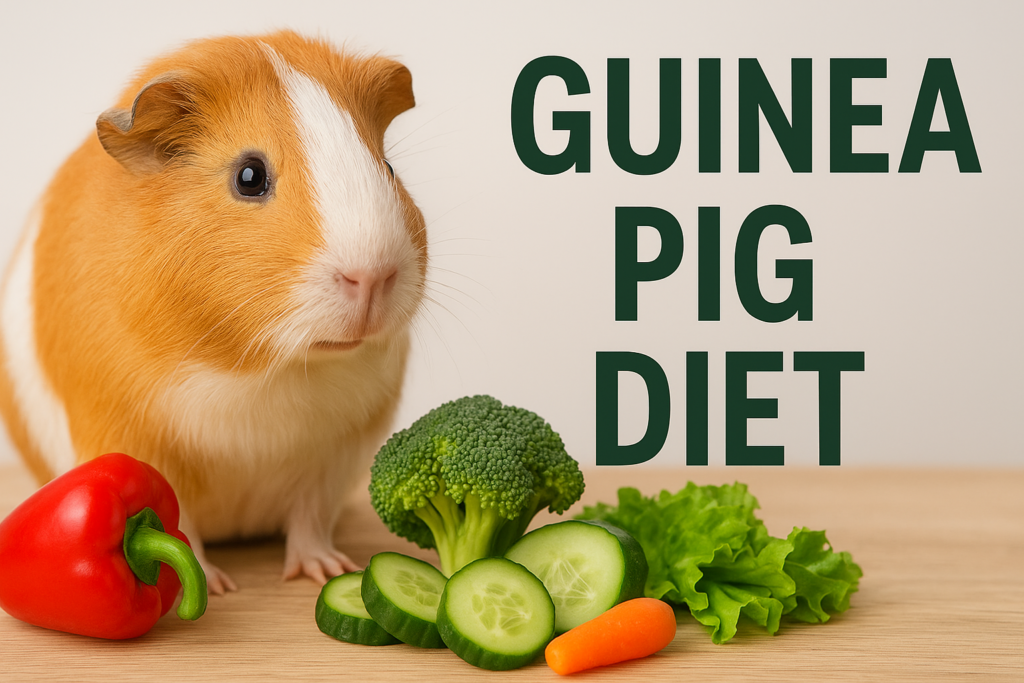
Fresh vegetables are a key part of a Guinea Pig Diet because they provide hydration, fiber, and essential nutrients. Selecting the right vegetables helps maintain smooth digestion, strengthens immunity, and supports a balanced Guinea Pig Diet every day.
Daily Safe Vegetables
These vegetables should be part of the everyday Guinea Pig Diet:
Romaine lettuce – Hydrating, high fiber
Bell peppers – Excellent vitamin C
Cucumber – Hydration support
Cilantro – Safe and aromatic
Green leaf lettuce – Gentle on digestion
Celery leaves – Give in small pieces
Vegetables for 2–4 Times Weekly
These vegetables are safe but should not be daily parts of a Guinea Pig Diet:
Carrots – High sugar
Broccoli – May cause gas
Spinach – High calcium
Zucchini – Light and safe
Tomatoes – Flesh only, no seeds
Occasional Treat Vegetables
Give these once a week in your Guinea Pig Diet:
Kale – Calcium-rich
Parsley – Vitamin C
Sweet potato – Starchy
Beetroot – High sugar
Including these veggies correctly ensures a healthy, well-balanced Guinea Pig Diet.
Unsafe Foods to Avoid in Your Guinea Pig’s Meals
Some foods are toxic or harmful and should never be included in your pet’s diet. Feeding unsafe items can cause choking, digestive upset, poisoning, or even death.
1.Toxic Foods
Chocolate
Onions & garlic
Potatoes (raw or cooked)
Avocado
Mushrooms
Rhubarb
Fruit seeds or pits
2.Foods That Upset Digestion
Iceberg lettuce
Cabbage
Beans or peas
Corn
Bread, pasta, or biscuits
3.Unhealthy Treats
Sugary human snacks
Dairy products (milk, cheese, yogurt)
Meat or eggs
Nuts or dried fruit
A healthy feeding plan for guinea pigs must exclude all of the above to maintain long-term health.
Daily Feeding Schedule for Balanced Guinea Pig Meals
Following a consistent schedule ensures your guinea pig receives proper nutrition and avoids overfeeding.
| Food Type | Amount | Role in Nutrition |
|---|---|---|
| Timothy Hay | Unlimited | Fiber, teeth health, digestion support |
| Fresh Vegetables | 1 cup daily | Vitamins, minerals, hydration |
| Pellets (Vitamin C fortified) | 1–2 tbsp daily | Additional nutrients |
| Fresh Water | Unlimited, changed daily | Hydration & overall health |
| Fruits | Small slice 1–2 times per week | Treats only |
Why Unlimited Hay is Important
Hay should form the majority of your guinea pig’s meals because it:
Keeps digestion healthy
Helps prevent obesity
Wears down continuously growing teeth
Supports gut bacteria balance
Portion Control in Vegetables
Overfeeding high-calcium vegetables may cause bladder stones. Use a varied cup of mixed vegetables daily.
Pellets Are Support, Not Primary Food
Pellets provide extra nutrients but should not replace hay. A balanced meal plan is mostly hay with veggies and pellets in moderation.
The Role of Vitamin C in Your Guinea Pig’s Nutrition
Vitamin C is essential for guinea pigs because they cannot produce it naturally. Without it, they risk scurvy and other health problems.
Why Vitamin C Matters
A deficiency can cause:
Weakness
Swollen joints
Loss of appetite
Hair loss
Bleeding gums
Severe illness or death
Vitamin C Sources for Guinea Pigs
Bell peppers (best source)
Kale (limited)
Parsley (sparingly)
Spinach (limited)
Vitamin C-fortified pellets
Vet-approved vitamin C supplements (not in water)
Daily Requirement
Adult guinea pigs need 10–20 mg per day. Pregnant or sick guinea pigs may require more under vet guidance.
Common Mistakes to Avoid
Adding vitamin C to water (loses potency)
Relying on fruits only (too sugary)
Skipping fresh vegetables
Final Thoughts: A Healthy Feeding Plan for Guinea Pigs
A balanced feeding plan ensures your guinea pig lives a long, active, and happy life. Include:
Unlimited hay
Daily fresh vegetables
Measured pellets
Occasional fruits
Consistent vitamin C intake
Avoid all unsafe foods
Following this guide provides complete, safe, and nutritious meals that improve immunity, digestion, and overall wellbeing. A thoughtfully planned feeding routine keeps your guinea pig happy for years.
FAQ
1. What is the best diet for a guinea pig?
A healthy guinea pig diet consists mainly of unlimited hay, fresh vegetables, a small portion of fortified pellets, and fresh water. Hay aids digestion, prevents dental issues, and keeps them active, while vegetables provide essential vitamins, especially Vitamin C. Avoid sugary or processed foods.
2. How much hay should a guinea pig eat daily?
Guinea pigs should have unlimited access to hay. A healthy adult guinea pig typically eats around 1–2 cups of hay per day. Hay should make up the majority of their diet to support digestion and dental health.
3. Why is Vitamin C important for guinea pigs?
Guinea pigs cannot produce Vitamin C naturally. A deficiency can cause scurvy, leading to lethargy, joint pain, and dental problems. Fresh vegetables like bell peppers and kale, along with fortified pellets, ensure they get enough Vitamin C.
4. Can guinea pigs eat fruits and vegetables every day?
Yes, but in moderation. Fresh vegetables should be given daily, while fruits, due to their sugar content, should be offered a few times a week as treats. Introduce new foods slowly to avoid digestive upset.
5. Are pellets necessary in a guinea pig’s diet?
Pellets are not the main food but are helpful. High-quality, fortified pellets provide essential nutrients like Vitamin C. Feed about 1/8 cup per day for adult guinea pigs. Avoid pellets with seeds or sugary fillers.
6. Which vegetables are safe for guinea pigs?
Safe vegetables include bell peppers, cucumbers, carrots (in small amounts), kale, spinach, romaine lettuce, parsley, and broccoli. Wash thoroughly and introduce one new vegetable at a time to monitor tolerance.
7. Which fruits are safe and which should be avoided?
Safe fruits include apples (without seeds), strawberries, blueberries, and oranges. Avoid grapes, bananas in large quantities, and citrus fruits in excess due to acidity. Serve fruits as occasional treats, not main food.
8. Can guinea pigs eat lettuce or cabbage?
Yes, but choose safe varieties like romaine lettuce. Avoid iceberg lettuce as it has little nutritional value and can cause diarrhea. Cabbage is safe in moderation but may cause gas, so introduce slowly.
9. Are seeds, nuts, or grains safe for guinea pigs?
No, avoid seeds, nuts, and grains. These are high in fat and difficult for guinea pigs to digest, potentially causing obesity or digestive problems. Stick to hay, vegetables, and pellets.
10. Can guinea pigs eat human food like bread or cheese?
No, human foods like bread, cheese, chocolate, or processed snacks are harmful. They can cause digestive issues and nutritional imbalances. Always provide guinea pig-specific foods.
11. How often should I feed my guinea pig?
Feed fresh vegetables twice daily and ensure unlimited hay is available at all times. Pellets should be given once a day in controlled portions. Fresh water should always be available.
12. What is the best way to introduce new foods?
Introduce one new food at a time and in small amounts. Observe your guinea pig for any digestive changes or refusal to eat. Gradually increase portions if tolerated well.
13. How do I prevent overfeeding my guinea pig?
Offer measured amounts of vegetables and pellets and avoid giving too many treats. Keep hay unlimited, as it doesn’t contribute to obesity, but monitor fruit intake carefully.
14. Should I give my guinea pig treats?
Yes, occasional healthy treats like small fruit pieces or hay-based snacks are fine. Limit sugary or high-fat treats to prevent obesity and digestive problems.
15. How can I tell if my guinea pig is eating enough?
Check if they are active, maintaining weight, and producing regular, firm droppings. A decrease in appetite or droppings may indicate illness or dietary issues.
16. What foods are toxic to guinea pigs?
Avoid chocolate, onions, garlic, rhubarb, avocado, iceberg lettuce, and any processed human food. These foods can cause serious health issues, including digestive problems and toxicity.
17. Can a poor diet cause health problems in guinea pigs?
Yes, a diet lacking hay, Vitamin C, or proper nutrients can lead to scurvy, dental issues, obesity, digestive disorders, and lethargy. Balanced nutrition is essential for a long, healthy life.
18. How can I tell if my guinea pig has a nutritional deficiency?
Symptoms may include lethargy, swollen joints, brittle nails, hair loss, poor coat condition, and irregular droppings. Consult a vet if you notice these signs. Vitamin C deficiency is especially common.
19. Can guinea pigs survive without fresh vegetables?
They may survive for a short time, but fresh vegetables are crucial for Vitamin C and other nutrients. Without them, deficiencies can develop quickly, leading to serious health issues.
20. What should I do if my guinea pig refuses to eat certain foods?
Offer alternative vegetables or fruits and try different textures. Chop food finely or mix with familiar favorites. Never force-feed, and monitor their overall eating habits to ensure proper nutrition.