
How to Breed Horses Step by Step: 10 Proven Tips for Successful Horse Breeding
Learn how to breed horses step by step with this beginner guide for UK & USA. Breeding process, mare care, foaling tips and expert advice.
How to Breed Horses Step by Step: Complete Beginner Guide (UK & USA)
Horse breeding is a rewarding yet complex process that requires planning, knowledge, and responsible animal care. Whether you are a hobby breeder, farm owner, or equestrian enthusiast in the UK or USA, understanding how to breed horses step by step is essential for producing healthy foals and maintaining strong bloodlines.
This complete guide explains the horse breeding process in simple steps from selecting breeding horses to caring for a newborn foal.
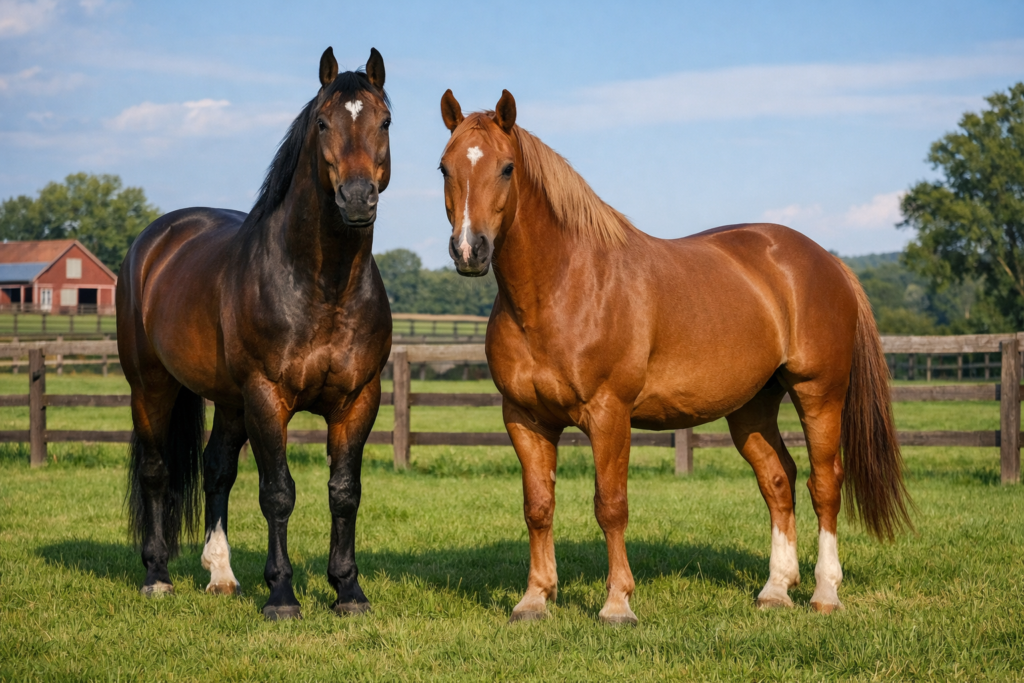
What Is Horse Breeding?
Horse care breeding is the controlled reproduction of a stallion and mare to produce a foal with desirable traits such as temperament, athletic ability, conformation, and genetics.
Breeding goals may include:
Producing sport or race horses
Improving bloodlines
Preserving rare breeds
Running a breeding business
Personal riding horses
Responsible breeding focuses on health, genetics, and long-term quality rather than quantity.
How to Breed Horses Step by Step
Below is the complete horse breeding process used by breeders in the UK and USA.
Step 1: Choose the Right Mare and Stallion
The foundation of successful horse breeding is selecting quality breeding stock.
What to Look for in a Mare
Good health
Strong conformation
Calm temperament
Proven performance or pedigree
No genetic defects
What to Look for in a Stallion
Superior genetics
Good fertility history
Correct structure
Desired traits
Proven offspring quality
Breeding two healthy, compatible horses increases the chances of producing a strong foal.
Step 2: Check Health and Fertility
Before breeding, both horses should undergo veterinary examination.
Essential Pre-Breeding Checks
Reproductive exam
Ultrasound of mare
Semen evaluation of stallion
Vaccinations
Disease screening
Body condition assessment
Healthy horses have significantly higher breeding success rates.
Step 3: Understand the Mare Heat Cycle
To breed horses successfully, timing is critical. Mares are seasonal breeders and cycle every 21 days during the breeding season.
Horse Breeding Season
UK: March to July
USA: February to June
Signs a Mare Is in Heat
Tail raised
Frequent urination
Interest in stallions
Relaxed vulva
Standing still for mating
Ovulation usually occurs 24–48 hours before the end of heat.
Step 4: Decide Breeding Method
There are two main ways to breed horses.
Natural Breeding (Live Cover)
The stallion mates directly with the mare.
Advantages
Lower cost
Natural conception
No equipment needed
Disadvantages
Injury risk
Disease transmission
Limited stallion choice
Artificial Insemination (AI)
Semen is collected from a stallion and placed in the mare by a vet.
Advantages
Access to top genetics worldwide
Safer for animals
Controlled timing
Higher success rates
Disadvantages
Higher cost
Veterinary involvement
Artificial insemination is widely used in modern UK and USA breeding programs.
Step 5: Breed at the Correct Time
Breeding should occur close to ovulation for highest conception.
Timing Guidelines
Breed every 48 hours during heat
Final breeding near ovulation
Vet ultrasound improves timing
Correct timing is the most important factor in horse breeding success.
Step 6: Confirm Pregnancy
After breeding, pregnancy must be confirmed.
Pregnancy Check Schedule
14 days: Early detection
30 days: Heartbeat check
60 days: Stability check
Horse gestation lasts about 340 days (11 months).
Step 7: Care for the Pregnant Mare
Proper mare care ensures healthy foal development.
Nutrition
High-quality forage
Balanced minerals
Protein support
Fresh water
Foal growth increases significantly in the last 3 months.
Health Care
Vaccinations
Deworming
Hoof care
Dental checks
Exercise
Moderate exercise keeps mares fit and reduces foaling complications.
Step 8: Prepare for Foaling
As the birth approaches, prepare a safe foaling environment.
Signs of Approaching Foaling
Udder enlargement
Waxing teats
Pelvic relaxation
Restlessness
Milk dripping
Foaling usually occurs at night.
Step 9: Foaling Process
Horse birth occurs in three stages.
Stage 1: Labor
Restlessness
Sweating
Lying down
Duration: 1–4 hours
Stage 2: Foal Delivery
Water breaks
Foal appears
Birth occurs
Duration: 10–30 minutes
If delivery exceeds 30 minutes → call vet immediately.
Stage 3: Placenta Expulsion
Placenta should pass within 3 hours.
Retained placenta is dangerous and requires veterinary care.
Step 10: Newborn Foal Care
Healthy foals follow the “1-2-3 rule”.
Stand within 1 hour
Nurse within 2 hours
Placenta passed within 3 hours
Early Foal Care Checklist
Ensure breathing
Dip navel in iodine
Check nursing
Observe movement
Vet check within 24 hours
Horse Breeding Costs in UK & USA
Breeding horses requires financial planning.
| Expense | Average Cost |
|---|---|
| Stud fee | $500–$5000+ |
| AI procedure | $300–$1500 |
| Vet exams | $200–$800 |
| Pregnancy care | $500–$2000 |
| Foaling care | $300–$1000 |
| Foal care | $500–$1500 |
Top stallions may cost significantly more.
Best Age to Breed Horses
Mare Breeding Age
First breeding: 4–6 years
Peak fertility: 6–12 years
Decline: 15+ years
Stallion Breeding Age
Start: 4–5 years
Peak: 5–15 years
Breeding too young or too old increases risks.
Horse Breeding Tips for Beginners
Start with experienced guidance
Use proven bloodlines
Track heat cycles
Maintain breeding records
Provide excellent nutrition
Budget realistically
Focus on quality foals
Successful breeding is long-term planning.
Common Horse Breeding Mistakes
Poor stallion selection
Incorrect timing
Breeding unhealthy mares
Ignoring genetics
Inadequate nutrition
No vet supervision
Avoiding these mistakes greatly improves results.
Natural Breeding vs Artificial Insemination
| Feature | Natural | AI |
|---|---|---|
| Cost | Lower | Higher |
| Safety | Moderate | High |
| Genetics | Limited | Global |
| Disease risk | Higher | Lower |
| Timing control | Low | High |
Most professional breeders prefer AI for safety and genetics.
Is Horse Breeding Profitable?
Horse breeding can be profitable if managed correctly.
Profit Factors
High-quality bloodlines
Market demand
Reputation
Training value
Breed popularity
However, breeding is costly and long-term.
Conclusion
Understanding how to breed horses step by step is essential for producing healthy foals and maintaining strong bloodlines. Successful horse breeding requires proper horse selection, accurate timing, veterinary care, and responsible management throughout pregnancy and foaling.
Whether you are breeding horses in the UK or USA, focusing on health, genetics, and welfare ensures long-term success and sustainable breeding results.
FAQs: How to Breed Horses Step by Step
How long are horses pregnant?
About 11 months (340 days).
How often can a mare be bred?
Usually once per year.
What is the best time to breed horses?
Spring and early summer.
Can older mares breed?
Yes, but fertility declines after 15.
Is artificial insemination better?
It is safer and offers better genetics access.