
How to Care for Pets in Winter: Complete Seasonal Guide for All Animals
How to care for pets in winter with this complete seasonal guide for all animals. Learn winter pet care tips, nutrition, health, and safety advice for dogs, cats, birds, fish, and small pets.
Introduction
Winter season can be challenging for pets. Cold air, low temperatures, and seasonal changes affect animals’ health and immunity. This comprehensive guide aims to clearly explain to pet owners how to care for pets in winter, so every animal stays healthy and safe during the cold months. This guide provides step-by-step care tips for dogs, cats, birds, fish, rabbits, and small pets.
Why Winter Care for Pets Is Important
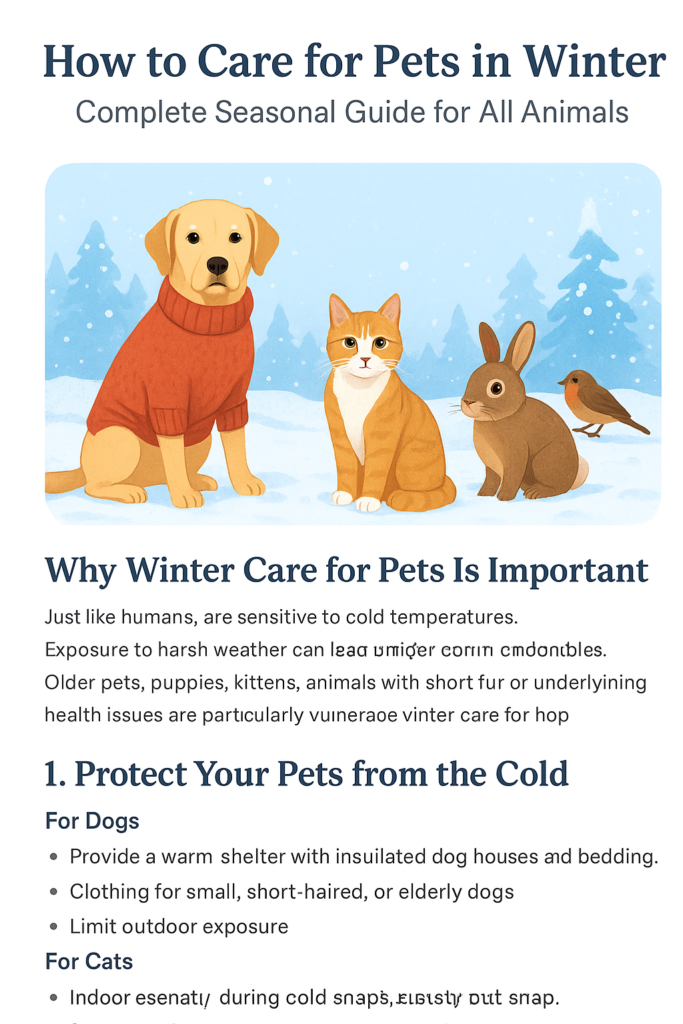
Cold weather can weaken pets’ immune systems, which is why understanding how to care pet in winter is essential for every pet owner. Dry skin, joint pain, respiratory infections, and low activity are common winter problems, making many owners wonder, Is Your Pet in Pain during colder months. Pets may also face dehydration and reduced appetite during this season. Proper winter planning helps manage these health risks and maintain your pet’s energy levels.
Winter care is not limited to physical health; mental and emotional comfort is equally important. Learning how to care pet in winter includes recognizing signs of discomfort or pain, especially in senior pets or those with joint issues. Cold temperatures can increase stress and anxiety, particularly for outdoor pets or animals without properly insulated sleeping areas. Addressing both physical discomfort and emotional needs ensures pets stay safe, comfortable, and happy throughout winter.
General Winter Care Tips for All Pets
Basic winter care rules for all pets include:
Protect pets from cold drafts and chilly floors
Provide warm and dry sleeping areas
Maintain fresh water and a balanced diet
Avoid sudden temperature changes
Keep up with regular health checks and grooming routines
Schedule indoor activities and mental stimulation
Following these basic steps helps strengthen the immune system and significantly reduces the risk of health problems.
How to Care for Pets in Winter: General Winter Care Tips
Winter can be challenging for pets due to cold temperatures, shorter days, and harsh weather conditions. By following these general care tips, you can keep your pets healthy, comfortable, and safe throughout the season:
Keep Pets Warm
Provide a warm, dry, and draft-free area indoors for resting and sleeping.
Use blankets, pet beds, or heated pads for extra comfort, especially for small, elderly, or short-haired pets.
Proper Nutrition and Hydration
Ensure pets receive a balanced diet with sufficient protein and nutrients to maintain energy and immunity.
Encourage regular water intake by offering fresh water frequently, slightly warmed if necessary.
Grooming
Brush pets regularly to maintain healthy skin and fur.
Limit baths to prevent dryness, and always dry them thoroughly after bathing or outdoor play.
How to Care for Dogs in Winter
Dogs, particularly short-haired and senior dogs, are more sensitive in winter. Cold temperatures directly affect their joints and skin.
Winter tips for dogs:
Keep dogs indoors at night
Provide warm bedding and soft blankets
Keep walks short and avoid extreme cold
Clean and dry paws after walks
Consider vitamin supplements and high-calorie diets if recommended by a vet
Provide insulated dog houses for outdoor dogs
For dogs, how to care for pets in winter means ensuring warmth, routine, and comfort. Protecting paws during winter walks and playtime is crucial, especially when streets are treated with salt or chemicals.
How to Care for Cats in Winter
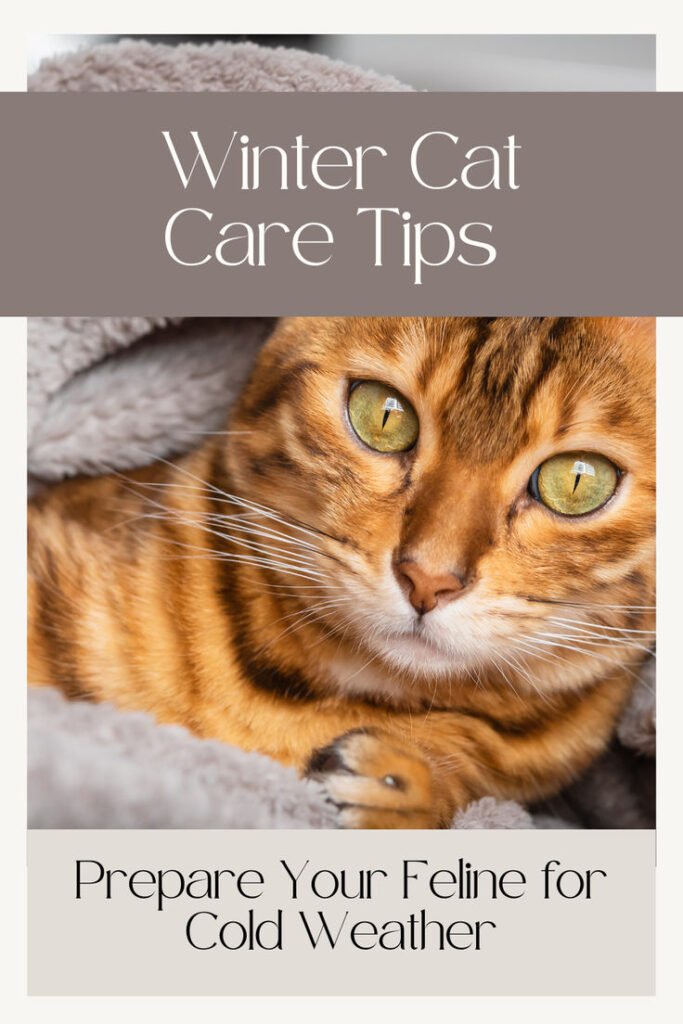
Cats naturally seek warmth and tend to sleep more during winter. Indoor cats should be protected from cold air and kept in a comfortable environment.
Winter care tips for cats:
Maintain a comfortable indoor temperature
Provide warm sleeping spots
Brush regularly to prevent dry skin
Offer fresh, room-temperature food
Ensure extra warmth for senior cats and kittens
Winter care for cats is about comfort and a stress-free environment. Cold weather may reduce their appetite, making high-quality food and hydration essential.
How to Care for Birds in Winter
Birds are highly sensitive to temperature changes. Their metabolism and feathers are critical for survival during winter.
Winter tips for birds:
Keep cages away from cold drafts
Use a cage cover at night
Provide lukewarm water
Include energy-rich foods
Avoid placing birds near direct heating sources; adjust temperature gradually
For birds, how to care for pets in winter focuses on stable temperature and proper nutrition. Sudden cold exposure greatly increases the risk of illness.
How to Care for Fish in Winter
Fish may experience stress from temperature fluctuations in winter. Cold water slows metabolism and affects feeding behavior.
Winter fish care tips:
Use an aquarium heater
Keep water temperature stable
Avoid overfeeding
Conduct regular water tests
Keep aquariums away from drafts and windows
Winter care for fish means maintaining a consistent tank environment. Overfeeding can degrade water quality and negatively affect the fish’s immune system.
How to Care for Rabbits and Small Pets in Winter
Rabbits, guinea pigs, and hamsters can get sick quickly in cold weather. Their habitats need winter adjustments.
Small pets tips:
Keep cages warm and dry
Provide extra bedding and hay
Change damp bedding immediately
Protect small animals from drafts and sudden temperature changes
Provide indoor exercise and toys
Winter care for small animals ensures their living space is cozy. If not properly insulated, cold stress can weaken their immune systems.
Winter Nutrition Tips for Pets
Pets require balanced nutrition to maintain body heat in winter. Extra calories and hydration help maintain energy levels.
Feed high-quality food
Ensure fresh water is always available
Add seasonal vegetables and fruits
Avoid sudden diet changes
Consult a vet for supplements if necessary
Nutrition is key to pet health, especially during cold weather. Overfeeding can lead to obesity, while underfeeding reduces energy and immunity.
Common Winter Health Problems in Pets
During the winter season, pets are prone to certain health issues, including:
Cold and Flu Symptoms: Sneezing, coughing, or mild lethargy can indicate a winter cold.
Dry Skin and Dandruff: Cold, dry air often causes flaky skin and irritation.
Joint Stiffness: Older pets or those with arthritis may experience stiffness or discomfort.
Respiratory Infections: Chilly, damp environments can worsen breathing problems or trigger infections.
Important: If symptoms become severe or persist, consult a veterinarian immediately. Regular health monitoring is essential to keep your pets safe and comfortable during the colder months.
Grooming and Hygiene in Winter
Many people assume that pets don’t need grooming during winter, but this is a misconception. Proper grooming remains essential for their health and comfort during colder months:
Regular Brushing: Helps maintain healthy skin, remove dead hair, and prevent matting, which can reduce insulation.
Limit Bathing: Avoid frequent baths to prevent the skin and fur from drying out.
Keep Fur Dry: Ensure pets are thoroughly dried after any bath or wet outdoor activity to prevent chills.
Grooming is an important part of winter pet care, helping maintain both skin health and warmth throughout the season.
Exercise and Mental Stimulation in Winter
Winter’s cold weather often reduces pets’ natural activity levels, which can lead to weight gain, muscle stiffness, and boredom. Maintaining regular exercise and mental stimulation is crucial for their physical and mental well-being.
1. Indoor Exercise
Short Walks: Instead of long walks in freezing temperatures, take pets on several short, frequent walks to keep them active without risking hypothermia.
Indoor Play Sessions: Engage pets in games like fetch, tug-of-war, or hide-and-seek inside your home. This helps them burn energy and maintain muscle tone.
Obstacle Courses: Set up small indoor agility courses using furniture, tunnels, or toys. It encourages movement and coordination.
Safety Tips for Pets in Winter
Winter can be risky for pets, so taking precautions is essential:
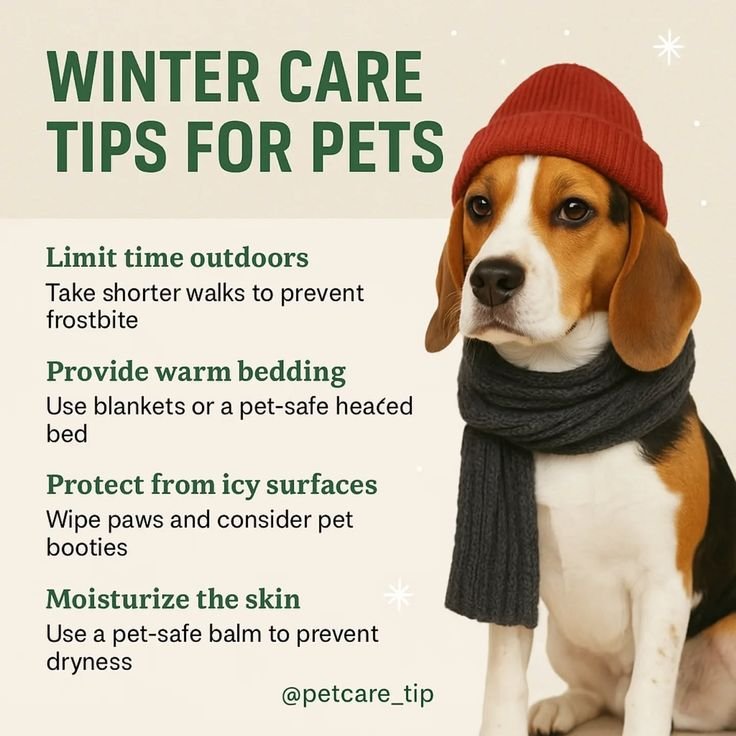
Limit Outdoor Time: Short, frequent walks are safer than long exposure to cold.
Prevent Frostbite: Check paws, ears, and tails; use pet clothing or blankets for warmth.
Safe Indoor Space: Keep pets away from drafts and provide a warm bed.
Hydration and Nutrition: Offer fresh water regularly and adjust diet for energy needs.
Prevent Injuries: Wipe paws after walks to remove ice, snow, and salt; watch for slippery surfaces.
Monitor Health: Look for shivering, lethargy, or appetite changes; consult a vet if needed.
These simple steps keep pets healthy, warm, and safe during winter.
Conclusion
Caring for pets during winter requires extra attention, warmth, and preventive measures. By maintaining proper grooming, ensuring regular exercise and mental stimulation, monitoring health, and following safety tips, you can help your pets stay healthy, comfortable, and happy throughout the cold season. With a little planning and care, winter can be an enjoyable time for both you and your furry, feathered, or scaly friends.
FAQ: Winter Pet Care
Q1: Can all pets stay outside during winter?
No. Only pets that are adapted to cold climates and have proper shelter can safely stay outdoors. Most cats, small mammals, and reptiles should remain indoors.
Q2: How can I prevent frostbite in pets?
Limit outdoor time, provide warm clothing or blankets, and regularly check paws, ears, and tails for signs of frostbite.
Q3: Is it safe to shave pets in winter?
No. Shaving removes natural insulation, increasing the risk of hypothermia.
Q4: How often should I groom my pet in winter?
Brush regularly to maintain coat and skin health. Limit bathing to prevent dryness, and always dry pets thoroughly after any bath or wet outdoor activity.
Q5: How do I keep birds warm in winter?
Place cages away from drafts, provide safe heating pads or heaters, and ensure birds have high-energy food and fresh water.
Q6: How can I protect fish in winter?
For indoor aquariums, maintain a stable water temperature with heaters. For outdoor ponds, prevent freezing completely using aerators or pond heaters.
Q7: How can I keep small pets warm?
Provide extra bedding such as hay or straw, insulate cages, and keep them away from drafts. Make sure water is always fresh.
Q8: How do I encourage pets to drink water in winter?
Offer fresh water regularly, slightly warmed if needed, and place multiple water stations indoors.
Q9: Should I change my pet’s diet in winter?
Yes. Slightly increase calories for active or outdoor pets while maintaining a balanced, nutritious diet.
Pingback: Is Your Pet in Pain? Hidden Symptoms You Must Never Ignore