
How to Stop Cat Scratching Furniture
Learn how to get a cat to stop scratching furniture with proven tips, scratching post tricks, behavior training, and home-friendly cat solutions.
How to Get a Cat to Stop Scratching Furniture: A Complete, Proven Guide
Cats are naturally playful and curious creatures, and scratching is one of their most instinctive behaviors. While scratching helps them sharpen their claws, mark their territory, and stretch their muscles, it can become a problem when your furniture, carpets, and curtains become the target. Many cat owners struggle with keeping their home intact while allowing their furry friends to express themselves naturally—especially when a cat suddenly aggressive or stressed begins scratching excessively as an outlet for frustration.
The good news is that with the right strategies, you can redirect your cat’s scratching behavior and protect your belongings without punishing your pet. In this guide, we’ll explore practical and effective ways on how to get a cat to stop scratching furniture, while also addressing behavioral issues that may arise when a cat suddenly aggressive due to anxiety, fear, or environmental changes—ensuring both your cat and your home stay happy and healthy.
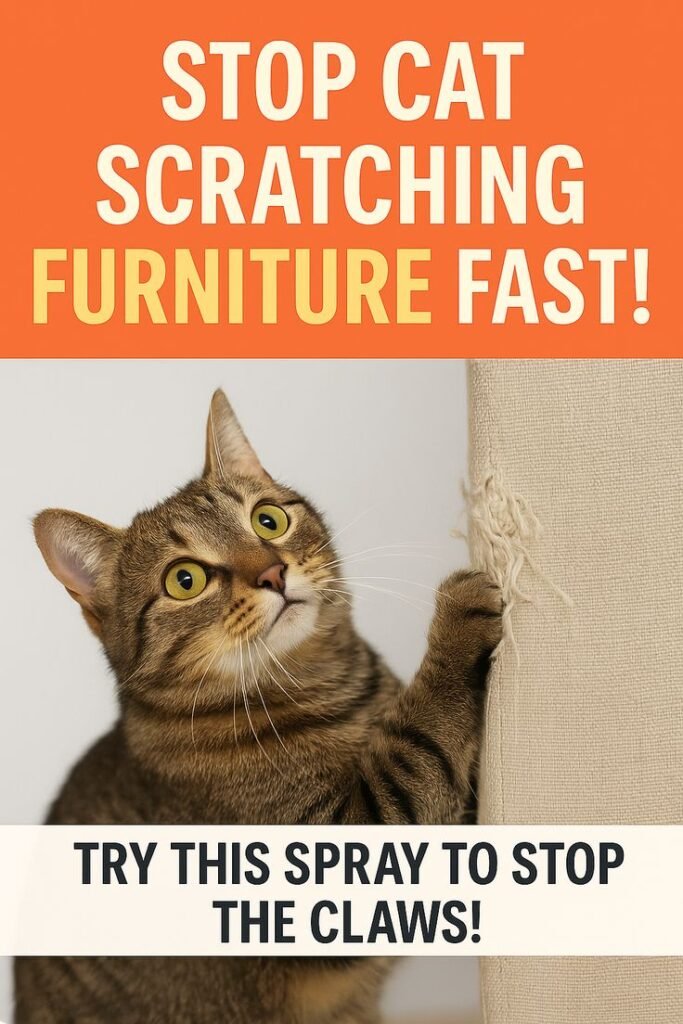
1. Cat Deterrent Sprays (Commercial)
Market mein available sprays jo furniture pe directly use kiye ja sakte hain.
Ye sprays usually bitter taste ya unpleasant scent create karte hain jo cats dislike karte hain.
Example brands:
Nature’s Miracle Cat Repellent Spray
PetSafe SSSCAT Spray (motion-activated, for areas cats frequently scratch)
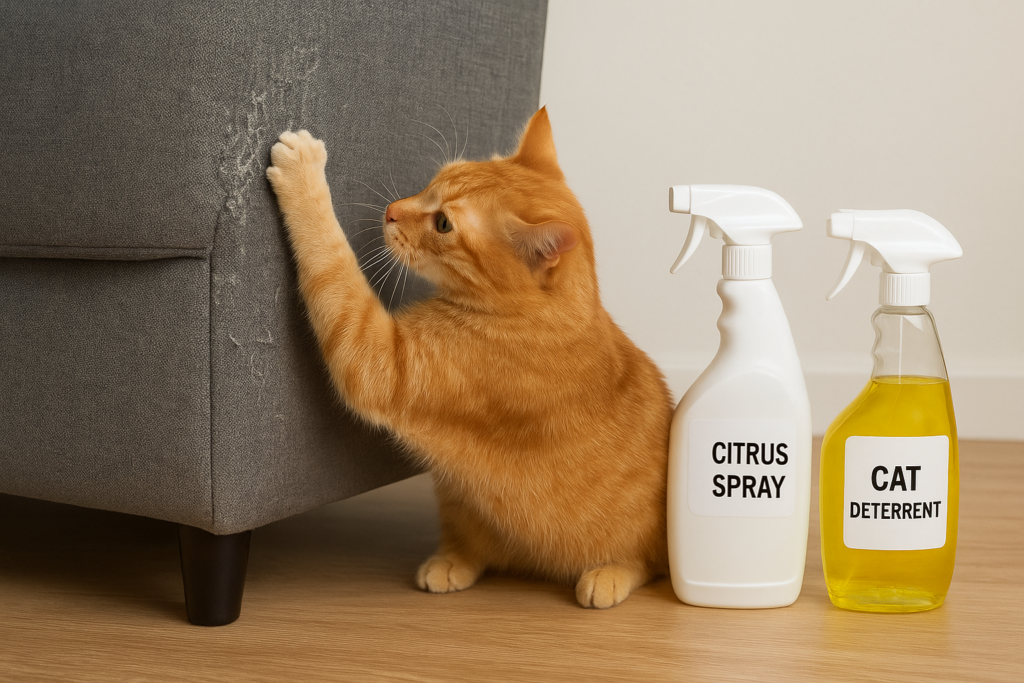
2. Citrus-Based Sprays (DIY Option)
Cats generally citrus scents pasand nahi karte.
Aap furniture ke corners ya areas jahan cat scratch karta hai, wahan lemon or orange peel extract diluted with water spray kar sakte hain.
3. Pheromone Sprays
Feliway Spray: synthetic cat pheromones, stress-relief ke liye aur furniture pe scratching kam karne ke liye effective.
Ye naturally cats ko calm karta hai aur territorial marking reduce karta hai.
Why Cats Scratch Furniture
Scratching is a natural feline behavior for several reasons:
Sharpening claws: Cats scratch to remove the outer nail layer and keep their claws healthy.
Marking territory: Cats have scent glands in their paws, so scratching leaves a scent to mark their territory.
Exercise and stretching: Scratching helps cats stretch their muscles, especially in their front legs and back.
Stress relief: Scratching can be a way for cats to release stress or boredom.
Understanding why your cat scratches is the first step in learning how to get a cat to stop scratching furniture.
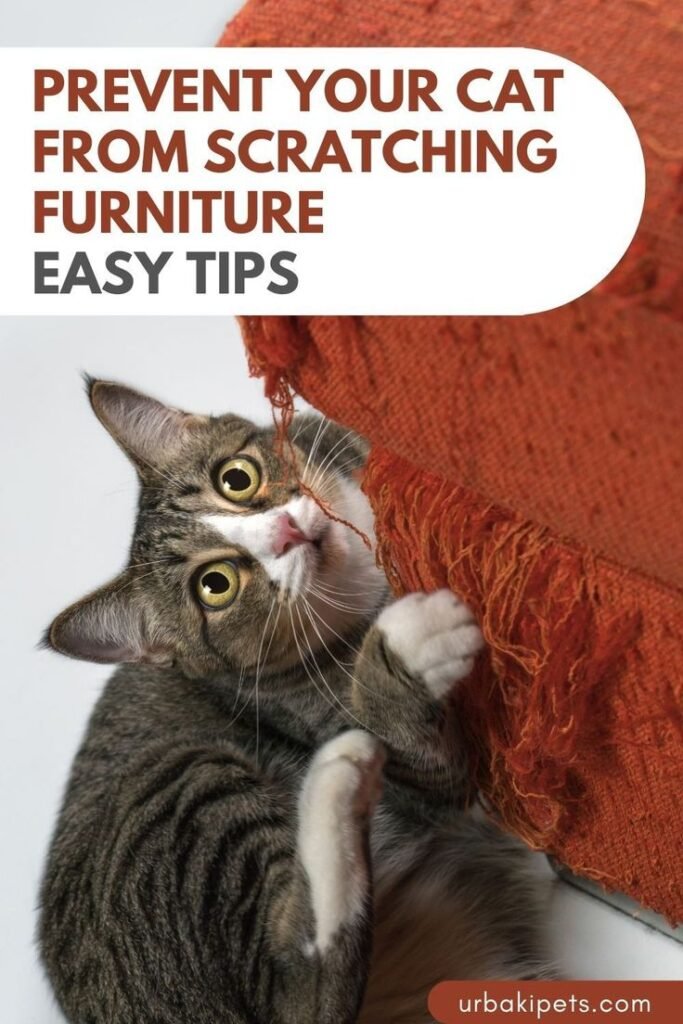
Tips to Stop Cat Scratching
Here’s a detailed list of proven ways to prevent your cat from scratching unwanted areas:
1. Provide Suitable Scratching Alternatives
Cats need something to scratch. Providing scratching posts, pads, or mats can redirect their natural behavior away from your furniture. Choose:
Vertical posts for cats who like to stretch upwards.
Horizontal pads for cats who prefer floor-level scratching.
Different textures (carpet, sisal, cardboard) to find what your cat likes.
Place scratching posts near the furniture your cat usually scratches. Reward them with treats or praise when they use the post.
2. Use Deterrents on Furniture
To prevent furniture scratching:
Use double-sided tape or furniture-safe sticky pads. Cats dislike the sticky sensation on their paws.
Cover furniture temporarily with protective sheets or slipcovers.
Citrus scents or cat-safe sprays can also deter cats from specific areas.
3. Trim Your Cat’s Claws Regularly
Keeping your cat’s claws trimmed reduces damage if they do scratch furniture. Use proper cat nail clippers and avoid cutting too deep to prevent pain or bleeding.
4. Positive Reinforcement
Reward your cat when they use the scratching post or appropriate areas. Treats, praise, or playtime helps them associate the right behavior with rewards.
5. Create an Enriched Environment
Cats scratch more when they are bored or stressed. Provide toys, climbing trees, and interactive play to keep them engaged. A stimulated cat is less likely to scratch furniture out of frustration.
6. Train With Gentle Techniques
Avoid punishing your cat physically. Instead:
Clap hands or use a noise to interrupt furniture scratching.
Immediately redirect them to a scratching post.
Consistency is key — always guide them to the right place.
Common Mistakes to Avoid
Punishing your cat: Physical punishment or yelling can increase stress and worsen behavior.
Ignoring scratching: Not addressing the issue can make it a habit.
Providing only one type of scratching post: Cats have preferences; experiment with textures and orientations.
Conclusion
Learning how to get a cat to stop scratching furniture is not difficult—it’s all about understanding your cat’s natural needs and providing better scratching alternatives. Scratching is a normal, instinctive behavior. Once you offer stable scratching posts, environmental enrichment, and positive training, your cat naturally prefers the approved surfaces instead of your sofa or chairs.
Using a combination of deterrents, redirecting behavior, attractive scratching options, and rewards will quickly reshape your cat’s habits. Remember, patience and consistency are key. Never punish your cat; instead, show them the right way—and reward good behavior.
With the methods in this guide, you can protect your furniture and keep your cat happy, confident, and healthy. A cat that scratches the right place is a content cat—and a cat owner who finally gets peace from furniture damage
FAQs
Q1: Why does my cat scratch furniture even though I have provided a scratching post?
Cats have individual preferences for textures, heights, and locations. Some cats prefer vertical scratching posts, while others enjoy horizontal pads or cardboard surfaces. If your cat continues to scratch furniture, try placing posts closer to the furniture they target, or experiment with different materials. Positive reinforcement with treats or praise when they use the post can also help. Understanding your cat’s behavior is key to learning how to get a cat to stop scratching furniture effectively.
Q2: Are there safe sprays or deterrents that prevent furniture scratching?
Yes, there are cat-safe deterrent sprays designed to discourage scratching on specific areas. Citrus-scented sprays or pheromone-based sprays are often effective because cats dislike these scents. However, sprays alone may not solve the problem. Combining deterrents with scratching alternatives, such as posts and pads, provides a more permanent solution for how to get a cat to stop scratching furniture.
Q3: How can I trim my cat’s claws safely?
Regular claw trimming reduces the damage caused by scratching. Use specialized cat nail clippers and trim only the sharp tip of the nail, avoiding the pink part (quick) to prevent pain or bleeding. If your cat is uncomfortable, try trimming after a play session when they are relaxed, or ask a veterinarian or professional groomer for guidance. Maintaining trimmed claws complements other strategies on how to get a cat to stop scratching furniture.
Q4: Is punishment effective for stopping furniture scratching?
No, punishment is not effective and can harm the cat-owner relationship. Physical punishment or yelling increases stress and may worsen the behavior. Instead, use gentle redirection techniques, such as clapping your hands or softly guiding your cat to a scratching post. Reward positive behavior consistently. Humane training is the safest way to address scratching and helps answer the question of how to get a cat to stop scratching furniture without causing stress.
Q5: How long does it take to train a cat to stop scratching furniture?
Training duration varies depending on the cat’s age, personality, and habits. Some cats adapt within a few days, while others may take several weeks. Consistency is key: always redirect scratching to an appropriate post, reward positive behavior, and use deterrents on furniture. With patience and persistence, you can teach your cat the right scratching behavior.
Q6: Can boredom or stress cause furniture scratching?
Yes, cats often scratch when they are bored, anxious, or stressed. Providing a stimulating environment with toys, climbing trees, and interactive play sessions reduces unwanted scratching. Environmental enrichment is an important step in learning how to get a cat to stop scratching furniture, as it addresses the root cause rather than just the symptoms.
Q7: Is declawing a solution to stop furniture scratching?
Declawing is strongly discouraged because it causes pain, behavioral problems, and long-term physical issues. Redirecting scratching behavior through posts, pads, and training is a humane and effective alternative. Learning how to get a cat to stop scratching furniture should focus on natural behavior management rather than surgical solutions.
Q8: Can scratching posts really replace furniture scratching?
Yes, with the right placement and texture, scratching posts can become your cat’s favorite target. Some cats prefer vertical posts near couches, while others like horizontal pads on the floor. Rewarding your cat when they use the post consistently reinforces the habit. Over time, they will associate scratching with appropriate surfaces, solving the challenge of how to get a cat to stop scratching furniture.
Q9: What are some creative ways to protect furniture while training my cat?
Temporary protective measures include double-sided tape, furniture covers, or aluminum foil on frequently scratched areas. These act as deterrents while your cat learns to use alternative surfaces. Combining protection with positive reinforcement and scratching posts creates a successful strategy for teaching how to get a cat to stop scratching furniture.
Q10: Can multiple cats influence scratching behavior?
Yes, having more than one cat can increase territorial scratching. Ensure each cat has access to its own scratching posts, toys, and resting areas. Proper management of multiple cats reduces competition and stress, which helps prevent furniture scratching and addresses the question of how to get a cat to stop scratching furniture effectively..
Pingback: Why Is My Cat Suddenly Aggressive? Causes, Signs & Solutions (2025 Guide)