
 By Muntaha farid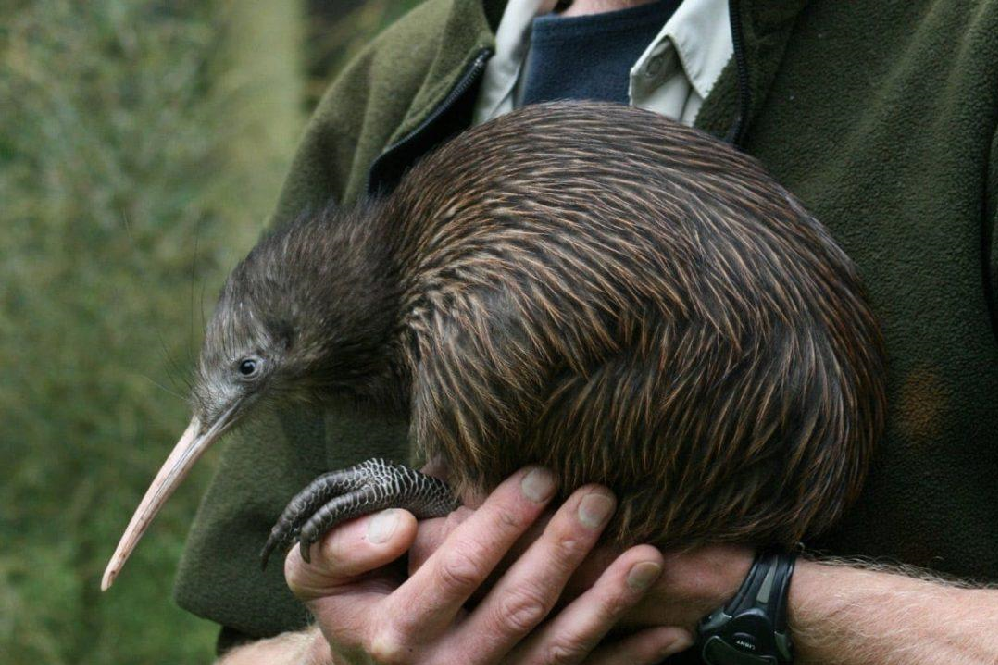
Discover everything about the Kiwi Bird,including habitat,behavior,diet,lifespan,conservation status and why it cannot be kept as a pet.
Introduction to the Kiwi Bird
The Kiwi Bird is one of the most unique and fascinating birds in the world.Native exclusively to New Zealand this small,flightless bird has captured global attention due to its unusual appearance,nocturnal behavior and strong cultural importance.
Unlike most birds,the kiwi does not fly.Instead,it has adapted to a life on the ground,where it uses its long beak and highly developed sense of smell to find food.Its hair like feathers,small wings and sturdy legs make it look more like a mammal than a typical bird.
In this complete guide,you will learn everything about the Kiwi Bird including its classification,habitat,behavior,diet,reproduction,conservation status and whether it can be kept as a pet.
What is a Kiwi Bird?
The Kiwi(bird)is a flightless bird belonging to the genus Apteryx.It is part of a group of birds known as ratites which also includes ostriches,emus and cassowaries.
Scientific Classification
- Kingdom Animalia
- Phylum Chordata
- Class Aves
- Order Apterygiformes
- Family Apterygidae
- Genus Apteryx
Kiwi birds are small compared to other ratites but are highly adapted for life on the forest floor.
Types of Kiwi Birds
There are five main species of kiwi birds:
1. North Island Brown Kiwi
This is the most common kiwi species and is found in the North Island of New Zealand.
2. South Island Brown Kiwi(Tokoeka)
A slightly larger species found in the South Island.
3. Little Spotted Kiwi
The smallest species,now rare and mostly found in protected areas.
4. Great Spotted Kiwi
The largest species with spotted feathers.
5. Rowi(Okarito Kiwi)
One of the rarest kiwi species,found in a very limited area.
Each species has adapted to different environments but all share similar physical and behavioral traits.
Physical Appearance of Kiwi Bird
The Kiwi Bird has a very unusual appearance compared to most birds.
Key Features
- Long, thin beak with nostrils at the tip
- Hair-like feathers instead of typical bird feathers
- Small,hidden wings
- Strong legs for running and digging
- No visible tail
One of the most unique features of the kiwi is its sense of smell,which is stronger than that of most birds.It uses this ability to locate food underground.

Habitat and Distribution
Kiwi birds are endemic to New Zealand,meaning they are found nowhere else in the world.
Preferred Habitats
- Dense forests
- Grasslands
- Scrublands
- Coastal regions
They prefer areas with soft soil,which allows them to dig burrows for shelter and search for food easily.
Behavior and Lifestyle
Kiwi birds have a very different lifestyle compared to most birds.
Nocturnal Behavior
Kiwis are nocturnal,meaning they are active during the night.During the day,they rest in burrows or hidden areas.
Territorial Nature
They are solitary and highly territorial birds.Each kiwi maintains its own territory and defends it from others.
Strong Sense of Smell
Unlike most birds that rely on vision,kiwi birds depend heavily on their sense of smell to locate prey.
Communication
Kiwis communicate through loud,high pitched calls that can be heard at night.
What Do Kiwi Birds Eat?
Kiwi birds are omnivores but mainly feed on animal matter.
Diet Includes
- Earthworms
- Insects
- Larvae
- Small invertebrates
- Fruits and seeds
Their long beak allows them to probe deep into the soil to find hidden food.
Reproduction and Life Cycle
Kiwi birds have one of the most unusual reproductive systems in the animal kingdom.
Large Eggs
Kiwi eggs are extremely large compared to the size of the female up to 20% of her body weight.
Mating System
Kiwis are usually monogamous,forming long term pairs.
Incubation
- The male often incubates the egg
- Incubation period is about 70 to 80 days
Chicks
- Born fully feathered
- Can survive independently soon after hatching
- Do not require feeding by parents
Lifespan of Kiwi Bird
Kiwi birds have a relatively long lifespan
- In the wild 20 to 30 years
- In protected environments up to 40 to 50 years
However,many kiwi birds do not reach adulthood due to predators.
Predators and Threats
Kiwi birds face many threats,especially from animals introduced by humans.
Main Predators
- Dogs
- Cats
- Stoats
- Ferrets
Other Threats
- Habitat destruction
- Human expansion
- Road accidents
These threats have significantly reduced kiwi populations.
Conservation Status
Most kiwi species are classified as vulnerable or endangered.
Conservation Efforts Include
- Predator control programs
- Protected wildlife reserves
- Breeding programs
- Public awareness campaigns
New Zealand has made significant efforts to protect kiwi birds and increase their population.
Is Kiwi Bird a Pet?
No,a kiwi bird is not a pet.
1. Legal Protection
Kiwi birds are protected by law in New Zealand.It is illegal to own or keep them without special permission.
2. Wild Nature
They are not domesticated and cannot adapt to living in homes.
3. Special Care Requirements
Kiwi birds need
- Natural forest environments
- Nighttime activity
- Specific diets
4. Conservation Importance
They are endangered and must be protected in the wild rather than kept as pets.
Cultural Importance of Kiwi Bird
The kiwi bird holds deep cultural significance in New Zealand.
- It is the national symbol of the country
- People of New Zealand are often called“Kiwis”
- It represents uniqueness and identity
The kiwi bird is a symbol of pride and heritage.
Interesting Facts About Kiwi Bird
- Kiwi birds cannot fly
- They have nostrils at the tip of their beak
- Their eggs are among the largest relative to body size
- They have hair like feathers
- They are nocturnal animals
Kiwi Bird vs Other Flightless Birds
Kiwi birds are often compared to other flightless birds such as ostriches and emus.
Differences
- Much smaller in size
- Active at night
- Strong sense of smell
- Live in forests rather than open plains
These differences make the kiwi unique among flightless birds.
Can Kiwi Birds Be Domesticated?
No, kiwi birds cannot be domesticated.Domestication is a long process that takes many generations and kiwi birds have never been bred for human interaction.
Best Alternatives if You Want a Pet Bird
If you are interested in keeping a bird as a pet,consider these options:
- Budgerigars(budgies)
- Lovebirds
- Cockatiels
- Canaries
These birds are easier to care for and are suitable for home environments.
Conclusion
The Kiwi Bird is truly one of the most fascinating birds in the world.Its unique features,nocturnal lifestyle and cultural importance make it stand out among all bird species.However,despite its charm,it is not suitable as a pet due to legal restrictions,conservation concerns and its wild nature.
Understanding and protecting kiwi birds is essential to ensure their survival.Instead of trying to domesticate them efforts should be focused on preserving their natural habitats and supporting conservation programs.
FAQs About Kiwi Bird
1. Can a kiwi bird fly?
No,kiwi birds are completely flightless.
2. Where are kiwi birds found?
They are found only in New Zealand.
3. Are kiwi birds endangered?
Yes,many species are endangered or vulnerable.
4. What do kiwi birds eat?
They mainly eat insects,worms and small invertebrates.
5. Can kiwi birds be kept as pets?
No,they are protected wild animals and cannot be kept as pets.