
Lab-Grown Pet Food Safety: Is Cultured Meat Safe for Dogs & Cats? (2026)
Lab-grown pet food safety explained in depth. Discover if cultured meat pet food is safe for dogs and cats, including benefits, risks, nutrition, and veterinary insights.
Lab-Grown Pet Food Safety: Is Cultured Meat Safe for Dogs & Cats?
Pet nutrition is evolving rapidly, and one of the most revolutionary developments is lab-grown meat used in pet food. Instead of raising and slaughtering animals, scientists can now grow real animal tissue from cells in controlled environments. This new protein source is entering the pet food market and attracting attention from pet owners, veterinarians, and sustainability advocates.
However, the most important question remains: what about lab-grown pet food safety?
Is cultured meat nutritionally complete for dogs and cats?
Is it digestible and free from contaminants?
Are there hidden long-term risks?
This comprehensive guide explores lab-grown pet food safety in detail, including scientific evidence, benefits, risks, veterinary perspectives, and practical feeding guidance.
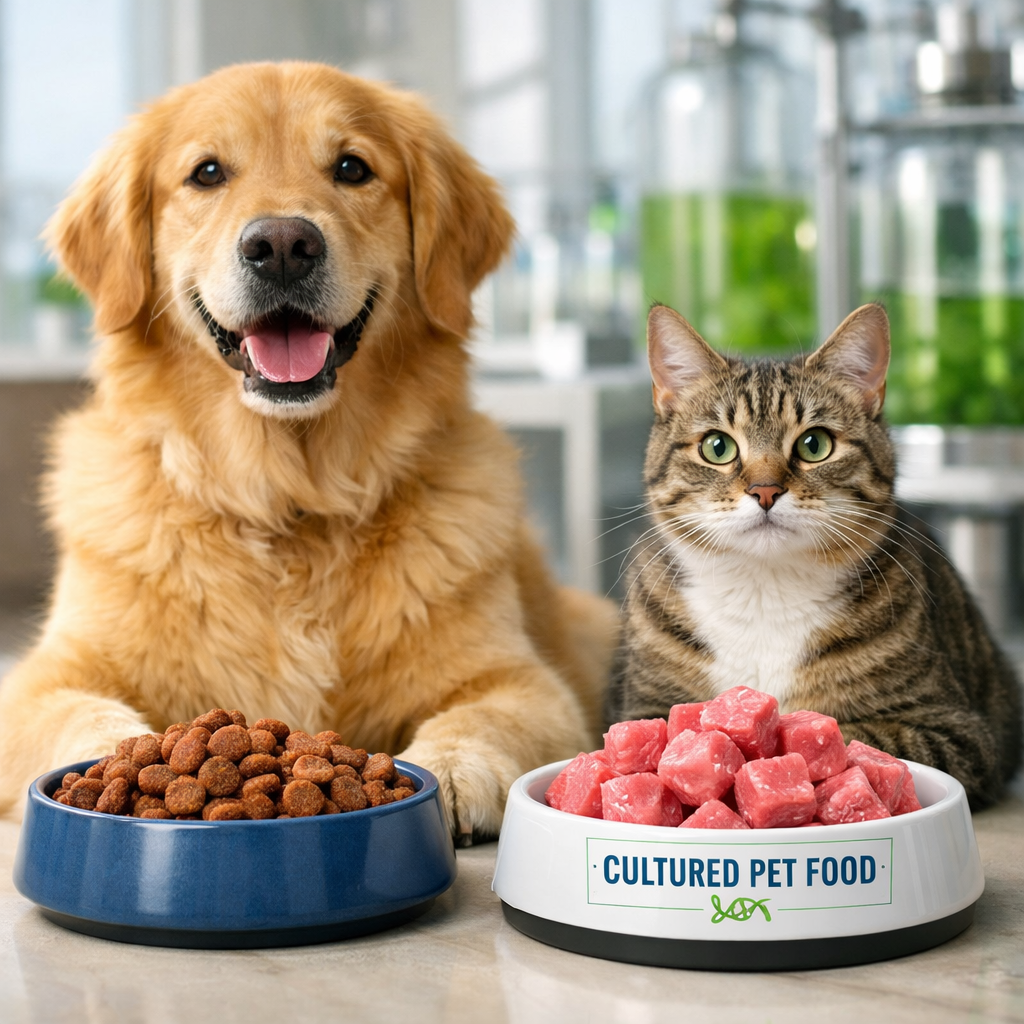
What Is Lab-Grown Pet Food?
Lab-grown pet food, also called cultured or cell-based pet food, is produced by growing animal cells into muscle tissue without raising animals. Scientists collect a small sample of animal cells and cultivate them in nutrient-rich conditions until they form edible meat.
The resulting ingredient is biologically real meat. It contains animal protein, fats, and micronutrients similar to conventional meat used in pet diets.
Because production occurs in controlled sterile systems rather than farms and slaughterhouses, many experts believe lab-grown pet food safety may be equal or even superior to traditional meat safety.
Why Lab-Grown Pet Food Safety Is Important
Pet food safety has been a global concern for decades. Conventional meat used in pet diets can introduce risks such as:
Bacterial contamination
Antibiotic residues
Environmental toxins
Inconsistent nutrient levels
Diseased animal tissue
These issues sometimes lead to recalls or health concerns. Lab-grown meat aims to reduce these risks through controlled cellular production, making lab-grown pet food safety a major topic in modern pet nutrition.
Scientific Basis of Lab-Grown Pet Food Safety
The safety of cultured meat for pets depends on several biological and production factors.
Biological Equivalence to Meat
Cultured meat is composed of animal cells, not plant substitutes. Its protein structure, amino acid profile, and digestibility resemble conventional meat. This biological similarity supports lab-grown pet food safety for carnivorous and omnivorous pets.
Sterile Controlled Production
Cultured meat grows in sterile bioreactors rather than slaughter facilities. This reduces exposure to pathogens such as Salmonella or E. coli. Reduced microbial contamination is a major safety advantage.
No Livestock Antibiotics
Livestock farming often uses antibiotics or medications. Cultured meat production does not require these substances, reducing residue exposure in pet diets.
Lab-Grown Pet Food Safety for Dogs
Dogs are dietary omnivores capable of digesting diverse protein sources. This flexibility supports lab-grown pet food safety for canine nutrition.
Potential safety benefits for dogs include:
Clean protein source
Consistent nutrient profile
Reduced contamination risk
High digestibility
Early feeding trials suggest dogs accept cultured meat well and digest it normally. For healthy adult dogs, most experts consider lab-grown pet food safety comparable to traditional meat-based diets when properly formulated.
Lab-Grown Pet Food Safety for Cats
Cats are obligate carnivores and require nutrients found only in animal tissue, including taurine and arachidonic acid. Because cultured meat is genuine animal tissue, it can theoretically supply these nutrients.
This supports lab-grown pet food safety for cats from a biological perspective. However, feline nutrition is highly specific, and long-term feeding studies are still limited. Experts recommend complete-balanced formulations and gradual introduction.
Lab-Grown Meat vs Traditional Meat in Pet Food
| Safety Factor | Lab-Grown Meat | Traditional Meat |
|---|---|---|
| Bacterial contamination risk | Very low (sterile production) | Moderate |
| Antibiotic residues | None | Possible |
| Nutrient consistency | High | Variable |
| Environmental toxins | Low | Possible |
| Slaughter contamination | None | Possible |
| Digestibility | High | High |
| Long-term feeding data | Limited | Extensive |
This comparison highlights why lab-grown pet food safety is considered promising despite limited long-term data.
Key Safety Advantages of Lab-Grown Pet Food
Reduced Pathogen Exposure
Sterile cultivation environments reduce bacterial contamination risk compared with slaughter-derived meat.
No Antibiotic Residues
Cell-based production avoids livestock drugs, improving lab-grown pet food safety from a toxicology standpoint.
Consistent Nutritional Composition
Traditional meat varies by animal health and diet. Cultured meat can be standardized for consistent nutrition.
Lower Environmental Contaminants
Controlled production reduces exposure to heavy metals and pollutants.
Potential Risks and Unknowns
Despite promising evidence, lab-grown pet food safety still includes uncertainties.
Limited Long-Term Feeding Studies
Traditional ingredients have decades of data. Cultured meat feeding trials are still developing.
Manufacturing Variation
Different production methods may affect safety. Standards and regulation are still evolving.
Nutritional Formulation Challenges
Cultured meat alone is not complete nutrition. Pet food must meet dietary standards.
Novel Protein Sensitivity
Some pets may react to new proteins, although this risk exists with any diet change.
Benefits vs Risks of Lab-Grown Pet Food Safety
| Aspect | Benefits | Potential Risks |
|---|---|---|
| Protein quality | Real animal protein | Depends on formulation |
| Contamination | Lower pathogen risk | Production errors possible |
| Nutrition | Consistent composition | Long-term data limited |
| Allergy potential | Controlled protein source | Novel protein sensitivity |
| Environmental toxins | Reduced exposure | Unknown trace factors |
| Veterinary evidence | Growing support | Research ongoing |
Veterinary Perspective on Lab-Grown Pet Food Safety
Veterinary nutrition specialists generally view cultured meat cautiously but positively. Common conclusions include:
Cultured meat is biologically meat
Digestibility appears comparable
Contamination risk may be lower
Nutritional adequacy depends on formulation
Long-term studies still needed
Most veterinarians consider lab-grown pet food safety acceptable for healthy adult pets when complete-balanced formulas are used.
Pets That May Benefit Most
Lab-grown pet food safety advantages may be especially helpful for:
Food-allergic pets
Sensitive digestion
Antibiotic-free diets
Ethical households
Sustainable lifestyles
Clean, consistent protein may improve tolerance in sensitive animals.
When Pet Owners Should Be Cautious
Full diet replacement with cultured meat should be cautious in:
Puppies and kittens
Pregnant or nursing pets
Pets with medical diets
Kidney or liver disease
Growth-stage nutrition
These groups require extensively tested diets.
Environmental vs Health Safety
Cultured meat reduces land use, emissions, and water compared with livestock. However, environmental sustainability does not automatically equal nutritional safety. Lab-grown pet food safety must still be evaluated through biology, digestion, and long-term health outcomes.
Future of Lab-Grown Pet Food Safety
Experts expect safety confidence to increase due to:
Standardized production
Larger feeding trials
Regulatory approvals
Veterinary research
Improved formulations
Cultured pet food may become mainstream in the US and UK within the next decade.
Practical Guide: Introducing Lab-Grown Pet Food Safely
To support lab-grown pet food safety during diet transition:
Choose complete-balanced formulas
Transition gradually over 7–10 days
Monitor appetite and stool
Watch for allergies
Consult a veterinarian if needed
These steps reduce risk with any new diet.
Final Verdict on Lab-Grown Pet Food Safety
Current evidence suggests lab-grown pet food safety is promising and comparable to traditional meat when properly formulated.
Advantages include:
Real animal protein
Lower contamination risk
Controlled nutrition
Ethical sourcing
However, long-term feeding data in dogs and cats is still developing. For healthy adult pets, cultured meat diets appear likely safe according to current scientific understanding.
Conclusion
Lab-grown meat is one of the most innovative developments in modern pet nutrition. By producing real animal protein through cellular agriculture, it offers a potential solution to sustainability, ethics, and food safety challenges in the pet industry.
Available evidence indicates lab-grown pet food safety is comparable to traditional meat when produced and formulated correctly. As research expands and regulation develops, cultured pet food is expected to become a trusted and common dietary option for pets in the United States, the United Kingdom, and worldwide.
FAQs: Lab-Grown Pet Food Safety
What is lab-grown pet food?
Lab-grown pet food is made from real animal cells cultivated in controlled environments instead of meat from slaughtered animals. This process produces biologically identical animal protein used in pet diets.
Is lab-grown pet food safe for dogs and cats?
Current scientific evidence suggests lab-grown pet food safety is promising. Cultured meat is biologically similar to conventional meat and may have lower contamination risk. However, long-term feeding studies in pets are still developing.
Is cultured meat nutritionally complete for pets?
Cultured meat can provide real animal protein and essential nutrients, but lab-grown pet food must still be formulated as complete and balanced to meet canine or feline nutritional requirements.
Is lab-grown pet food safer than traditional pet food?
Lab-grown pet food may reduce risks such as bacterial contamination and antibiotic residues due to sterile production. However, traditional pet food has longer safety history, so both have advantages and limitations.
Can cats safely eat lab-grown meat?
Yes, because cultured meat is real animal tissue, it can supply nutrients cats require, including taurine. However, complete feline formulations and gradual introduction are important for safety.
Are there risks with lab-grown pet food?
Potential risks include limited long-term research, manufacturing variation, and nutritional imbalance if formulas are incomplete. These risks apply to any new pet food ingredient.
Is lab-grown pet food good for pets with allergies?
Cultured meat may benefit pets with food sensitivities because protein sources are controlled and free from many contaminants found in conventional meat.
Is lab-grown pet food approved by regulators?
Regulatory approvals for cultured pet food ingredients are emerging in some regions, and safety evaluations typically assess nutrition, toxicity, and manufacturing standards.
How should I introduce lab-grown pet food safely?
Introduce gradually over 7–10 days, mixing with the current diet while monitoring appetite, stool, and overall health. Choose complete-balanced products and consult a veterinarian for medical pets.
Will lab-grown pet food replace traditional meat?
Lab-grown pet food is expected to grow alongside traditional pet food rather than fully replace it. As research and production expand, it may become a common protein option in the future.