
Deadly Rabies in Dogs: Symptoms, Prevention & Life-Saving Health Tips
Learn about the behaviour of dogs affected by rabies — including early symptoms, aggression signs, and prevention tips. Discover how to identify rabid dogs and protect your pets with proper vaccination and care.
Introduction
Rabies in dogs is one of the most feared diseases in the world — and for a good reason. It is a highly fatal viral infection that affects the brain and nervous system of both animals and humans. Despite being preventable, rabies in dogs continues to be a major health threat, especially in areas where stray animals and wildlife are common. For dog owners, understanding how rabies spreads, what symptoms to watch for, and how to protect their pets is essential for keeping both their animals and families safe.
The danger of rabies in dogs lies in its silent progression. A dog may be bitten by an infected animal and show no symptoms for weeks or even months, all while the virus slowly travels through the body. By the time obvious signs appear, it is already too late — rabies becomes 100% fatal once clinical symptoms start. This makes awareness, prevention, and vaccination the most crucial parts of protecting your dog from this deadly disease.
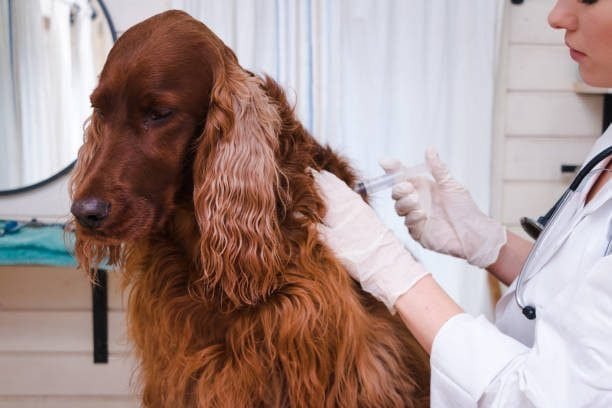
What Is Rabies?
Rabies is a viral disease that affects the central nervous system of mammals, including dogs, cats, and humans. The virus is usually transmitted through the bite or saliva of an infected animal.
Once the rabies virus enters the body, it travels through the nerves to the brain. When it reaches the brain, it causes inflammation, leading to changes in behavior, paralysis, and death.
Unfortunately, there is no cure for rabies once symptoms appear — which makes prevention and vaccination extremely important.
How Rabies Spreads in Dogs
Rabies is mainly spread through bites, scratches, or open wounds exposed to the saliva of an infected animal. Common carriers of the rabies virus include:
Stray or unvaccinated dogs
Bats
Foxes
Raccoons
Other wild animals
Dogs that roam freely or come into contact with stray animals are at a higher risk of infection.
How Veterinarians Diagnose Rabies in Dogs
Diagnosing rabies is challenging because symptoms can resemble other diseases like distemper or poisoning.
pets may use:
Clinical history
Observation of symptoms
Exposure to wild animals
Laboratory tests (post-mortem confirmation)
Important: Rabies cannot be confirmed in a living dog with 100% accuracy.
Once symptoms start, treatment is not possible.
Symptoms of Rabies in Dogs
Rabies symptoms in dogs can appear within 2 to 8 weeks after infection. The disease usually progresses through three stages:
1. Prodromal Stage (Early Signs)
Duration: 1–3 days
Fever
Changes in behavior (nervousness, shyness, or aggression)
Loss of appetite
Licking or biting the infected wound excessively
2. Furious Stage (Aggressive Phase)
Duration: 3–4 days
Aggressive or restless behavior
Excessive drooling or foaming at the mouth
Attempting to bite anything (even owners)
Disorientation and anxiety
3. Paralytic Stage (Final Phase)
Duration: 1–4 days
Paralysis of throat and jaw muscles (inability to swallow or bark)
Drooping jaw and excessive saliva
Weakness or paralysis of legs
Coma and death
If you observe these symptoms, seek emergency veterinary care immediately. Avoid handling the dog directly without protection.
Prevention: How to Protect Your Dog from Rabies
Preventing rabies is simple, effective, and affordable. Here are the most important steps every dog owner should follow:
Get Your Dog Vaccinated
Puppies should receive their first rabies vaccine at 3 months old.
Follow-up booster shots are required every 1 to 3 years depending on local laws.
Avoid Stray and Wild Animals
Do not allow your dog to roam freely or interact with stray dogs.
Always use a leash during walks.
Supervise Outdoor Time
Keep your dog indoors at night and in a secure area during the day.
Report Suspicious Animals
If you see stray dogs or animals acting strangely (aggressive, drooling, disoriented), report them to local animal control authorities.
Educate Your Family
Teach children not to approach stray or unfamiliar animals.

What to Do If Your Dog Is Bitten
If your dog is bitten or scratched by another animal:
Wash the wound immediately with soap and running water for at least 15 minutes.
Contact your veterinarian right away.
Do not delay vaccination if your dog’s rabies vaccine is overdue.
Observe your dog’s behavior for any signs of illness.
Quick action can save your dog’s life and prevent the virus from spreading.
General Health Tips for Your Dog
Protecting your dog from rabies is just one part of keeping them healthy. Here are some additional tips:
Provide a balanced diet with essential nutrients.
Ensure fresh water is always available.
Schedule regular vet checkups (at least once a year).
Keep up with all vaccinations and deworming schedules.
Give your dog enough exercise and mental stimulation.
A healthy dog is less vulnerable to infections and lives a longer, happier life.

How Rabies in Dogs Affects Humans
Rabies in dogs is not just dangerous for pets — it is a serious threat to human health as well. Because rabies is a zoonotic disease, it can easily spread from infected dogs to people if proper precautions are not taken. Understanding how the virus transmits to humans can help you react quickly and protect yourself and your family.
Humans can become infected with rabies when the virus in a dog’s saliva enters the body. This typically happens through:
Dog bites – Even a small bite can transmit the virus because the saliva directly enters the tissue.
Dog scratches – If the dog’s saliva touches a scratch, cut, or broken skin, the virus can still enter the body.
Saliva contact with eyes, mouth, or wounds – Accidentally touching infected saliva and then touching your face or uncovered skin can cause infection.
Once the rabies virus enters the human body, it begins traveling through the nerves toward the brain. This process may take weeks or even months, but once symptoms appear — such as fever, confusion, hydrophobia (fear of water), and paralysis — the disease becomes almost impossible to treat.
Unfortunately, rabies in humans is almost 100% fatal once symptoms start, which is why immediate medical treatment after exposure is absolutely critical. If a person is bitten or scratched by a dog suspected of having rabies, they must receive post-exposure prophylaxis (PEP) right away. This life-saving treatment can prevent the virus from spreading in the body.
Rabies is preventable with timely action. Quick wound cleaning, immediate medical attention, and completing the vaccine dose sequence can save a person’s life. Staying aware and cautious around suspicious or aggressive dogs is the best way to protect yourself and those around you.
Final Thoughts
Rabies in dogs is one of the most dangerous diseases on the planet, but the good news is that it is completely preventable. With the right awareness, timely vaccination, and responsible pet care, you can protect your dog from this fatal virus. Prevention is always easier and safer than treatment, especially because rabies has no cure once symptoms appear. This makes your dog’s annual veterinary checkups, booster shots, and protective measures extremely important.
As a pet parent, staying informed and alert is your strongest defense. If you ever suspect your dog has been exposed to rabies, take action immediately — it could make the difference between life and death. Your dog depends on you for protection, and with proper prevention, you can ensure a long, safe, and healthy life for your furry friend.
FAQ
1. What are the first signs of rabies in dogs?
The earliest signs of rabies in dogs include sudden behavior changes such as fearfulness, restlessness, fever, and irritability. You may also notice your dog licking or biting the wound area repeatedly. These symptoms appear during the prodromal stage, usually within the first 2–3 days. If your dog shows any unusual behavior after being bitten by another animal, you should contact a veterinarian immediately.
2. How quickly do rabies symptoms develop in dogs?
Rabies symptoms can take 10 days to 6 months to appear, depending on the location of the bite, the dog’s immune system, and the severity of exposure. Bites closer to the head usually cause faster infection because the virus travels through the nervous system to the brain. Once symptoms start, the disease progresses rapidly and is nearly always fatal.
3. Can a vaccinated dog still get rabies?
Vaccination offers strong protection, but no vaccine provides 100% guaranteed immunity. A vaccinated dog has a very low chance of getting rabies, especially if booster shots are taken on time. However, if a vaccinated dog is bitten by a suspicious animal, vets still recommend giving a rabies booster immediately as a precaution. This strengthens immunity and reduces risk.
4. Can humans get rabies from an infected dog?
Yes. Rabies is a zoonotic disease, meaning it can spread from animals to humans. People can get infected through dog bites, scratches, or when infected saliva touches the eyes, mouth, or open skin. If a person is bitten by a dog with suspected rabies, immediate medical care and post-exposure vaccination are necessary to prevent infection.
5. What should I do if my dog is bitten by a stray or wild animal?
If your dog is bitten, follow these steps:
Wash the wound with soap and running water for at least 15 minutes.
Contact your veterinarian immediately for examination.
Get a rabies booster shot (even if vaccinated).
Observe the biting animal from a safe distance and report it to animal control.
Early action can stop the virus from spreading inside your dog’s body.