
Rabies Virus in Dogs
Rabies Virus in Dogs: Ultimate Owner’s Guide to Symptoms & Vaccination
Rabies Virus in Dogs spreads through bites and saliva. Learn symptoms, incubation period, vaccination prevention, and what to do after exposure.


Introduction
Rabies is one of the most feared viral diseases because it affects the nervous system and is almost always fatal once clinical signs appear. Fortunately, rabies is preventable in dogs through routine vaccination, quick action after exposure, and responsible pet care. This post explains how rabies spreads, how to spot it, and practical steps to protect your dog and your family.
What is rabies and how does it spread?
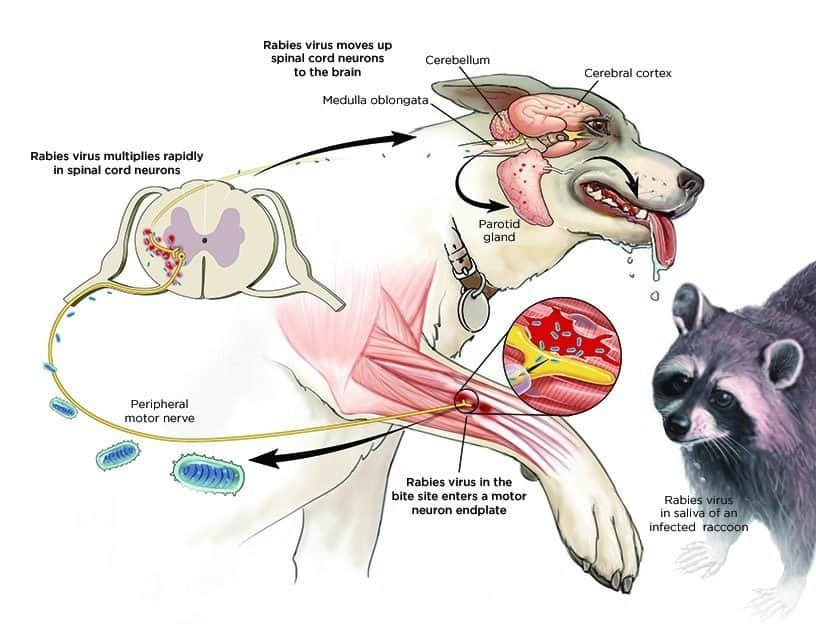
Rabies is caused by a neurotropic virus (Lyssavirus) that travels from the site of infection through peripheral nerves to the brain. The most common route of transmission is through the saliva of an infected animal — usually from a bite. Contact between infected saliva and open wounds or mucous membranes can also transmit the virus. Wild mammals such as bats, raccoons, skunks, foxes, and rodents are common reservoirs in many regions; dogs are especially at risk in areas with uncontrolled stray populations. Following a proper Dog vaccination schedule is crucial to protect your pets from this deadly disease and prevent its spread.
Incubation period — how long before signs appear?
The incubation period in dogs is variable: frequently a few weeks to a few months, though it can be shorter or (rarely) longer. Factors that influence timing include the location of the bite (closer to the head often shortens incubation), the amount of virus introduced, and the dog’s age and immune status. Because of this variability, any suspected exposure should be treated seriously even if the dog appears healthy at first.
Signs and stages of rabies in dogs
Rabies typically progresses through stages, although not every animal shows textbook progression. Two well-known clinical presentations are:
Prodromal stage: subtle behavior changes — anxiety, clinginess, slight fever, or withdrawal.
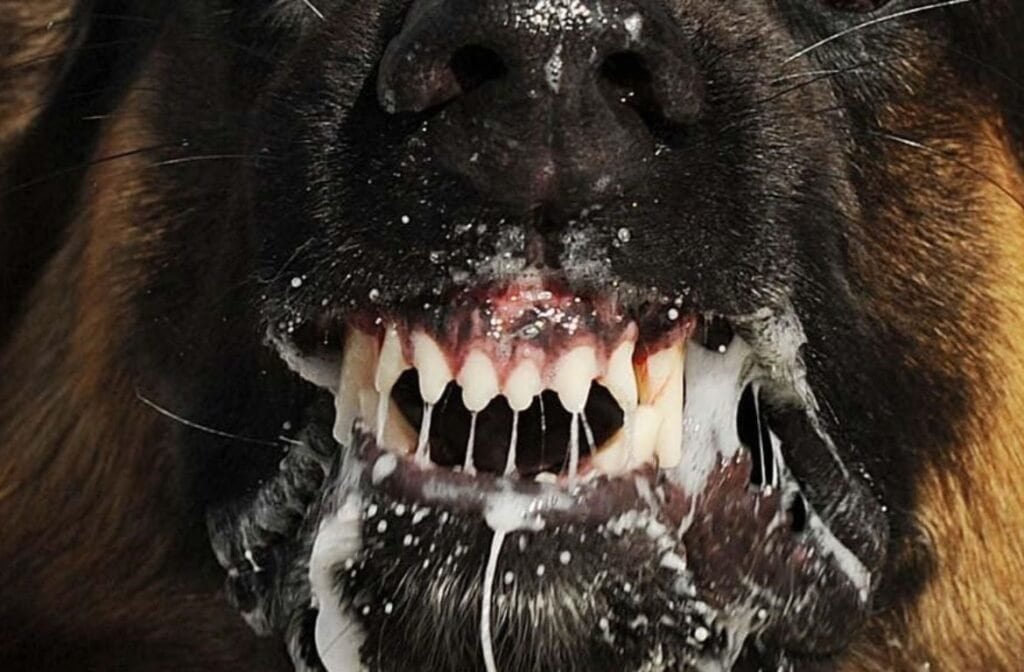
Furious (excitative) rabies: sudden aggression, restlessness, biting at objects, sensitivity to light/sound, and excessive salivation (foaming). Dogs can become unpredictable and may attack humans or other animals.
Paralytic (dumb) rabies: weakness, loss of coordination, difficulty swallowing, progressing to paralysis and coma. Respiratory failure typically follows; death usually occurs within days to a couple of weeks after clinical signs begin.
Important: Once clinical signs appear, rabies is virtually always fatal for the animal. Immediate action after exposure (before symptoms) is the window to prevent disease.
Diagnosis
Definitive diagnosis requires laboratory testing of brain tissue (post-mortem). In a live animal, veterinarians will rely on exposure history and clinical signs; they may recommend quarantine or euthanasia based on local laws and risk. Because testing requires specialized labs, contact your vet or public health authority right away if exposure is suspected.
Treatment and public-health steps after exposure
If your dog is bitten or exposed: Immediately wash any wounds with soap and water and call your veterinarian. The vet will assess vaccination status and risk; unvaccinated dogs often require strict quarantine or may be euthanized depending on local regulations. Vaccinated dogs may receive a booster and observation. Time is critical.
For humans bitten by animals: Seek urgent medical care — post-exposure prophylaxis (PEP) for humans can prevent rabies if given promptly after exposure. Do not delay.
Prevention — the single most important step
Vaccination: Regular rabies vaccination is the most effective and reliable prevention. Follow your veterinarian’s schedule and local law for primary series and boosters.
Avoid contact with wildlife and supervise dogs when outside, especially in areas known for rabies in wildlife or stray dog populations.
Report and manage bites: If you or your dog is bitten by a stray or wild animal, report it to local animal control and consult your vet immediately. Prompt reporting helps public health agencies track outbreaks.
Quarantine, laws, and community responsibility
Rabies control is a community effort: vaccination campaigns, stray animal control, and education reduce risk for both animals and people. Laws about quarantine, testing, and vaccination vary by location — always follow your local public health and veterinary guidance.
Final takeaway & action checklist
Keep rabies vaccinations up to date.
If exposed, contact a vet and public health immediately. Do not wait for symptoms.
Teach family members, especially children, never to approach unfamiliar animals or wildlife.
If you’re unsure about your dog’s vaccination status or whether an exposure was risky, call your veterinarian now — it’s the fastest way to protect your dog and your family.
Frequently Asked Questions About Rabies in Dogs
General Questions
Q1: Can a vaccinated dog still get rabies?
While extremely rare, breakthrough infections can occur if the vaccine didn’t produce adequate immunity or if the dog was exposed to an overwhelming viral load. However, properly vaccinated dogs have over 99% protection. This is why booster shots are crucial to maintain immunity throughout your dog’s life.
Q2: How long does rabies vaccine protect my dog?
Initial puppy vaccines typically require a booster after one year. After that, boosters are given every 1-3 years depending on the vaccine type and local regulations. Always follow your veterinarian’s recommended schedule and local law requirements.
Q3: Is rabies only spread through bites?
No. While bites are the most common route, rabies can also spread through infected saliva contacting open wounds, scratches, or mucous membranes (eyes, nose, mouth). Even a small scratch from an infected animal should be treated seriously.
Q4: Can humans catch rabies from their dogs?
Yes. Rabies is a zoonotic disease, meaning it can transfer from animals to humans. If your dog shows signs of rabies or has been exposed, avoid contact with their saliva and seek medical attention immediately. Human post-exposure prophylaxis is highly effective when given promptly.
Symptoms & Diagnosis
Q5: What are the first signs my dog might have rabies?
Early signs are often subtle: behavioral changes like unusual anxiety, clinginess, withdrawal, slight fever, or restlessness. As the disease progresses, you may notice aggression, excessive drooling, difficulty swallowing, sensitivity to light and sound, or paralysis. Any sudden unexplained behavioral change after potential exposure warrants immediate veterinary attention.
Q6: How quickly do rabies symptoms appear after a bite?
The incubation period varies widely—typically 3-8 weeks, but it can range from as little as a few days to several months. Bites closer to the head tend to show symptoms faster because the virus has a shorter distance to travel to the brain.
Q7: Can rabies be detected in a living dog?
Unfortunately, no reliable test exists for live animals. Definitive diagnosis requires laboratory examination of brain tissue after death. Veterinarians make assessments based on exposure history, clinical signs, and vaccination status. This is why prevention and immediate post-exposure action are so critical.
Q8: What is the survival rate for dogs with rabies symptoms?
Once clinical signs appear, rabies is virtually 100% fatal. There are no confirmed cases of dogs surviving rabies after symptoms develop. This makes prevention through vaccination absolutely essential.
Exposure & Emergency Response
Q9: My dog was bitten by a stray animal. What should I do immediately?
- Wear gloves and wash the wound thoroughly with soap and water for 10-15 minutes
- Contact your veterinarian immediately—do not wait
- Report the incident to local animal control
- Do not attempt to capture the animal yourself
- Keep your dog isolated from other pets and people until cleared by a vet
Q10: What happens if my unvaccinated dog is exposed to rabies?
Local regulations vary, but options typically include strict 4-6 month quarantine (often at the owner’s expense) or immediate euthanasia. This harsh reality is why keeping vaccinations current is so important—vaccinated dogs usually only need a booster and short observation period.
Q11: Can I get rabies if my dog licks an open wound on my skin?
If your dog is infected or incubating rabies, yes—this is possible. The virus is present in saliva before symptoms appear. If you have any concerns about exposure, wash the area thoroughly and seek medical advice immediately. Post-exposure prophylaxis for humans is highly effective when given promptly.
Q12: How long should an exposed dog be quarantined?
For vaccinated dogs: typically 10-45 days observation depending on local laws. For unvaccinated dogs: often 4-6 months strict quarantine or euthanasia. Requirements vary by location—always follow your local public health authority’s guidance.
Prevention & Vaccination
Q13: At what age should puppies get their first rabies vaccine?
Puppies typically receive their first rabies vaccine at 12-16 weeks of age, followed by a booster one year later. After that, boosters are given every 1-3 years. Check with your veterinarian for the exact schedule recommended in your area.
Q14: Are there any side effects from rabies vaccination?
Most dogs have no reaction or only mild effects like temporary soreness at the injection site, slight fever, or letharness for 24-48 hours. Serious allergic reactions are rare but can include facial swelling, vomiting, or difficulty breathing. Contact your vet immediately if you notice concerning symptoms after vaccination.
Q15: Can I skip rabies vaccines if my dog never goes outside?
No. Rabies vaccination is legally required in most areas regardless of lifestyle. Additionally, bats (a common rabies carrier) can enter homes, and accidents happen—dogs escape, wildlife enters homes, or emergency situations arise. Vaccination protects both your dog and your family.
Q16: How can I protect my dog from rabies besides vaccination?
- Supervise outdoor time, especially at dawn/dusk when wildlife is active
- Avoid areas with known wildlife activity
- Never let your dog approach stray animals or wildlife
- Secure garbage and outdoor food sources that attract wildlife
- Report stray animals to local animal control
- Teach children never to approach unfamiliar animals
Wildlife & Risk Factors
Q17: Which animals are most likely to carry rabies?
In the USA and UK, common carriers include bats, raccoons, skunks, foxes, and unvaccinated stray dogs and cats. Bats are particularly concerning because their bites can be tiny and go unnoticed. Rodents (rats, mice, squirrels) rarely carry rabies. However, any wild mammal bite should be treated as potential exposure.
Q18: Is rabies common in the UK?
The UK has been rabies-free in terrestrial animals since the early 20th century, thanks to strict quarantine laws and vaccination programs. However, some bat species can carry rabies-like viruses. Dogs traveling from rabies-endemic countries must follow strict import regulations.
Q19: What should I do if my dog catches a bat?
This is a veterinary emergency. Do not touch the bat with bare hands. Wear thick gloves to separate them if necessary, and secure your dog away from the bat. Contact your veterinarian and animal control immediately—bat bites are often invisible, and bats are high-risk rabies carriers.
Legal & Travel
Q20: What are the legal requirements for rabies vaccination?
Requirements vary by location. In most US states, rabies vaccination is legally required for all dogs over 3-4 months old. In the UK, vaccination is required for dogs traveling internationally. Failure to comply can result in fines, quarantine requirements, or even euthanasia if your dog is involved in a bite incident. Check your local regulations.
Q21: Can my dog travel internationally without rabies vaccination?
No. Nearly all countries require proof of current rabies vaccination for entry, often along with other documentation like health certificates and microchipping. The UK requires vaccination at least 21 days before travel. Plan ahead—some countries require waiting periods of several months.
Q22: What documents should I keep for my dog’s rabies vaccination?
Always keep your dog’s vaccination certificate, which includes: vaccine manufacturer, lot number, date administered, veterinarian’s signature, and expiration date. Many areas also require a rabies tag on your dog’s collar. Keep both physical and digital copies in case of emergencies.