
Top 10 Healthy Foods for Your Dog
Best Healthy Foods for Your Dog – Complete Nutrition Guide
Healthy food for your dog supports better digestion, strong immunity, and daily energy. Discover 10 natural foods that keep your dog active, happy, and healthy.
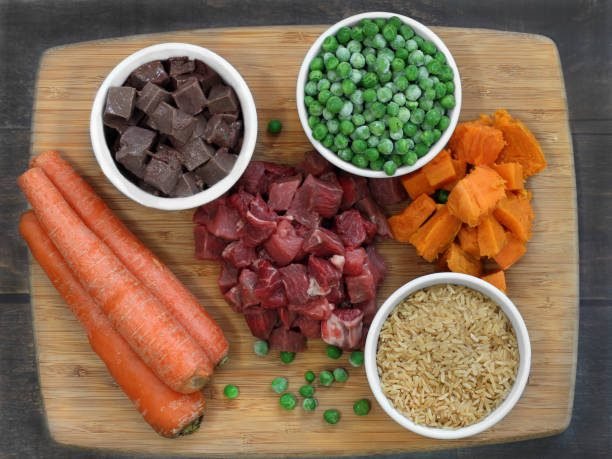
Every dog owner wants their furry friend to stay healthy, active, and full of life. Nutrition plays a key role in maintaining your dog’s overall health, energy, and immune strength. Choosing healthy food for your dog as part of a balanced, natural diet made with real, wholesome ingredients is one of the most effective Natural Pet Care Tips for supporting long-term wellness and vitality.
In this guide, we’ll explore the top 10 healthy food for your dog options that are safe, nutritious, and loved by pets around the world—helping you make better dietary choices with confidence.
1. Lean Chicken
Chicken is one of the best protein sources for dogs. It helps build muscle, repair tissue, and maintain strong bones. Always serve it boiled or grilled without salt or spices.
Benefits:
Builds lean muscles
Strengthens bones and joints
Rich in amino acids
2. Salmon
Salmon is packed with omega-3 fatty acids that promote shiny coats, healthy skin, and heart wellness. It’s also great for dogs with allergies.
Benefits:
Improves coat and skin health
Supports heart and brain function
Reduces inflammation naturally
3. Eggs
Eggs are a complete source of protein, iron, and essential vitamins. Cooked eggs are safe and support healthy skin and muscles.
Benefits:
Boosts immunity
Aids digestion
Promotes strong muscles
4. Blueberries
These antioxidant-rich berries protect your dog’s body from free radicals and aging effects. Blueberries are a tasty, low-calorie snack.
Benefits:
Boosts brain function
Strengthens immunity
Promotes healthy aging
5. Sweet Potatoes
A superfood full of fiber, vitamin A, and antioxidants, sweet potatoes aid digestion and support healthy vision.
Benefits:
Improves gut health
Enhances eyesight
Provides natural energy
6. Carrots
Carrots are crunchy, low-calorie treats that help clean your dog’s teeth and improve eye health thanks to beta-carotene.
Benefits:
Keeps teeth clean
Improves vision
Strengthens immunity
7. Pumpkin
Pumpkin is excellent for digestive balance and weight control. It’s rich in fiber, vitamins, and antioxidants.
Benefits:
Regulates bowel movement
Boosts metabolism
Helps in weight management
8. Apples (Without Seeds)
Apples are a natural source of vitamin C and fiber. They freshen breath and support immunity—just remove seeds before feeding.
Benefits:
Improves digestion
Freshens breath
Strengthens immunity
9. Oatmeal
Oatmeal is great for dogs with sensitive stomachs or allergies. It’s a gentle source of fiber and energy.
Benefits:
Supports heart health
Balances blood sugar
Aids digestion
10. Yogurt (Plain & Unsweetened)
Yogurt is loaded with calcium and probiotics, making it a great food for gut and bone health.
Benefits:
Improves gut flora
Supports bone strength
Enhances nutrient absorption
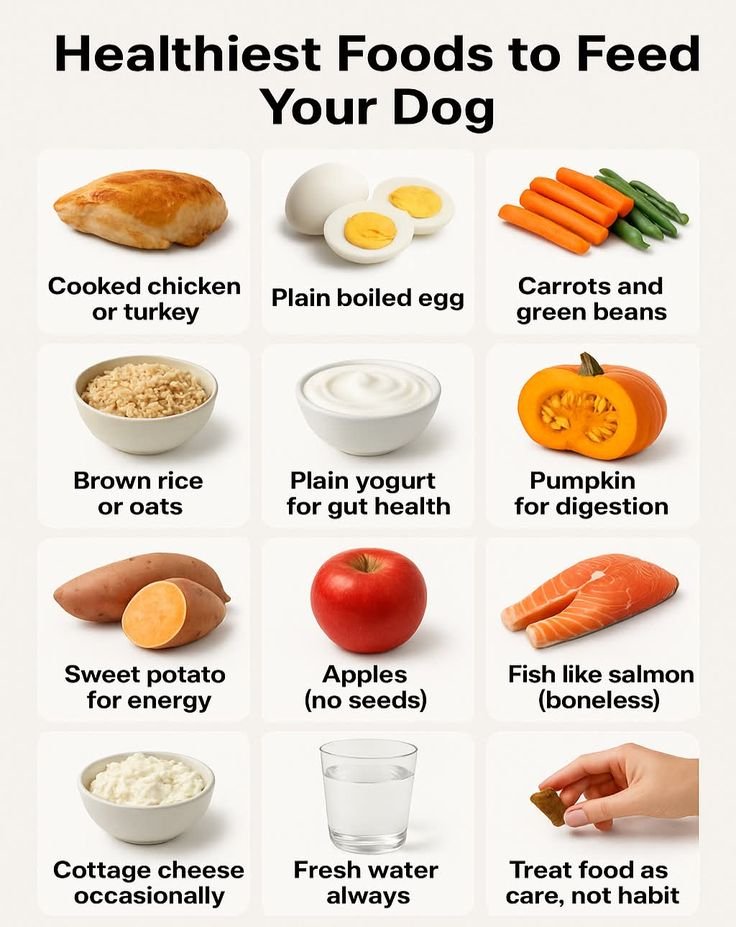
11. How Much Healthy Food Should You Feed Your Dog Daily?
A dog’s nutritional needs depend on its age, breed, size, and activity level. Proper portion control helps maintain a healthy weight.
General feeding guideline:
Small dogs → ½–1 cup per day
Medium dogs → 1–2 cups
Large dogs → 2–3 cups
Extra-large dogs → 3–4 cups
12. How to Safely Introduce New Healthy Foods
New foods should always be introduced slowly to avoid digestive upset.
Safe introduction plan:
Day 1–2: 10% new food
Day 3–4: 20%
Day 5–6: 30%
Day 7+: Fully adjust as needed
13. Benefits You Will Notice After Feeding Healthy Foods
Healthy and natural foods lead to visible improvements such as:
Shinier coat
Better digestion
Higher energy levels
Stronger immunity
Healthier stool quality
14. Healthy Foods You Should NOT Give to Dogs
Not all “healthy” human foods are safe for dogs.
Avoid feeding your dog:
Chocolate
Garlic & onions
Grapes & raisins
Ice cream
Spicy foods
Macadamia nuts
15. Simple Homemade Meals Using Healthy Foods
You can create balanced homemade meals by combining natural ingredients.
Examples of healthy meal combinations:
Chicken + sweet potatoes + carrots
Salmon + pumpkin + blueberries
Eggs + apples (seedless) + oatmeal
16. Natural Foods vs. Processed Kibble
Natural foods often provide better long-term health benefits, while kibble can contain fillers or preservatives.
Benefits of natural foods:
Improved immunity
Healthier skin and coat
Better digestion and nutrient absorption
17. How Healthy Foods Increase Your Dog’s Lifespan
Natural diets may help improve longevity by:
Reducing inflammation
Supporting joint and bone health
Improving metabolism
Lowering the risk of chronic diseases
18. Portion Size Mistakes to Avoid
Common feeding mistakes include:
Overfeeding high-calorie foods
Mixing too many ingredients at once
Giving too many treats
Ignoring changes in stool or digestion
19. Signs Your Dog Is Not Tolerating a Food
If a food doesn’t suit your dog, you may notice:
Vomiting
Loose or watery stool
Itching or skin irritation
Gas or bloating
20. Why Consulting a Pet Is Important
Each dog’s health needs are different. A vet can help with:
Allergy testing
Diet planning
Correct portion sizes
Weight and health management
Conclusion
Feeding your dog healthy, natural foods is the best gift you can give. A balanced, natural diet helps prevent diseases, improves coat shine, and boosts energy levels. Always introduce new foods gradually and consult your vet if your dog has allergies or health conditions.
Give your furry friend the nutrition they deserve — because a healthy dog is a happy dog!
FAQs — Healthy Foods for Your Dog
1. What are the healthiest foods I can give my dog?
Lean chicken, salmon, eggs, blueberries, pumpkin, carrots, oatmeal, plain yogurt, and sweet potatoes are some of the healthiest choices.
2. Can I feed my dog human food every day?
Yes, but only safe, vet-approved, and properly cooked foods. Always avoid toxic foods like chocolate, grapes, onions, and spicy items.
3. How often should I introduce a new food to my dog?
Introduce one new food at a time and transition slowly over 7–10 days.
4. Are natural foods better than kibble?
Natural foods often provide better nutrients, but high-quality kibble can also be balanced and safe. The best choice depends on your dog’s needs.
5. How do I know if my dog is allergic to a food?
Watch for signs like itching, diarrhea, vomiting, or chronic ear infections.
Pingback: Ultimate Healthy Homemade Pet Food Recipes & Feeding Guide
Pingback: 10 Essential Natural Pet Care Tips for Healthy Pets at Home: natural pet care pet care tips dog health care cat health care healthy pets at home natural pet food pet grooming naturally pet hygiene tips pet wellness pet nutrition