
Critical Winter Health Risks for Cats and How to Avoid Them
Discover the top winter health risks for cats and how to avoid them. Learn essential winter cat care tips to keep indoor and outdoor cats warm, safe, and healthy.
Introduction
Winter can be a magical season, but it also brings hidden dangers for our feline friends. Understanding the winter health risks for cats is crucial to ensure they stay safe, warm, and healthy during cold months. From frostbite to hypothermia, these winter health risks for cats can become life-threatening if not addressed promptly. In this guide, we’ll explore the most common winter health threats for cats and provide practical tips to prevent them.
Why Understanding Winter Health Risks for Cats Is Important
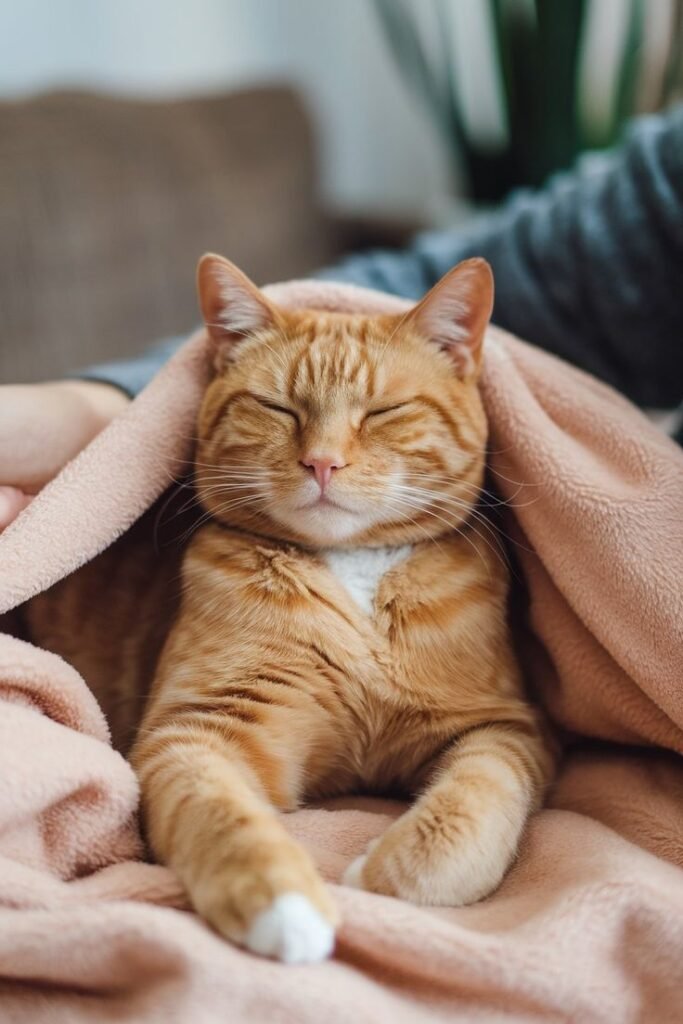
Cats may appear independent and resilient, but their bodies are sensitive to harsh cold. Outdoors, freezing temperatures can quickly lead to hypothermia. Indoors, low humidity, cold floors, and lack of sunlight can also affect their physical and emotional well-being. During colder months, discomfort and stress may even cause a cat suddenly aggressive, especially if their environment is not warm, comfortable, or stimulating enough.
Proper cat winter care is essential for:
Maintaining strong immunity
Protecting skin and paws
Preventing respiratory diseases
Keeping muscles and joints flexible
Ensuring mental health and comfort
Knowing how to prepare for winter helps you support your cat’s health even before problems appear and reduces stress-related behaviors such as a cat suddenly aggressive due to cold or environmental changes.
1. Hypothermia – A Serious Winter Threat for Cats
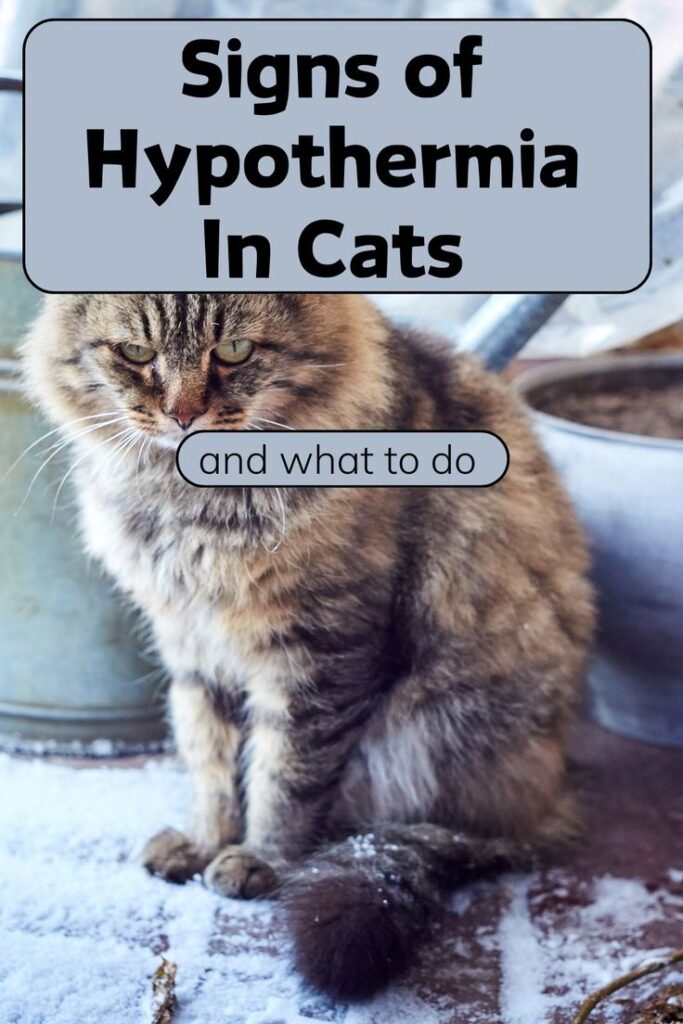
One of the most critical winter health risks for cats is hypothermia, which occurs when a cat’s body temperature drops dangerously low. Outdoor cats, stray cats, and even indoor cats exposed to cold drafts can be affected.
Symptoms of Hypothermia:
Shivering or trembling
Cold ears, paws, or tail
Lethargy or weakness
Slow breathing or stiff muscles
Prevention Tips:
Keep cats indoors during extreme cold.
Provide heated beds or blankets.
Limit outdoor exposure in freezing weather.
2. Frostbite – Damage Caused by Freezing Weather
Signs of Frostbite:
Pale or gray skin on extremities
Cold, hard, or swollen areas
Pain when touched
Prevention Tips:
Avoid leaving cats outside in freezing temperatures.
Insulate your cat’s sleeping area.
Consider protective clothing for outdoor cats, like small cat sweaters.
3. Respiratory Infections – Common Winter Illness
Cold and damp conditions can weaken your cat’s immune system, increasing the risk of respiratory infections. This is a subtle but serious winter health risk for cats.
Symptoms:
Sneezing and coughing
Runny eyes or nose
Loss of appetite
Prevention Tips:
Keep cats indoors during extreme weather.
Maintain proper ventilation without drafts.
Ensure vaccinations are up to date.
4. Dry Skin & Dandruff – Caused by Low Humidity Indoors
Cold winter air combined with indoor heaters reduces humidity, leading to dry, itchy skin in cats.
Symptoms:
Flaky dandruff
Excessive scratching
Dull coat
Red or irritated skin
Prevention Tips:
Use a humidifier
Brush your cat daily to distribute natural oils
Add omega-3 supplements (as recommended by your vet)
Ensure your cat drinks enough water
Regular grooming helps keep their skin healthy and coat shiny.
5. Joint & Muscle Stiffness – Especially in Senior Cats
Older cats or those with arthritis suffer more during winter. Cold temperatures make joints stiff and painful.
Signs:
Difficulty jumping
Slow walking
Avoiding stairs
Irritability when touched
How to Avoid Winter Joint Pain:
Provide warm sleeping areas
Use soft, padded bedding
Keep rooms at consistent temperatures
Provide gentle exercise
Your vet may recommend joint supplements like glucosamine and chondroitin.
6. Dehydration – A Hidden Winter Risk
Many owners think dehydration happens only in summer, but in winter, cats drink less water because the air is dry and cold.
Symptoms of Winter Dehydration:
Dry gums
Lethargy
Constipation
Loss of appetite
How to Prevent It:
Use a cat water fountain
Offer wet food daily
Keep water bowls away from cold areas
Hydration is essential for kidney health and digestion.
7. Outdoor Dangers – Antifreeze & Winter Chemicals
Outdoor cats face additional winter hazards such as:
Antifreeze poisoning (extremely deadly)
Rock salt irritation
Snow hiding dangerous areas
Prevention:
Keep cats indoors as much as possible
Store chemicals safely
Clean paws after outdoor walks
Even small amounts of antifreeze can be fatal—seek emergency care if ingested.
8. Seasonal Depression – Less Sunlight, Lower Mood
Cats can experience seasonal mood changes during winter due to less sunlight, boredom, and staying indoors.
Signs:
Sleeping more than usual
Reduced playfulness
Reduced appetite
Hiding or isolation
How to Prevent Winter Depression:
Add new toys
Increase play sessions
Provide window perches with sunlight
Create warm, cozy relaxation spots
Enrichment is key to emotional well-being.
9. Weight Gain – A Common Winter Problem
Cats tend to move less in winter, leading to potential weight gain and obesity.
How to Prevent Weight Gain:
Engage in active play daily
Keep meal portions controlled
Use puzzle feeders
Encourage climbing and jumping
Maintaining a healthy weight supports long-term health.
How to Reduce Winter Health Risks for Cats Indoors and Outdoors
Maintain room temperature between 65–75°F (18–24°C)
Use warm bedding and blankets
Keep fresh water available
Offer high-quality food
Maintain regular grooming
Provide mental stimulation
Avoid sudden temperature changes
Consistent winter care ensures your cat’s well-being.

Many pet owners underestimate the winter health risks for cats, especially for indoor pets. However, cold floors, dry air, and lack of sunlight can also contribute to discomfort and illness. Recognizing these winter health risks for cats early allows owners to take preventive action before serious health problems develop.
Conclusion
Winter can pose several serious challenges, and understanding the winter health risks for cats helps owners take the right precautions to keep their pets safe, warm, and healthy.Winter can pose several serious health risks for cats, but with proper care, you can easily keep your feline friend safe, warm, and healthy. By watching for signs of hypothermia, dry skin, joint problems, respiratory infections, and other winter hazards, you can take timely action to prevent illness. Whether your cat stays indoors or enjoys the outdoors, maintaining warm bedding, balanced nutrition, hydration, and a stress-free environment is essential.
Understanding the winter health risks for cats empowers you to provide better care. With the right precautions, your cat can stay comfortable and enjoy a cozy, problem-free winter season.
FAQ – Winter Health Problems in Cats
Q1. Why do cats get sick more often in winter?
Cats get sick more frequently in winter because cold temperatures weaken their immune system, making them more vulnerable to infections such as respiratory illness, pneumonia, and colds. Dry indoor air from heaters also irritates their throat and nasal passages, increasing the risk of coughing and sneezing. Outdoor cats face additional dangers like hypothermia, frostbite, and exposure to viruses from other animals. Providing warm shelter, clean bedding, and indoor living during harsh weather helps keep cats healthier throughout the winter season.
Q2. How can I protect my outdoor cat during winter?
Outdoor cats need extra protection in winter due to freezing temperatures. Offer a small insulated shelter with straw bedding (not blankets, which hold moisture). Ensure the shelter has a windproof entrance and is lifted off the ground. Provide fresh, unfrozen water and high-calorie food to help them maintain body heat. Check their paws daily for ice, salt, or injuries. During extreme cold, bring outdoor cats inside or into a garage or covered porch to prevent hypothermia and frostbite.
Q3. What are the signs of winter-related illness in cats?
Common winter illnesses show symptoms such as coughing, sneezing, runny nose, watery eyes, low energy, cold extremities, shivering, reduced appetite, vomiting, or difficulty breathing. Behavioral changes like sleeping excessively or avoiding activity may also indicate discomfort or illness. If symptoms persist beyond 24–48 hours, consult a veterinarian. Early diagnosis is crucial, especially for senior cats or those with chronic conditions.
Q4. Can indoor cats also get cold in winter?
Yes, indoor cats can feel cold in winter, especially if the home has tile floors, drafty windows, high ceilings, or poor insulation. Cats may curl tightly, seek warm spots, or sleep more than usual when cold. Provide soft bedding, warm blankets, heated cat pads, and ensure their sleeping area is away from drafts. Maintaining indoor temperature between 68°F–75°F (20°C–24°C) helps keep indoor cats comfortable and healthy all winter.
Q5. What should I feed my cat during winter to keep them healthy?
In winter, cats may need slightly more calories to maintain body heat, especially outdoor cats. Offer high-quality wet food for hydration and protein-rich meals to support energy levels. Warm the food slightly (never hot) to make it more appealing. Ensure access to fresh, unfrozen water at all times. You can also add omega-3 supplements (with vet approval) to boost immunity and keep their coat healthy during cold months.
Q6. How do I know if my cat has hypothermia?
Signs of hypothermia in cats include strong shivering, cold ears and paws, stiff muscles, slow movement, pale gums, and lack of responsiveness. Cats may seem weak or unable to stand properly. Severe hypothermia can make a cat appear sleepy, confused, or uncoordinated. If you suspect hypothermia, wrap your cat in warm blankets, bring them to a warm room, and contact a veterinarian immediately. Avoid rapid heating, which can be dangerous.