
 By Muntaha farid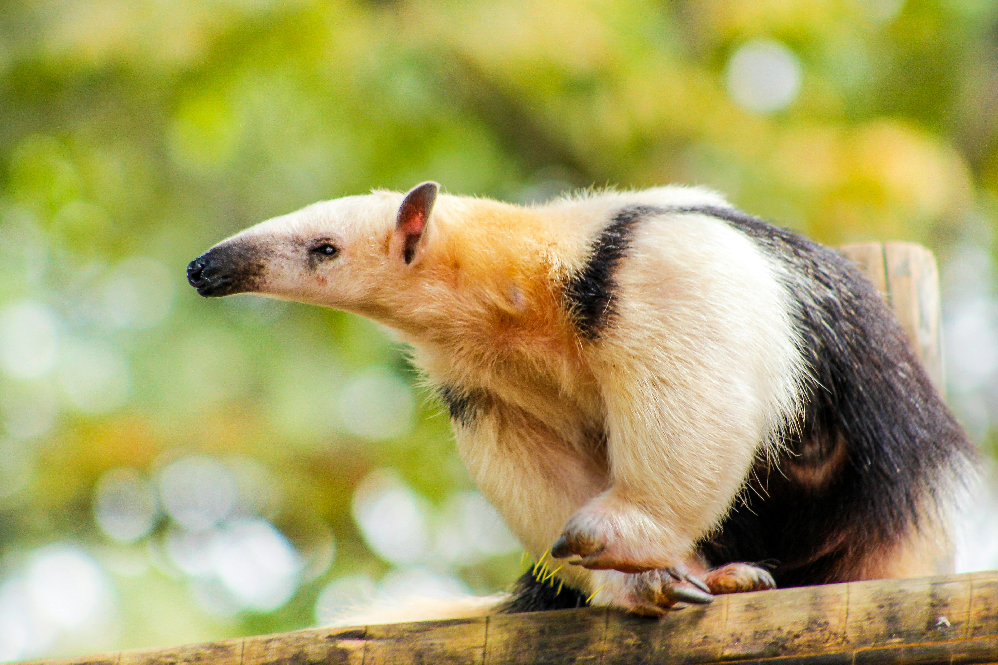
Learn the aardvark facts and habitat guide in detail,including its diet,behavior,adaptations and survival skills.Discover everything about this unique African animal.
Introduction
The animal kingdom is full of strange and fascinating creatures but few are as unusual as the Aardvark.With its long snout,rabbit like ears and powerful digging claws,the aardvark looks like a mix of several animals combined into one.Despite its odd appearance,it is a highly specialized and important species in African ecosystems.
In this complete guide, we will explore everything about the aardvark its habitat,diet,behavior,adaptations and why it plays a crucial role in nature.
What is an Aardvark?
The aardvark is a medium sized,burrowing mammal native to Africa.Its name comes from the Afrikaans language and means“earth pig”although it is not related to pigs at all.
Scientifically,it belongs to the order Tubulidentata and it is the only surviving species in this group.This makes the aardvark extremely unique in the animal world.
Key Characteristics:
- Nocturnal(active at night)
- Strong digging claws
- Long sticky tongue
- Thick skin for protection
- Excellent sense of smell
The aardvark is often confused with anteaters but they are not related.This is a classic example of convergent evolution,where unrelated animals develop similar traits.

Aardvark Habitat and Distribution
The aardvark is found mainly in Sub Saharan Africa,where it prefers dry savannas,grasslands and bushlands.
Common Habitat Features:
- Loose or sandy soil for digging
- Areas with termite and ant colonies
- Open land with sparse trees
- Avoids dense forests and very rocky regions
Aardvarks live in underground burrows that they dig themselves.These burrows can be very deep and complex,sometimes stretching several meters underground.
Why Burrows Are Important:
- Protection from predators
- Shelter from heat during the day
- Safe place to sleep
- Storage for raising young
Interestingly,abandoned aardvark burrows are often used by other animals like foxes,snakes and even warthogs.
Aardvark Diet What Do They Eat?
The aardvark has a very specialized diet.It mainly eats:
- Termites
- Ants
That’s it almost its entire diet depends on insects.
How It Eats:
The aardvark uses its long snout to sniff out insect colonies underground.Once it finds a nest,it uses its strong claws to break it open.Then it uses its sticky tongue,which can be up to 30 cm long to collect thousands of insects quickly.
Amazing Fact:
An aardvark can eat over 50,000 insects in one night.
This makes it a natural pest controller in the ecosystem.
Nocturnal Lifestyle of Aardvarks
Aardvarks are strictly nocturnal animals,meaning they are active at night and sleep during the day.
Why They Are Nocturnal:
- Avoid extreme daytime heat
- Reduce risk from predators
- Better hunting conditions for termites and ants
Night Routine:
- Leave burrow after sunset
- Travel several kilometers searching for food
- Dig into insect colonies
- Eat continuously during the night
- Return to burrow before sunrise
They have poor eyesight but rely heavily on their sense of smell and hearing to navigate in the dark.
Physical Adaptations of Aardvarks
The aardvark has many unique adaptations that help it survive:
1. Strong Digging Claws
Their front claws are powerful tools used for digging burrows and breaking termite mounds.
2. Long Sticky Tongue
Perfect for licking up ants and termites quickly.
3. Thick Skin
Protects them from insect bites and rough underground environments.
4. Tubular Snout
Helps them detect insects underground through smell.
5. Powerful Legs
Allow them to dig and run quickly when escaping predators.
These adaptations make the aardvark one of the most efficient digging mammals in the world.
Aardvark Behavior and Lifestyle
Aardvarks are generally solitary animals.They prefer to live and hunt alone rather than in groups.
Behavior Traits:
- Very shy and secretive
- Mostly silent animals
- Territorial in nature
- Use scent marking to communicate
They are not aggressive unless threatened.When in danger,they can dig extremely fast or run to escape predators.
Aardvark Burrows Underground Homes
One of the most interesting aspects of aardvarks is their burrow systems.
Burrow Features:
- Multiple entrances and exits
- Deep tunnels for safety
- Sleeping chambers
- Temporary resting holes during travel
Some burrows are reused or expanded over time,while others are abandoned after a short period.
These burrows are extremely important for the ecosystem because many animals depend on them for shelter.
Predators of Aardvarks
Even though aardvarks are strong diggers,they still face natural predators.
Main Predators:
- Lions
- Leopards
- Hyenas
- Wild dogs
- Large snakes(especially for young aardvarks)
Their main defense strategy is escape either by digging quickly or running to safety.
Reproduction and Life Cycle
Aardvarks are solitary even during mating season.
Reproduction Facts:
- One baby per year(usually)
- Pregnancy lasts about 7 months
- Baby is born hairless and weak
- Mother protects it in burrow
- Weaning takes a few months
Young aardvarks stay with their mother until they are strong enough to survive alone.
Importance of Aardvarks in Ecosystem
The aardvark plays a very important role in maintaining ecological balance.
Benefits:
- Controls termite and ant populations
- Creates burrows used by other animals
- Improves soil aeration through digging
- Supports biodiversity
Without aardvarks,insect populations could grow uncontrollably in some areas.
Conservation Status
Currently,aardvarks are not considered endangered but they do face threats such as:
- Habitat destruction
- Climate change
- Hunting in some regions
- Loss of food sources
Because they are nocturnal and rarely seen,it is difficult to study their population accurately.
Protecting their natural habitat is essential for their survival.
Interesting Facts About Aardvarks
Here are some fun and surprising aardvark facts:
- They are the only living species in their animal order
- Their teeth have no enamel and are made of tubules
- They can dig a burrow in just a few minutes
- They can close their nostrils to avoid dust while digging
- They sleep curled up inside burrows during the day
These facts make them one of the most unique mammals on Earth.
FAQs About Aardvarks
1. Is an aardvark a pig or anteater?
No.Despite its name and appearance,it is not related to pigs or anteaters.
2. Where do aardvarks live?
They live in Sub Saharan Africa in savannas,grasslands and bush areas.
3. What do aardvarks eat?
Mostly ants and termites.
4. Are aardvarks dangerous?
No,they are shy and harmless to humans.
5. Why are aardvarks important?
They control insect populations and create burrows used by other animals.
[…] Habitat Forests,mountains,tundra […]