 By Muntaha farid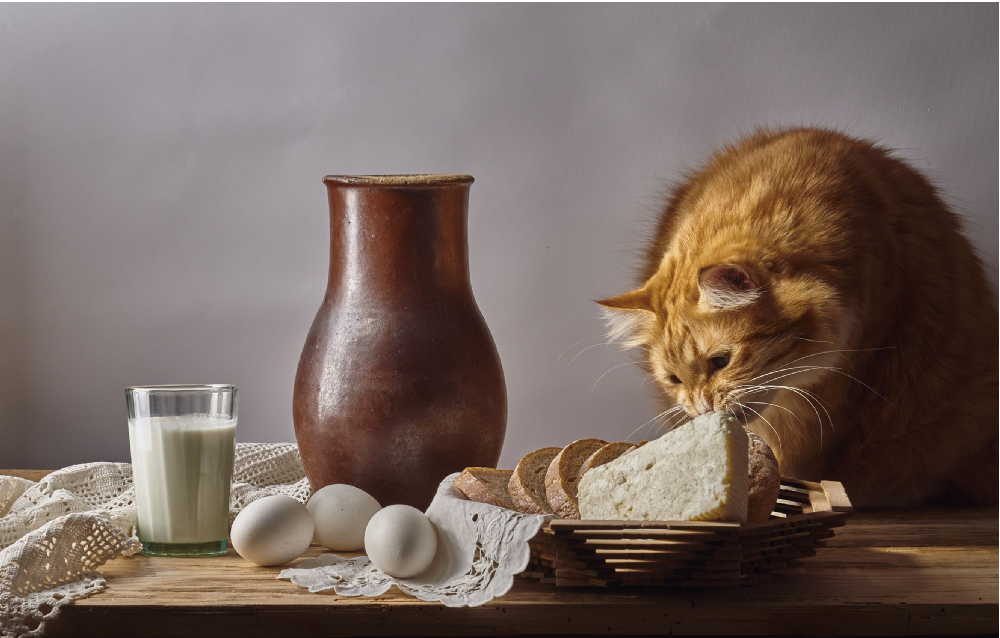
Can cats eat cheese safely? Learn the benefits, risks, lactose intolerance, safe serving sizes, and expert pet care tips to keep your cat healthy.
Can Cats Eat Cheese? Everything Cat Owners Need to Know
If you’ve ever enjoyed a slice of pizza or a cheese sandwich while your cat stared at you with curious eyes, you’ve probably wondered, can cats eat cheese?
The short answer is yes, but only in very small amounts, and not every cat should eat it.
Although many cats love the smell and taste of cheese, it isn’t a natural part of their diet. Some cats can digest tiny pieces without any problems, while others may experience stomach upset, vomiting, diarrhea, or digestive discomfort after eating even a small amount.
Understanding whether cheese is safe for your cat is an important part of responsible pet care. Knowing which cheeses are safer, how much is appropriate, and when to avoid dairy altogether can help protect your cat’s long-term pet health.
In this complete guide, you’ll learn everything you need to know about feeding cheese to cats, including its nutritional value, potential health risks, safe serving sizes, and healthier alternatives.
Can Cats Eat Cheese?
Yes, cats can eat cheese, but only in small amounts and only occasionally.
Unlike chocolate, onions, garlic, grapes or xylitol, cheese is not toxic to cats. But that doesn’t mean it’s a healthy snack.
Cats are obligate carnivores, meaning their bodies are designed to get most of their nutrients from animal-based protein. They are designed for meat and not dairy products in their digestive system.
Some cats can have a small piece of plain cheese with no problem but others can have gastrointestinal upset as many adult cats do not have the enzyme to digest lactose.
If you choose cheese it must be the following only:
• plain.
• No Salt
• “Unseasoned”
• No garlic or onion added
• Was an occasional treat
• <10% daily calories <10% daily calories
Cheese should not substitute a complete and balanced cat diet.
Why are cats fond of cheese?
Many cat owners are surprised at how excited their cats get around cheese.
There are several reasons why cats appear to be attracted to it.
1. Foul Smell
Cats depend on their sense of smell.
Cheese contains fats and proteins that produce strong odors and are therefore appealing to many cats.
2. Fatty
Fat is flavorful.
Cats naturally favor foods that are high in fat since fat is a concentrated source of energy.
3. Proteins
Cheese has protein which carnivorous animals like.
The protein content is not as good as meat protein, but it still appeals to many cats.
4. Curiosity.
Cats are curious creatures.
If you are seen eating something over and over again they will often want to check it out themselves.
Can Cats Eat Cheese?
Cheese in moderation is usually considered safe, but “safe” is not the same as “healthy.”
The suitability of cheese is determined by several factors:
• Age
• Weight
• General health
• Digestive irritability.
• Lactose Intolerance
• Pre-existing Medical Conditions
Healthy adult cats may occasionally tolerate small amounts.
Cats with obesity, kidney disease, pancreatitis, diabetes or digestive disorders should generally not eat cheese, unless specifically approved by your veterinarian.
Do cats have a dairy allergy?
This is one of the most important questions concerning dairy products.
Kittens Can Eat Milk
Young kittens make an enzyme called lactase.
Lactase breaks down lactose, the sugar found in milk.
Kittens require their mother’s milk and thus have a large supply of lactase.
Adult cats make less lactase.
As cats get older they produce much less lactase.
This means adult cats are often partially or fully lactose intolerant.
But if lactose is not digested properly, it reaches the intestines and is fermented by bacteria.
This can result in:
• Gasoline
• Bloating
• Stomach ache.
• Diarrhoea
• Throwing up
• Digestive distress
Each cat is an individual
Some adult cats can eat a tiny bite of cheese with no problems.
Some people get upset stomachs from a single bite.
The safest course is to introduce only a very small piece, and watch your cat for any adverse reaction.
Nutrition of Cheese
Cheese does have some good nutrients, but these nutrients are found in better sources for cats.
Each serving of cheese provides:
• Protéine
• Ca Calcium
• Vitamin A.
• B12
• Riboflavin (Vitamin B2)
• Zinc
• phosphor
• obese
• Fats, saturated
• Salts
They sound good, but cheese is also high in fat and sodium, so it’s not something you want to feed your cat on a regular basis.
High quality commercial cat food is made to satisfy the nutritional needs of cats and has all of the nutrients they require.
Advantages of Cheese
“Cheese is not an everyday snack but there are a few instances where it has limited benefits.
1. Simple Drug Delivery
“Many vets recommend hiding pills in a small piece of cheese.
“The smell helps disguise the medicine and makes it easier for some cats to get down.”
Check with your vet first, as some medications should not be given with dairy products.
2. Protein Boost Small
Cheese gives you protein that helps keep your muscles in shape.
But meat is still a far better source of protein.
3. High Calorie Treat
Sometimes very thin cats recovering from illness will do better on foods high in calories.
Use cheese only under veterinary advice.
4. Using Positive Reinforcement
Some cats enjoy cheese as a treat during training or grooming.
Remember, treats should be occasional and in moderation.
Risks of Feeding Cheese to Cats
Although cheese is not poisonous, feeding too much can create several health problems.
Digestive Problems
The most common issue is digestive upset.
Symptoms include:
- Diarrhea
- Vomiting
- Gas
- Constipation
- Stomach cramps
These signs often indicate lactose intolerance.
Weight Gain
Cheese is high in calories.
Even small amounts consumed regularly can contribute to the following:
- Weight gain
- Obesity
- Reduced activity
- Joint problems
Maintaining a healthy weight is an essential part of good pet care and helps improve your cat’s overall health.
High Fat Content
Many cheeses are rich in saturated fat.
Too much fat can increase the risk of digestive problems and, in some cats, contribute to pancreatitis.
High Sodium
Processed cheeses often contain excessive salt.
Too much sodium can be harmful, especially for senior cats or those with heart or kidney conditions.
Harmful Ingredients
Some flavored cheeses contain ingredients that are toxic to cats, including:
- Garlic
- Onion
- Chives
- Herbs
- Spicy peppers
These ingredients should never be fed to cats.
Which Types of Cheese Are Safe for Cats?
Not all cheeses are created equal. Some varieties contain less lactose than others, while some are high in salt, fat, or harmful seasonings.
If you decide to offer your cat cheese, choose the plainest option available and only give a tiny amount.
1. Can Cats Eat Cheddar Cheese?
Yes, cats can eat plain cheddar cheese in very small amounts.
Cheddar is one of the lower-lactose cheeses because much of its lactose is removed during aging. However, it is still high in fat and sodium.
Pros
- Lower lactose than milk
- Contains protein
- Easy to cut into tiny pieces
Cons
- High in saturated fat
- High in calories
- Can contribute to weight gain
Offer only a pea-sized piece as an occasional treat.
2. Can Cats Eat Mozzarella Cheese?
Mozzarella is generally a better choice for cats because it is softer and often contains less sodium than many aged cheeses.
Fresh mozzarella should still be fed sparingly.
Avoid mozzarella sticks or processed versions, which may contain added preservatives and seasonings.
3. Can Cats Eat Cottage Cheese?
Some cats tolerate plain cottage cheese better than other dairy products.
Choose:
- Low-sodium
- Plain
- No added herbs
- No garlic or onion
Because cottage cheese still contains lactose, introduce it slowly and monitor your cat for digestive issues.
4. Can Cats Eat Swiss Cheese?
Swiss cheese contains relatively little lactose due to the fermentation process.
Although it may be easier to digest, it still contains fat and sodium.
Feed only very small amounts.
5. Can Cats Eat Parmesan Cheese?
Parmesan is very low in lactose but extremely high in sodium.
A tiny sprinkle is unlikely to cause harm, but larger amounts should be avoided.
6. Can Cats Eat Goat Cheese?
Goat cheese contains slightly different proteins than cow’s milk cheese.
Some cats digest it more easily, while others still experience stomach upset.
Only offer plain goat cheese without herbs or spices.
7. Can Cats Eat Cream Cheese?
Cream cheese is not recommended.
Although it isn’t toxic, it contains:
- High fat
- High calories
- More lactose than aged cheeses
Flavored cream cheeses may also contain garlic, onion, or chives, which are dangerous for cats.
8. Can Cats Eat Blue Cheese?
No.
Blue cheese should be avoided.
Certain blue cheeses contain molds that may produce substances capable of causing illness in pets if consumed in significant amounts. They are also high in fat and sodium.
9. Can Cats Eat Feta Cheese?
Feta is another cheese that should generally be avoided.
It contains very high amounts of salt, making it unsuitable for regular treats.
Cheese Types at a Glance
| Cheese Type | Safe? | Recommendation |
|---|---|---|
| Cheddar | Yes | Tiny amounts only |
| Mozzarella | Yes | Occasionally |
| Cottage Cheese | Sometimes | Plain only |
| Swiss | Yes | Small portions |
| Parmesan | Limited | Very small sprinkle |
| Goat Cheese | Occasionally | Plain only |
| Cream Cheese | Rarely | Better to avoid |
| Blue Cheese | No | Avoid |
| Feta | No | Avoid |
Can Kittens Eat Cheese?
The general assumption is that because kittens drink their mother’s milk, they can safely eat dairy.
But cheese is quite different from a mother cat’s milk.
Mother’s milk is designed to meet the nutritional requirements of a kitten. But cheese has:
- Extra fat
- extra sodium
- Various proteins
- Nutrients of lesser importance for growth
Nutrition for Young Kittens should be:
- mother’s milk
- Kitten milk substitute (if needed)
- Quality food for kittens
Don’t feed kittens cheese unless instructed to do so by your veterinarian.
How much cheese can cats have?
The key is moderation.
Cheese is an occasional treat, not an everyday snack.
A good serving size would be
- One tiny cube of
- As big as a pea
- Once in a week or two
Treats (including cheese) should be no more than 10% of your cat’s daily calories.
If your cat is overweight or has health problems, you may need to keep him away from cheese altogether.
How to Safely Introduce Cheese
If your cat has never eaten cheese before, this is what you should do:
Step 1. Pick plain cheese
Avoid flavored or processed forms.
Step 2: Give a little piece
Begin with a piece no larger than a pea.
Step 3: Wait for 24 hours
Watch out for any signs of digestive problems in your cat.
Step 4: Identify the signs
Look for:
- Throwing up
- Diarrhoea
- Too much gas,
- Loss of appetite
- Laziness.
If any of these happen, don’t give cheese again and contact your vet if symptoms are severe or persistent.
Symptoms of a Cat Eating Too Much Cheese
Eating lots of cheese can lead to digestive problems.
Be aware that:
- Throwing up
- Diarrhoea
- Constipation .
- Gasoline
- Bloating
- Stomach ache.
- Intense thirst
- Less appetite
- Fatigue
These symptoms usually appear within a few hours after eating.
What to do if your cat has eaten too much cheese?
Don’t panic.
Most cats in good health will recover without treatment if they eat a small amount of cheese.
Here are the steps:
Watch your cat .
Watch for vomiting, diarrhea or strange behaviour.
Provide new water
Make sure your cat has access to fresh drinking water to help avoid dehydration.
Skip Extra Dairy
Do not add extra cheese or milk for a few days.
Regular Feed Meals
Feed your cat as you normally do with a balanced diet unless your vet has advised you to do differently.
When You Should Call Your Vet
- Vomiting persists
- Extreme diarrhea sets in.
- Your cat gets very feeble
- Vomit or stool with blood
- Your cat has an existing condition such as kidney disease, diabetes or pancreatitis
If symptoms are severe, it is always safest to seek prompt veterinary attention.
Healthier Cheese Substitutes
If your cat enjoys treats, there are plenty of better choices that are more helpful for pet health and fit well into a balanced pet care routine.
There are some great alternatives such as:
- Chicken breast, cooked (no seasoning, no sauce)
- Turkey, baked
- Cooked salmon, cut into small pieces
- Cooked tuna (sometimes)
- Freeze Dried Chicken Treats
- Freeze dried salmon snacks
- Veterinarian Approved Commercial Cat Treats
- Small pieces of cooked lean meats
- Catnip goodies
- Cat Dental Treats
These are better nutritionally and less risky than the dairy products.
Expert Advice on Responsible Pet Ownership
Here are some habits to help keep your cat healthy if you’re a cheese fan or avoiding cheese is your thing:
- Complete and balanced cat food appropriate for your cat’s life stage.
- Always keep fresh water available.
- Keep treats to less than 10% of daily calories.
- Avoid foods containing garlic, onions, grapes, raisins, chocolate or xylitol.
- See the vet for regular checkups.
- Encourage daily play and exercise to help maintain a healthy weight.
- Introduce any new food slowly and watch your cat for any adverse reactions.
One of the best ways you can support your cat’s overall well-being and long-term pet health is to make informed feeding choices.
Conclusion
Cheese might appear harmless, but it should never be a regular part of your cat’s diet. Some cats can eat a small amount of plain cheese with no problems at all, while others may suffer digestive upset because they are lactose-intolerant.
The best way to deal with cat health is to focus on feeding complete and balanced cat food, keep cheese for occasional treats and choose feline-specific treats that fulfill their nutritional needs.
Good pet care is making the right choices every day. Knowing what human foods are safe and what to avoid helps protect your cat’s long-term pet health and helps ensure they have a happier, healthier life.
If you’re not sure about introducing new foods, talk to your veterinarian. Every cat is an individual and the safest way is to provide personalised advice.
Frequently Asked Questions (FAQs)
Can cats eat cheese every day?
No, cheese should not be a daily part of your cat’s diet. It is high in fat, calories, and sodium, and many adult cats are lactose intolerant. Offer cheese only as an occasional treat in very small amounts.
Can cats drink milk if they can eat cheese?
Not necessarily.
Many adult cats have difficulty digesting lactose. While some aged cheeses contain less lactose than milk, regular cow’s milk often causes digestive upset, including diarrhea and stomach discomfort.
Fresh water is always the healthiest drink for your cat.
Is cheese toxic to cats?
No, plain cheese is not toxic to cats. However, flavored cheeses containing garlic, onion, chives, or other harmful ingredients can be dangerous.
Always read ingredient labels before sharing any human food with your pet.
Why does my cat love cheese?
Cats are attracted to cheese because of its rich aroma, fat content, and protein. Although they cannot taste sweetness, they are naturally drawn to foods high in fat and animal protein.
Can diabetic cats eat cheese?
Cats with diabetes should generally avoid cheese unless your veterinarian recommends it. The extra calories and fat may interfere with weight management, which is an important part of diabetes care.
Can overweight cats eat cheese?
It is best to avoid cheese if your cat is overweight. High-calorie treats can contribute to additional weight gain and increase the risk of other health problems.
Choose low-calorie, high-protein treats instead.
What happens if my cat accidentally eats cheese?
Most healthy cats will be fine after eating a small amount of plain cheese.
Monitor your cat for:
- Vomiting
- Diarrhea
- Gas
- Loss of appetite
- Lethargy
If symptoms are severe or last more than 24 hours, contact your veterinarian.
Can cats eat pizza cheese?
No. Pizza cheese is usually paired with ingredients such as garlic, onions, sauces, spices, and processed meats that may be harmful to cats. Avoid sharing pizza with your pet.
Can cats eat cheese-flavored snacks?
No, cheese-flavored chips, crackers, popcorn, and similar snacks often contain excessive salt, artificial flavors, preservatives, and seasonings that are not suitable for cats.
Is lactose-free cheese safe for cats?
Lactose-free cheese may be easier for some cats to digest, but it is still high in fat and sodium. It should only be offered occasionally and in very small amounts.
Final Verdict: Can Cats Eat Cheese?
So, can cats eat cheese?
Yes, only in moderation.
Plain cheese is not toxic to cats, but it is also not an essential or particularly healthy food for them. Because many adult cats are lactose intolerant, even a small serving can cause digestive problems in some individuals.
If you choose to give your cat cheese:
- Offer only plain, unseasoned cheese.
- Keep portions very small (about the size of a pea).
- Feed it only as an occasional treat.
- Avoid processed, flavored, or high-sodium cheeses.
- Stop feeding cheese if your cat shows signs of digestive upset.
A balanced, meat-based diet remains the best way to support your cat’s nutrition.