
 By Muntaha farid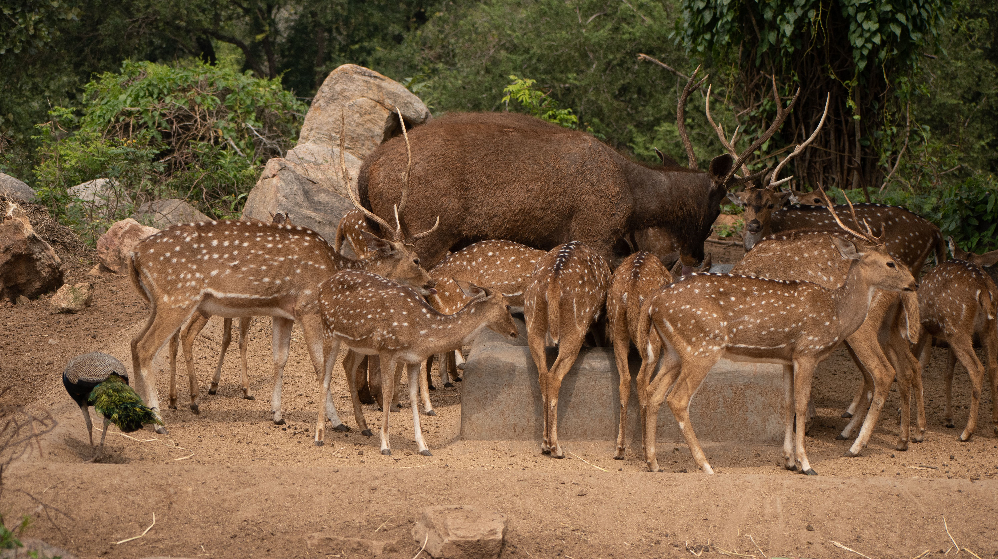
Discover amazing wild animal facts, habitats, diets, behaviors, and conservation tips in this complete guide to understanding and protecting wildlife.
Amazing Wild Animal Guide: Facts, Habitats & Survival Tips
Wild animals are among the most fascinating living creatures on Earth. From the roaring lion in the African savanna to the giant blue whale in the deep ocean, every wild animal plays a unique role in maintaining the balance of nature. Unlike domesticated animals, wild animals live freely in their natural habitats and rely on their instincts to survive without human assistance.
Wildlife is essential for healthy ecosystems. Predators help control prey populations, herbivores spread seeds and shape vegetation, while insects pollinate plants that produce food for humans and animals alike. Unfortunately, many wild animal species are threatened by habitat loss, climate change, pollution, and illegal hunting. Understanding these incredible creatures is the first step toward protecting them.
Whether you’re an animal lover, student, wildlife enthusiast, or traveler, this complete guide will help you explore everything about wild animals, including their characteristics, habitats, diets, survival adaptations, conservation efforts, and interesting facts.
What Is a Wild Animal?
A wild animal is an animal that lives naturally in forests, grasslands, deserts, mountains, wetlands, oceans, or other natural habitats without being domesticated by humans. Wild animals find their own food, build shelters, reproduce, and defend themselves using instincts developed over thousands of years.
Unlike pets such as dogs and cats, wild animals are not dependent on humans for survival. They have evolved to adapt to changing environments and compete with other species for food and territory.
Some common examples of wild animals include:
Every wild animal contributes to the health of its ecosystem by maintaining the natural food chain and supporting biodiversity.
Why Are Wild Animals Important?
Wild animals are far more than fascinating creatures to observe they are essential to the survival of ecosystems and even human life. Each species, whether predator, herbivore, or pollinator, performs a specific function that helps maintain ecological balance.
Here are some reasons why wild animals are important:
Maintain Ecological Balance
Predators keep herbivore populations under control, preventing overgrazing and protecting plant life. Without predators, ecosystems can quickly become unbalanced.
Support Biodiversity
Healthy wildlife populations ensure that forests, rivers, oceans, and grasslands remain rich in plant and animal species. Biodiversity strengthens ecosystems and helps them recover from environmental changes.
Pollinate Plants
Many wild insects, birds, and bats pollinate flowers, allowing plants to reproduce. Pollination is essential for producing fruits, vegetables, and seeds that humans and animals rely on.
Promote Seed Dispersal
Animals such as monkeys, birds, and elephants spread seeds over large areas, helping forests regenerate naturally.
Contribute to Scientific Research
Researchers study wild animals to understand diseases, develop medicines, improve conservation techniques, and learn about animal behavior.
Support Tourism and Local Economies
Wildlife tourism creates millions of jobs worldwide while encouraging governments to protect natural habitats.
Characteristics of Wild Animals
Wild animals possess unique characteristics that allow them to survive in diverse environments.
Live Independently
Unlike domestic animals, wild animals do not rely on humans for food or shelter. They are completely self-sufficient.
Strong Survival Instincts
Every wild animal develops specialized instincts that help it hunt, avoid predators, reproduce, and care for its young.
Excellent Adaptability
Animals evolve to survive in changing environments. Some migrate to warmer regions, while others change their diets when food becomes scarce.
Defensive Abilities
Wild animals protect themselves using different methods such as:
- Sharp claws
- Powerful teeth
- Venom
- Camouflage
- Speed
- Horns
- Thick fur
- Group defense
These adaptations greatly increase their chances of survival.
Types of Wild Animals
Wild animals are classified into several groups based on their biological features.
Mammals
Mammals are warm-blooded animals that give birth to live young and feed them milk.
Examples include:
- Lion
- Tiger
- Elephant
- Wolf
- Fox
- Monkey
- Bear
- Deer
- Leopard
- Zebra
Most mammals have highly developed brains and display complex social behaviors.
Birds
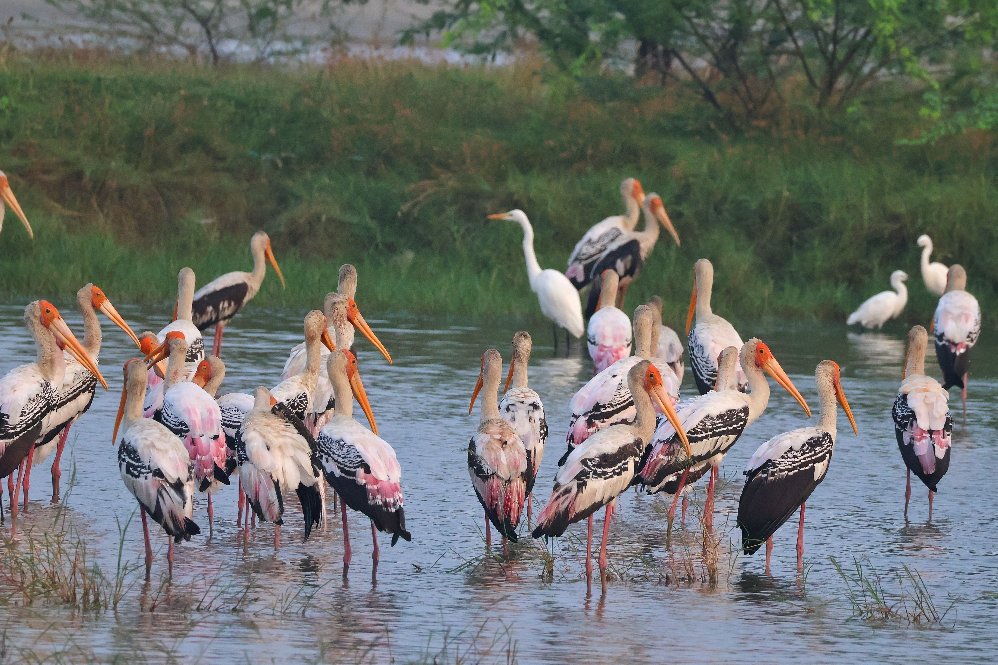
Birds are feathered vertebrates that lay eggs. Many species can fly long distances, while others have adapted to life on land or in water.
Examples include:
- Eagle
- Owl
- Falcon
- Peacock
- Flamingo
- Penguin
- Hawk
- Parrot
Birds help control insects, pollinate flowers, and spread seeds across ecosystems.
Reptiles
Reptiles are cold-blooded animals covered with scales.
Common examples include:
- Crocodile
- Snake
- Lizard
- Komodo Dragon
- Turtle
- Alligator
Many reptiles are apex predators within their habitats.
Amphibians
Amphibians spend part of their lives in water and part on land.
Examples include:
- Frog
- Salamander
- Toad
- Newt
Because amphibians are sensitive to pollution, they are often used as indicators of environmental health.
Fish
Fish inhabit freshwater lakes, rivers, and oceans.
Examples include:
- Shark
- Salmon
- Tuna
- Stingray
- Clownfish
- Catfish
Fish are essential components of aquatic food chains.
Invertebrates
Invertebrates are animals without backbones and represent over 95% of all known animal species.
Examples include:
- Butterfly
- Bee
- Spider
- Jellyfish
- Octopus
- Crab
- Lobster
Many invertebrates play crucial roles in pollination and decomposition.
Wild Animal Habitats
A wild animal survives in habitats that provide food, water, shelter, and breeding areas. Different species have adapted to specific environments.
Forests
Forests support incredible biodiversity and provide shelter for thousands of animal species.
Common forest animals include:
- Bear
- Deer
- Monkey
- Fox
- Leopard
- Owl
Dense forests offer protection from predators while providing fruits, leaves, insects, and small animals as food sources.
Grasslands
Grasslands are open areas dominated by grasses rather than trees. They support some of the world’s largest herbivores and predators.
Examples include:
- Zebra
- Buffalo
- Antelope
- Lion
- Cheetah
- Hyena
These ecosystems depend on seasonal rainfall and grazing animals to remain healthy.
Deserts
Deserts may appear lifeless, they are home to many remarkable wild animal species that have adapted to survive extreme temperatures and limited water. Desert animals have developed unique features that allow them to conserve water, regulate body temperature, and find food in harsh conditions.
Common desert animals include:
- Camel
- Fennec Fox
- Desert Snake
- Scorpion
- Desert Lizard
- Kangaroo Rat
Many desert animals are nocturnal, meaning they are most active at night when temperatures are cooler. This behavior helps them avoid the intense daytime heat while conserving energy.
Mountains
Mountain habitats are known for their cold temperatures, steep terrain, and thin air. Despite these challenging conditions, many wild animal species thrive in mountainous regions thanks to specialized adaptations.
Examples include:
- Snow Leopard
- Mountain Goat
- Yak
- Himalayan Tahr
- Golden Eagle
- Red Panda
These animals often have thick fur, powerful legs, and excellent climbing abilities that help them navigate rocky landscapes and survive harsh winters.
Oceans
The world’s oceans cover more than 70% of Earth’s surface and support an incredible diversity of marine life. Ocean habitats range from shallow coral reefs to the deepest parts of the sea.
Common marine wild animals include:
- Blue Whale
- Dolphin
- Shark
- Sea Turtle
- Octopus
- Seal
Marine animals play an essential role in maintaining healthy oceans by regulating food chains and supporting marine biodiversity.
Polar Regions
The Arctic and Antarctic are among the coldest places on Earth, yet many animals have adapted perfectly to these frozen environments.
Examples include:
- Polar Bear
- Penguin
- Arctic Fox
- Walrus
- Leopard Seal
- Snowy Owl
Thick fur, layers of body fat, and specialized hunting skills help these animals survive freezing temperatures and long winters.
What Do Wild Animals Eat?
Every wild animal has a diet that matches its physical features and natural habitat. Their eating habits help maintain balance within ecosystems.
Carnivores
Carnivores survive by eating other animals. They are equipped with sharp teeth, strong jaws, and powerful hunting instincts.
Examples include:
- Lion
- Tiger
- Wolf
- Leopard
- Crocodile
- Eagle
These predators help control prey populations and maintain ecological balance.
Herbivores
Herbivores feed on grasses, leaves, fruits, flowers, and other plant materials.
Examples include:
- Elephant
- Giraffe
- Deer
- Zebra
- Rabbit
- Buffalo
Because herbivores consume vegetation, they play an important role in shaping plant communities and spreading seeds.
Omnivores
Omnivores eat both plants and animals, making them highly adaptable to different environments.
Examples include:
- Bear
- Fox
- Wild Boar
- Raccoon
- Crow
Their flexible diets allow them to survive even when food sources change with the seasons.
Scavengers
Scavengers feed on dead animals instead of hunting live prey. Although often misunderstood, scavengers are extremely important because they help clean the environment by removing decaying carcasses.
Examples include:
- Hyena
- Vulture
- Jackal
Without scavengers, diseases could spread more easily through ecosystems.
Amazing Survival Adaptations
Every wild animal has evolved unique adaptations that improve its chances of survival. These special features help animals find food, escape predators, reproduce successfully, and cope with changing environments.
Camouflage
Camouflage allows animals to blend into their surroundings. This helps predators approach prey unnoticed while allowing prey animals to avoid detection.
Examples include:
- Chameleon
- Snow Leopard
- Leaf-Tailed Gecko
- Arctic Hare
Speed
Some animals rely on speed instead of strength.
The cheetah is the fastest land animal and can reach speeds of over 100 kilometers per hour during short bursts while chasing prey.
Sharp Claws and Teeth
Predators such as lions, tigers, and bears possess sharp claws and powerful teeth that make hunting easier while also providing protection from rivals.
Venom
Certain reptiles and insects use venom to capture prey or defend themselves.
Examples include:
- Cobra
- Rattlesnake
- Black Widow Spider
- Scorpion
Thick Fur
Animals living in cold climates develop thick fur and layers of fat to stay warm.
Examples include:
- Polar Bear
- Arctic Fox
- Musk Ox
Migration
Migration allows animals to travel thousands of kilometers in search of food, breeding grounds, or warmer climates.
Animals that migrate include:
- Arctic Tern
- Monarch Butterfly
- Wildebeest
- Humpback Whale
Hibernation
Some mammals survive winter by entering a deep sleep called hibernation. During this period, their heart rate and body temperature decrease, allowing them to conserve energy.
Examples include:
- Brown Bear
- Groundhog
- Hedgehog
Popular Wild Animals Around the World
Lion
Lions are social cats that live in groups known as prides. They primarily inhabit African grasslands and work together to hunt large prey such as zebras and buffalo.
Tiger
Tigers are solitary hunters famous for their beautiful striped coats. Every tiger has a unique stripe pattern, similar to human fingerprints.
Elephant
Elephants are the largest land mammals and are recognized for their intelligence, strong family bonds, and exceptional memory.
Wolf
Wolves live in highly organized packs where each member has a specific role. Their teamwork makes them successful hunters.
Gorilla
Gorillas share nearly 98% of their DNA with humans. They are peaceful herbivores that spend much of their day feeding on leaves, shoots, and fruit.
Cheetah
The cheetah is built for speed, with a lightweight body and long legs that allow it to outrun almost every other land animal.
Kangaroo
Native to Australia, kangaroos move by hopping on powerful hind legs and use their muscular tails for balance.
Giant Panda
Giant pandas primarily eat bamboo and spend most of their day feeding. They are among the world’s most beloved endangered animals.
Threats Facing Wild Animals
Although many wild animal species have survived for millions of years, they now face unprecedented threats caused by human activities.
Major threats include:
- Habitat destruction
- Deforestation
- Climate change
- Pollution
- Illegal wildlife trade
- Poaching
- Forest fires
- Overfishing
- Human expansion
- Invasive species
These challenges have caused many species to become endangered or critically endangered.
Wildlife Conservation
Wildlife conservation focuses on protecting wild animals and preserving their natural habitats. Conservation efforts benefit not only animals but also the health of the entire planet.
Successful conservation strategies include:
- Creating national parks
- Protecting wildlife sanctuaries
- Enforcing anti-poaching laws
- Restoring damaged habitats
- Supporting captive breeding programs
- Educating local communities
- Promoting sustainable tourism
Organizations such as WWF, Wildlife Conservation Society, and IUCN work globally to protect endangered species and raise awareness about wildlife conservation.
Individuals can also contribute by reducing plastic waste, planting trees, supporting conservation charities, and respecting wildlife during outdoor activities.
Conclusion
Wild animals are an essential part of our planet’s biodiversity and play a critical role in maintaining healthy ecosystems. From the powerful lion roaming African savannas to the majestic tiger hidden in Asian forests, every wild animal contributes to the balance of nature. These incredible creatures help control prey populations, disperse seeds, maintain food chains, and support countless ecological processes that benefit both wildlife and humans.
Unfortunately, many wild animal species face serious threats due to habitat destruction, climate change, illegal hunting, pollution, and human encroachment. Without effective conservation efforts, future generations may lose the opportunity to witness many of these remarkable animals in their natural habitats.
Every individual can contribute to wildlife conservation by supporting protected areas, reducing plastic waste, planting trees, avoiding products made from endangered species, and spreading awareness about the importance of protecting wildlife. Even small actions can make a significant difference in preserving nature.
Learning about a wild animal is the first step toward understanding why conservation matters. Whether you are a student, wildlife enthusiast, or simply curious about nature, gaining knowledge helps create a stronger commitment to protecting Earth’s amazing biodiversity.
As our world continues to change, protecting wild animals becomes more important than ever. By respecting nature and supporting conservation initiatives, we can ensure that these magnificent creatures continue to thrive for generations to come.
Frequently Asked Questions (FAQs)
1. What is a wild animal?
A wild animal is an animal that lives naturally in forests, deserts, mountains, oceans, grasslands, or other natural habitats without being domesticated by humans.
2. What do wild animals eat?
Wild animals have different diets depending on their species. Herbivores eat plants, carnivores eat meat, and omnivores consume both plants and animals.
3. Where do wild animals live?
Wild animals live in various habitats, including forests, jungles, deserts, mountains, wetlands, grasslands, oceans, and polar regions. Each habitat provides the food, water, and shelter they need to survive.
4. Why are wild animals important?
Wild animals help maintain ecological balance by controlling populations of other species, pollinating plants, dispersing seeds, recycling nutrients, and supporting biodiversity.
5. What are the biggest threats to wild animals?
The major threats include habitat destruction, climate change, illegal hunting, pollution, deforestation, invasive species, and human expansion into natural ecosystems.
6. How can we protect wild animals?
You can help protect wild animals by:
- Supporting wildlife conservation organizations.
- Reducing plastic waste.
- Planting trees.
- Respecting protected wildlife areas.
- Never buying products made from endangered animals.
- Educating others about wildlife conservation.
7. What is the difference between wild animals and domestic animals?
Wild animals survive independently in nature and are not trained or cared for by humans. Domestic animals, such as dogs, cats, and cattle, have been bred and cared for by humans for many generations.
8. Which is the largest wild animal in the world?
The blue whale is the largest wild animal ever known to exist. It can grow over 30 meters (100 feet) long and weigh more than 180 tons.
9. Which wild animal is considered the fastest?
The cheetah is the fastest land animal, capable of reaching speeds of up to 70 mph (113 km/h) over short distances.
10. Why should children learn about wild animals?
Learning about wild animals helps children understand biodiversity, appreciate nature, develop compassion for wildlife, and recognize the importance of protecting the environment.