
 By Muntaha farid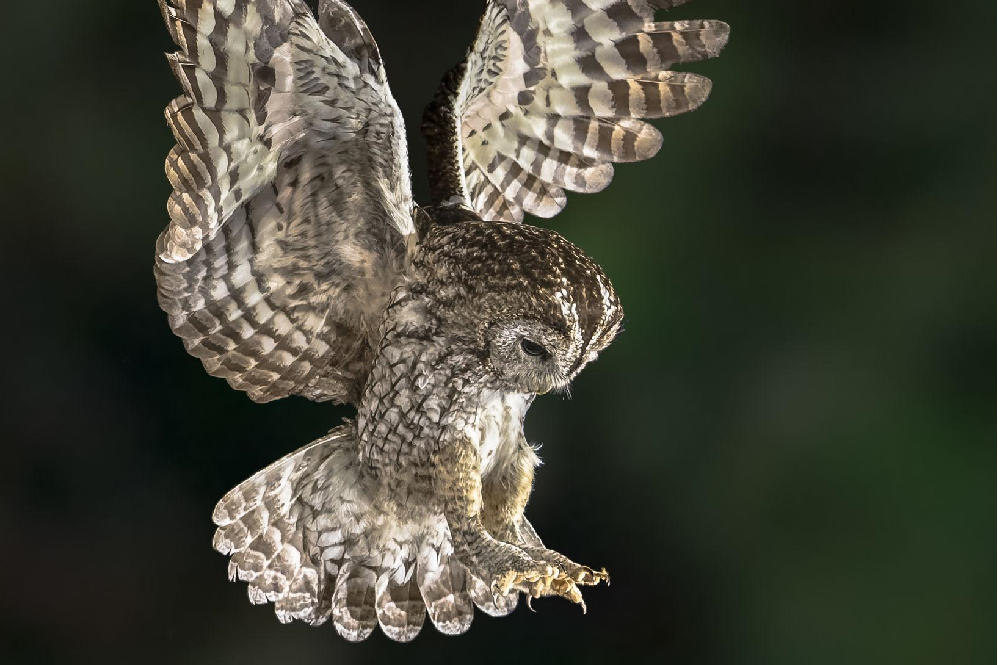
Explore a detailed guide on the owl bird, including its habitat,diet,hunting techniques,behavior and nocturnal adaptations.Learn why owls are unique wild predators.
Introduction to Owl Bird
The Owl is one of the most unique and specialized birds on Earth.Unlike most birds that rely on daylight,owls are masters of the night.Their silent flight,powerful claws and extraordinary senses make them highly efficient predators.
Owls have fascinated humans for centuries.In many cultures,they symbolize wisdom, mystery, or even fear.But scientifically owls are simply highly evolved hunters perfectly adapted to their environment.
This detailed guide explores every aspect of the owl bird from its anatomy and hunting strategies to its behavior,habitat and ecological importance.
What Makes Owl Different from Other Birds?
Owls are not ordinary birds.They belong to a special category known as raptors (birds of prey) but they differ from daytime hunters like eagles and hawks.
Key Differences:
- Nocturnal lifestyle(active at night)
- Forward facing eyes(like humans)
- Silent flight capability
- Exceptional hearing
These features allow owls to hunt in complete darkness,something most birds cannot do.
Unique Physical Adaptations of Owl
Owls have evolved special body features that make them perfect night hunters.
1. Eyes and Vision
Owls have large,forward facing eyes.
- Provide binocular vision(depth perception)
- Extremely sensitive to low light
- Help detect even slight movement
However,their eyes are fixed in place,so they cannot move them.Instead,they rotate their head.
2. Head Rotation
Owls can rotate their head up to 270 degrees.
- Compensates for fixed eyes
- Allows them to scan surroundings without moving body
This ability is due to extra neck vertebrae and special blood vessel structure.
3. Hearing Ability
Owls have some of the best hearing in the animal kingdom.
- Ears are placed unevenly on the head
- Can detect sound direction accurately
- Locate prey even under snow or grass
Some owls hunt using sound alone,even without seeing the prey.
4. Silent Flight
One of the most remarkable features of owls is their silent flight.
- Special feather structure reduces noise
- Soft edges on wings break air turbulence
- Allows them to approach prey undetected
This gives them a huge advantage as predators.
5. Talons and Beak
Owls use their
- Sharp talons to catch and kill prey
- Hooked beak to tear food
Their grip is extremely strong,ensuring prey cannot escape.
Habitat of Owl Bird
Owls are found in almost every part of the world except Antarctica.
Common Habitats
- Dense forests
- Open grasslands
- Deserts
- Mountains
- Urban areas
Habitat Requirements
- Quiet surroundings
- Safe nesting spots
- Abundant prey
Owls adapt easily but always need a reliable food source.

Diet and Feeding Behavior
Owls are strict carnivores meaning they only eat meat.
Common Prey
- Rodents(mice,rats)
- Small birds
- Frogs and reptiles
- Insects
Hunting Process(Step by Step)
- Observation
Owl sits quietly and listens - Detection
Uses hearing and vision to locate prey - Attack
Flies silently toward target - Capture
Grabs prey with talons - Consumption
Swallows prey whole or in pieces
Pellet Formation
Owls cannot digest bones and fur.
- They compress these into pellets
- Later regurgitate(throw up)them
This is a unique behavior used by scientists to study owl diets.
Nocturnal Lifestyle Explained
Owls are active at night,which is called nocturnal behavior.
Advantages of Night Activity
- Less competition from other predators
- Easier to surprise prey
- Cooler temperatures
Night Adaptations
- Enhanced vision
- Acute hearing
- Silent movement
These features make owls one of the most efficient night hunters.
Behavior and Personality of Owl
Owls may look calm but they are powerful and focused animals.
1. Solitary Nature
Owls prefer to live alone.
- Do not form large flocks
- Stay in fixed territories
2. Territorial Instinct
Owls protect their hunting area.
- Mark territory with calls
- Defend against intruders
3. Communication
Owls communicate through
- Hooting sounds
- Calls and screeches
Each species has unique vocal patterns.
4. Intelligence and Awareness
Owls are highly alert.
- Observe surroundings carefully
- React quickly to danger
Reproduction and Life Cycle
Owls reproduce once or twice a year.
Breeding Process
Male attracts female through calls
- Pair forms temporarily
- Female lays eggs (2 to 5)
Parental Care:
- Both parents may feed chicks
- Chicks depend on parents for survival
Lifespan of Owl
Owls can live
10 to 25 years
Factors affecting lifespan
- Species
- Habitat
- Food availability
Why Owls Are Not Suitable as Pets
Despite their beauty,owls are not suitable pets.
Detailed Reasons
- Require large hunting territory
- Need raw meat diet
- Cannot be trained like parrots
- Nocturnal habits disturb human routine
- Can be aggressive and dangerous
Owls are best left in the wild or protected reserves.
Role of Owls in Ecosystem
Owls are extremely important for ecological balance.
Key Roles
- Control rodent population
- Reduce crop damage
- Maintain food chain balance
Without owls,pest populations could increase rapidly.
Threats to Owl Population
Owls face several dangers:
- Habitat destruction
- Pollution
- Hunting and illegal trade
- Climate change
Protecting owls helps maintain environmental stability.
Interesting and Lesser Known Facts
- Owls cannot move their eyes
- Some owls hunt during daytime
- Their feathers help camouflage them
- They are symbols of wisdom in many cultures
- Baby owls are called“owlets”
Conclusion
The owl bird is a powerful and highly specialized predator that dominates the night.Its silent flight,sharp senses and hunting skills make it one of the most efficient hunters in the animal kingdom.
Although fascinating,owls are not suitable for domestic life.They are wild creatures that require space,freedom and natural conditions to survive.
Understanding owls helps us appreciate their role in nature and highlights the importance of protecting them.
FAQs About Owl Bird
1. Is an owl a pet bird?
No, owls are wild birds and not suitable as pets.
2. Why are owls active at night?
They are nocturnal and adapted for hunting in darkness.
3. What do owls eat?
They eat rodents,insects,birds and small animals.
4. How do owls hunt silently?
Their special feathers reduce noise during flight.
5. Can owls see in complete darkness?
They can see very well in low light but not total darkness.
6. Are owls dangerous?
Yes,they can be dangerous due to sharp talons.
7. Why can owls rotate their heads so much?
Because their eyes are fixed,so they turn their heads to see around.
[…] Goose is a wild bird […]
[…] hawk belongs to a group of birds called birds of prey,meaning they hunt and feed on other animals.These birds are highly skilled predators that […]