
Complete Dog Vaccination Schedule by Age: Essential Core Vaccines & Boosters
Keep your dog healthy with this complete dog vaccination schedule by age. Learn core vaccines, boosters, rabies shots & expert tips.
Complete Dog Vaccination Schedule by Age
Core Vaccines, Boosters & Lifelong Protection Guide
Keeping your dog healthy starts with prevention—and nothing is more important than following a proper dog vaccination schedule. Vaccines protect dogs from life-threatening diseases, reduce the spread of infections in communities, and safeguard humans from zoonotic illnesses, including the Rabies Virus in Dogs.
This complete guide explains dog vaccination by age, including puppy shots, adult boosters, senior dog vaccines, and why core vaccines for dogs are essential throughout life to prevent serious illnesses like the Rabies Virus in Dogs, making a consistent dog vaccination schedule critical for your pet’s health and safety.

Why a Dog Vaccination Schedule Is So Important
Vaccinations prepare your dog’s immune system to fight dangerous viruses and bacteria before exposure occurs. Many canine diseases spread rapidly, cause severe suffering, and can be fatal if untreated.
The importance of dog vaccinations includes:
Preventing deadly diseases such as rabies and parvovirus
Protecting puppies with immature immune systems
Reducing public health risks
Avoiding costly treatments and quarantine laws
Allowing safe boarding, grooming, and travel
Global health organizations, including the World Health Organization, emphasize animal vaccination as the most effective way to prevent rabies-related deaths worldwide.
Core Vaccines for Dogs (Essential for Every Dog)
Core vaccines are recommended for all dogs, regardless of breed, lifestyle, or location.
1. Rabies Vaccine for Dogs
Rabies is a fatal viral disease affecting the nervous system and is transmissible to humans. Once symptoms appear, it is almost always fatal.
Legally required in most countries
Protects pets and humans
Required for travel, licensing, and boarding
2. Distemper (CDV)
A highly contagious virus affecting the respiratory, digestive, and nervous systems. Often fatal, especially in puppies.
3. Parvovirus (CPV)
Causes severe vomiting, bloody diarrhea, dehydration, and death—especially in young dogs.
4. Adenovirus (CAV-1 & CAV-2)
Protects against infectious canine hepatitis and contributes to kennel cough prevention.
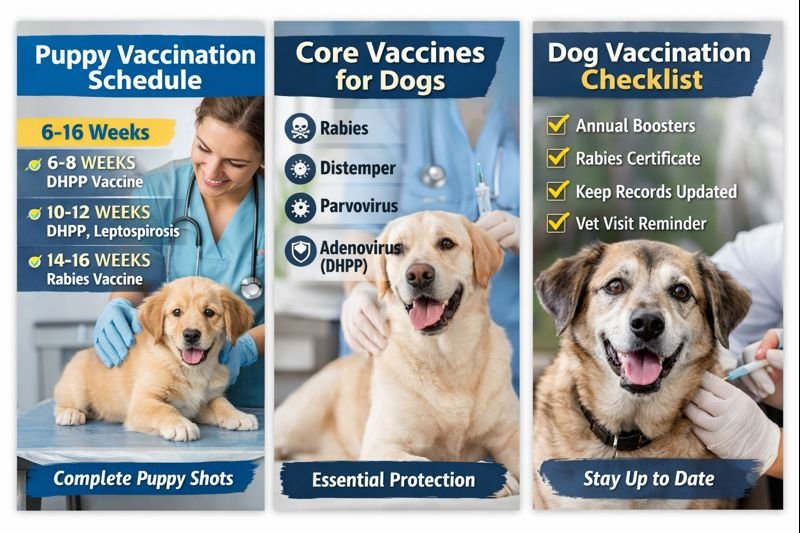
These are usually combined into the DHPP vaccine.
Non-Core Vaccines (Lifestyle-Based)
Non-core vaccines are recommended depending on your dog’s environment and exposure risk.
Bordetella (Kennel Cough)
Leptospirosis
Lyme Disease
Canine Influenza
Your veterinarian will advise which non-core vaccines your dog needs.
Puppy Vaccination Schedule (6–16 Weeks)
Puppies receive temporary immunity from their mother, but this protection fades quickly. Timely vaccination is critical.
Puppy Vaccine Timeline
6–8 Weeks
DHPP (first dose)
Bordetella (if high risk)
10–12 Weeks
DHPP (second dose)
Leptospirosis (optional)
Lyme disease (if region requires)
14–16 Weeks
DHPP (final dose)
Rabies vaccine (mandatory)
Puppies should avoid public places and unknown animals until their vaccination series is complete.
Dog Vaccination Schedule for Adult Dogs (1–7 Years)
After the puppy series, adult dogs need boosters to maintain immunity.
At 12 Months
DHPP booster
Rabies booster
Every 1–3 Years
DHPP booster
Rabies booster
Non-core vaccines as needed
Skipping boosters can leave dangerous immunity gaps.
Senior Dog Vaccination Schedule (7+ Years)
Senior dogs still require vaccines, but schedules are adjusted based on health status.
Key Points:
Aging immune systems need protection
Chronic illness may affect timing
Risk-based approach is used
Many vets use titer testing to measure immunity before revaccination.
Rabies Vaccination: Legal & Health Importance
Rabies vaccination is essential and often legally required. Unvaccinated dogs exposed to rabies may face long quarantines or euthanasia.
Rabies Vaccine Schedule:
First dose: 12–16 weeks
Booster: 1 year later
Then: every 1–3 years (local laws apply)
Rabies vaccination protects your dog, your family, and your community.
What Happens If You Miss Dog Vaccines?
Missing vaccinations can result in:
Restarting the vaccine series
Increased disease risk
Legal penalties (for rabies)
Travel and boarding restrictions
If unsure about your dog’s status, consult your veterinarian immediately.
Missing vaccinations can result in:
Restarting the vaccine series
Increased disease risk
Legal penalties (for rabies)
Travel and boarding restrictions
If unsure about your dog’s status, consult your veterinarian immediately.
Dog Vaccination Side Effects
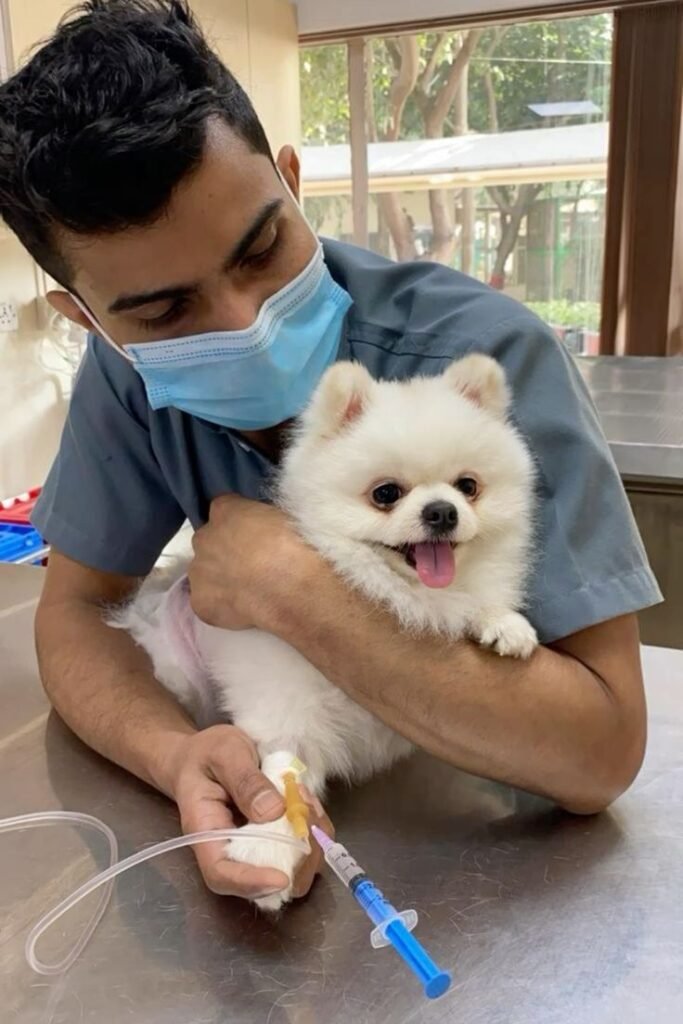
Most dogs experience no side effects or only mild reactions.
Common Mild Effects:
Temporary lethargy
Slight fever
Injection site soreness
Rare Serious Reactions:
Facial swelling
Vomiting
Difficulty breathing
Seek veterinary care immediately if severe symptoms occur.
Does Nutrition Support Vaccination?
Nutrition does not replace vaccines, but it supports immune response.
Helpful nutrients include:
High-quality protein
Omega-3 fatty acids
Vitamins A, C, and E
Probiotics for gut health
A healthy dog responds better to vaccines and recovers faster.
Do Indoor Dogs Need Vaccines?
Yes. Indoor dogs still face risks:
Bats can enter homes
Accidental escapes happen
Emergency boarding may be required
Rabies laws still apply
Vaccination protects against unexpected exposure.
Travel, Boarding & Vaccination Records
Always keep:
Rabies vaccination certificate
Vet-signed health records
Digital backup copies
These documents are required for travel, boarding, and legal protection.
Final Thoughts on Dog Vaccination Schedule
Following a proper dog vaccination schedule is one of the most responsible decisions you can make as a pet owner. Vaccines save lives, prevent suffering, and protect entire communities.
Frequently Asked Questions
Q1: What is the correct dog vaccination schedule by age?
A dog vaccination schedule starts at 6–8 weeks, includes rabies at 12–16 weeks, and continues with boosters every 1–3 years.
Q2: Are core vaccines for dogs mandatory?
Yes. Core vaccines, especially rabies, are legally required in many regions and protect against fatal diseases.
Q3: Can indoor dogs skip vaccinations?
No. Indoor dogs still need vaccines due to accidental exposure risks and legal requirements.
Q4: How often does my dog need rabies vaccination?
Most dogs receive rabies boosters every 1–3 years depending on local law and vaccine type.