
 By Muntaha farid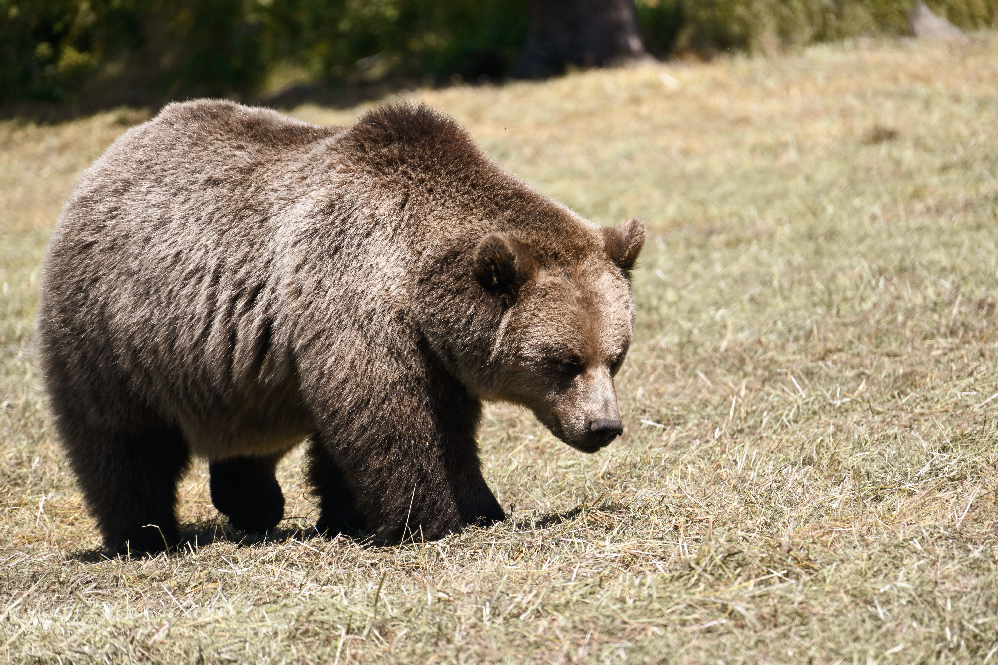
Discover amazing grizzly bear facts, habitat, diet, behavior, lifespan and conservation efforts in this complete guide to North America’s iconic bear.
Grizzly Bear: Amazing Facts, Habitat, Diet, Behavior, and Conservation Guide
The grizzly bear is one of the most fascinating and powerful animals found in North America. Known for its immense strength, impressive size, and remarkable adaptability, the grizzly bear has become a symbol of wilderness and natural beauty. Whether roaming through dense forests, climbing mountain slopes, or fishing in rushing rivers, these magnificent creatures play a crucial role in maintaining healthy ecosystems.
For centuries, grizzly bears have captured the imagination of explorers, wildlife photographers, scientists, and nature enthusiasts. Their intelligence, survival skills, and unique behaviors make them one of the most studied large mammals in the world.
In this comprehensive guide, you’ll learn everything about the grizzly bear, including its habitat, physical characteristics, diet, behavior, reproduction, ecological importance, conservation efforts, and many fascinating facts.
What Is a Grizzly Bear?
A grizzly bear is a subspecies of the brown bear (Ursus arctos horribilis). It belongs to the bear family Ursidae and is one of the largest terrestrial predators in North America.
The term “grizzly” comes from the bear’s fur, which often appears grizzled due to silver or white tips on darker hairs. This distinctive appearance gives the animal a rugged and majestic look.
Grizzly bears are closely related to other brown bears found throughout Europe and Asia. However, North American grizzlies have developed unique adaptations that help them survive in diverse environments ranging from coastal regions to mountainous wilderness.
Grizzly Bear Classification
The scientific classification of the grizzly bear is:
- Kingdom: Animalia
- Phylum: Chordata
- Class: Mammalia
- Order: Carnivora
- Family: Ursidae
- Genus: Ursus
- Species: Ursus arctos
- Subspecies: Ursus arctos horribilis
As mammals, grizzly bears are warm-blooded, give birth to live young, and nurse their cubs with milk.
Physical Characteristics of the Grizzly Bear
Size and Weight
Grizzly bears are among the largest land mammals in North America. Their size varies depending on age, sex, habitat, and food availability.
Male Grizzly Bears
- Weight: 400 to 800 pounds (180 to 360 kg)
- Length: 6 to 8 feet (1.8 to 2.4 meters)
- Standing height: Up to 8 feet (2.4 meters)
Female Grizzly Bears
- Weight: 250 to 450 pounds (113 to 204 kg)
- Length: 5 to 7 feet (1.5 to 2.1 meters)
- Standing height: Up to 7 feet (2.1 meters)
Coastal grizzly bears often grow larger than inland populations because they have access to nutrient rich food sources such as salmon.
Distinctive Features
Several physical traits distinguish grizzly bears from other bear species:
- Large muscular shoulder hump
- Concave facial profile
- Long curved claws
- Broad head
- Thick fur coat
- Powerful limbs
The shoulder hump is one of the easiest ways to identify a grizzly bear. This hump contains powerful muscles used for digging, climbing, and hunting.
Fur Color
Grizzly bear fur varies significantly in color. Individuals may appear:
- Light blonde
- Golden brown
- Cinnamon
- Dark brown
- Nearly black
The silver tipped hairs often create the characteristic grizzled appearance.
Where Do Grizzly Bears Live?
Grizzly Bear Habitat
Grizzly bears are highly adaptable animals capable of surviving in a wide range of habitats.
Common habitats include:
- Dense forests
- Mountain ranges
- Alpine meadows
- River valleys
- Coastal regions
- Tundra environments
These habitats provide food, shelter, and suitable denning locations.
Geographic Distribution
Today, grizzly bears are primarily found in:
- Alaska
- Western Canada
- Montana
- Wyoming
- Idaho
- Washington
Historically, grizzly bears occupied much of western North America, extending as far south as Mexico. However, habitat loss and hunting dramatically reduced their range.
Home Range
Grizzly bears require large territories to meet their nutritional needs.
Typical home ranges include:
- Females: 50 to 300 square miles
- Males: Up to 1,000 square miles or more
The size of a bear’s territory depends largely on food availability and population density.
What Do Grizzly Bears Eat?
Grizzly Bear Diet
Despite their reputation as fierce predators, grizzly bears are omnivores. Their diet consists of both plant and animal matter.
In many regions, plant foods make up the majority of their diet.
Plant Foods
Grizzly bears consume:
- Berries
- Nuts
- Roots
- Grasses
- Fruits
- Seeds
- Mushrooms
- Wildflowers
Seasonal berries are particularly important because they provide valuable calories before winter.
Animal Foods
Animal based foods include:
- Salmon
- Trout
- Deer
- Moose calves
- Elk calves
- Ground squirrels
- Rodents
- Insects
Protein rich foods help bears build muscle and store fat.
Opportunistic Feeding
Grizzly bears are opportunistic feeders and will consume:
- Carrion
- Dead fish
- Human food waste
- Crops
Their adaptability allows them to survive in changing environments.
Hunting and Feeding Behavior
One of the grizzly bear’s greatest assets is its extraordinary sense of smell.
Scientists estimate that a grizzly bear’s sense of smell may be several times stronger than that of a bloodhound.
This remarkable ability helps bears:
- Locate food from miles away.
- Detect carcasses
- Find spawning fish
- Identify predators
- Locate mates
Salmon Fishing
Perhaps the most famous feeding behavior of grizzly bears occurs during salmon runs.
Each year, bears gather near rivers and streams where salmon migrate upstream to spawn. Bears catch fish using their paws and jaws, often consuming only the most nutritious parts.
This feeding frenzy helps bears accumulate fat reserves necessary for winter survival.
Grizzly Bear Behavior
Solitary Lifestyle
Grizzly bears are generally solitary animals.
Adults usually interact only during:
- Mating season
- Feeding opportunities
- Mother cub relationships
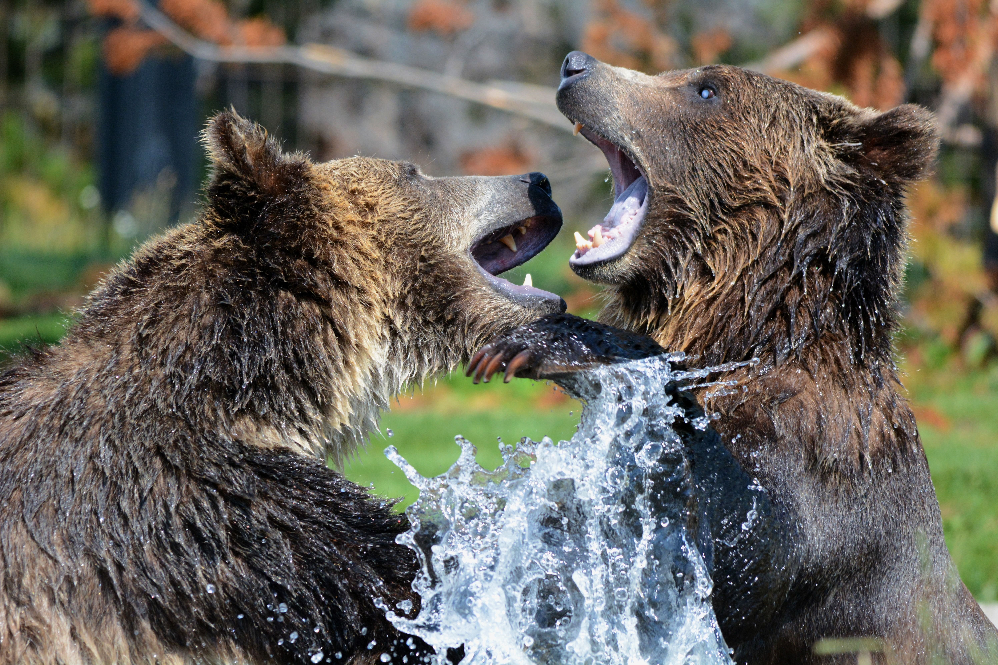
Although they prefer solitude, multiple bears may gather in areas with abundant food.
Communication
Grizzly bears communicate through:
- Vocalizations
- Body language
- Scent marking
Common sounds include:
- Growls
- Roars
- Huffs
- Moans
Scent marking helps bears establish territory and communicate reproductive status.
Intelligence
Grizzly bears are highly intelligent creatures.
Researchers have observed bears:
- Solving complex problems
- Remembering food locations
- Learning from experience
- Using strategic hunting techniques
Their intelligence contributes significantly to their survival.
Grizzly Bear Hibernation
One of the most fascinating aspects of grizzly bear biology is hibernation.
Why Do Grizzly Bears Hibernate?
Winter brings reduced food availability in many regions. Hibernation allows bears to conserve energy during these challenging months.
Hyperphagia
Before entering hibernation, bears experience a period called hyperphagia.
During this phase:
- Appetite increases dramatically
- Bears eat almost constantly.
- Fat reserves accumulate rapidly.
Some bears consume over 20,000 calories per day.
Hibernation Process
During hibernation:
- Heart rate slows significantly.
- Metabolism decreases
- Energy comes from stored fat.
- Physical activity nearly stops.
Unlike many hibernating animals, bears can awaken relatively quickly if disturbed.
Winter Dens
Grizzly bears create dens in:
- Hillsides
- Forested slopes
- Hollow trees
- Natural caves
These dens protect from harsh weather conditions.
Grizzly Bear Reproduction
Mating Season
Grizzly bears typically mate between May and July.
During this period:
- Males travel extensively
- Competition for mates increases
- Temporary pair bonds form.
Delayed Implantation
One of the most remarkable reproductive adaptations in grizzly bears is delayed implantation.
After fertilization:
- The embryo remains dormant.
- Implantation occurs months later.
- Pregnancy proceeds only if the female has sufficient fat reserves
This adaptation improves reproductive success.
Birth of Cubs
Female grizzly bears give birth while hibernating.
Typical litter size:
- One to three cubs
Newborn cubs:
- Weigh less than one pound.
- Are blind
- Have little fur
- Depend entirely on their mother.
Raising Cubs
Mother bears are extremely protective.
Cubs remain with their mothers for approximately two to three years.
During this time, they learn:
- Foraging skills
- Hunting techniques
- Predator avoidance
- Territory navigation
The bond between mother and cubs is one of the strongest relationships in the animal kingdom.
Grizzly Bear Lifespan
Lifespan in the Wild
Most grizzly bears live:
- 20 to 25 years
Lifespan in Captivity
Under human care, some bears may live:
- Up to 35 years or longer
Factors Affecting Lifespan
Several factors influence longevity:
- Food availability
- Disease
- Injuries
- Human activity
- Environmental conditions
Older bears often show signs of worn teeth and reduced mobility.
Natural Predators of Grizzly Bears
Adult grizzly bears have few natural predators due to their size and strength.
Potential threats include:
- Other grizzly bears
- Humans
- Rare wolf attacks
Threats to Cubs
Young cubs face greater risks from:
- Wolves
- Mountain lions
- Male bears
- Harsh weather
Mother bears aggressively defend their offspring against threats.
Importance of Grizzly Bears in Ecosystems
Grizzly bears are considered a keystone species because they influence many aspects of ecosystem health.
Seed Dispersal
Bears consume large quantities of fruits and berries.
Seeds pass through their digestive systems and are deposited across wide areas, promoting plant growth.
Nutrient Cycling
When bears carry fish into forests, nutrients from aquatic ecosystems are transferred to terrestrial environments.
This process enriches soil and supports plant growth.
Population Regulation
By preying on certain animals, grizzly bears help maintain balanced wildlife populations.
Ecosystem Indicators
Healthy grizzly bear populations often indicate healthy ecosystems.
Their presence reflects:
- Adequate habitat
- Abundant food sources
- Biodiversity
Threats Facing Grizzly Bears
Despite their strength, grizzly bears face numerous challenges.
Habitat Loss
Urban expansion, agriculture, and industrial development reduce available habitat.
Habitat fragmentation can isolate populations and limit genetic diversity.
Climate Change
Climate change affects:
- Food availability
- Seasonal behavior
- Hibernation timing
- Ecosystem stability
Changing temperatures may alter berry production and fish populations.
Human Wildlife Conflict
Conflicts occur when bears encounter:
- Livestock
- Garbage
- Campsites
- Residential areas
These interactions sometimes result in injuries or bear removals.
Road Construction
Road networks increase:
- Habitat fragmentation
- Vehicle collisions
- Human access to remote areas
These factors can negatively impact bear populations.
Grizzly Bear Conservation Efforts
Conservation organizations and government agencies work tirelessly to protect grizzly bears.
Habitat Protection
Protected wilderness areas provide essential habitat for bears.
National parks and wildlife reserves play a critical role in conservation.
Wildlife Corridors
Wildlife corridors connect isolated populations.
These pathways allow bears to:
- Find mates
- Access food sources
- Maintain genetic diversity
Public Education
Educational programs teach people how to coexist safely with bears.
Topics often include:
- Proper food storage
- Responsible camping
- Bear encounter safety
Scientific Research
Researchers monitor bear populations using:
- GPS tracking
- Camera traps
- Genetic analysis
Scientific data helps guide conservation decisions.
Interesting Grizzly Bear Facts
Here are some fascinating facts about grizzly bears:
- Grizzly bears can run up to 35 miles per hour.
- Their sense of smell is among the strongest in the animal kingdom.
- They can dig large holes in minutes.
- Their claws may reach four inches in length.
- Grizzly bears are excellent swimmers.
- Bears can remember food locations for years.
- They communicate through sounds, scent, and body language.
- Cubs climb trees more effectively than adults.
- Some bears consume over 20,000 calories daily before hibernation.
- Grizzly bears may travel hundreds of miles each year.
- They can stand on their hind legs to improve visibility.
- Bears have excellent hearing.
- Their brains are relatively large compared to body size.
- Coastal bears are often larger than inland bears.
- Grizzly bears have existed for thousands of years.
Grizzly Bear Safety Tips
If you encounter a grizzly bear in the wild, follow these safety guidelines:
- Stay calm.
- Do not run.
- Speak in a calm voice.
- Avoid direct eye contact.
- Back away slowly.
- Carry bear spray.
- Travel in groups when possible.
- Store food securely.
- Make noise while hiking.
Understanding bear behavior greatly reduces the likelihood of dangerous encounters.
Difference Between Grizzly Bears and Black Bears
| Feature | Grizzly Bear | Black Bear |
|---|---|---|
| Shoulder Hump | Present | Absent |
| Face Profile | Concave | Straight |
| Claws | Long | Short |
| Size | Larger | Smaller |
| Habitat | Mountains and wilderness | Forests and woodlands |
Although both species share some similarities, these physical differences help wildlife observers identify them accurately.
The Cultural Significance of Grizzly Bears
Throughout history, grizzly bears have held important cultural significance for Indigenous peoples and local communities across North America.
Many Indigenous traditions view the grizzly bear as a symbol of:
- Strength
- Courage
- Wisdom
- Protection
Stories, artwork, and ceremonies often feature bears as respected and powerful beings.
Today, grizzly bears continue to inspire conservation efforts and wildlife appreciation around the world.
Future of the Grizzly Bear
The future of the grizzly bear depends on continued conservation efforts and responsible coexistence between humans and wildlife.
Protecting habitat, reducing conflicts, and supporting scientific research are essential steps toward ensuring healthy bear populations.
As awareness grows, more people recognize the importance of preserving these magnificent animals and the ecosystems they inhabit.
Conclusion
The grizzly bear is one of the most remarkable mammals on Earth. Its immense strength, intelligence, adaptability, and ecological importance make it a true symbol of North America’s wild landscapes.
From fishing for salmon in rushing rivers to hibernating through harsh winters, grizzly bears demonstrate extraordinary survival skills. They play a vital role in maintaining ecosystem balance through seed dispersal, nutrient cycling, and population regulation.
Although grizzly bears face challenges such as habitat loss, climate change, and human-wildlife conflict, ongoing conservation efforts provide hope for their future. By supporting habitat protection, practicing responsible outdoor recreation, and promoting wildlife education, we can help ensure that future generations continue to share the planet with these incredible animals.
Whether admired in national parks, studied by scientists, or celebrated in cultural traditions, the grizzly bear remains one of nature’s most awe-inspiring creatures and a lasting symbol of wilderness and resilience.
Frequently Asked Questions (FAQs)
1. What is a grizzly bear?
A grizzly bear is a subspecies of the brown bear (Ursus arctos horribilis) native to North America. It is known for its large size, powerful build, and distinctive shoulder hump.
2. Where do grizzly bears live?
Grizzly bears are primarily found in Alaska, western Canada, Montana, Wyoming, Idaho, and parts of Washington. They inhabit forests, mountains, river valleys, and tundra regions.
3. How big can a grizzly bear get?
Adult male grizzly bears typically weigh between 400 and 800 pounds, while females weigh between 250 and 450 pounds. Some coastal grizzlies can exceed 1,000 pounds.
4. What do grizzly bears eat?
Grizzly bears are omnivores and eat berries, roots, grasses, nuts, fish, insects, rodents, deer, elk calves, and carrion. Their diet varies depending on the season and habitat.
5. Are grizzly bears dangerous to humans?
Grizzly bears can be dangerous if they feel threatened or are protecting their cubs. However, most bears avoid human contact, and attacks are relatively rare.
6. How fast can a grizzly bear run?
Despite their large size, grizzly bears can run at speeds of up to 35 miles per hour (56 km/h) over short distances.
7. Do grizzly bears hibernate?
Yes, grizzly bears hibernate during winter. They spend several months in dens, surviving on stored body fat until food becomes available again in spring.
8. How long do grizzly bears live?
Grizzly bears generally live 20–25 years in the wild, though some individuals can live over 30 years in captivity.
9. What is the difference between a grizzly bear and a black bear?
Grizzly bears have a prominent shoulder hump, longer claws, and a concave facial profile, while black bears lack a shoulder hump and usually have shorter claws.
10. Why are grizzly bears important to ecosystems?
Grizzly bears help maintain healthy ecosystems through seed dispersal, nutrient cycling, and regulating prey populations. They are considered a keystone species.
11. Are grizzly bears endangered?
Grizzly bears are not globally endangered, but some local populations are threatened due to habitat loss, climate change, and human-wildlife conflicts.
12. What should you do if you encounter a grizzly bear?
Stay calm, avoid running, speak softly, back away slowly, and carry bear spray when hiking in grizzly bear country. Never approach a bear or its cubs.