
 By Muntaha farid
Learn how to manage pet separation anxiety with proven tips,signs to watch for and effective solutions to keep your pet calm and happy when alone.
Introduction
Pet separation anxiety is more than just a minor inconvenience it’s a serious emotional condition that affects millions of pets around the world.Many pet owners mistakenly assume their pet is simply“acting out”when they bark,chew furniture or have accidents indoors.However,these behaviors are often signs of deep emotional and mentally distress caused by being separated from their owner.
In today’s fast paced lifestyle,where people spend long hours away from home,pet separation anxiety has become increasingly common.Dogs,cats and even other companion animals can suffer from this condition,which can significantly impact their mental and physical well being.
This is depth guide will walk you through everything you need to know about pet separation anxiety,including its causes,symptoms,treatment methods and long term prevention strategies.
What is Pet Separation Anxiety?
Pet separation anxiety is a behavioral and emotional disorder in which pets experience intense stress and panic when they are left alone or separated from their primary caregiver.
This condition is particularly common in dogs because they are naturally social animals that thrive on companionship.However,cats and other pets can also develop strong attachments and suffer from anxiety when left alone.
Unlike boredom,separation anxiety involves genuine fear and distress.Pets may feel abandoned,unsafe or confused when their owner leaves,triggering panic driven behaviors.
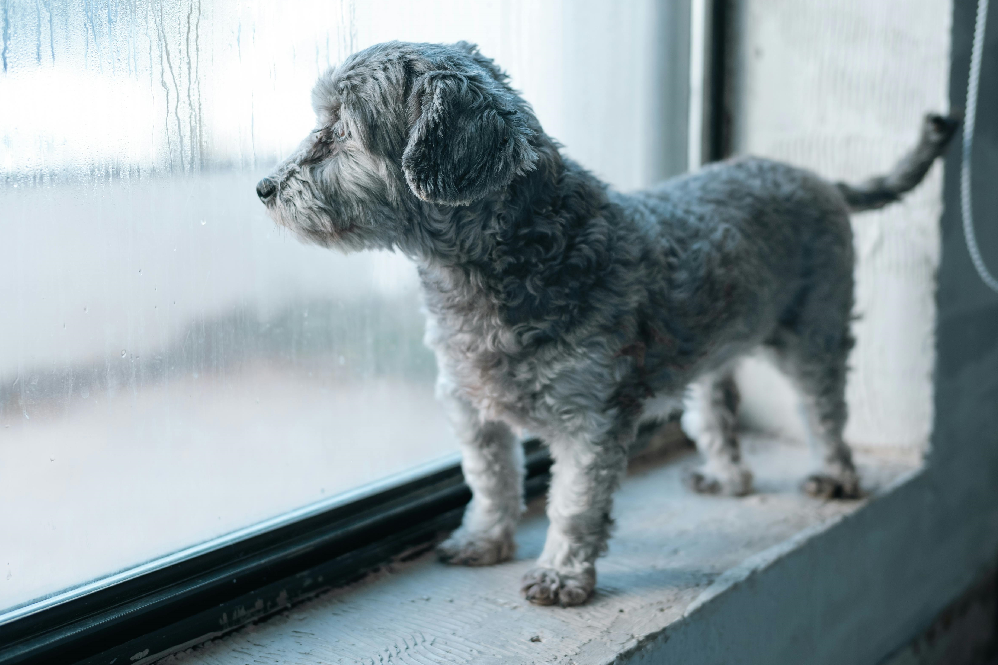
Why Pet Separation Anxiety is a Growing Problem
Modern lifestyles play a significant role in the rise of pet separation anxiety.Consider these factors:
- Owners working long hours away from home
- Increased indoor living for pets
- Over dependence due to constant companionship during early stages
- Lack of proper training for independence
Pets that are constantly surrounded by humans and suddenly left alone are more likely to struggle with separation.
Main Causes of Pet Separation Anxiety
Understanding the root cause is essential for effective treatment.
1. Sudden Changes in Routine
Pets rely heavily on routine.A sudden shift like returning to office work after staying home can trigger anxiety.
2. Moving to a New Environment
A new house means unfamiliar smells,sounds and surroundings which can make pets feel insecure.
3. Loss of a Companion
The death or absence of a family member or another pet can deeply affect your pet emotionally.
4. Traumatic Experiences
Pets that have experienced abandonment,shelter life or rehoming are more prone to anxiety.
5. Lack of Early Training
Pets that were never taught to be alone gradually may struggle with independence.
6. Over Attachment to Owners
When pets become overly dependent,even short separations can feel overwhelming.
Symptoms of Pet Separation Anxiety
Recognizing symptoms early can prevent severe behavioral problems.
Behavioral Symptoms
- Constant barking,whining or meowing
- Scratching doors or windows
- Destroying furniture or household items
- Trying to escape confinement
- Following the owner obsessively
Physical Symptoms
- Excessive drooling
- Panting and restlessness
- Loss of appetite
- Vomiting or diarrhea
Emotional Symptoms
- Depression when alone
- Anxiety triggered by departure cues (keys,shoes,bags)
What Triggers Anxiety in Pets?
Pets often associate specific actions with your departure.Common triggers include:
- Picking up keys
- Wearing shoes
- Turning off lights
- Locking doors
Over time,these cues alone can cause anxiety even before you leave.
10 Proven Ways to Treat Pet Separation Anxiety
Now let’s explore the most effective and practical solutions.
1. Gradual Desensitization
Start by leaving your pet alone for just a few minutes.Gradually increase the duration over time.This teaches your pet that you will always return.
2. Create a Safe and Comfortable Space
Design a dedicated area where your pet feels secure. Include:
- Their favorite bed
- Toys
- Items with your scent
This space acts as a comfort zone.
3. Provide Mental Stimulation
Boredom worsens anxiety.Keep your pet engaged with:
- Puzzle toys
- Treat dispensing toys
- Interactive games
4. Exercise Before Leaving
Physical activity reduces stress levels.A tired pet is less likely to feel anxious.
5. Stay Calm During Departures
Avoid emotional goodbyes.Keep your exit low-key to prevent triggering anxiety.
6. Practice Independence Training
Encourage your pet to spend time alone while you’re at home.This reduces clinginess.
7. Use Calming Products
Consider using:
- Pheromone diffusers
- Anxiety wraps
- Calming sprays
These can provide additional support.
8. Maintain a Consistent Routine
Consistency builds confidence. Feed,walk and play with your pet at the same times daily.
9. Leave Background Noise
Soft music or TV can create a sense of presence and reduce loneliness.
10. Seek Professional Help
If the problem is severe,consult a veterinarian or animal behaviorist.In some cases,medication may be recommended.
Advanced Training Techniques
Desensitization to Departure Cues
Practice picking up your keys or wearing shoes without leaving.This reduces the association between these actions and your departure.
Counter Conditioning
Reward your pet with treats or toys when you leave.This helps them associate your absence with something positive.
Common Mistakes to Avoid
Many pet owners unknowingly make the problem worse:
- Punishing anxious behavior
- Leaving pets alone for long periods suddenly
- Giving excessive attention before leaving
- Ignoring early warning signs
Pet Separation Anxiety in Dogs vs Cats
Dogs
Dogs are more expressive and may bark loudly,destroy items or attempt escape.
Cats
Cats show subtle signs such as hiding,reduced appetite or avoiding interaction.
Natural Remedies for Pet Separation Anxiety
Some natural options include:
- Chamomile supplements for calming effects
- Lavender aromatherapy to reduce stress
- CBD products(vet approved only)
Always consult a veterinarian before introducing any remedy.
How Long Does Recovery Take?
Recovery time varies depending on:
- Severity of anxiety
- Consistency of training
- Pet’s personality
Some pets improve within weeks,while others may take months.
When to See a Veterinarian
Seek professional help if:
- Your pet harms itself
- Symptoms worsen over time
- Training shows no improvement
A vet may recommend behavioral therapy or medication.
Preventing Pet Separation Anxiety
Prevention strategies include:
- Teaching independence early
- Avoiding over attachment
- Providing regular exercise and stimulation
- Keeping a stable routine
Long Term Impact of Untreated Anxiety
Ignoring separation anxiety can lead to:
- Chronic stress
- Behavioral disorders
- Weakened immune system
- Reduced lifespan in severe cases
FAQs
1. Can pets grow out of separation anxiety?
Not usually without proper training and intervention.
2. Is crate training effective?
Yes,if introduced positively and gradually.
3. Can cats have separation anxiety?
Yes,although symptoms may be less obvious than in dogs.
4. Are medications safe for anxiety?
Only when prescribed by a veterinarian.
5. How do I know if it’s anxiety or boredom?
Anxiety includes panic like symptoms,while boredom results in mild misbehavior.
[…] important.Recognizing the subtle and obvious signs of pain can help prevent serious health issues, separation pain and improve your pet’s quality of […]
[…] Stress can trigger excessive grooming,leading to skin damage. […]
[…] Guide is the cornerstone of successful fishkeeping. Whether you keep freshwater community fish,aggressive predators or delicate marine species,nutrition directly impacts every aspect of fish health from […]
[…] for extended periods,it may lead to behavioral problems,weakened immunity,digestive issues and anxiety disorders.Understanding how dogs express stress is the first step toward helping […]
[…] owners worry that their puppy is aggressive when it’s actually just […]
[…] constantly, destroys furniture, or panics when left alone, there may be an underlying issue such as separation anxiety that requires training or professional […]