
 By Muntaha farid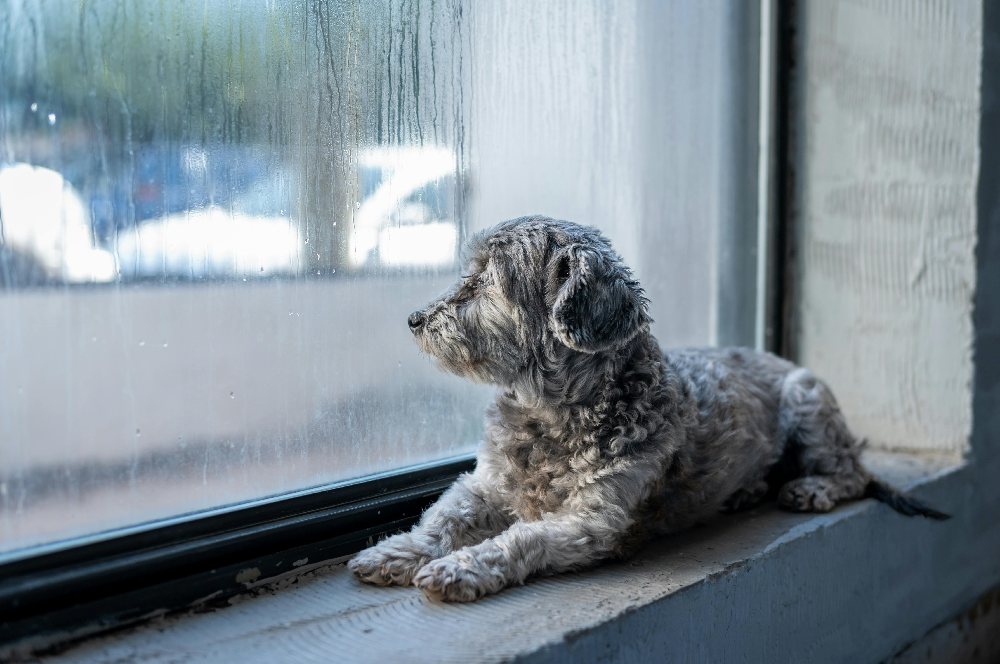
Learn how weather affects pets and discover expert tips to protect your pets from heat,cold,rain and seasonal health risks all year round.
Introduction
Weather plays a major role in the health and well being of pets.Just like humans,animals are sensitive to environmental changes and extreme temperatures or seasonal shifts can significantly impact their physical and emotional health.Understanding how weather affects pets is essential for every pet owner who wants to keep their furry companions safe,comfortable and happy throughout the year.
From scorching summer heat to freezing winter temperatures,each season brings unique challenges.Pets can suffer from heatstroke,dehydration,cold stress,allergies and even behavioral changes due to weather conditions.This comprehensive guide will help you understand the effects of weather on pets and provide practical tips to ensure their safety in every season.
How Weather Affects Pets Is Important
Pets cannot always adapt to environmental changes as easily as humans.Many animals rely on their owners to regulate their surroundings.Knowing how weather affects pets allows you to:
- Prevent serious health conditions
- Maintain your pet’s comfort
- Improve their quality of life
- Avoid emergency vet visits
- Strengthen your bond with your pet
Ignoring weather related risks can lead to severe consequences,including illness or even life threatening situations.

How Summer Heat Affects Pets
1. Heatstroke in Pets
One of the most dangerous effects of hot weather is heatstroke.Pets especially dogs, do not sweat like humans and rely on panting to cool down.When temperatures rise too high,this cooling mechanism becomes ineffective.
Symptoms of heatstroke include:
- Excessive panting
- Drooling
- Vomiting
- Weakness or collapse
- Rapid heartbeat
Heatstroke is a medical emergency and requires immediate attention.
2. Dehydration Risks
During hot weather pets lose more water through panting and activity.Without adequate hydration they can quickly become dehydrated.
Prevention tips:
- Provide fresh,clean water at all times
- Add extra water bowls around the house
- Avoid outdoor activity during peak heat
3. Burned Paw Pads
Hot pavements can burn your pet’s paw pads.A simple rule: if it’s too hot for your hand,it’s too hot for their paws.
4. Increased Parasites
Warm weather increases the risk of fleas,ticks and mosquitoes which can carry diseases.
How Winter Weather Affects Pets
1. Hypothermia and Frostbite
Cold temperatures can be just as dangerous as heat.Pets exposed to freezing weather for long periods can develope hypothermia.
Signs include:
- Shivering
- Lethargy
- Weakness
- Slow breathing
2. Joint Pain and Arthritis
Older pets often suffer more in cold weather due to joint stiffness and arthritis.
3. Dry Skin and Coat Problems
Winter air lacks humidity which can lead to dry,itchy skin in pets.
4. Antifreeze Poisoning Risk
Antifreeze is highly toxic to pets and has a sweet taste that attracts them.Even a small amount can be fatal.
How Rainy Weather Affects Pets
1. Behavioral Changes
Many pets become anxious or depressed during rainy days due to lack of outdoor activity and reduced sunlight.
2. Increased Risk of Infections
Wet conditions can lead to fungal infections,especially in paws and ears.
3. Reduced Exercise
Rain often limits outdoor playtime,which can lead to obesity and boredom.
How Seasonal Changes Affect Pets
1. Allergies in Pets
Just like humans,pets can suffer from seasonal allergies caused by pollen,dust and mold.
Common symptoms:
- Itching
- Sneezing
- Watery eyes
- Skin irritation
2. Shedding and Coat Changes
Seasonal transitions often trigger shedding in pets as they adjust their coats.
3. Appetite and Energy Level Changes
Weather changes can affect your pet’s metabolism and energy levels.Pets may eat more in winter and less in summer.
How Weather Affects Different Types of Pets
Dogs
Dogs are highly sensitive to temperature changes.Breeds with thick coats tolerate cold better while short haired breeds are more vulnerable.
Cats
Cats often prefer warm environments and may become less active in colder months.
Small Animals(Rabbits,Hamsters,Birds)
These pets are extremely sensitive to temperature fluctuations and require controlled environments.
Essential Tips to Protect Pets in Hot Weather
- Keep pets indoors during extreme heat
- Provide shaded outdoor areas
- Never leave pets in parked cars
- Use cooling mats or fans
- Groom pets regularly but avoid over-shaving
Essential Tips to Protect Pets in Cold Weather
- Provide warm bedding
- Limit outdoor exposure
- Use pet sweaters for small or short haired pets
- Keep paws clean and dry
- Ensure proper nutrition
Indoor Safety Tips for All Seasons
- Maintain a comfortable indoor temperature
- Ensure proper ventilation
- Keep toxic substances out of reach
- Monitor your pet’s behavior
Signs Your Pet Is Affected by Weather
Watch for these warning signs:
- Sudden behavior changes
- Loss of appetite
- Excessive panting or shivering
- Skin problems
- Low energy
Early detection can prevent serious health issues.
The Role of Nutrition in Weather Adaptation
A balanced diet helps pets cope with weather changes.
- Increase hydration in summer
- Provide calorie rich food in winter
- Include omega3 for skin health
- Consult your vet for seasonal diet changes
Mental Health and Weather Changes
Weather doesn’t just affect physical health it also impacts mental well being.
Pets may experience:
- Anxiety during storms
- Boredom during extreme weather
- Seasonal depression
Solutions:
- Provide interactive toys
- Maintain routine
- Spend quality time with your pet
Common Mistakes Pet Owners Make
- Leaving pets outside too long
- Ignoring hydration needs
- Skipping seasonal grooming
- Not adjusting exercise routines
- Overlooking early warning signs
Avoiding these mistakes can significantly improve your pet’s safety.
FAQs About How Weather Affects Pets
1. Can hot weather kill pets?
Yes,extreme heat can cause heatstroke,which can be fatal if not treated quickly.
2. Do pets feel cold like humans?
Yes,pets can feel cold and may suffer from hypothermia in low temperatures.
3. How can I tell if my pet is too hot?
Signs include excessive panting,drooling and weakness.
4. Are certain breeds more sensitive to weather?
Yes,short nosed breeds and small animals are more vulnerable to extreme temperatures.
5. How often should I adjust my pet’s routine based on weather?
You should adjust daily routines depending on seasonal conditions and temperature changes.
[…] depend entirely on their owners for proper nutrition,hygiene,health care,emotional well being and affect change weather.Whether you are a beginner or an experienced owner,understanding detailed horse care tips can make […]
[…] proper knowledge,consistency and attention to detail.Turtles are unique reptiles with very specific environmental,dietary and behavioral needs.When these needs are met correctly,turtles can live for decades and […]
[…] This detailed guide will help you decode feline behavior,explain why cats act the way they do and give you practical tips to handle common behavioral issues. […]
[…] in America,these cats naturally adapted to the environment.Over time,breeders selectively developed them into a stable and recognized breed known as the […]