
 By Muntaha farid
Learn pet first aid basics with this complete guide.Discover how to handle emergencies,injuries and common health issues in dogs and cats.
Introduction
Every pet owner hopes their furry companion will never face an emergency but accidents and sudden health issues can happen anytime.That’s why understanding pet first aid basics is essential.Knowing what to do in those critical first moments can mean the difference between life and death.
Whether it’s a minor injury,choking,poisoning or heatstroke being prepared allows you to act quickly and confidently.This guide covers everything you need to know about pet first aid basics,including practical steps,safety tips and emergency responses for both dogs and cats.
Why Pet First Aid Basics Are Important
Pets rely entirely on their owners during emergencies.Unlike humans they cannot explain their pain or symptoms which makes quick observation and action crucial.
Understanding pet first aid basics helps you:
- Respond immediately to injuries
- Prevent conditions from worsening
- Reduce pain and discomfort
- Stabilize your pet before reaching a vet
- Potentially save your pet’s life
Delaying treatment even by a few minutes can sometimes lead to serious complications.
Essential Pet First Aid Kit
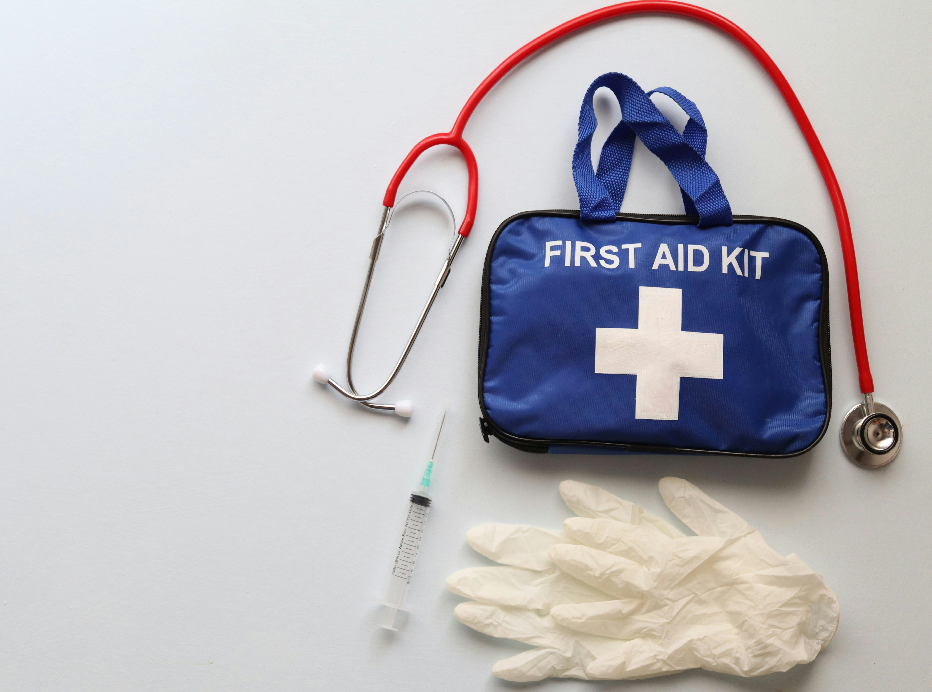
Before diving into emergency situations every pet owner should have a well stocked first aid kit.
A basic pet first aid kit should include:
- Sterile gauze and bandages
- Adhesive tape
- Antiseptic wipes or solution
- Digital thermometer
- Tweezers and scissors
- Hydrogen peroxide(for vet advised use only)
- Cotton balls and swabs
- Disposable gloves
- Emergency contact numbers
Having these tools ready ensures you can apply pet first aid basics without wasting precious time.
How to Check Your Pet’s Vital Signs
One of the most important parts of pet first aid basics is assessing your pet’s condition.
Normal Vital Signs
- Heart rate: 60 to 140 beats per minute(dogs)
- Heart rate: 140 to 220 beats per minute(cats)
- Temperature: 38°C to 39.2°C
- Breathing: 10 to 30 breaths per minute
If your pet’s vital signs are outside these ranges it could indicate an emergency.
Handling Common Pet Emergencies
1. Bleeding and Wounds
Bleeding is one of the most common emergencies.
What to Do:
- Apply gentle pressure using clean cloth or gauze
- Elevate the wound if possible
- Wrap with a bandage securely
Severe bleeding requires immediate veterinary attention.
2. Broken Bones
Signs include limping,swelling or inability to move.
First Aid Steps:
- Keep your pet still
- Do not try to realign the bone
- Use a makeshift splint if necessary
- Transport carefully to a vet
3. Choking
Choking can be life threatening and requires immediate action.
Signs:
- Pawing at mouth
- Difficulty breathing
- Gagging
What to Do:
- Open the mouth carefully
- Remove visible object
- Perform gentle chest thrusts if needed
4. Heatstroke
Common in hot climates especially during summer.
Symptoms:
- Excessive panting
- Drooling
- Weakness
First Aid:
- Move pet to a cool area
- Apply cool(not cold)water
- Offer small amounts of water
5. Hypothermia
Occurs in cold conditions.
Signs:
- Shivering
- Lethargy
- Slow breathing
What to Do:
- Wrap pet in warm blanket
- Use warm(not hot)water bottles
- Seek veterinary care
6. Poisoning
Pets may ingest toxic substances like chemicals or harmful foods.
Symptoms:
- Vomiting
- Drooling
- Seizures
First Aid:
- Remove toxin source
- Do NOT induce vomiting unless advised
- Contact vet immediately
Pet First Aid Basics for Cats
Cats often hide their pain, making emergencies harder to detect.
Key Tips:
- Handle gently to avoid scratches
- Watch for behavior changes
- Keep them calm during treatment
Cats require a slightly different approach, but the core pet first aid basics remain the same.
Pet First Aid Basics for Dogs
Dogs are more expressive but can panic during emergencies.
Tips:
- Speak calmly
- Use a muzzle if necessary(if safe)
- Avoid sudden movements
CPR for Pets(Life Saving Skill)
CPR is one of the most critical pet first aid basics.
When to Perform:
- No breathing
- No heartbeat
Steps:
- Lay pet on side
- Check airway
- Perform chest compressions
- Give rescue breaths
Continue until breathing resumes or help arrives.
When to Go to the Vet Immediately
Even with knowledge of pet first aid basics some situations require urgent professional care:
- Heavy bleeding
- Seizures
- Difficulty breathing
- Unconsciousness
- Suspected poisoning
First aid is temporary not a replacement for veterinary care.
Common Mistakes in Pet First Aid
Avoid these errors:
- Using human medications
- Delaying professional help
- Panicking during emergencies
- Applying incorrect treatments
Staying calm is one of the most important parts of applying pet first aid basics effectively.
Preventing Emergencies
Prevention is always better than cure.
Tips:
- Keep toxic items out of reach
- Regular vet checkups
- Proper nutrition
- Safe environment
Understanding pet first aid basics also means reducing the chances of emergencies.
Expert Tips for Pet Owners
- Always stay calm
- Keep emergency numbers saved
- Learn basic CPR
- Regularly check your pet’s health
- Keep a first aid kit ready
Frequently Asked Questions
What are pet first aid basics?
They are immediate care steps given to a pet before professional veterinary treatment.
Can I use human medicine for pets?
No,unless specifically advised by a veterinarian.
How important is a first aid kit?
It is essential for handling emergencies quickly.
Should I learn pet CPR?
Yes,it can save your pet’s life in critical situations.
[…] well stocked pet first aid kit allows you to provide immediate care before reaching a veterinarian.It can help prevent […]