
 By Muntaha farid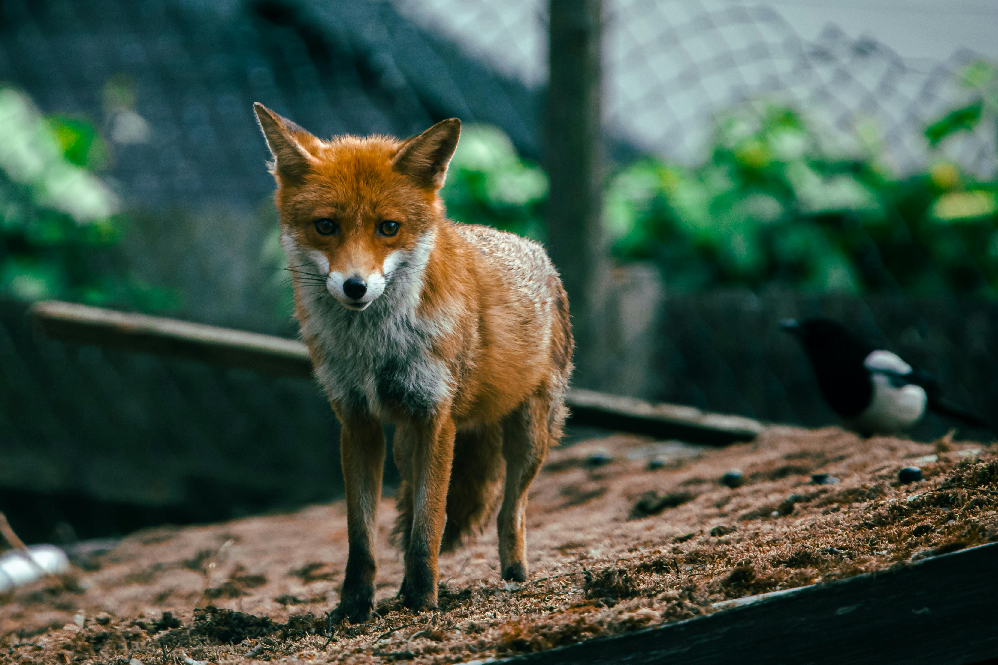
Fox Animal Guide Learn about fox diet,lifespan,behavior and whether foxes can be kept as pets.A complete and easy guide for beginners.
Introduction
Foxes are among the most fascinating and intelligent animals in the wild.Known for their cunning nature,striking appearance and adaptability,foxes have captured human curiosity for centuries.From forests and deserts to urban cities,these animals have proven they can survive almost anywhere.
But one common question people often ask is Are foxes pets or wild animals? In this detailed guide,we’ll explore everything about foxes including their classification,lifespan,diet,behavior and whether they can truly be kept as pets.
What Is a Fox?
A fox is a small to medium sized omnivorous mammal belonging to the Canidae family which also includes dogs,wolves and coyotes.There are around 37 species of foxes but the most common and well known is the red fox (Vulpes vulpes).
Foxes are easily recognizable due to their:
- Bushy tails
- Pointed ears
- Slender bodies
- Sharp,intelligent eyes
They are found across North America,Europe,Asia and parts of Africa.
Are Foxes Pets or Wild Animals?
Wild Animals First
Foxes are primarily wild animals,not domesticated pets like dogs or cats.They are naturally adapted to survive in the wild,hunt their own food and avoid human interaction.
Unlike dogs, which have been domesticated for thousands of years,foxes still retain their:
- Hunting instincts
- Fear of humans
- Territorial behavior
Can Foxes Be Pets?
Technically,yes but not easily.
Some species like the fennec fox are sometimes kept as exotic pets.However,keeping a fox as a pet comes with serious challenges:
Challenges of Keeping a Fox as a Pet:
- They are highly energetic and destructive
- Strong natural odor(especially urine marking)
- Difficult to train compared to dogs
- Require large outdoor enclosures
- Not fully social or affectionate
Conclusion: Foxes are best suited to the wild. While some people keep them as pets, they are not ideal for the average pet owner.
Types of Foxes
Here are some of the most popular fox species:
1. Red Fox
- Most common species
- Found worldwide
- Known for orange red fur
2. Arctic Fox
- Lives in cold regions
- Thick white fur(turns brown in summer)
- Extremely cold resistant
3. Fennec Fox
- Smallest fox species
- Large ears
- Native to deserts
4. Gray Fox
- Known for climbing trees
- Found in North America
Fox Lifespan
The lifespan of a fox depends on whether it lives in the wild or captivity.
In the Wild:
- Average lifespan 2 to 5 years
- Many foxes die young due to predators,disease or lack of food
In Captivity:
- Lifespan can reach: 10 to 14 years
- Protected environment increases survival rate
Factors Affecting Lifespan:
- Food availability
- Habitat conditions
- Predators
- Human interference

Fox Diet What Do Foxes Eat?
Foxes are omnivores,meaning they eat both plants and animals.Their diet is very flexible,which helps them survive in different environments.
Main Foods in a Fox’s Diet:
1. Meat(Primary Food Source)
- Rodents(mice, rats)
- Rabbits
- Birds
- Insects
- Frogs
2. Plant Based Foods
- Fruits(berries,apples)
- Vegetables
- Seeds
3. Scavenged Food
- Carrion(dead animals)
- Human leftovers(especially in urban areas)
Hunting Behavior
Foxes are skilled hunters.They use:
- Sharp hearing to detect prey underground
- Quick reflexes to pounce
- Stealth movement to approach quietly
One famous hunting move is the“mousing leap”where a fox jumps high and dives onto prey.
Fox Behavior
Fox behavior is one of the most interesting aspects of this animal.
1. Intelligence
Foxes are highly intelligent and adaptable.They can:
- Learn from experience
- Solve problems
- Navigate complex environments
2. Nocturnal Lifestyle
Most foxes are nocturnal,meaning they are active at night.This helps them:
- Avoid predators
- Hunt more effectively
3. Territorial Nature
Foxes are territorial animals.They:
- Mark territory with urine
- Defend their space from other foxes
4. Communication
Foxes communicate using:
- Vocal sounds(barks,screams,howls)
- Body language
- Scent marking
5. Social Structure
Foxes are generally solitary animals but they may:
- Live in small family groups
- Form pairs during breeding season
Habitat of Foxes
Foxes are incredibly adaptable and can live in many environments,such as:
- Forests
- Grasslands
- Mountains
- Deserts
- Urban cities
In cities,foxes often live near humans and survive by scavenging food.
Reproduction and Life Cycle
Breeding Season
- Usually occurs in winter
Gestation Period
- Around 50 to 55 days
Number of Cubs
- Typically 4 to 6 cubs
Raising Cubs
- Cubs are born blind and helpless
- Mother stays with them while the father hunts
- Cubs start learning to hunt after a few months
Can Foxes Be Dangerous?
Foxes are generally not dangerous to humans but they can:
- Bite if threatened
- Carry diseases like rabies
- Attack small pets(like chickens or rabbits)
It’s best to observe foxes from a distance and not try to interact with them.
Differences Between Foxes and Dogs
| Feature | Fox | Dog |
|---|---|---|
| Domestication | Wild | Domesticated |
| Behavior | Independent | Social |
| Trainability | Difficult | Easy |
| Lifestyle | Nocturnal | Flexible |
| Relationship with Humans | Limited | Strong |
Should You Keep a Fox as a Pet?
Before considering a fox as a pet,think carefully:
You SHOULD NOT get a fox if:
- You want a friendly,cuddly pet
- You live in a small house
- You expect easy training
You MAY consider it if:
- You have experience with exotic animals
- You have a large outdoor space
- You understand their needs
Even then,always check local laws as fox ownership is restricted in many countries.
Interesting Facts About Foxes
- Foxes use Earth’s magnetic field to hunt
- A group of foxes is called a“skulk”
- Their tails help them balance and stay warm
- Foxes can make over 40 different sounds
Conclusion
Foxes are incredible animals known for their intelligence,adaptability and unique behaviors.While they may look cute and pet like,they are wild animals at heart and not suitable for most households.
They play an important role in ecosystems by controlling rodent populations and maintaining balance in nature.
If you admire foxes,the best way to appreciate them is by:
- Observing them in the wild
- Supporting wildlife conservation
- Learning more about their natural behavior
FAQs About Foxes
1. Are foxes good pets?
No,foxes are not ideal pets due to their wild instincts and difficult behavior.
2. What do foxes eat the most?
They mainly eat small animals like rodents,along with fruits and insects.
3. How long do foxes live?
2 to 5 years in the wild and up to 14 years in captivity.
4. Are foxes friendly to humans?
They are usually shy and avoid humans but may become aggressive if threatened.
5. Can foxes be trained like dogs?
Not effectively.They are much harder to train.