
 By Muntaha farid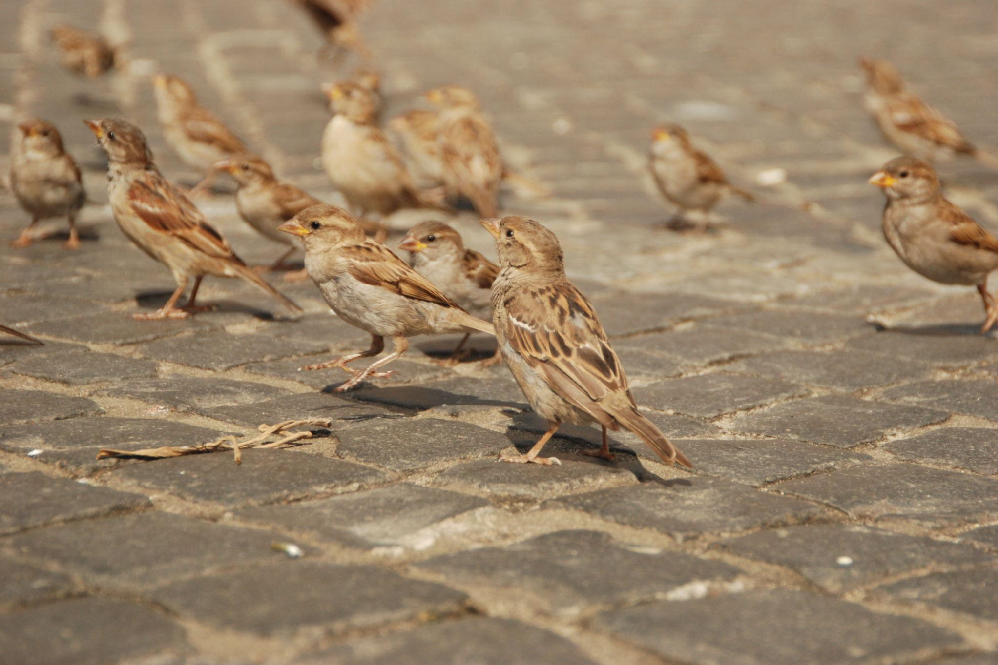
Discover everything about the sparrow bird including its habitat,diet,behavior and nature.Learn why sparrows are wild birds and not typical pets.
Introduction to Sparrow Bird
The Sparrow is one of the most common and widely recognized birds in the world.Small in size but big in presence, sparrows are found almost everywhere from busy cities to quiet rural villages.
These birds are known for their adaptability,simple appearance and constant chirping sounds.Unlike exotic pet birds, sparrows are naturally wild and thrive best in open environments.
In this detailed blog, you will learn everything about the sparrow bird,including its type,habitat,diet,behavior,lifestyle and whether it can be kept as a pet.
What Type of Bird is a Sparrow?
Sparrows belong to a group of birds known as passerines or perching birds.They are small,lightweight birds with short beaks and rounded bodies.
Key Characteristics
- Small size(4 to 7 inches)
- Brown,grey and white feathers
- Short,strong beak
- Quick and active movement
The most common species is the house sparrow,which lives close to human settlements.

Is Sparrow a Pet or a Wild Bird?
The sparrow is primarily a wild bird.
Classification
- Animal(bird)
- Wild species
- Not a typical pet
Sparrows have not been domesticated like parrots or pigeons.They are independent birds that prefer freedom.
While it is technically possible to keep a sparrow in captivity,it is not recommended because they do not adapt well to cage life.
Origin and Global Distribution
Sparrows are found all over the world.They are native to parts of Europe,Asia and North Africa but have spread globally.
Where Sparrows Live
- Cities and towns
- Villages
- Farms and agricultural land
- Parks and gardens
In countries like Pakistan,sparrows are a common sight in both urban and rural areas.
Natural Habitat of Sparrow Bird
Sparrows are highly adaptable birds.
Preferred Habitats
- Buildings and rooftops
- Trees and bushes
- Open fields
- Human settlements
Unlike many birds that live deep in forests,sparrows prefer areas close to humans because
- Food is easily available
- Shelter can be found in buildings
- Water sources are nearby
Physical Appearance of Sparrow
Sparrows may not be as colorful as parrots but they have a simple and natural beauty.
Body Features
- Small,round body
- Short legs
- Short,thick beak
- Rounded wings
Color Pattern
- Brown and grey feathers
- Black markings(especially in males)
- Light underbelly
Their colors help them blend into their surroundings,protecting them from predators.
Diet of Sparrow Bird
Sparrows are omnivores,meaning they eat both plant and animal matter.
Common Foods
- Seeds and grains
- Wheat and rice
- Insects(especially for young birds)
- Small fruits
Feeding Behavior
- Often seen pecking on the ground
- Search for food in groups
- Eat multiple times a day
In cities,sparrows often rely on leftover human food as well.
Behavior and Nature of Sparrow
Sparrows have a lively and social personality.
1. Social Nature
Sparrows are highly social birds.
- They live in groups
- Communicate constantly
- Prefer staying close to others
2. Active and Energetic
Sparrows are always moving.
- Quick flights
- Constant hopping
- Active throughout the day
3. Vocal Communication
Sparrows are known for their chirping.
- Chirp to communicate
- Use sounds to warn others
- Stay connected with their group
4. Adaptability
One of the most important traits of sparrows is their ability to adapt.
- Live in cities and villages
- Adjust to different climates
- Survive in changing environments
Breeding and Nesting
Sparrows build simple nests.
Nesting Locations
- Roof corners
- Holes in walls
- Tree branches
Reproduction
- Lay 3 to 5 eggs
- Both parents care for chicks
- Feed young birds insects for protein
Lifespan of Sparrow
Sparrows typically live:
3 to 5 years in the wild
However,many do not reach old age due to:
- Predators
- Pollution
- Lack of food
Why Sparrow is Not a Good Pet
Although sparrows are friendly looking,they are not suitable as pets.
Reasons:
- Need freedom to fly
- Become stressed in cages
- Cannot be easily trained
- Prefer living in groups outdoors
Sparrows are happiest when they are free.
Importance of Sparrows in Ecosystem
Sparrows play an important role in nature.
Environmental Benefits
- Control insect population
- Help in seed distribution
- Maintain ecological balance
Their presence is a sign of a healthy environment.
Decline in Sparrow Population
In many areas,sparrow populations are decreasing.
Main Reasons:
- Urbanization
- Loss of nesting spaces
- Pollution
- Reduced food sources
How to Help Sparrows:
- Place water bowls outside
- Provide bird feeders
- Protect nesting areas
Interesting Facts About Sparrow
- Sparrows can fly at speeds up to 30 km/h
- They communicate using different chirps
- Male sparrows have darker markings
- They are one of the oldest birds living near humans
- They can recognize safe and unsafe environments
Sparrow vs Pet Birds
| Feature | Sparrow | Pet Birds (Budgie/Lovebird) |
|---|---|---|
| Nature | Wild | Domesticated |
| Training | Difficult | Easy |
| Living | Free | Cage/Home |
| Behavior | Independent | Social with humans |
This shows why sparrows are not ideal pets.
Conclusion
The Sparrow Bird is a small but remarkable creature that has lived alongside humans for centuries.Known for its adaptability,social nature and constant chirping,the sparrow plays an important role in the ecosystem.
However,despite its friendly appearance,the sparrow is not a pet bird.It is a wild species that thrives best in open environments where it can fly freely and live naturally.
Protecting sparrows and their habitats is important for maintaining ecological balance and preserving biodiversity.
FAQs About Sparrow Bird
1. Is a sparrow a pet bird?
No,sparrows are wild birds and are not suitable as pets.
2. Where do sparrows live?
They live in cities,villages and areas close to humans.
3. What do sparrows eat?
They eat seeds,grains,insects and small fruits.
4. How long do sparrows live?
They usually live 3 to 5 years in the wild.
5. Why are sparrows important?
They help control insects and support the ecosystem.
6. Can sparrows be kept in cages?
It is not recommended because they need freedom.
7. Why are sparrows decreasing?
Due to pollution,urbanization and loss of habitat.
[…] are not ordinary birds.They belong to a special category known as raptors (birds of prey) but they differ from daytime […]