
 By Muntaha farid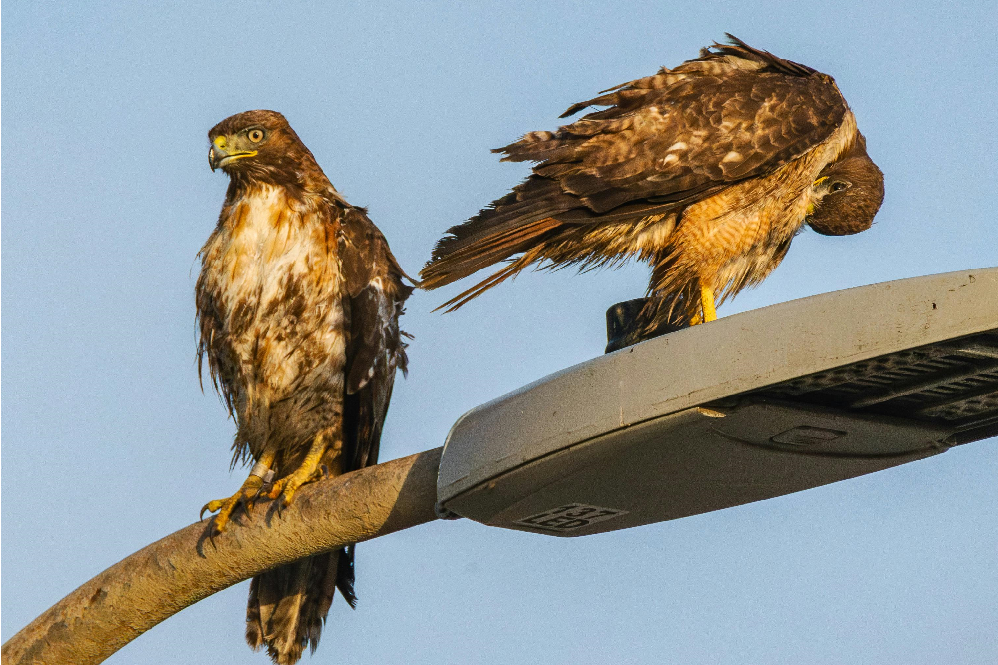
Discover everything about hawks in this detailed guide.Learn about hawk species,habitat,huntingskills,diet,reproduction,symbolism and conservation.
Introduction to Hawk
A hawk is one of the most fascinating and powerful birds in the animal kingdom.Known for its sharp vision,incredible speed and deadly hunting skills,the hawk is often seen as a symbol of power,freedom and focus in many cultures around the world.
The hawk belongs to a group of birds called birds of prey,meaning they hunt and feed on other animals.These birds are highly skilled predators that dominate the skies with precision and intelligence.
In scientific classification,a hawk falls under the family Accipitridae,which also includes eagles,kites and harriers. There are many species of hawks found across the world,each adapted to different environments like forests,deserts,mountains and grasslands.
The hawk plays an important role in maintaining ecological balance by controlling populations of rodents,small mammals and other birds.
Hawk is not just a single bird but a large group of species that share similar hunting abilities,vision power and survival strategies.
Physical Characteristics of Hawks
Hawks are medium sized raptors with strong physical features that make them perfect hunters.
1. Sharp Vision
One of the most powerful traits of hawks is their eyesight.A hawk can see up to 8 times more clearly than humans. This allows them to spot prey from extremely high altitudes.
2. Strong Beak
Hawks have a sharp,curved beak designed for tearing flesh.This beak structure helps them feed efficiently on their prey.
3. Powerful Talons
Their feet are equipped with strong,curved claws called talons.These talons are used to grab,hold and kill prey.
4. Feather Structure
Hawks have broad wings and long tail feathers that allow them to glide smoothly and change direction quickly during flight.
5. Body Size
Depending on the species,hawks can range from small(around 30 cm)to large(up to 60 cm or more in body length).
Habitat and Distribution of Hawks
Hawks are found almost all over the world except Antarctica.They are highly adaptable birds that can survive in a wide variety of environments.
Common Habitats Include
- Forests and woodlands
- Mountains and cliffs
- Grasslands and savannas
- Deserts
- Urban areas and cities
Some hawk species even adapt to human environments and can be seen in parks and farmland areas.
Their nesting sites are usually high places such as tall trees,cliffs or buildings to keep their eggs and chicks safe from predators.
Diet and Feeding Habits of Hawks
Hawks are carnivorous birds,meaning they eat meat.Their diet mainly depends on their size and habitat.
Common Prey Includes
- Small mammals like mice,rabbits and squirrels
- Birds such as pigeons and sparrows
- Reptiles like lizards and snakes
- Insects (for smaller hawk species)
Hunting Technique
Hawks are ambush predators.They usually:
- Perch at a high point or soar in the sky
- Scan the ground using their sharp eyesight
- Dive at high speed toward their prey
- Grab prey using their talons
- Kill and carry the prey away for feeding
This hunting strategy is extremely efficient and gives hawks a high success rate.
Behavior and Intelligence of Hawks
Hawks are not just strong they are also intelligent birds.
1. Territorial Nature
Hawks are highly territorial and protect their hunting grounds aggressively from other birds.
2. Solitary Lifestyle
Most hawks prefer to live and hunt alone rather than in groups.
3. Communication
They communicate using sharp calls and body movements,especially during mating or territorial defense.
4. Learning Ability
Hawks are capable of learning hunting patterns and adapting to changes in their environment.
Reproduction and Life Cycle of Hawks
Hawks reproduce by laying eggs and raising their young in nests.
1. Mating Season
Most hawks mate during spring or early summer depending on the region.
2. Nest Building
They build large nests using sticks,grass and leaves often in tall trees or cliffs.
3. Egg Laying
A female hawk usually lays 1 to 5 eggs per breeding season.
4. Incubation Period
Eggs take around 28 to 35 days to hatch.
5. Raising Chicks
Both parents take care of the chicks,feeding them and protecting them until they can fly.
Young hawks learn hunting skills from their parents before becoming independent.

Types of Hawks
There are many species of hawks,each with unique traits.
1. Red Tailed Hawk
One of the most common hawks in North America,known for its reddish tail.
2. Cooper’s Hawk
A fast and agile bird that hunts other birds.
3. Sharp Shinned Hawk
Small but extremely quick and skilled at hunting in forests.
4. Ferruginous Hawk
One of the largest hawk species, found in open grasslands.
5. Harris’s Hawk
Unique because it hunts in small groups, unlike most hawks.
Hawk in Symbolism and Culture
Hawks have been powerful symbols in many cultures throughout history.
Symbol of Vision
Because of their sharp eyesight, hawks represent clarity, focus, and awareness.
Symbol of Power
Their hunting strength makes them symbols of dominance and leadership.
Spiritual Meaning
In some cultures,hawks are believed to be messengers from the spiritual world.
Modern Symbolism
Today,hawks are often used in logos,sports teams and military symbols to represent strength and precision.
Hawk vs Eagle vs Falcon
Many people confuse hawks with eagles and falcons, but they are different.
Hawk
- Medium sized
- Broad wings
- Forest and open area hunter
Eagle
- Larger and stronger
- More powerful beak and talons
- Hunts bigger prey
Falcon
- Smaller and faster
- Long pointed wings
- High speed aerial hunter
Each bird has unique hunting styles and adaptations.
Importance of Hawks in the Ecosystem
Hawks play a vital role in nature.
1. Pest Control
They help control populations of rodents and insects.
2. Balance of Food Chain
Hawks maintain balance by keeping prey populations in check.
3. Environmental Indicator
Healthy hawk populations indicate a healthy ecosystem.
Without hawks,ecosystems could become unbalanced,leading to overpopulation of certain species.
Threats and Conservation of Hawks
Although hawks are strong predators,they still face threats.
Major Threats:
- Habitat destruction
- Pollution
- Illegal hunting
- Climate change
- Loss of prey species
Conservation Efforts:
- Protected wildlife reserves
- Legal protection laws
- Bird rehabilitation centers
- Public awareness programs
Conservation efforts are essential to protect hawk populations worldwide.
Interesting Facts About Hawks
- Hawks can spot prey from over 100 feet in the air
- Some species can dive at speeds over 150 km/h
- Hawks have excellent memory for hunting locations
- They can live up to 20 years in the wild
- Hawks molt(replace feathers)every year
Hawk and Human Interaction
Humans have had both positive and negative interactions with hawks.
Positive Uses
- Falconry(training birds for hunting)
- Pest control in farms
- Educational wildlife programs
Negative Impact
- Habitat destruction
- Urban expansion
- Poisoning from pesticides
Despite challenges,hawks continue to adapt to human environments.
FAQs About Hawk
1. Is a hawk a bird or an animal?
A hawk is a bird,specifically a bird of prey.
2. What do hawks eat?
Hawks eat small animals like mice,birds,reptiles and insects.
3. Are hawks dangerous to humans?
No,hawks are not dangerous to humans unless threatened.
4. Where do hawks live?
They live in forests,grasslands,mountains,deserts and sometimes cities.
5. How long do hawks live?
Hawks can live between 10 to 20 years in the wild.
[…] are not just ornamental birds they play an important role in ecosystems and biodiversity.In this detailed guide,we will explore […]