
 By Muntaha farid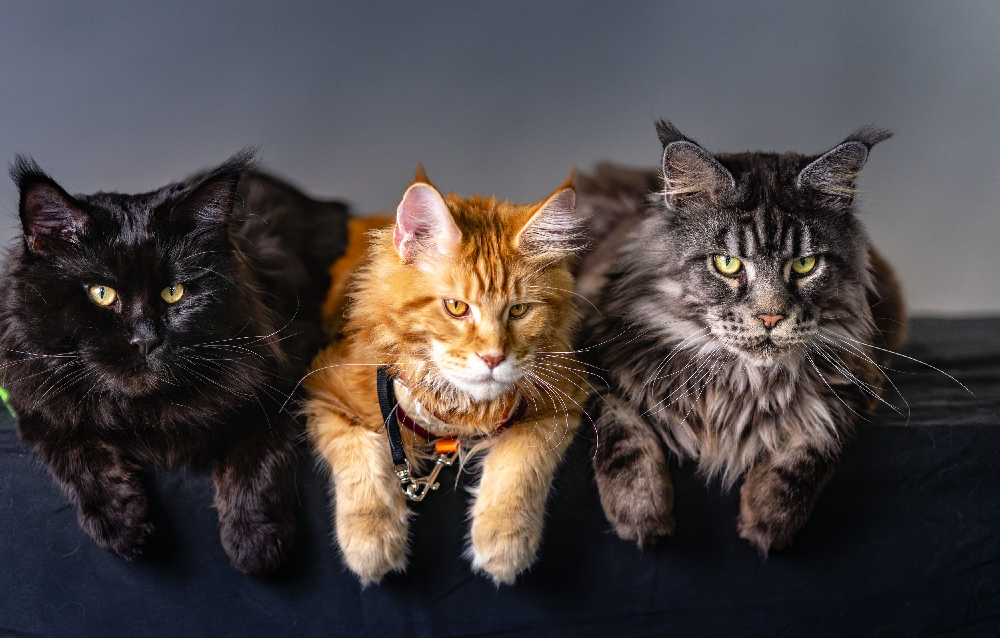
Find the best indoor cat breeds for families and apartments. Compare personalities, grooming needs, and essential pet care tips before adopting.
Best Indoor Cat Breeds: Top 15 Family Cats
Cats have become one of the world’s most popular pets because they are affectionate, intelligent, and relatively easy to care for. While many cats enjoy exploring the outdoors, keeping a cat indoors is often the safest and healthiest option. Indoor cats are protected from traffic, predators, harsh weather, and many contagious diseases, allowing them to live longer and healthier lives.
However, not every cat breed is equally suited for indoor living. Some breeds are naturally calm, adaptable, and enjoy spending time with their owners, making them excellent companions for apartments and family homes. Choosing the right breed is the first step toward creating a happy environment for both you and your feline friend.
This guide explores the best indoor cat breeds, their personalities, grooming requirements, health considerations, and essential pet care tips. Whether you are adopting your first kitten or looking for a gentle companion for your family, this article will help you make an informed decision.
Why Choose an Indoor Cat?
Keeping your cat indoors offers many benefits that improve both safety and quality of life. Indoor cats generally live much longer than outdoor cats because they face fewer dangers.
Benefits of indoor living include:
- Lower risk of accidents
- Protection from infectious diseases
- Reduced exposure to parasites
- Longer lifespan
- Easier health monitoring
- Stronger bond with owners
- Cleaner living environment
Although indoor cats are safer, they still need daily exercise, mental stimulation, and proper pet care to remain healthy and active.
What Makes a Great Indoor Cat Breed?
The ideal indoor cat has a calm personality, enjoys human companionship, adapts well to limited space, and doesn’t require constant outdoor exploration.
When selecting a cat breed, consider:
- Temperament
- Energy level
- Grooming needs
- Health concerns
- Compatibility with children
- Compatibility with other pets
- Apartment friendliness
Choosing a breed that matches your lifestyle helps ensure a rewarding relationship for many years.
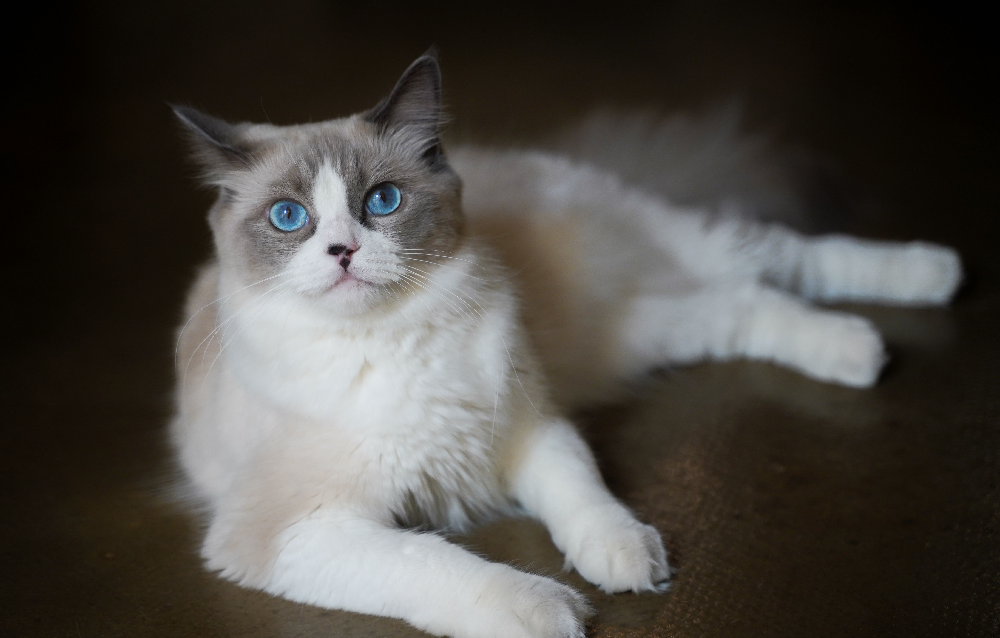
1. Ragdoll
The Ragdoll is widely regarded as one of the best indoor cat breeds because of its affectionate and relaxed personality. These beautiful cats are famous for going limp when picked up, which is how they earned their name.
Personality
Ragdolls are gentle, loving, and incredibly people-oriented. They enjoy following their owners from room to room and love spending time with family members. They are rarely aggressive and usually get along well with children and other pets.
Grooming
Although they have long, silky coats, Ragdolls require brushing only two or three times each week to prevent tangles and remove loose hair.
Exercise Needs
Daily interactive play with feather toys, puzzle feeders, or laser toys helps maintain a healthy weight.
Why They’re Great Indoors
- Calm personality
- Quiet temperament
- Excellent family companion
- Easy to train
- Loves human interaction
2. British Shorthair
The British Shorthair is one of the oldest and most popular cat breeds. Its round face, dense plush coat, and calm nature make it an excellent indoor companion.
Personality
British Shorthairs are independent but affectionate. They enjoy spending time near their owners without demanding constant attention.
Grooming
Weekly brushing is usually enough to maintain their thick coat.
Exercise
Although they enjoy relaxing, they benefit from short daily play sessions to prevent obesity.
Why They’re Great Indoors
- Quiet
- Low maintenance
- Adaptable
- Ideal for apartments
- Great for working professionals
3. Persian Cat
The Persian is famous for its luxurious coat and sweet personality. This elegant cat breed prefers peaceful indoor environments where it can relax comfortably.
Personality
Persian cats are gentle, affectionate, and calm. They enjoy quiet homes and consistent routines.
Grooming
Their long fur requires daily brushing to prevent knots and matting. Regular eye cleaning is also necessary because Persians commonly experience tear staining.
Exercise
Persians are not highly active but should still enjoy gentle daily play to maintain muscle tone.
Why They’re Great Indoors
- Extremely calm
- Quiet nature
- Affectionate
- Perfect lap cat
- Excellent for peaceful homes
Proper pet care, including regular grooming and routine veterinary visits, helps Persian cats remain healthy and comfortable.
4. Scottish Fold
Recognizable by their adorable folded ears, Scottish Folds are affectionate companions that adapt exceptionally well to indoor living.
Personality
Scottish Folds are playful without being overly energetic. They enjoy spending time with people and often become deeply attached to their families.
Grooming
Short-haired varieties require weekly brushing, while long-haired Scottish Folds need brushing several times each week.
Exercise
Interactive toys and climbing furniture keep them mentally stimulated.
Why They’re Great Indoors
- Friendly
- Gentle
- Adaptable
- Quiet
- Good with children
5. Russian Blue
The Russian Blue is admired for its striking silver-blue coat and bright green eyes. Beyond its beautiful appearance, this breed is known for its intelligence and loyalty.
Personality
Russian Blues tend to be reserved with strangers but form incredibly close bonds with their owners. They enjoy calm households and predictable routines.
Grooming
Their plush double coat requires only weekly brushing.
Exercise
Puzzle toys and interactive games help satisfy their intelligent minds.
Why They’re Great Indoors
- Quiet personality
- Low grooming needs
- Intelligent
- Loyal
- Apartment friendly
Providing a scratching post, a climbing tree, and regular playtime is an important part of responsible pet care for this intelligent breed.
6. Maine Coon
The Maine Coon is one of the largest domestic cat breeds, but don’t let its impressive size fool you. Often called the “gentle giant” this cat breed is affectionate, intelligent, and surprisingly adaptable to indoor living.
Personality
Maine Coons are friendly, playful, and highly social. They enjoy spending time with family members and usually get along well with children, dogs, and other cats. Unlike many breeds, they remain playful well into adulthood.
Grooming
Their long, thick coat should be brushed two or three times a week to prevent tangles and reduce shedding.
Exercise
Maine Coons love climbing cat trees, chasing toys, and solving puzzle feeders. Providing vertical spaces helps satisfy their natural curiosity.
Why They’re Great Indoors
- Friendly and gentle
- Excellent with children
- Highly intelligent
- Easy to train
- Adapt well to family life.
7. Burmese
The Burmese is one of the most affectionate cat breeds available. These cats crave human interaction and are happiest when they are part of everyday family activities.
Personality
Burmese cats are energetic, playful, and extremely loving. They often follow their owners around the house and enjoy being the center of attention.
Grooming
Their short, silky coat requires very little maintenance. Weekly brushing keeps their fur healthy and shiny.
Exercise
Interactive toys, climbing shelves, and daily play sessions help burn their energy.
Why They’re Great Indoors
- Very affectionate
- Family-friendly
- Minimal grooming
- Highly social
- Intelligent and curious
8. Siamese
The Siamese is one of the most recognizable and vocal cat breeds. Known for their striking blue eyes and elegant appearance, these cats build strong bonds with their owners.
Personality
Siamese cats are talkative, intelligent, and affectionate. They enjoy interactive games and love communicating with their families through a variety of vocal sounds.
Grooming
Their short coat requires only occasional brushing.
Exercise
Because they are active and curious, Siamese cats need plenty of toys, climbing trees, and puzzle games.
Why They’re Great Indoors
- Extremely intelligent
- Loyal companion
- Easy coat maintenance
- Loves family interaction
9. Birman
The Birman is a beautiful long-haired cat breed with striking blue eyes and soft, silky fur. They combine the affectionate nature of a Ragdoll with the curiosity of a Siamese.
Personality
Birmans are calm, gentle, and friendly. They enjoy attention without becoming overly demanding.
Grooming
Brush their coat two or three times each week to prevent tangles.
Exercise
Short daily play sessions and interactive toys keep them mentally stimulated.
Why They’re Great Indoors
- Calm temperament
- Friendly with children
- Adaptable
- Quiet personality
10. Exotic Shorthair
Often called the “short-haired Persian,” the Exotic Shorthair offers the sweet personality of a Persian without the high-maintenance coat.
Personality
These cats are affectionate, relaxed, and easygoing. They enjoy cuddling and spending quiet evenings with their owners.
Grooming
Weekly brushing is usually enough to maintain their plush coat.
Exercise
Moderate daily play helps prevent weight gain.
Why They’re Great Indoors
- Low-maintenance grooming
- Calm personality
- Ideal for apartments
- Great for first-time owners
11. American Shorthair
The American Shorthair is a healthy, adaptable, and easy-to-care-for breed that fits well into almost any household.
Personality
These cats are friendly, independent, and playful without being overly demanding.
Grooming
Their short coat only requires weekly brushing.
Exercise
Interactive toys and climbing towers provide sufficient daily activity.
Why They’re Great Indoors
- Excellent health
- Friendly temperament
- Low grooming needs
- Long lifespan
12. Sphynx
The Sphynx is famous for its nearly hairless appearance and affectionate personality. Despite lacking fur, they are incredibly warm and love cuddling with their owners.
Personality
Sphynx cats are outgoing, playful, and energetic. They thrive on attention and enjoy meeting new people.
Grooming
Although they have no fur, they require regular baths to remove natural skin oils.
Exercise
Daily play sessions help satisfy their energetic personalities.
Why They’re Great Indoors
- Loves human companionship
- Highly social
- Unique appearance
- Intelligent and playful
13. Devon Rex
The Devon Rex has large ears, curly fur, and an energetic personality that makes it a favorite among cat lovers.
Personality
These cats are playful, mischievous, and affectionate. They love climbing and exploring their surroundings.
Grooming
Minimal brushing is needed because of their soft, curly coat.
Exercise
Provide cat trees, tunnels, and puzzle toys to keep them entertained.
Why They’re Great Indoors
- Intelligent
- Entertaining personality
- Low shedding
- Strong family bond
14. Chartreux
The Chartreux is a quiet French breed known for its muscular body, blue-gray coat, and calm personality.
Personality
Chartreux cats are loyal, gentle, and observant. They enjoy spending time with their owners but are not overly demanding.
Grooming
Weekly brushing keeps their thick coat in excellent condition.
Why They’re Great Indoors
- Quiet
- Loyal
- Adaptable
- Low maintenance
15. Himalayan
The Himalayan combines the luxurious beauty of the Persian with the striking color points of the Siamese.
Personality
These cats are affectionate, gentle, and relaxed. They enjoy calm indoor environments and regular companionship.
Grooming
Daily brushing is essential to keep their long coat healthy and free from mats.
Why They’re Great Indoors
- Beautiful appearance
- Loving temperament
- Calm personality
- Excellent lap cat
How to Choose the Right Indoor Cat Breed
Before adopting a cat, consider your lifestyle and living space. The best cat breed for one person may not be the best choice for another.
Ask yourself these questions:
- Do you live in an apartment or a large house?
- How much time can you spend with your cat each day?
- Do you have children or other pets?
- Are you prepared for daily grooming if needed?
- Do you prefer an active or relaxed companion?
Matching a cat’s personality with your lifestyle creates a happier experience for both you and your pet.
Essential Pet Care Tips for Indoor Cats
Providing excellent pet care is just as important as choosing the right breed. Indoor cats depend on their owners for everything they need to stay healthy and happy.
Feed a Balanced Diet
Choose high-quality cat food that matches your cat’s age, weight, and activity level. Fresh water should always be available.
Encourage Daily Exercise
Spend at least 15 to 20 minutes each day playing with your cat. Wand toys, laser pointers, and interactive games help prevent obesity.
Provide Mental Stimulation
Cat trees, scratching posts, tunnels, puzzle feeders, and window perches keep indoor cats entertained and reduce boredom.
Maintain Grooming
Brush your cat regularly based on its coat type. Trim nails every few weeks and clean ears when necessary.
Schedule Regular Vet Visits
Annual checkups, vaccinations, parasite prevention, and dental care are essential parts of responsible pet care.
Common Health Problems in Indoor Cats
Even the healthiest cat breed can develop medical issues over time. Regular veterinary checkups, a nutritious diet, and proper pet care can help prevent many common health problems and ensure your cat enjoys a long, happy life.
Obesity
Obesity is one of the most common health concerns in indoor cats because they typically burn fewer calories than outdoor cats. Excess weight can increase the risk of diabetes, arthritis, and heart disease.
Prevention Tips:
- Measure food portions carefully.
- Avoid overfeeding treats.
- Encourage daily play and exercise.
- Use puzzle feeders to make mealtime more active.
Dental Disease
Poor dental hygiene can lead to plaque buildup, gum disease, and painful tooth infections.
Prevention Tips:
- Brush your cat’s teeth regularly with cat-safe toothpaste.
- Offer dental treats recommended by your veterinarian.
- Schedule professional dental cleanings when needed.
Hairballs
Long-haired breeds such as Persians, Ragdolls, and Himalayans may swallow loose fur while grooming, leading to hairballs.
Prevention Tips:
- Brush your cat regularly.
- Provide fresh drinking water.
- Feed a balanced diet that supports healthy digestion.
Urinary Tract Problems
Cats that drink too little water may be at greater risk of urinary tract issues.
Prevention Tips:
- Always provide fresh water.
- Consider a cat water fountain to encourage drinking.
- Feed moisture-rich wet food alongside dry food if recommended by your veterinarian.
Feeding Guide for Indoor Cats
A healthy diet is one of the most important aspects of pet care. Indoor cats require complete and balanced nutrition to maintain a healthy weight, strong muscles, and a shiny coat.
Choose High-Quality Food
Look for cat food that lists real meat as the first ingredient. Quality protein supports healthy muscles and provides essential nutrients.
Feed According to Age
Different life stages require different nutrition.
- Kittens need extra protein and calories for growth.
- Adult cats require balanced nutrition to maintain overall health.
- Senior Cats: Often benefit from diets that support joints and kidney health.
Avoid Overfeeding
Free-feeding can lead to weight gain. Follow the feeding guidelines on your cat food packaging and adjust portions based on your veterinarian’s advice.
Keep Water Available
Cats often don’t drink enough water. Clean bowls daily and consider using a water fountain to encourage hydration.
Grooming Tips for Indoor Cats
Proper grooming keeps your cat comfortable and helps you spot potential health issues early.
Brush Regularly
- Long-haired breeds Brush every day or at least three to four times per week.
- Short-haired breeds Brush once or twice weekly.
Trim Nails
Trim your cat’s nails every two to four weeks to prevent overgrowth and protect your furniture.
Clean Ears
Check ears regularly for dirt, wax buildup, or unusual odors. Clean only when necessary, using products recommended by your veterinarian.
Check Eyes
Some breeds, especially Persians and Himalayans, require gentle daily eye cleaning to prevent tear stains.
Creating the Perfect Indoor Environment
Indoor cats need more than food and water. They also require an enriching environment that satisfies their instincts.
Here are a few simple ways to keep your cat happy indoors:
- Install a sturdy cat tree for climbing.
- Provide scratching posts in different rooms.
- Rotate toys regularly to prevent boredom.
- Place a comfortable bed in a quiet area.
- Create window perches for bird watching.
- Spend quality time playing with your cat every day.
Mental stimulation is just as important as physical exercise. Interactive play helps reduce stress, prevents destructive behavior, and strengthens the bond between you and your feline companion.
Conclusion
Choosing the best indoor cat breeds is about finding a companion whose personality, activity level, and grooming needs match your lifestyle. Whether you prefer the affectionate Ragdoll, the calm British Shorthair, the playful Burmese, or the intelligent Siamese, every cat breed has unique qualities that make it special.
While selecting the right breed is important, excellent pet care plays an even bigger role in your cat’s happiness and well-being. A balanced diet, regular veterinary checkups, mental stimulation, exercise, and a safe indoor environment all contribute to a long and healthy life.
With love, patience, and proper care, your indoor cat can become a loyal companion for many years. By understanding your cat’s needs and providing a comfortable home, you’ll enjoy a rewarding relationship filled with affection, companionship, and unforgettable moments.
Frequently Asked Questions
What is the best indoor cat breed for first-time owners?
The Ragdoll, British Shorthair, American Shorthair, and exotic shorthair are excellent choices because they are friendly, adaptable, and relatively easy to care for.
Which indoor cat breed sheds the least?
The Sphynx has almost no fur, while the Devon Rex also sheds very little compared to many other breeds.
Are indoor cats healthier than outdoor cats?
Yes, indoor cats generally live longer because they are protected from traffic, predators, parasites, and infectious diseases.
How often should I play with my indoor cat?
Aim for at least 15 to 20 minutes of interactive play every day. Active breeds may enjoy even more playtime.
Can indoor cats become bored?
Yes, without toys, climbing furniture, scratching posts, and interaction, indoor cats can become bored. Providing enrichment is an essential part of responsible pet care.
[…] Existing medical conditions […]