
 By Muntaha farid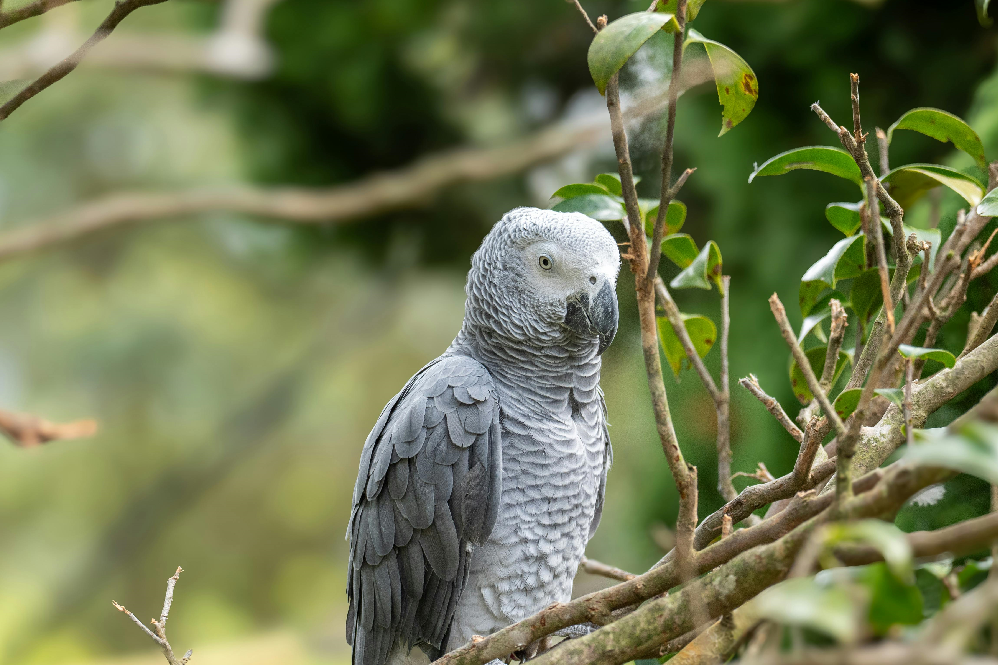
Learn everything about the African Grey Parrot including care,diet,intelligence,lifespan and training.A complete guide for pet owners and bird lovers.
Introduction
The African Grey Parrot is often called the“Einstein of the bird world”and that’s not an exaggeration.Known for its extraordinary intelligence,emotional sensitivity and unmatched talking ability,this parrot stands out as one of the most fascinating companion animals on the planet.But with great intelligence comes great responsibility.Owning an African Grey is not like keeping a typical pet bird it is closer to caring for a highly perceptive,emotionally complex child.
In this detailed guide,you will learn everything about the African Grey Parrot including its classification,behavior,care requirements,diet,training,health concerns and whether it is the right pet for you.
What is an African Grey Parrot?
The African Grey Parrot is a species of parrot native to the rainforests of West and Central Africa.Scientifically classified under the genus Psittacus,this bird is best known for its ability to mimic human speech and understand context.
Classification
- Kingdom Animalia
- Phylum Chordata
- Class Aves (Birds)
- Order Psittaciformes
- Family Psittacidae
Types of African Grey Parrots
There are two recognized subspecies:
1. Congo African Grey Parrot(Psittacus erithacus)
- Larger size
- Light grey feathers
- Bright red tail
- More commonly found in the pet trade
2. Timneh African Grey Parrot(Psittacus timneh)
- Smaller and darker
- Maroon tail
- More independent personality
- Often considered slightly easier to handle
Both types share similar intelligence levels,though their personalities may vary slightly.
Are African Grey Parrots Birds,Animals or Pets?
This is a common question,especially for beginners.
- Bird Yes they belong to the class Aves.
- Animal Yes,all birds are animals.
- Pet Yes,when kept in homes with proper care.
So,an African Grey Parrot is simultaneously a bird,an animal and a pet.
Intelligence: Why African Grey Parrots Are So Special
The African Grey Parrot is widely regarded as the most intelligent bird species.Studies have shown that their cognitive abilities are comparable to a young human child (around 4 to 6 years old).
Key Cognitive Abilities
- Speech Mimicry They can learn hundreds even thousands of words.
- Context Understanding Unlike many birds,they don’t just repeat they understand meaning.
- Problem Solving They can solve puzzles and use logic.
- Memory Excellent long term memory.
- Emotional Awareness They can sense human emotions and respond accordingly.
A famous African Grey named Alex demonstrated the ability to count,identify colors and even express frustration or boredom something rarely seen in animals.
Physical Characteristics
African Grey Parrots have a distinct and elegant appearance.
- Length 12 to 14 inches (30 to 35 cm)
- Weight 400 to 600 grams
- Wingspan Approximately 18 to 20 inches
- Lifespan 40 to 60 years(some live over 70 years)
Appearance Details
- Smooth grey feathers with scalloped patterns
- Bright red(Congo)or maroon(Timneh)tail
- Strong black beak
- Pale yellow or light colored eyes
Their beauty lies in their simplicity no flashy colors but a dignified,intelligent look.
Natural Habitat and Behavior
In the wild, African Grey Parrots live in:
- Dense rainforests
- Woodland edges
- Mangrove forests
Natural Behavior
- Live in large flocks
- Communicate constantly using calls
- Fly long distances daily
- Nest in tree cavities
They are highly social birds that rely on group interaction for survival.This social nature is one reason they require so much attention in captivity.

Diet and Nutrition A Complete Guide
A proper diet is critical for the health and longevity of your African Grey Parrot.
Ideal Diet Composition
- 60 to 70% High Quality Pellets
- 20 to 30% Fresh Fruits and Vegetables
- 5 to 10% Nuts and Seeds
Recommended Foods
Fruits
- Apples(without seeds)
- Bananas
- Mangoes
- Papaya
- Berries
Vegetables
- Carrots
- Spinach
- Kale
- Broccoli
- Bell peppers
Protein Sources
- Cooked beans
- Lentils
- Small amounts of boiled egg
Foods to Avoid
- Chocolate(toxic)
- Avocado(fatal)
- Caffeine
- Alcohol
- Onion and garlic
- Salty or sugary processed foods
Calcium Needs
African Greys are prone to calcium deficiency,so include:
- Cuttlebone
- Calcium supplements(if recommended by a vet)
- Leafy greens
Housing and Environment
Creating the right environment is essential for your parrot’s well being.
Cage Requirements
- Minimum size: 24″ x 24″ x 36″(larger is better)
- Horizontal bars for climbing
- Non toxic materials
- Easy to clean
Cage Setup
- Multiple perches(natural wood preferred)
- Food and water bowls
- Toys for mental stimulation
- Chewing materials
Environmental Needs
- Temperature: 18 to 29°C (65 to 85°F)
- Avoid direct sunlight for long periods
- No exposure to fumes(like cooking gas or sprays)
Out-of-Cage Time
African Greys need 3 to 5 hours daily outside the cage for:
- Exercise
- Social interaction
- Mental stimulation
Personality and Emotional Needs
African Grey Parrots are emotionally complex creatures.
Personality Traits
- Highly intelligent
- Sensitive
- Loyal
- Sometimes shy or cautious
They often form a strong bond with one person but can also learn to interact with others.
Emotional Needs
- Daily interaction
- Mental stimulation
- Consistency in routine
- Gentle handling
Behavioral Issues(if neglected)
- Feather plucking
- Screaming
- Aggression
- Depression
These issues often arise from boredom or lack of attention.
Training and Mental Stimulation
Training is essential for an African Grey’s happiness.
Training Techniques
- Positive reinforcement(treats,praise)
- Repetition and consistency
- Short sessions(10 to 15 minutes)
Basic Commands
- Step up
- Step down
- Come here
Mental Enrichment Activities
- Puzzle toys
- Foraging games
- Talking sessions
- Music and interaction
Without stimulation,their intelligence can become a problem rather than a gift.
Health and Veterinary Care
African Grey Parrots require regular health monitoring.
Common Health Issues
- Calcium Deficiency(Hypocalcemia)
- Feather Plucking
- Respiratory Infections
- Obesity
- Vitamin A Deficiency
Signs of Illness
- Loss of appetite
- Fluffed feathers
- Lethargy
- Breathing issues
Preventive Care
- Regular vet checkups
- Clean cage environment
- Balanced diet
- Fresh water daily
Lifespan and Long Term Commitment
Owning an African Grey Parrot is a lifetime commitment.
- Average lifespan 40 to 60 years
- Some live up to 70 to 80 years
Important Consideration
You may need to:
- Include them in your will
- Plan for their care after your lifetime
This is not a short term pet it’s a lifelong companion.
Pros and Cons of Owning an African Grey Parrot
Pros
- Exceptional intelligence
- Excellent talking ability
- Deep emotional bonding
- Long lifespan
Cons
- Requires constant attention
- Can be noisy
- Expensive to maintain
- Emotionally demanding
- Prone to stress
Is the African Grey Parrot Right for You?
Before adopting,ask yourself:
- Do I have 3 to 5 hours daily for interaction?
- Can I afford long term care?
- Am I patient enough for training?
- Can I handle a highly intelligent animal?
If your answer is yes,then an African Grey Parrot can be an incredibly rewarding companion.
FAQs About African Grey Parrots
1. Do African Grey Parrots talk a lot?
Yes,they are among the best talking birds and can learn a large vocabulary.
2. Are they beginner friendly pets?
No,they are better suited for experienced or highly committed owners.
3. How long do they live?
Typically 40 to 60 years sometimes longer.
4. Can they live alone?
They can, but they require daily human interaction to stay mentally healthy.
5. Are they noisy?
They can be especially when bored or seeking attention.
[…] Budgerigar is a small parrot species.It belongs to a group of birds known for their intelligence,curved beaks and ability to mimic […]