
 By Muntaha farid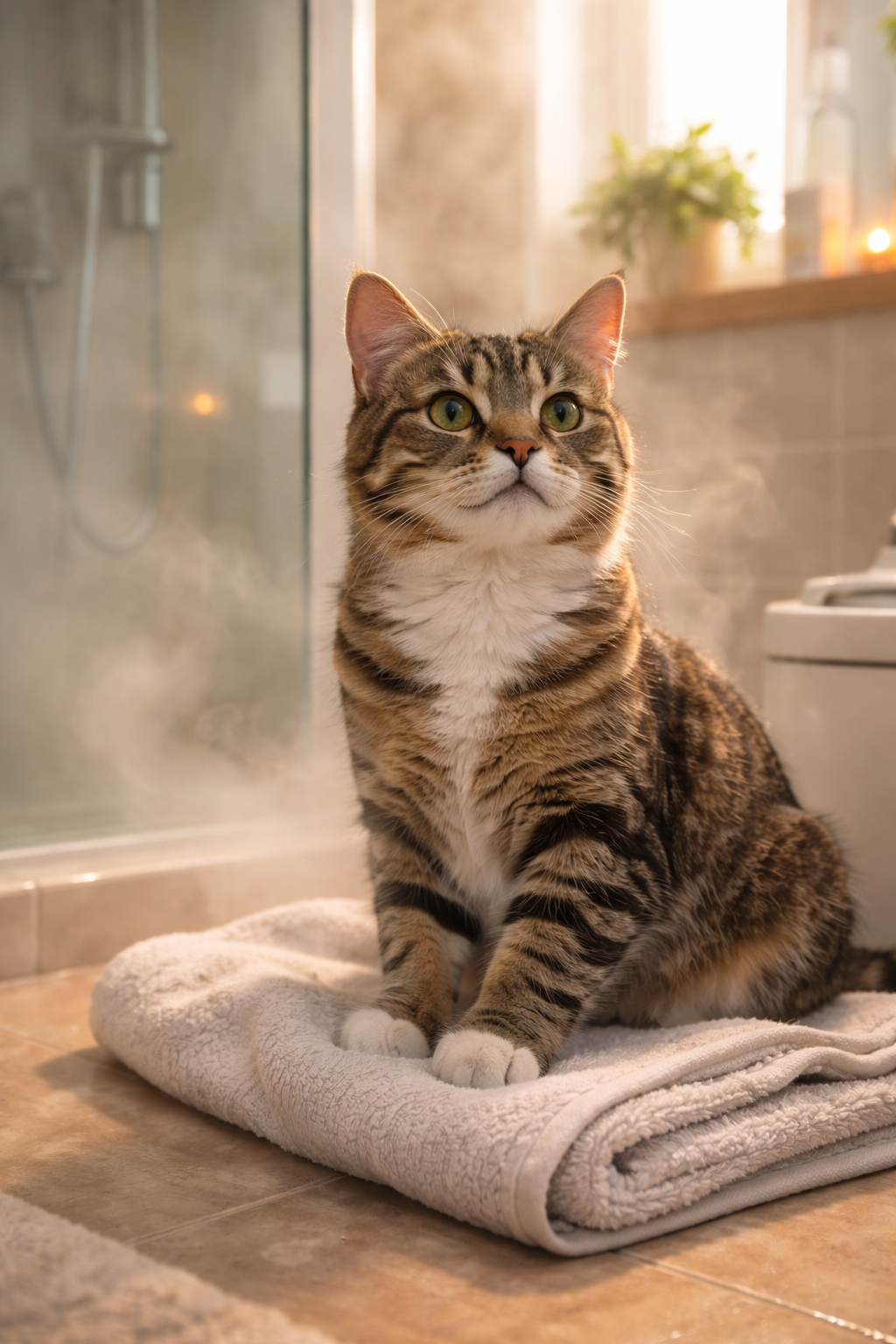
Discover the best cat sneezing home treatment methods. Learn causes,symptoms and 7 proven remedies to help your cat breathe better naturally and recover fast.
Introduction
If your cat has started sneezing more than usual it’s completely natural to feel concerned.As a pet owner, even small changes in your cat’s behavior can be worrying especially when it comes to health.Sneezing may seem minor at first,when it happens frequently,it often signals that something is irritating your cat’s respiratory system.
The good news is that not every case of sneezing requires medication or a rushed visit to the vet.In fact, many mild cases can be handled safely at home using effective cat sneezing home treatment methods.These treatments are simple,natural and focused on improving your cat’s comfort while supporting recovery.
Cats are extremely sensitive to their environment.Dust,dry air,strong smells and even small allergens can trigger sneezing.Sometimes, it may be due to a mild infection like a cat cold.In such situations, using the right cat sneezing home treatment can help relieve symptoms quickly and prevent the condition from getting worse.
In this complete and detailed guide you’ll learn everything you need to know about cat sneezing home treatment,including the causes,warning signs,proven remedies,prevention tips and expert advice to keep your cat healthy and happy.

Why Is My Cat Sneezing? (Detailed Explanation)
Before starting any cat sneezing home treatment understanding the root cause is essential.Sneezing is your cat’s natural reflex to remove irritants from the nasal passages. However,repeated cat sneezing usually means there is an ongoing issue.
Most Common Causes of Cat Sneezing
1. Environmental Irritants
Dust,dirt,smoke and strong household chemicals can irritate your cat’s nose.Even something as simple as scented candles or air fresheners can trigger sneezing.
2. Allergies
Cats can develop allergies just like humans. Common allergens include:
- Pollen
- Mold
- Perfumes
- Cleaning sprays
Allergy related sneezing often requires long-term cat sneezing home treatment strategies.
3. Upper Respiratory Infections (Cat Cold)
A mild viral or bacterial infection can cause sneezing along with other symptoms like a runny nose or watery eyes.
4. Dry Air
Indoor air,especially during winter or due to air conditioning, can dry out nasal passages and cause irritation.
5. Foreign Objects
Tiny particles like grass, dust or litter can get stuck in your cat’s nose,triggering sneezing.
6. Dental Problems
In some cases,infections in the teeth can affect the sinuses and lead to sneezing.
Understanding these causes helps you choose the most effective cat sneezing home treatment.
When Should You Be Concerned?
While many cases can be treated with cat sneezing home treatment some symptoms should never be ignored.
Serious Warning Signs
- Sneezing lasting more than 3–5 days
- Thick yellow or green nasal discharge
- Swollen or watery eyes
- Fever or warm ears
- Loss of appetite
- Lethargy or weakness
- Difficulty breathing
If your cat shows these signs do not rely only on home treatment seek veterinary care immediately.
7 Powerful Cat Sneezing Home Treatment Remedies
Now let’s explore the most effective and proven cat sneezing home treatment methods that you can safely use at home.
1. Steam Therapy (Highly Effective)
Steam therapy is one of the best natural cat sneezing home treatment solutions.
Why It Works
Steam moisturizes nasal passages,loosens mucus and reduces congestion.
How to Do It
- Turn on a hot shower
- Let the bathroom fill with steam
- Sit with your cat for 10 to 15 minutes
Pro Tip
Repeat 1 to 2 times daily for best results.
2. Use a Humidifier
A humidifier is a long term cat sneezing home treatment solution.
Benefits
- Prevents dryness
- Keeps nasal passages moist
- Reduces irritation
Place it near your cat’s sleeping area for continuous support.
3. Keep Your Home Clean and Dust-Free
Cleanliness plays a major role in cat sneezing home treatment.
What to Do
- Vacuum regularly
- Use dust free litter
- Avoid harsh cleaning chemicals
A clean home significantly reduces sneezing triggers.
4. Clean Your Cat’s Nose Gently
If your cat has discharge,gentle cleaning helps.
Steps
- Use a warm, damp cloth
- Gently wipe the nose
- Repeat daily
This simple cat sneezing home treatment improves comfort instantly.
5. Hydration is Key
Water plays a huge role in recovery.
Encourage Hydration
- Fresh clean water
- Wet cat food
- Unsalted broth
Hydration enhances the effectiveness of cat sneezing home treatment.
6. Improve Nutrition
A strong immune system helps your cat fight infections.
Feed Your Cat
- High protein diet
- Essential vitamins
- Avoid cheap processed food
Good nutrition strengthens any cat sneezing home treatment plan.
7. Reduce Allergens
If allergies are causing sneezing,reducing triggers is essential.
Avoid
- Smoke
- Perfumes
- Strong sprays
Use
- Air purifiers
- Natural cleaning products
This is one of the most important long term cat sneezing home treatment strategies.
Cat Sneezing with Other Symptoms (Detailed Guide)
Sneezing + Runny Nose
Likely infection → Use steam + hydration
Sneezing + Watery Eyes
Allergy or virus → Clean eyes + reduce irritants
Sneezing + Not Eating
Serious issue → Vet required
Sneezing Only
Mild irritation → Home treatment works
Special Care:Cat Sneezing Home Treatment for Kittens
Kittens need extra care because their immune system is weaker.
Safe Tips
- Keep them warm
- Use short steam sessions (5 to 10 min)
- Avoid strong exposure
- Monitor closely
Gentle cat sneezing home treatment is best for kittens.
How Long Does Recovery Take?
- Mild cases: 2 to 4 days
- Moderate cases: 5 to 7 days
- Infection: up to 10 days
Consistency is key in any cat sneezing home treatment.
Common Mistakes to Avoid
- Giving human medicine
- Ignoring symptoms
- Using essential oils(toxic)
- Overdoing steam therapy
- Delaying vet care
Avoiding these ensures safe cat sneezing home treatment.
Prevention Tips(Very Important)
Preventing sneezing is easier than treating it.
Daily Habits
- Keep home clean
- Use dust free litter
- Maintain humidity
- Feed quality food
- Avoid stress
These reduce the need for frequent cat sneezing home treatment.
Expert Tips for Faster Recovery
- Start treatment early
- Observe behavior changes
- Keep environment calm
- Maintain hygiene
Early action improves results of cat sneezing home treatment.
FAQs Cat Sneezing Home Treatment
Q1: What is the best cat sneezing home treatment?
Steam therapy,hydration and a clean environment are the most effective.
Q2: Can I treat my cat at home?
Yes,mild cases can be treated with proper care.
Q3: Is sneezing dangerous?
Occasional sneezing is normal,but frequent sneezing needs attention.
Q4: How long does it last?
Usually 2 to 4 days,but infections last longer.
Q5: Can allergies cause sneezing?
Yes,it’s a common reason.
Q6: When should I see a vet?
If symptoms last more than 3 to 5 days or worsen.
Q7: Can kittens be treated at home?
Yes, gently and carefully.
Q8: Can I use human medicine?
No.
Q9: How to prevent sneezing?
Clean environment,proper diet and humidity.
Q10: Does steam therapy really work?
Yes,it’s one of the best natural remedies.
[…] your cat’s blood.They reproduce extremely quickly and their life cycle includes eggs,larvae,pupae,sneezing and adult […]