
 By Muntaha farid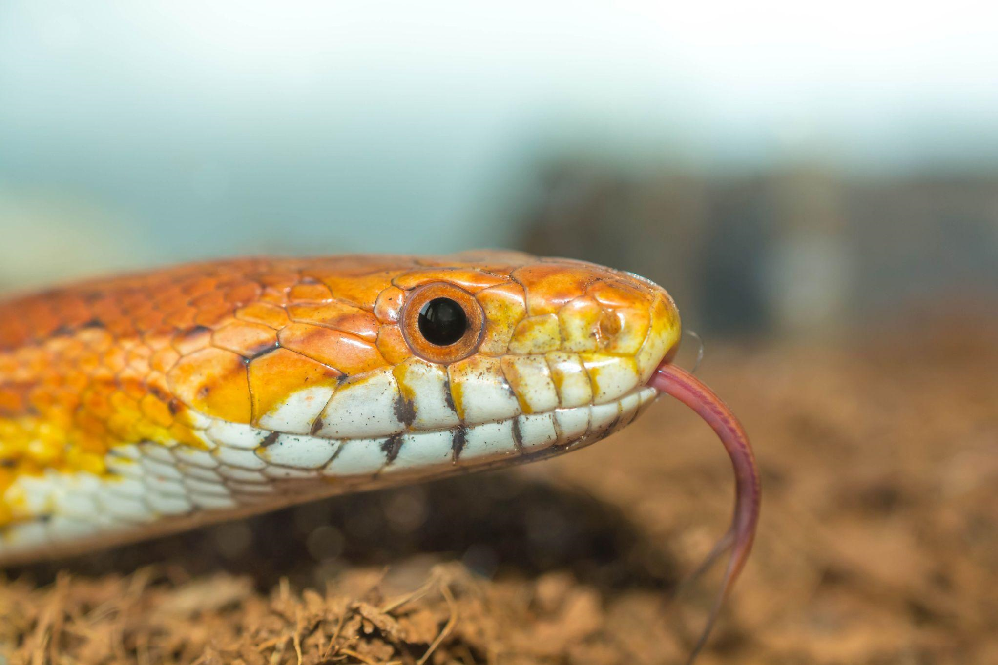
Learn everything about corn snake care,diet,habitat and lifespan.Discover why corn snakes are the best beginner pet snakes in this complete guide.
Introduction to Corn Snake Care
When it comes to beginner friendly reptiles,few species are as popular and easy to manage as the Pantherophis guttatus.Known for its calm temperament,vibrant colors and simple care needs,this species has become a top choice among reptile enthusiasts worldwide.
Understanding proper corn snake care is essential if you want your pet to thrive.These snakes are not just beautiful they are also hardy,adaptable and forgiving of minor mistakes,which makes them ideal for first time owners.In this detailed guide,you will learn everything about corn snake care,including habitat setup,feeding routines,lifespan,behavior and expert tips for beginners.
What Is a Corn Snake?
The Pantherophis guttatus is a non venomous constrictor belonging to the colubrid family.Native to the southeastern United States,it is closely related to rat snakes and plays an important role in controlling rodent populations in the wild.
Corn snakes earned their name either from the maize like pattern on their belly or because they are commonly found near cornfields where rodents are abundant.
Basic Characteristics
- Length: 3 to 5 feet
- Weight: 1 to 2 pounds
- Lifespan: 15 to 20 years (or more with excellent corn snake care)
- Temperament: Gentle and non aggressive
- Activity: Mostly active during dusk and dawn
Their manageable size and calm nature make them one of the best choices for beginners learning corn snake care.
Corn Snake Appearance and Color Variations
Corn snakes are admired for their striking patterns and bright coloration.Their typical appearance includes an orange or brown base color with red blotches outlined in black.Their belly features a distinctive black and white checkerboard pattern.
Popular Morphs
Selective breeding has created a wide range of morphs,including:
- Albino(bright orange and white)
- Snow(white with pink tones)
- Okeetee(bold red and black contrast)
- Lavender(soft purple hues)
- Blood Red(deep red coloration)
These morphs add visual appeal and make corn snakes a favorite among collectors and hobbyists.
Natural Habitat and Behavior
In the wild,corn snakes are found in forests,grasslands,farmlands and abandoned buildings.They are highly adaptable and can survive in a variety of environments.
Behavior Traits
- Excellent climbers
- Skilled burrowers
- Solitary animals
- Non aggressive and shy
Corn snakes are crepuscular,meaning they are most active during early morning and evening.They rely on stealth and constriction rather than venom to capture prey.
Corn Snake Habitat Setup
A proper enclosure is the foundation of good corn snake care.Creating a comfortable and safe environment will help your snake stay healthy and stress free.
Tank Size and Type
- Hatchlings: 10 gallon tank
- Adults: Minimum 20 gallon tank (larger is better)
- Material: Glass terrarium or plastic enclosure
Always use a secure lid, as corn snakes are known escape artists.
Temperature Gradient
Maintaining the correct temperature is critical:
- Warm side: 85°F (29°C)
- Cool side: 70 to 75°F (21 to 24°C)
This gradient allows the snake to regulate its body temperature.
Humidity Levels
- Ideal humidity: 40% to 60%
Too much humidity can cause infections,while too little can lead to shedding problems.
Substrate Options
- Aspen bedding(best choice)
- Coconut fiber
- Paper towels or newspaper
Avoid cedar or pine bedding, as they can be harmful.
Essential Accessories
- At least two hiding spots
- Water dish(large enough for soaking)
- Climbing branches
- Decorative plants
A well designed enclosure is a key part of successful corn snake care.

Corn Snake Diet and Feeding
Feeding is one of the simplest aspects of corn snake care but it must be done correctly.
What Do Corn Snakes Eat?
- Mice (primary food)
- Small rats (for adults)
- Occasional chicks (rare)
Feeding Schedule
- Hatchlings: Every 5 to 7 days
- Juveniles: Every 7 to 10 days
- Adults: Every 10 to 14 days
Feeding Tips
- Use frozen-thawed prey instead of live animals
- Feed prey that is about the same width as the snake’s body
- Feed in a separate container if needed to avoid substrate ingestion
A consistent feeding routine ensures proper growth and health.
Handling and Socialization
Handling is an important part of corn snake care,especially if you want a calm and friendly pet.
Handling Tips
- Handle your snake 2 to 3 times per week
- Always support its body
- Move slowly and calmly
- Avoid sudden movements
Do not handle your snake immediately after feeding,as this can cause regurgitation.
With regular interaction,corn snakes become comfortable and rarely show defensive behavior.
Shedding Process in Corn Snakes
Shedding, also known as ecdysis,is a natural process in corn snake care.
Signs of Shedding
- Cloudy or blue eyes
- Dull skin color
- Reduced appetite
How to Help Your Snake Shed
- Maintain proper humidity
- Provide rough surfaces
- Avoid handling during shedding
A healthy shed should come off in one complete piece. Incomplete shedding may indicate humidity issues.
Corn Snake Lifespan and Long Term Care
One of the most important aspects of corn snake care is understanding their long lifespan.
Average Lifespan
- 15 to 20 years in captivity
- Some may live over 20 years
Factors That Affect Lifespan
- Proper diet
- Clean environment
- Correct temperature and humidity
- Low stress levels
Owning a corn snake is a long-term responsibility,so be prepared for years of care.
Common Health Problems
Although corn snakes are hardy,poor corn snake care can lead to health issues.
Common Issues
- Respiratory infections
- Mites and parasites
- Mouth rot
- Shedding problems
Signs of Illness
- Loss of appetite
- Lethargy
- Wheezing or discharge
- Swelling or discoloration
If you notice any of these symptoms,consult a reptile veterinarian.
Breeding Corn Snakes
Corn snakes are relatively easy to breed in captivity,making them popular among reptile breeders.
Breeding Basics
- Requires a cooling period(brumation)
- Mating occurs in spring
- Females lay 10 to 30 eggs
Egg Care
- Incubation temperature: 80 to 85°F
- Hatching time: 55 to 65 days
Baby corn snakes are independent from birth and begin feeding shortly after hatching.
Corn Snake vs Other Pet Snakes
Corn snakes are often compared to other beginner snakes.
Comparison
- Corn Snake: Easy to care for, active, great for beginners
- Ball Python: Shy, sometimes picky eater
- King Snake: Slightly more aggressive but easy to feed
Corn snakes stand out due to their simplicity and reliability.
Advantages of Corn Snake Care
- Easy to maintain
- Affordable
- Non venomous
- Beautiful morphs
- Beginner friendly
Challenges of Corn Snake Care
- Long lifespan commitment
- Requires temperature control
- Feeding rodents may not suit everyone
- Escape risk if enclosure is not secure
Is a Corn Snake the Right Pet for You?
If you are looking for a low maintenance,fascinating reptile the Pantherophis guttatus is an excellent choice.They are perfect for beginners and still enjoyable for experienced reptile keepers.
However,they are not highly interactive pets.If you prefer animals that show affection like dogs or cats,a snake may not meet your expectations.
Final Thoughts
Mastering corn snake care is not difficult but it does require consistency and attention to detail.From setting up the right habitat to maintaining a proper feeding schedule every aspect plays a role in your snake’s health and happiness.
Corn snakes are among the most rewarding reptiles you can own.With their calm nature,stunning appearance and simple requirements they continue to be one of the best choices for reptile enthusiasts around the world.
FAQs About Corn Snake Care
1. Are corn snakes safe for beginners?
Yes,they are one of the easiest reptiles to care for.
2. How often should I feed my corn snake?
Every 7 to 14 days depending on age and size.
3. Do corn snakes bite?
Rarely and they are harmless.
4. Do corn snakes need special lighting?
UVB is not required but can be beneficial.
5. How big do corn snakes get?
Typically 3 to 5 feet long.