
 By Muntaha farid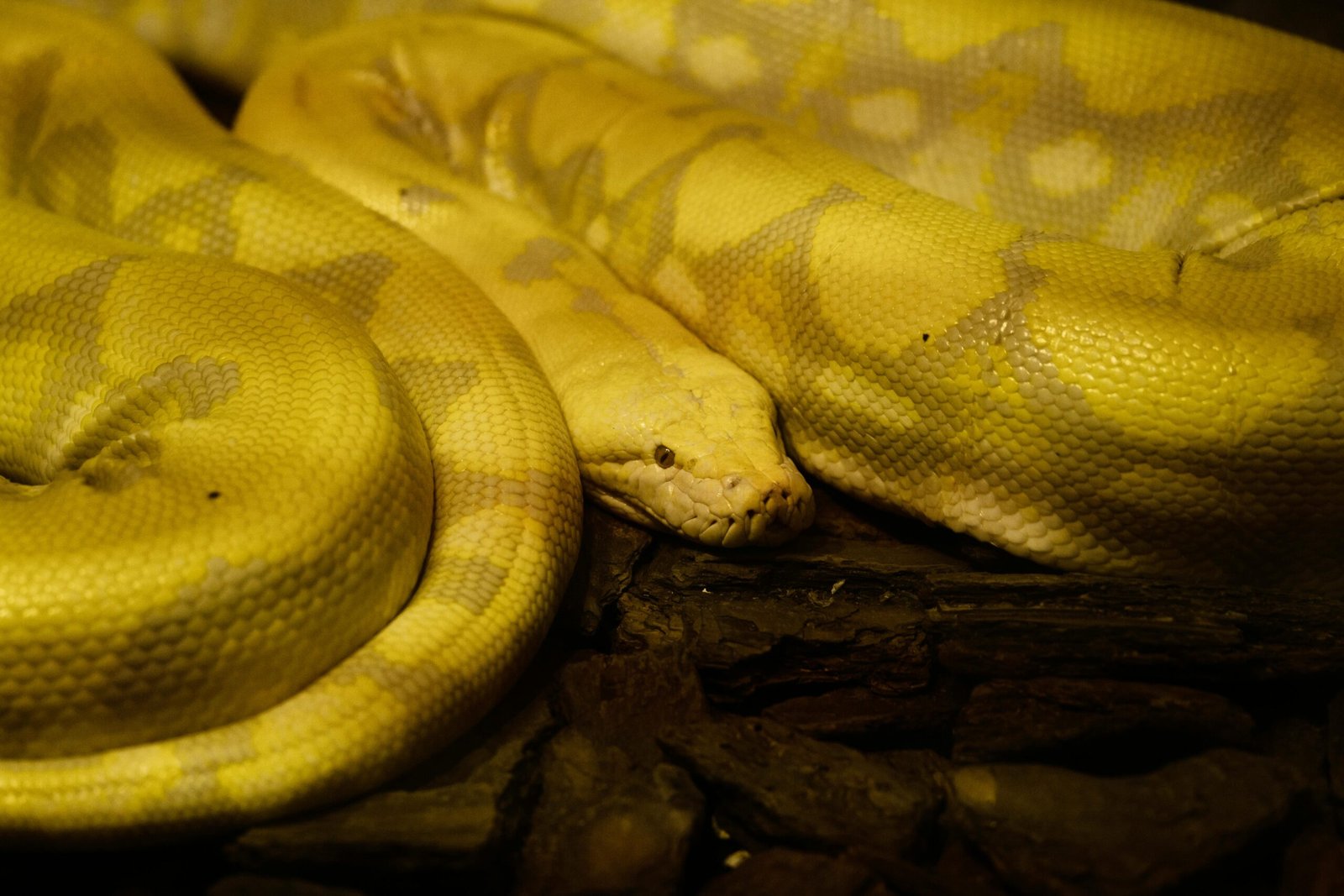
Learn everything about python snake species,habitat,diet,lifespan and care.Discover powerful facts and tips in this complete beginner friendly guide.
Introduction
The term “Python” can refer to two very different things a popular programming language and a fascinating group of snakes.In this blog,we focus on the snake one of the largest and most powerful reptiles in the world.
The python snake belongs to the family Pythonidae a group of non venomous constrictors known for their massive size,strength and impressive hunting skills.Found across Africa,Asia and Australia,pythons are among the most iconic reptiles on Earth.
What Is a Python Snake?
A python is a large, non venomous snake that kills its prey by constriction wrapping its powerful body around the victim and suffocating it.
Key Facts About Python Snakes
- Scientific Family: Pythonidae
- Type: Reptile
- Diet: Carnivorous
- Lifespan: 20 to 30 years (in captivity)
- Habitat: Forests, grasslands, wetlands
- Behavior: Mostly solitary
Pythons are often confused with boas but they belong to different families and have distinct biological traits.
Types of Python Snakes
There are many species of pythons each with unique characteristics.
1. Reticulated Python
The Reticulated python is the longest snake in the world, capable of reaching over 20 feet.
- Found in Southeast Asia
- Known for complex geometric patterns
- Highly powerful constrictor
2. Burmese Python
The Burmese python is one of the most popular pet python species.
- Native to Southeast Asia
- Can grow up to 16 to 20 feet
- Known for calm temperament (in captivity)
3. Ball Python
The Ball python is the most common pet snake in the world.
- Small size (3 to 5 feet)
- Docile and easy to handle
- Rolls into a ball when threatened
4. African Rock Python
The African rock python is one of Africa’s largest snakes.
- Highly aggressive
- Extremely strong
- Found in sub-Saharan Africa
5. Green Tree Python
The Green tree python is known for its bright green color.
- Arboreal (tree dwelling)
- Found in rainforests
- Striking appearance

Physical Characteristics of Python Snakes
Python snakes are known for their powerful bodies and unique features.
Size and Length
- Small species: 3 to 5 feet
- Large species: 20+ feet
The Reticulated python holds the record for the longest snake.
Body Structure
- Thick, muscular body
- Smooth scales
- Flexible jaw for swallowing large prey
Color and Patterns
Pythons have camouflage patterns that help them blend into their surroundings including:
- Brown and tan
- Green(tree species)
- Black markings
Natural Habitat and Distribution
Pythons are found across three continents:
- Africa
- Asia
- Australia
Habitats Include
- Rainforests
- Grasslands
- Swamps
- Rocky areas
Some species are excellent swimmers while others are skilled climbers.
Behavior and Lifestyle
Solitary Nature
Pythons are solitary animals and only come together during mating season.
Activity Patterns
- Mostly nocturnal
- Some are crepuscular(active at dawn/dusk)
Hunting Style
Pythons are ambush predators.They wait patiently for prey and strike quickly.
Diet and Feeding Habits
Pythons are carnivores and eat a wide variety of animals.
Common Diet
- Rodents
- Birds
- Monkeys
- Deer(large pythons)
Feeding Method
- Strike and bite prey
- Wrap body around it(constriction)
- Suffocate prey
- Swallow whole
They can go weeks or even months without eating after a large meal.
How Python Snakes Kill Their Prey
Unlike venomous snakes pythons use constriction.
The Constriction Process
- The snake wraps around prey
- Tightens with each breath
- Stops blood flow and breathing
- Prey dies quickly
This method is highly efficient and energy saving.
Reproduction and Life Cycle
Pythons reproduce by laying eggs.
Reproductive Facts
- Females lay 10 to 100 eggs
- Incubation: 50 to 90 days
- Mothers guard and warm eggs
Some pythons generate heat by contracting muscles to incubate eggs.
Python Snake Lifespan
- Wild: 15 to 20 years
- Captivity: 20 to 30 years
Proper care significantly increases lifespan.
Python Snakes as Pets
Some python species are popular pets especially the Ball python.
Why People Keep Pythons
- Calm temperament(some species)
- Unique appearance
- Long lifespan
Challenges of Keeping a Python
- Large size(for some species)
- Requires special enclosure
- Feeding frozen rodents
- Long-term commitment
Python Snake Habitat Setup (For Pets)
Enclosure Requirements
- Secure tank or enclosure
- Proper ventilation
- Enough space for movement
Temperature and Humidity
- Warm side: 85 to 90°F
- Cool side: 75 to 80°F
- Humidity: 50 to 70%
Essential Items
- Hiding spots
- Water bowl
- Heat source
- Substrate
Common Health Issues
- Respiratory infections
- Parasites
- Shedding problems
- Obesity(in captivity)
Proper care reduces health risks.
Python vs Other Snakes
Python vs Boa
- Python: Lays eggs
- Boa: Gives live birth
Python vs Cobra
- Python: Non venomous
- Cobra: Venomous
Are Python Snakes Dangerous?
Pythons are not venomous but can be dangerous due to their size and strength.
- Small pythons: Generally safe
- Large pythons: Can be risky if mishandled
Attacks on humans are rare but possible.
Role in the Ecosystem
Pythons play an important role by:
- Controlling rodent populations
- Maintaining ecological balance
Fun Facts About Python Snakes
- They can unhinge their jaws
- They sense heat using special pits
- They can survive long periods without food
- Some can swim across rivers
Conservation Status
Some python species are threatened due to:
- Habitat loss
- Illegal pet trade
- Hunting
Conservation efforts are important to protect them.
Final Thoughts
The python snake part of the Pythonidae is one of the most fascinating reptiles in the world.From the massive Reticulated python to the beginner friendly Ball python these snakes showcase incredible diversity.
While they may seem intimidating,pythons are vital to ecosystems and with proper care can even make rewarding pets.Understanding their behavior,habitat and needs is the key to appreciating these powerful reptiles.
FAQs About Python Snakes
1. Are python snakes venomous?
No, they kill prey using constriction.
2. What is the largest python species?
The Reticulated python is the longest.
3. Can pythons be kept as pets?
Yes,smaller species like the Ball python are popular pets.
4. How long do pythons live?
Up to 30 years in captivity.
5. What do pythons eat?
They eat animals like rodents,birds and mammals.
[…] Gila monster is one of the most unique and misunderstood reptiles in the world.Known for its striking black and orange patterned skin and slow deliberate […]