
 By Muntaha farid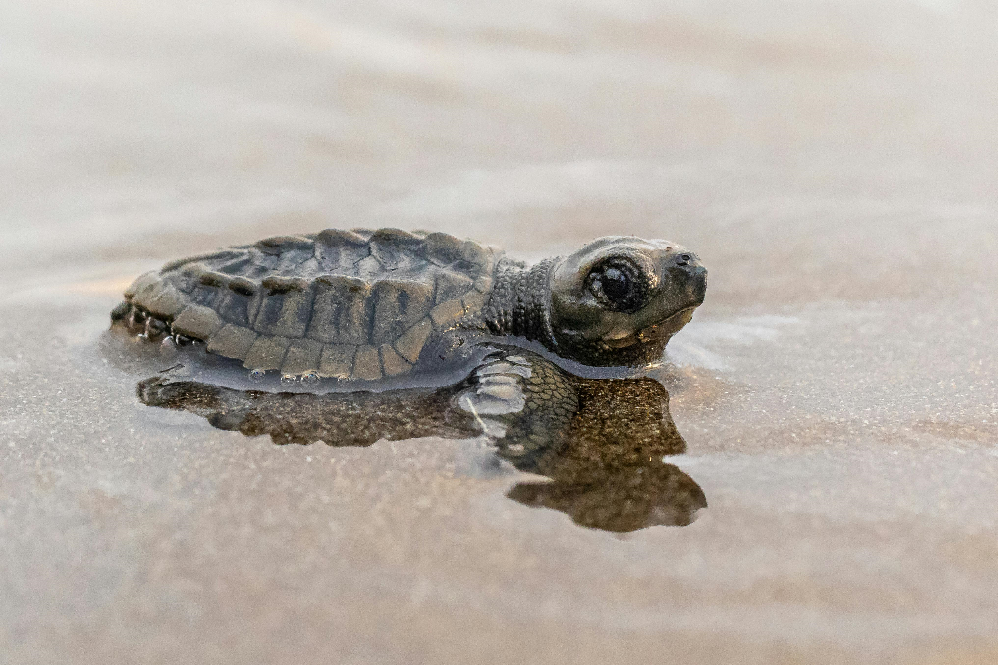
Learn about Olive Ridley sea turtle habitat,diet,nesting (arribada),lifespan and threats.Discover why this species is vital to ocean ecosystems.
Introduction
The Olive Ridley Sea Turtle is one of the most fascinating marine reptiles in the world.Known for its massive synchronized nesting events and incredible ocean migrations this species plays a vital role in maintaining healthy marine ecosystems.
Scientifically known as Lepidochelys olivacea it is one of the smallest and most abundant sea turtles yet it faces serious threats from human activity,climate change and habitat loss.
What Is an Olive Ridley Sea Turtle?
The Olive Ridley sea turtle (Lepidochelys olivacea) is a marine reptile belonging to the family Cheloniidae.It is named for the olive green color of its heart shaped shell.
Despite being one of the most abundant sea turtle species, it is still classified as vulnerable meaning its population is declining in many regions.
Key Facts
- Scientific name: Lepidochelys olivacea
- Average length: 60 to 70 cm
- Weight: 30 to 50 kg
- Lifespan: 50 to 70 years
- Diet: Omnivorous
- Conservation status: Vulnerable
Physical Characteristics
The Olive Ridley sea turtle is small compared to other sea turtles but it has a strong and streamlined body designed for ocean life.
Shell(Carapace)
- Heart shaped
- Olive or grayish green color
- Smooth texture in adults
Head and Limbs
- Relatively small head
- Strong flippers for swimming
- Front flippers are long and paddle-like
Unique Features
- One or two claws on each flipper
- Lightweight shell for fast swimming
- Excellent underwater navigation
Habitat and Distribution
The Olive Ridley sea turtle(Lepidochelys olivacea)is found in warm tropical and subtropical waters around the world.
Main Regions
- Indian Ocean
- Pacific Ocean
- Atlantic Ocean(less common)
Nesting Beaches
They return to specific beaches for nesting, often the same region where they were born.
Some major nesting sites include:
- India(Odisha coast)
- Mexico
- Central America
- West Africa
Ocean Life and Behavior
Olive Ridley sea turtles spend most of their lives in the ocean only coming ashore to nest.
Behavior Traits
- Solitary in ocean waters
- Highly migratory
- Travel thousands of kilometers
- Strong navigational instincts
Migration Patterns
They follow ocean currents and food availability,often traveling between feeding and nesting grounds.

Diet and Feeding Habits
The Olive Ridley sea turtle is omnivorous,meaning it eats both plant and animal matter.
Main Diet Includes
- Jellyfish
- Crustaceans
- Shrimp
- Snails
- Algae
- Small fish
Feeding Behavior
They are opportunistic feeders meaning they eat whatever is available in their environment.
This flexibility helps them survive in different ocean conditions.
Reproduction and Nesting Behavior
One of the most incredible features of the Olive Ridley sea turtle(Lepidochelys olivacea)is its unique nesting behavior known as arribada.
What Is Arribada?
Arribada means “arrival” in Spanish.It refers to the mass nesting event where thousands of female turtles come ashore simultaneously to lay eggs.
Why It Happens
Scientists believe it helps:
- Increase survival rate of hatchlings
- Overwhelm predators
- Synchronize reproduction
Egg Laying Process
- Female digs a hole in the sand
- Lays 80 to 120 eggs per nest
- Covers eggs with sand
- Returns to sea
Incubation Period
- 45 to 60 days depending on temperature
Hatchling Journey
After hatching baby turtles:
- Instinctively move toward the ocean
- Face predators like birds and crabs
- Use moonlight reflection for navigation
Only a small percentage survive to adulthood.
Lifespan of Olive Ridley Sea Turtle
- Average lifespan: 50 to 70 years
- Some may live even longer in the wild
Their long lifespan makes them important for marine ecosystem stability.
Natural Predators
Eggs and Hatchlings
- Birds
- Crabs
- Dogs
- Wild animals
Adults
- Sharks
- Humans(biggest threat)
Adult turtles have fewer predators due to their size and hard shell.
Threats to Olive Ridley Sea Turtles
Despite being widespread, Olive Ridley turtles face many dangers.
1. Plastic Pollution
- Turtles often mistake plastic bags for jellyfish
- Leads to choking and internal injuries
2. Fishing Nets
- Many turtles get trapped in fishing nets (bycatch)
- Causes drowning
3. Coastal Development
- Beaches destroyed for tourism and construction
- Reduces nesting areas
4. Climate Change
- Affects sand temperature
- Impacts hatchling sex ratios(hotter = more females)
5. Illegal Egg Collection
- Eggs are harvested in some regions for food
- Reduces population survival
Conservation Status
The Olive Ridley sea turtle (Lepidochelys olivacea) is listed as Vulnerable by conservation organizations.
Conservation Efforts
- Protected nesting beaches
- Turtle-friendly fishing nets
- Hatchery programs
- International wildlife protection laws
Important Nesting Sites
1. Odisha, India
One of the largest arribada sites in the world.
2. Mexico
Home to important Pacific nesting beaches.
3. Costa Rica
Known for strong conservation efforts.
Role in the Ecosystem
Olive Ridley turtles play a critical role in marine ecosystems.
Ecological Benefits
- Control jellyfish populations
- Maintain ocean food balance
- Transport nutrients between ocean and beaches
Interesting Facts About Olive Ridley Sea Turtles
- They can hold their breath for hours underwater
- Navigate using Earth’s magnetic field
- Return to the same nesting beach where they were born
- One of the smallest sea turtle species
- Can migrate over 1,000 km
Human Interaction
Are They Dangerous?
No,Olive Ridley sea turtles are harmless to humans.
Can You Touch Them?
No,they are protected species in most countries.
Why They Are Important
The Olive Ridley sea turtle is more than just a marine animal it is a symbol of ocean health.
Protecting them means:
- Cleaner oceans
- Balanced marine ecosystems
- Biodiversity preservation
Future of Olive Ridley Sea Turtles
The future of the species depends on:
- Strong conservation laws
- Reduced plastic pollution
- Protection of nesting beaches
- Sustainable fishing practices
Without human intervention,populations could decline significantly.
Final Thoughts
The Olive Ridley sea turtle (Lepidochelys olivacea) is one of the most remarkable creatures in the ocean.From its incredible arribada nesting events to its long ocean migrations it represents the beauty and complexity of marine life.
However, despite its resilience, it faces serious threats that require urgent conservation efforts.By protecting their habitats and reducing human impact,we can ensure these ancient mariners continue to thrive for generations.
FAQs
1. What is an Olive Ridley sea turtle?
It is a small species of sea turtle found in warm oceans.
2. Why is it called Olive Ridley?
Because of its olive green colored shell.
3. What do Olive Ridley turtles eat?
Jellyfish,crustaceans,fish and algae.
4. Are Olive Ridley turtles endangered?
They are classified as vulnerable.
5. What is arribada?
A mass nesting event where thousands of turtles lay eggs together.