
 By Muntaha farid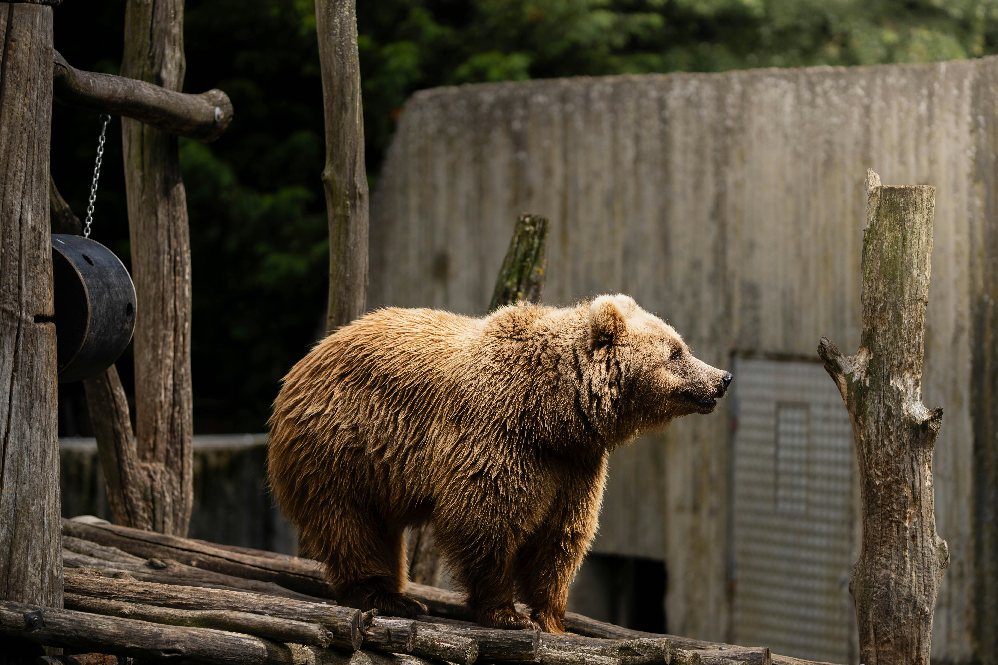
Wild Bears Guide covering complete information about species, habitat, diet, behavior, hibernation, survival skills and conservation facts of wild bears.
Bear(Wild)
Bears are among the most fascinating and powerful wild animals on Earth.Known for their strength,intelligence and adaptability,they live across forests, mountains, tundra, and even Arctic regions.From the giant Kodiak bear to the small sun bear,these creatures play a vital role in maintaining ecological balance.
Introduction to Bears
The bear belongs to the family Ursidae,a group of large mammals found mainly in the Northern Hemisphere.There are eight main species of bears in the world,each adapted to different environments.
Bears are carnivorous in classification but most species are actually omnivores,meaning they eat both plants and animals.They are known for:
- Strong body structure
- Sharp claws
- Excellent sense of smell
- Intelligence and memory
- Ability to adapt to different climates
Bears have existed for millions of years and are considered one of the most evolutionarily successful large mammals.
Types of Bears in the Wild
There are eight recognized species of bears in the world:
1. Brown Bear
The brown bear is one of the most widespread bear species.It includes subtypes like the grizzly bear and Kodiak bear.These bears are found in North America,Europe and Asia.
- Habitat Forests,mountains,tundra
- Diet Fish, berries,insects,small mammals
- Known for Strong hunting ability and fishing skills

2. Polar Bear
The polar bear is the largest land carnivore in the world.
- Habitat Arctic ice regions
- Diet Mostly seals
- Adaptation Thick white fur and fat layer for cold protection
3. Black Bear
Black bears are commonly found in North America.
- Habitat Forests and mountains
- Diet Fruits, nuts,insects,small animals
- Behavior Shy and usually avoid humans
4. Panda Bear
The giant panda is one of the most beloved bear species.
- Habitat Bamboo forests in China
- Diet Almost entirely bamboo
- Special feature Black and white fur pattern
5. Sloth Bear
Found mainly in India and Sri Lanka.
- Diet Ants,termites,fruits
- Behavior Nocturnal and insect eating specialist
6. Sun Bear
The smallest bear species in the world.
- Habitat Southeast Asia
- Diet Fruits,insects,honey
- Feature Long tongue for feeding on insects
7. Spectacled Bear
Also called the Andean bear.
- Habitat South America
- Diet Fruits and plants
- Feature Unique facial markings like glasses
8. Asian Black Bear
Also known as the moon bear.
- Habitat Asia’s forests and mountains
- Diet Omnivorous
- Feature White chest marking
Habitat of Bears
Bears are extremely adaptable animals and can survive in different environments such as:
- Arctic ice(Polar bears)
- Dense forests(Black bears,brown bears)
- Tropical rainforests(Sun bears,Asian bears)
- Mountain regions(Grizzly bears)
- Bamboo forests(Pandas)
Their habitat depends on food availability,climate and safety.
Diet and Feeding Habits
Most bears are omnivores,meaning they eat both plants and animals.Their diet includes:
Plant based food:
- Berries
- Fruits
- Nuts
- Roots
- Bamboo(especially pandas)
Animal based food:
- Fish(especially salmon)
- Deer and small mammals
- Insects like ants and termites
- Carrion(dead animals)
Bears are opportunistic feeders,meaning they eat whatever is available in their environment.
Physical Characteristics of Bears
Bears are large,powerful mammals with unique physical traits:
- Strong muscular body
- Thick fur for insulation
- Sharp claws for digging and hunting
- Powerful jaws and teeth
- Excellent smell(better than dogs)
- Poor eyesight but strong hearing
Some species like polar bears have white fur for camouflage,while black bears have dark fur for forest blending.
Behavior of Wild Bears
Bears are intelligent and mostly solitary animals.Their behavior includes:
1. Solitary Lifestyle
Most bears prefer to live alone except during mating season or when mothers raise cubs.
2. Territorial Nature
Bears mark and defend their territory using scent markings.
3. Seasonal Behavior
Bears in colder regions hibernate during winter months.
4. Communication
They communicate using:
- Body language
- Sounds(growls,roars)
- Scent marking
Bear Hibernation
One of the most interesting features of bears is hibernation.
During winter,food becomes scarce,so bears enter a deep sleep like state called hibernation. In this period:
- Heart rate slows down
- Body temperature drops slightly
- They survive on stored fat
Not all bears hibernate deeply polar bears may remain active depending on conditions.
Reproduction and Life Cycle
Bears reproduce slowly compared to many animals.
Mating Season
Usually occurs in spring or summer.
Cubs Birth
- Female bears give birth in winter dens
- Usually 1 to 3 cubs are born
Cub Development
- Cubs stay with mother for 1.5 to 3 years
- They learn hunting and survival skills
Bears are very protective mothers.
Survival Skills of Bears
Bears are highly skilled survivors in the wild.Their abilities include:
- Excellent swimming ability
- Strong climbing skills(especially black bears)
- Long-distance walking and running
- High intelligence and memory
- Ability to find food in harsh conditions
Polar bears are also known to swim long distances between ice sheets.
Role of Bears in the Ecosystem
Bears play a crucial role in maintaining ecological balance:
1. Seed Dispersal
By eating fruits and berries,they spread seeds through droppings.
2. Controlling Animal Populations
They hunt small animals,keeping populations balanced.
3. Nutrient Cycling
Dead animal consumption helps in nutrient recycling.
4. Forest Health
Their foraging behavior helps maintain healthy forests.
Without bears,ecosystems can become unbalanced.
Threats to Bears
Despite being powerful animals,bears face several threats:
1. Habitat Loss
Deforestation and human expansion reduce their natural homes.
2. Climate Change
Especially affects polar bears due to melting ice.
3. Hunting and Poaching
Some bears are hunted for fur,body parts or sport.
4. Human Conflict
Bears sometimes enter human areas searching for food.
Conservation of Bears
Many organizations are working to protect bear species worldwide.
Conservation methods include:
- Protected wildlife reserves
- Anti poaching laws
- Habitat restoration
- Awareness campaigns
- Wildlife monitoring programs
Efforts have helped increase populations of some species like giant pandas.
Interesting Facts About Bears
Here are some amazing facts about bears:
- A polar bear can smell prey from over 1 km away
- Bears can run up to 40 km/h
- Panda bears eat up to 12 to 38 kg of bamboo daily
- Bears can remember food locations for years
- Some bears can stand and walk on two legs
Bears and Humans
The relationship between humans and bears is complex.In some cultures,bears are respected and even worshipped,while in others they are feared.
Bears also appear in:
- Mythology
- Folklore
- Movies and cartoons
- Sports mascots
However,human activity often leads to conflict when bears enter villages or cities in search of food.
Are Bears Dangerous?
Bears are powerful and can be dangerous if threatened but they usually avoid humans.
Most attacks happen when:
- A bear is surprised
- A mother is protecting cubs
- Humans enter their territory
With proper awareness,bear encounters can be safely avoided.
[…] are primarily wild animals,not domesticated pets like dogs or cats.They are naturally adapted to survive in the wild,hunt […]
[…] grizzly bear is a subspecies of the brown bear (Ursus arctos horribilis). It belongs to the bear family Ursidae and is one of the largest […]